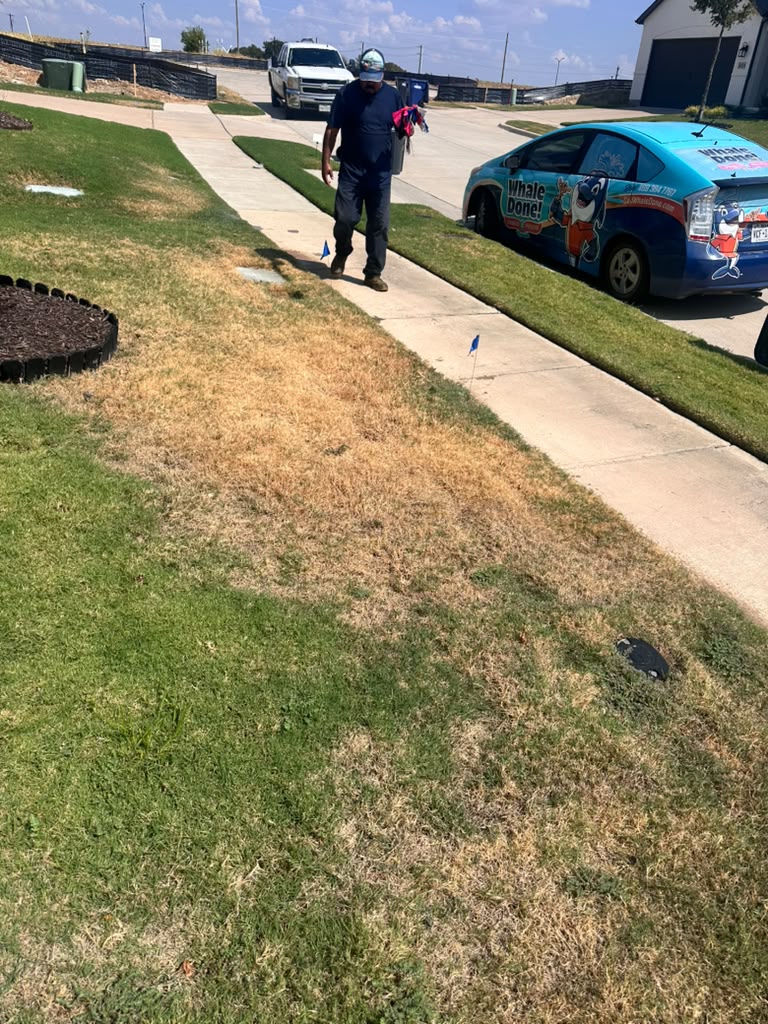
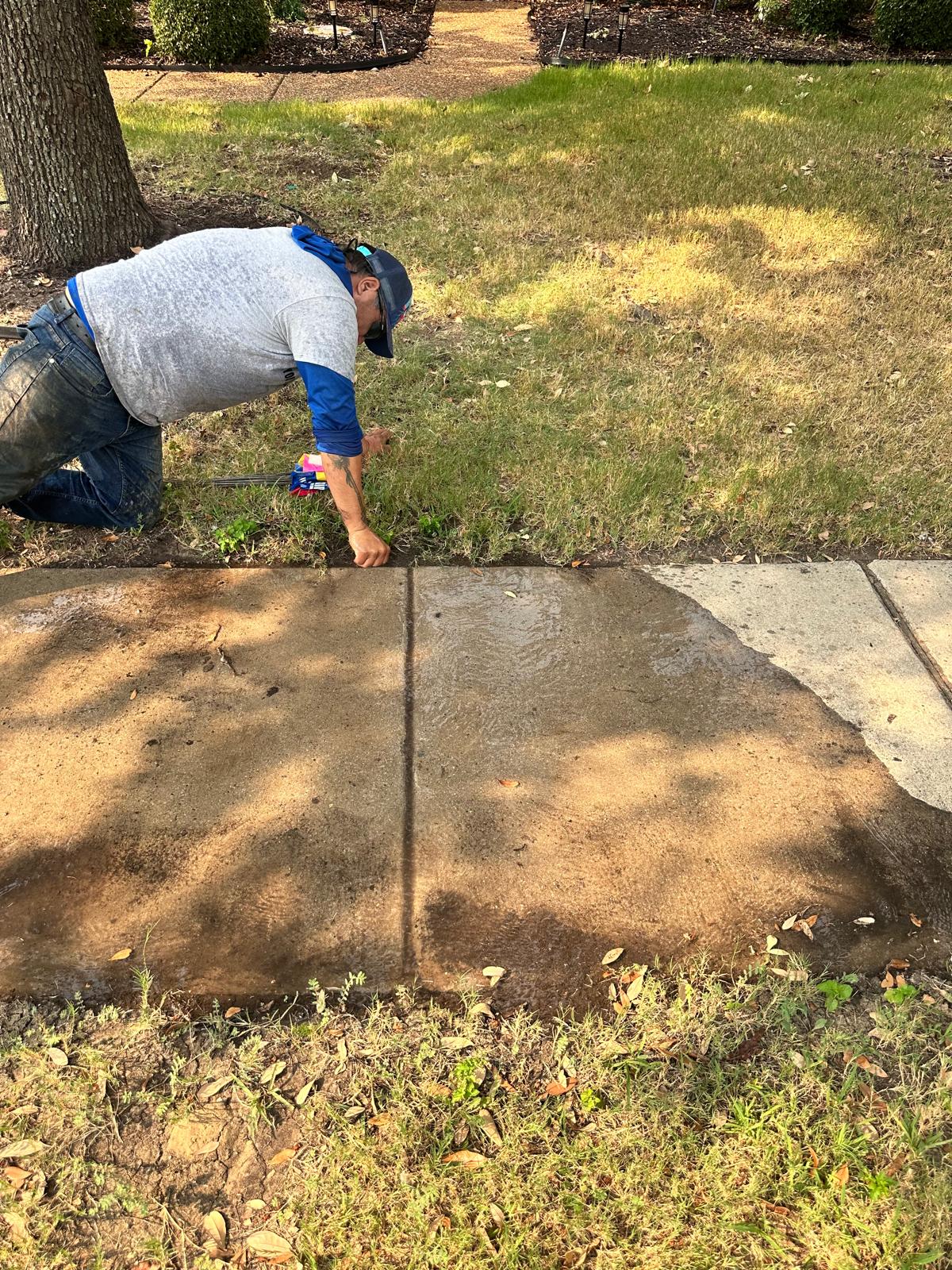
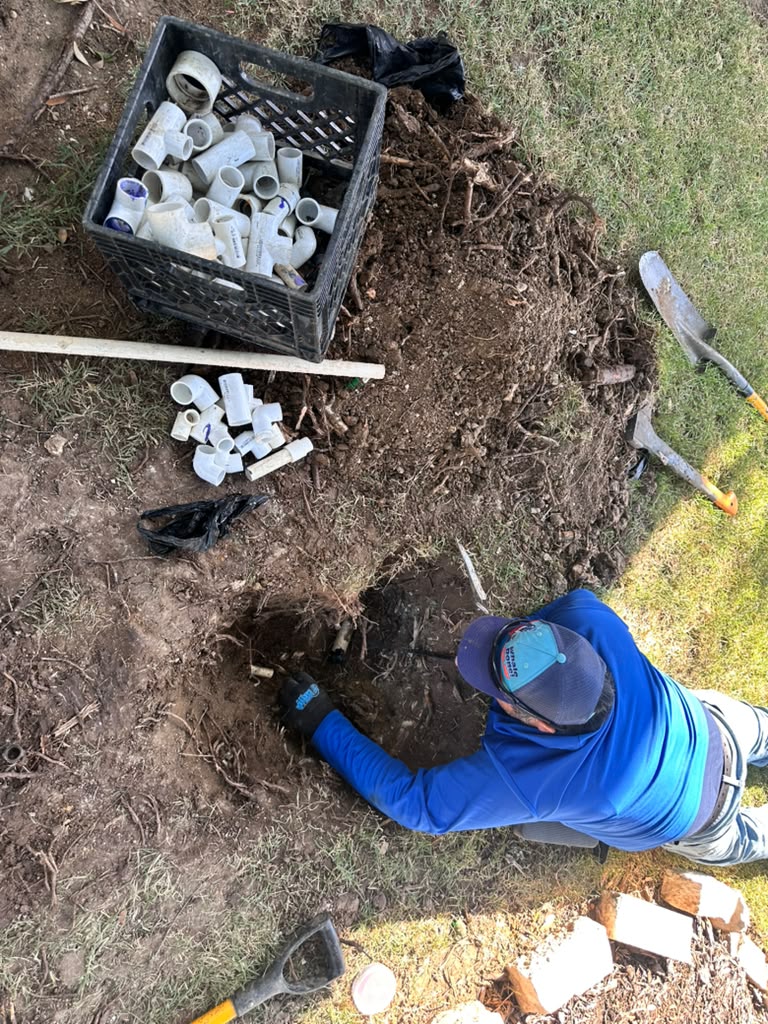
If you are searching for a reliable drainage solution in Lucas TX, understanding your yard’s unique challenges is the first step toward long-term protection and landscape health. Drainage issues are more than just an inconvenience—they can lead to foundation damage, soil erosion, and costly repairs if left unresolved. With the area’s clay-heavy soil and occasional heavy rainfall, homeowners in Lucas must take a strategic approach when selecting the right drainage system.
This guide will walk you through everything you need to know—from identifying drainage problems to evaluating the most effective solutions—so you can make a confident, informed decision.
Understanding Why Drainage Problems Occur
Before choosing the right solution, it’s essential to understand what causes drainage issues in the first place. In Lucas, TX, several factors contribute to poor yard drainage:
1. Clay Soil Composition
Lucas is known for its dense clay soil, which absorbs water much more slowly than sandy or loamy soils. Instead of draining into the ground efficiently, rainwater often remains on the surface, creating puddles, soggy areas, muddy conditions, and increasing the likelihood of drainage problems after storms.
2. Poor Yard Grading
If your yard slopes toward your home rather than directing water away, rainwater naturally flows toward the foundation. Over time, this can lead to standing water, soil erosion, foundation settlement, moisture intrusion, and costly structural repairs if the grading issue is not corrected.
3. Heavy Rainfall Events
Lucas occasionally experiences intense rainfall that can quickly exceed your yard’s ability to absorb or redirect water. Without a properly designed drainage system, excessive runoff can cause flooding, erosion, standing water, damaged landscaping, and increased pressure around your home’s foundation.
4. Compacted Soil
Over time, heavy foot traffic, construction equipment, vehicles, or repeated landscaping activities can compress the soil, reducing the spaces where water normally infiltrates. As a result, water remains on the surface longer, increasing runoff, pooling, erosion, and overall drainage issues throughout the property.
For a deeper understanding of soil behavior and water absorption, resources like Texas A&M AgriLife Extension provide valuable insights into regional soil conditions and management.
Signs You Need a Yard Drainage Solution
Recognizing the early warning signs can save you from expensive repairs later. Here are common indicators that your yard needs attention:
- Standing water that remains for hours or days after rain
- Muddy patches or consistently soggy areas
- Water pooling near your home’s foundation
- Soil erosion or exposed roots
- Basement or crawl space moisture issues
- Unhealthy or dying grass in certain areas
If you notice any of these issues, it’s time to consider a professional evaluation.
Types of Drainage Systems Available
Not all drainage systems are created equal. The best option depends on your yard’s layout, soil condition, and severity of the issue.
French Drains
A French drain uses a perforated pipe surrounded by gravel to collect underground water and redirect it away from problem areas. This system is especially effective for yards with persistent saturation, helping prevent standing water, soil erosion, and excess moisture that could affect your landscape or home’s foundation.
Surface Drains
Surface drains are designed to capture water at ground level and quickly channel it away from areas where it tends to collect. They are ideal for patios, driveways, walkways, and low-lying sections of the yard, helping reduce puddles, slippery surfaces, and potential water damage.
Channel Drains
Channel drains are long, narrow drainage systems commonly installed in hardscaped areas such as driveways, garages, patios, and pool decks. They efficiently collect surface runoff and direct it away, preventing water from pooling on concrete surfaces and reducing the risk of erosion or flooding.
Downspout Extensions
Downspout extensions carry rainwater farther away from your home’s foundation after it leaves the gutters. By directing water to a safe discharge point, they help reduce soil saturation, minimize the risk of foundation damage, and prevent unwanted pooling around the property’s perimeter.
Dry Creek Beds
Dry creek beds combine practical drainage with attractive landscaping by using decorative rocks to create a natural-looking channel for stormwater. They guide excess water away from vulnerable areas, reduce erosion, improve drainage efficiency, and add visual appeal to your outdoor living space.
For homeowners exploring sustainable water management practices, the EPA WaterSense Program offers guidance on efficient outdoor water use.
Choosing the Right Drainage Solution in Lucas TX
Selecting the right drainage solution in Lucas TX requires more than picking a system—it involves evaluating your property’s specific needs and long-term goals.
Assess Your Yard’s Layout
Every yard is different. Consider elevation changes, low spots, and how water naturally flows during rainfall.
Identify the Source of the Problem
Is the issue caused by surface water, groundwater, or poor grading? Each requires a different approach.
Consider Soil Type
Clay soil requires solutions that move water away efficiently rather than relying on absorption.
Evaluate Long-Term Effectiveness
Temporary fixes may seem appealing, but investing in a durable system saves money and stress over time.
Think About Maintenance
Some systems require regular cleaning and upkeep. Choose one that fits your lifestyle and maintenance preferences.
The Role of Professional Drainage Assessments
A professional drainage assessment provides a thorough evaluation of your yard to determine the underlying causes of water-related issues and identify the most effective long-term solutions. Using specialized tools, experienced professionals assess how water moves across your property and uncover hidden drainage problems that may not be visible to the untrained eye.
The assessment typically includes analyzing soil composition to understand water absorption, evaluating the yard’s grading and slope to ensure proper runoff, identifying natural water flow patterns, and inspecting existing drainage systems for damage, blockages, or inefficiencies. Based on these findings, experts recommend customized drainage solutions designed specifically for your property’s layout, soil conditions, and landscaping needs, helping protect your home and maintain a healthier, more functional outdoor environment.
Organizations like the Irrigation Association emphasize the importance of proper water management to protect both landscapes and structures.
Benefits of Installing the Right Drainage System
Choosing the correct drainage solution offers several long-term advantages:
- Protects Your Home’s Foundation: Proper drainage prevents water from accumulating near your home, reducing the risk of cracks and structural damage.
- Improves Landscape Health: Eliminating excess water promotes healthier grass, plants, and trees.
- Prevents Soil Erosion: A well-designed system stabilizes soil and prevents it from washing away during heavy rains.
- Enhances Property Value: A dry, well-maintained yard is more appealing to potential buyers and increases overall property value.
- Reduces Maintenance Costs: Addressing drainage issues early helps avoid expensive repairs in the future.
Common Mistakes to Avoid
When choosing a drainage solution, homeowners often make avoidable mistakes:
Ignoring the Root Cause
Focusing only on visible symptoms, such as standing water or muddy areas, without identifying the underlying drainage issue can result in recurring problems, higher repair costs, and long-term damage to your landscape and foundation.
Choosing the Wrong System
Not every drainage system is suitable for every property. Selecting an inappropriate solution without considering soil type, yard grading, and water flow patterns can reduce effectiveness and lead to unnecessary expenses.
DIY Without Proper Knowledge
Although simple maintenance tasks can be handled by homeowners, diagnosing and repairing complex drainage issues often requires professional expertise, specialized equipment, and a thorough understanding of proper water management techniques.
Overlooking Maintenance
Even the most effective drainage systems require regular maintenance to perform efficiently. Cleaning drains, removing debris, and scheduling periodic inspections help prevent clogs, extend system lifespan, and ensure reliable performance year-round.
Integrating Drainage with Landscaping
A well-designed drainage system doesn’t have to compromise your yard’s appearance. In fact, it can enhance it.
- Use Decorative Solutions: Options like dry creek beds and rain gardens add visual appeal while improving drainage.
- Plan for Water Flow: Incorporate slopes and contours that guide water naturally.
- Combine Function and Design: Work with professionals who understand both drainage and landscaping to achieve the best results.
For inspiration on combining landscaping with functionality, The Spruce Landscaping Guide offers practical ideas and design tips.
Seasonal Considerations in Lucas TX
Drainage needs can change throughout the year, so planning for each season is essential to keep your yard functioning properly. During spring and summer, frequent thunderstorms and heavy rainfall can quickly overwhelm areas with poor drainage, making it important to have an effective system in place before the wettest months arrive. In the fall, leaves, twigs, and other debris often accumulate in gutters, downspouts, and surface drains, reducing water flow and increasing the risk of blockages that lead to standing water.
Although winter in Lucas, TX, rarely brings prolonged freezing temperatures, proper drainage remains important because saturated soil can still contribute to erosion, landscape damage, and excess moisture around your home’s foundation, potentially leading to long-term structural concerns.
Maintenance Tips for Long-Term Performance
To ensure your drainage system continues to perform effectively:
- Regularly clean gutters and downspouts
- Remove debris from surface drains
- Inspect systems after heavy rainfall
- Check for signs of clogging or damage
- Schedule periodic professional inspections
Consistent maintenance helps extend the lifespan of your system and ensures optimal performance.
Why Local Expertise Matters
Choosing a drainage solution isn’t just about installing the latest system—it’s about understanding the unique conditions that affect your property. Professionals with experience in Lucas, TX, recognize how local factors such as expansive clay soil, changing weather patterns, seasonal rainfall, and yard elevation influence water movement and drainage performance. They can accurately identify the underlying cause of drainage problems instead of simply treating the symptoms.
By evaluating your property’s layout, grading, and soil conditions, they can recommend customized solutions designed for long-term effectiveness. This personalized approach helps reduce future maintenance, protects your home’s foundation and landscape, and provides a more reliable drainage system that performs well throughout the year.
Conclusion
Finding the right drainage solution in Lucas TX requires careful evaluation, expert guidance, and a commitment to long-term results. By understanding your yard’s unique challenges and exploring the available options, you can protect your home, enhance your landscape, and prevent costly damage.
For homeowners seeking reliable and professional drainage services, Whale Done Sprinklers & Irrigation is here to help.
Phone: +1 (469) 384-7767
Email: clientsupport@callwhaledone.com
With the right approach and expert support, you can transform your yard into a well-drained, healthy, and visually appealing space.