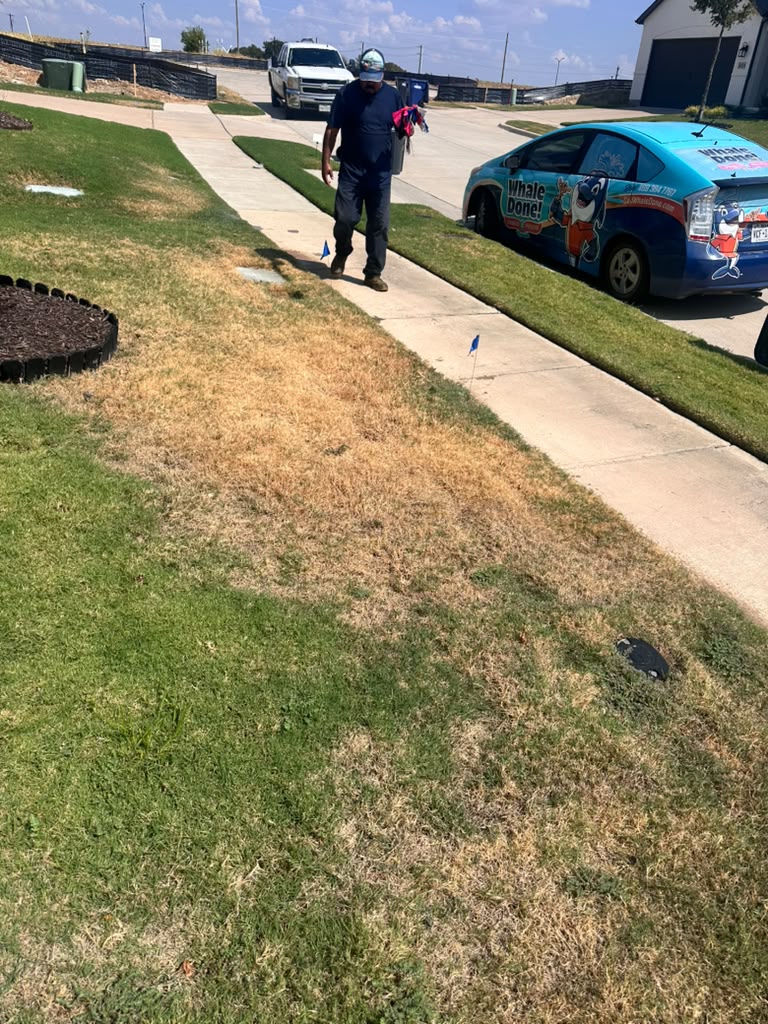
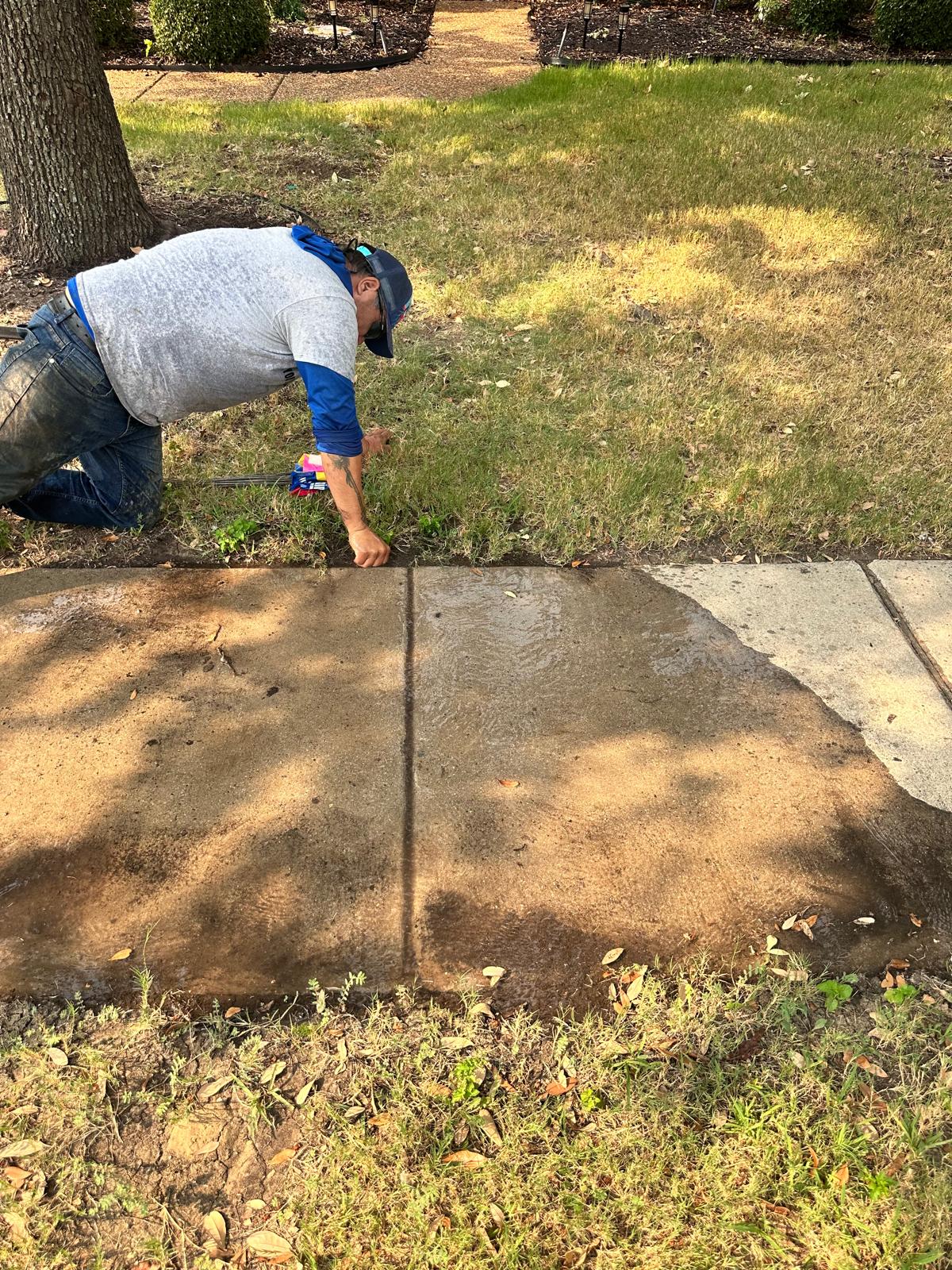
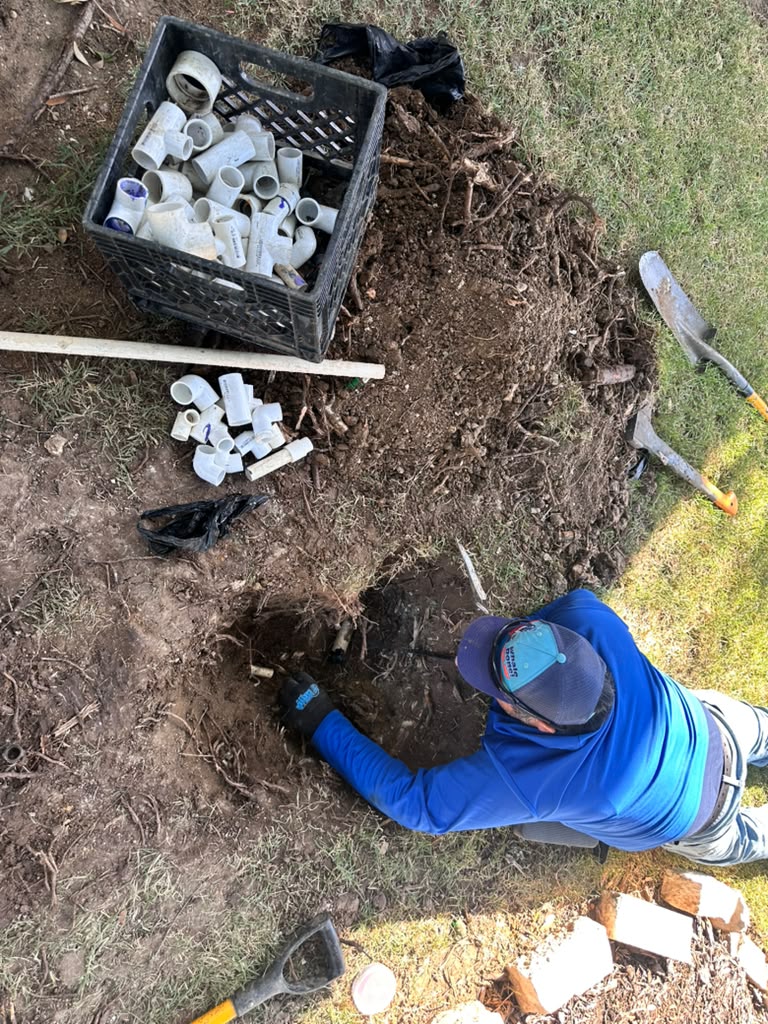
Irrigation system check in Plano TX is one of the most important steps homeowners can take to protect their landscapes, conserve water, and ensure consistent lawn health.
Plano’s climate, soil conditions, and seasonal weather changes place constant demand on irrigation systems. Without regular inspections, even well-designed systems can develop inefficiencies that lead to uneven watering, higher utility bills, and damaged landscaping. A professional irrigation system check ensures every component works together efficiently, delivering the right amount of water where and when it’s needed.
This guide explains why routine irrigation inspections matter, what the process includes, and how Plano homeowners can benefit from proactive system maintenance.
Why Regular Irrigation System Checks Matter in Plano TX
Plano experiences hot summers, periodic drought conditions, and sudden weather shifts that can stress irrigation systems. Over time, small issues—such as clogged nozzles or misaligned sprinkler heads—can escalate into costly repairs if left unchecked.
A thorough system check helps identify inefficiencies before they impact your lawn or water usage. According to the Environmental Protection Agency, poorly maintained irrigation systems can waste thousands of gallons of water annually, increasing both environmental impact and household expenses.
Regular inspections are not just about preventing breakdowns; they’re about optimizing system performance to match Plano’s unique environmental demands.
Common Irrigation Problems Found During Inspections
Many irrigation issues are not immediately visible. An irrigation system check uncovers hidden problems that may already be affecting lawn health.
Underground Leaks
Small leaks in buried irrigation lines often go unnoticed for long periods, yet they can significantly reduce water pressure and system efficiency. Over time, these leaks may cause soil erosion beneath your lawn, leading to uneven surfaces and potential damage to plant roots.
Clogged or Damaged Sprinkler Heads
Dirt, grass clippings, and mineral buildup can clog sprinkler heads, restricting proper water flow and coverage. Damaged or broken heads may spray water onto sidewalks, driveways, or structures, wasting water and leaving landscaped areas under-watered.
Uneven Water Coverage
Improper spacing, incorrect nozzle selection, or misaligned sprinkler heads can result in uneven water distribution. This often creates dry patches alongside overwatered areas, placing stress on grass and plants and reducing the overall health and appearance of your lawn.
Controller Programming Issues
Incorrect watering schedules or outdated controller programming can cause excessive watering, especially during rainy or cooler periods. Without proper adjustments, systems may waste water and increase utility costs, making smart scheduling essential for efficient irrigation and long-term water conservation.
What Is Included in a Professional Irrigation System Check
A comprehensive irrigation system inspection goes beyond a quick visual review. Each component is tested and adjusted to ensure peak performance.
System-Wide Pressure Testing
Maintaining proper water pressure is essential for efficient irrigation performance. Technicians test system-wide pressure to prevent misting, runoff, and potential pipe or fitting damage. Identifying pressure imbalances helps reduce water waste and extends the lifespan of the entire system.
Sprinkler Head Alignment and Adjustment
Each sprinkler head is carefully inspected and adjusted to ensure correct spray direction, pattern, and distance. Proper alignment prevents overspray onto sidewalks or structures while ensuring even water distribution across lawns and landscaped areas for healthy, consistent growth.
Valve and Zone Inspection
Every irrigation zone is activated individually to confirm valves open and close properly. This process helps detect leaks, wiring issues, or delayed responses that could cause water loss, uneven watering, or system inefficiencies throughout the irrigation setup.
Controller and Sensor Evaluation
Irrigation controllers and weather sensors are thoroughly tested to verify accurate communication and response. Rain and soil moisture sensors are evaluated to ensure watering schedules adjust automatically based on weather conditions, helping conserve water and maintain optimal landscape health.
Organizations such as the Irrigation Association emphasize that routine inspections improve system longevity and reduce long-term operating costs.
Seasonal Importance of Irrigation Checks in Plano
Plano’s seasonal weather patterns make irrigation inspections especially important at certain times of the year.
Spring System Start-Up
After winter dormancy, systems must be checked for freeze damage, cracked pipes, and malfunctioning valves.
Summer Efficiency Adjustments
High temperatures require precise watering schedules to avoid stress while preventing overuse.
Fall System Evaluation
Fall inspections help prepare systems for reduced watering needs and identify repairs before winter arrives.
Seasonal inspections ensure the system adapts to changing conditions rather than operating on outdated settings.
Water Conservation and Environmental Benefits
An irrigation system check plays a crucial role in responsible water management. Efficient systems reduce runoff, prevent soil erosion, and support sustainable landscaping.
The Texas Water Development Board encourages routine irrigation evaluations as part of statewide conservation efforts. By ensuring systems operate efficiently, homeowners contribute to preserving local water resources while maintaining attractive outdoor spaces.
Efficient irrigation also supports healthier plant growth by delivering water directly to root zones instead of saturating surfaces unnecessarily.
How Irrigation Inspections Protect Lawn and Plant Health
Healthy landscapes depend on consistent, balanced watering. Overwatering can suffocate roots and promote fungal diseases, while underwatering leads to stress and discoloration.
A properly inspected system ensures:
- Even moisture distribution
- Reduced plant stress
- Stronger root development
- Improved resistance to heat and drought
When water is applied evenly and efficiently, lawns remain lush and resilient throughout Plano’s hottest months.
Cost Savings from Preventive Irrigation Maintenance
One of the most overlooked benefits of routine irrigation system checks is long-term cost savings. Small inefficiencies—like leaking valves or misting heads—can significantly increase monthly water bills.
Preventive inspections help:
- Reduce unnecessary water usage
- Avoid emergency repairs
- Extend the lifespan of system components
- Maintain property value through healthy landscaping
Investing in routine checks is far more economical than addressing major system failures after damage has occurred.
Signs Your Irrigation System Needs Immediate Attention
Even with regular inspections, certain warning signs indicate the need for a prompt system check.
- Sudden spikes in water bills
- Dry or flooded areas in the lawn
- Low water pressure across multiple zones
- Sprinklers spraying onto hardscapes
- Controller errors or inconsistent schedules
Addressing these issues early prevents further damage and preserves system efficiency.
Why Professional Inspections Are More Effective Than DIY Checks
While basic visual checks are helpful, professional irrigation inspections provide a deeper evaluation. Specialists use diagnostic tools to measure pressure, identify underground leaks, and fine-tune system performance.
Professionals also stay informed on local regulations, water restrictions, and best practices, ensuring systems comply with Plano-area guidelines while operating efficiently.
DIY inspections often miss subtle problems that only trained technicians can detect.
The Role of Technology in Modern Irrigation System Checks
Modern irrigation systems incorporate advanced technology that enhances efficiency and convenience. During inspections, technicians assess smart controllers, sensors, and zone programming to ensure seamless operation.
Smart irrigation systems adjust watering schedules based on weather data, reducing waste and improving plant health. Routine checks ensure these technologies function correctly and remain calibrated for local conditions.
Conclusion
An irrigation system check is a proactive step toward protecting your landscape, conserving water, and maintaining long-term system efficiency. Regular inspections help Plano homeowners avoid costly repairs, reduce water waste, and ensure lawns stay healthy throughout the year.
For reliable and professional service, homeowners can trust Whale Done Sprinklers & Irrigation for thorough irrigation system evaluations and expert care.
Phone: +1 (469) 384-7767
Email: clientsupport@callwhaledone.com