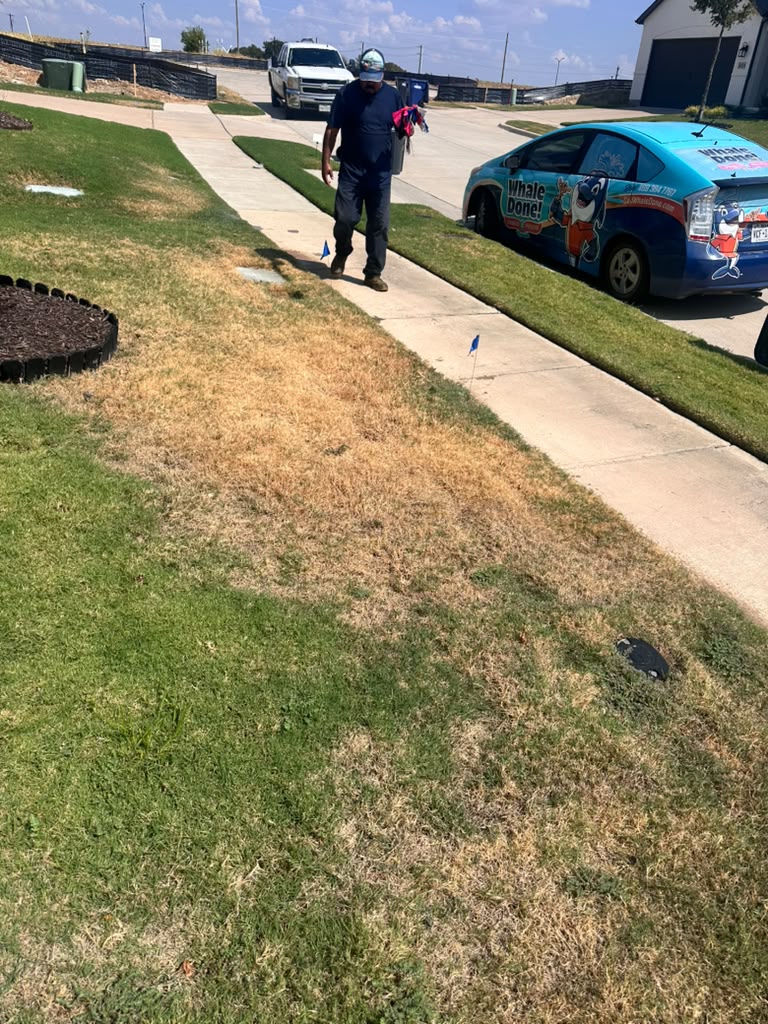
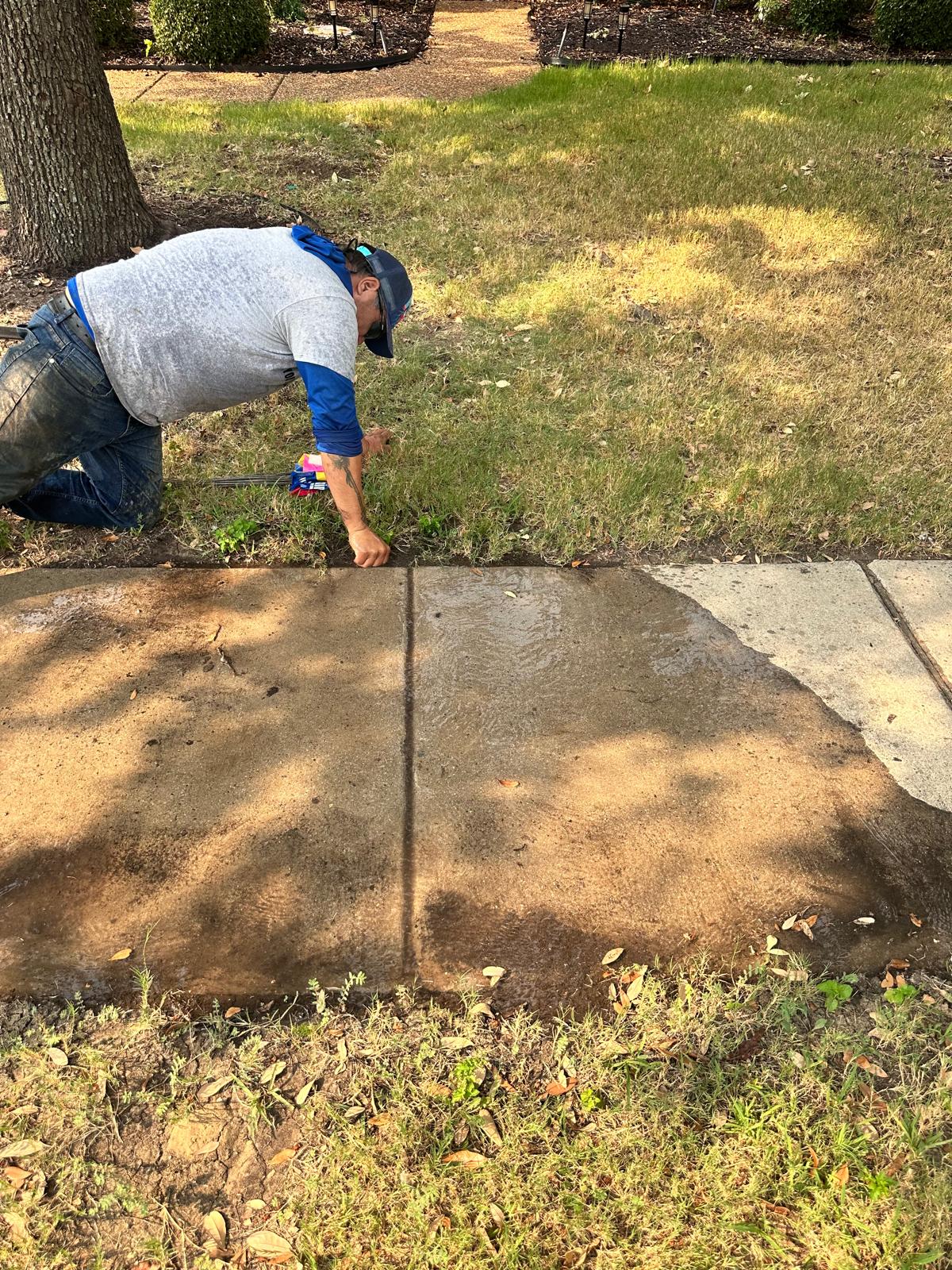
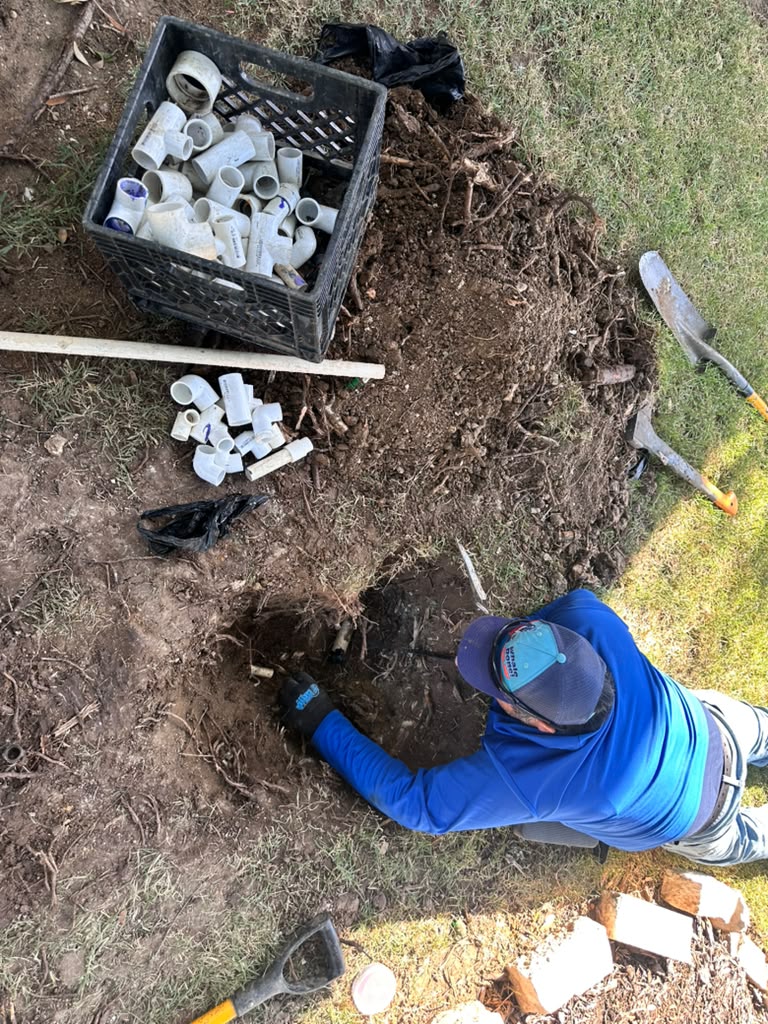
A sprinkler system check in Aubrey TX is the key to maintaining a lush, green lawn, conserving water, and preventing costly repairs. Whether you’re a homeowner with a new irrigation system or you’ve had your setup for years, regular checks ensure peak performance season after season. In this comprehensive guide, we’ll explore everything you need to know — from why routine inspections matter to step‑by‑step procedures, common issues to watch for, and expert maintenance tips.
Aubrey, TX sits in a region where hot summers and unpredictable weather patterns can take a toll on your irrigation system. A sprinkler system that runs inefficiently not only wastes water but also fails to keep your landscape vibrant. This guide provides a professional walkthrough for homeowners and property managers alike.
Why a Sprinkler System Check Matters
Optimize Water Use
Water is a precious resource, especially in Texas where drought conditions can arise. Conducting a sprinkler system inspection ensures that water is delivered efficiently — only where and when it’s needed. This reduces waste and lowers your water bills.
For more information on smart water use and conservation practices, visit the EPA’s WaterSense program which provides guidelines for irrigation efficiency and sustainability.
Prevent Costly Repairs
Small issues that go unnoticed can turn into major problems. For example, a cracked pipe or broken sprinkler head might seem minor, but over time it can damage your lawn, foundation, or underground utilities. A regular check catches these issues early.
Promote Lawn Health
A balanced irrigation schedule keeps grass, plants, and trees healthy. Too much water can lead to fungal diseases and shallow roots, while too little leads to stress and browning. A proper check ensures uniform coverage.
Increase Property Value
A well‑maintained sprinkler system adds value to your property. Prospective buyers appreciate landscapes that are both attractive and low‑maintenance.
When to Perform a Sprinkler System Check
Seasonal Considerations
In Aubrey, TX, seasonal transitions are critical times for sprinkler inspections:
- Spring Startup – After winter dormancy, system checks ensure everything is ready for warmer weather.
- Summer Maintenance – Peak watering season requires inspections every few weeks.
- Fall Blowout – Before winter, systems should be winterized to prevent freeze damage.
- Winter Prep – Although milder than northern climates, occasional freezes in Texas require precautions.
For more insight about regional weather patterns that could impact your irrigation system, check out the National Weather Service for North Texas.
Step‑by‑Step Sprinkler System Check
1. Inspect the Controller and Schedule
Start with the irrigation controller. Check that:
- The clock and settings are accurate.
- The watering schedule matches current seasonal needs.
- Rain sensors or smart controllers are functioning properly.
Smart irrigation controllers adjust watering based on weather, soil moisture, and plant needs — a big plus for efficiency.
2. Examine Sprinkler Heads
Walk your property and observe each sprinkler head:
- Are they spraying correctly?
- Are heads tilting or clogging with dirt?
- Are there low‑lying areas pooling water?
Adjust heads that are misaligned and clean clogged nozzles. Replace broken or cracked components promptly.
3. Check for Leaks and Water Pressure Issues
Visible leaks or soggy ground near your irrigation lines are red flags. Also observe:
- Uneven spray patterns.
- Weak water flow.
These symptoms might indicate a pressure imbalance or line break. Simple issues can be DIY, but complex leaks often need professional attention.
4. Test Valves and Backflow Preventers
Valves should open and close smoothly. A backflow preventer protects your potable water supply from contamination — check it annually per local codes.
5. Evaluate Coverage and Adjust Zones
Ensure each zone covers its intended area without overlap or gaps. Overlapping spray can waste water, while gaps leave dry spots.
Use an irrigation map (sketch of your system layout) to help plan adjustments.
Common Sprinkler System Problems
Broken or Clogged Nozzles
Nozzles can become obstructed by dirt, grass, or debris. Clogged nozzles reduce output and cause uneven watering.
Misaligned Heads
Mowers and foot traffic can knock heads out of place. Realign them so spray reaches the desired area.
Pressure Issues
- Too high pressure causes misting and uneven distribution.
- Too low pressure results in weak sprays and poor coverage.
Pressure regulators help maintain optimal flow.
Leaky Pipes or Fittings
Leaks waste water and may create soft, muddy spots. Check joints and visible lines for signs of leakage.
Electrical Problems
Automatic systems rely on wiring to activate valves. Corroded or chewed wires can disrupt your schedule. Check connections and consider waterproof connectors.
Tools and Equipment for DIY Checks
Here are some common tools that make inspections easier:
- Screwdrivers and pliers
- Pressure gauge
- Replacement nozzles and sprinkler heads
- Valve key
- Teflon tape for threaded fittings
However, be cautious with wiring and underground lines. When in doubt, hiring a professional ensures safety and accuracy.
Water Efficiency Tips
Use Smart Controllers
Weather‑based or soil moisture sensors adjust watering based on real‑time conditions — reducing waste and protecting landscape health.
Group Plants by Water Needs
Create irrigation zones for similar plant types. Lawns need different watering than shrubs or flower beds.
Water Early in the Morning
Early morning watering reduces evaporation and allows plants to absorb moisture before heat peaks.
Regular Tune‑Ups
Regular seasonal inspections keep systems running at peak efficiency. A well‑maintained system conserves water and enhances lawn appearance.
For comprehensive irrigation advice and water‑saving strategies, visit the Irrigation Association.
Hiring a Professional vs DIY
DIY Pros
- Cost‑effective for simple tasks
- Immediate action for minor issues
DIY Cons
- Time and effort required
- Potential for misdiagnosis
- Risk of damaging underground components
Professional Pros
- Thorough system evaluation
- Expert repairs and upgrades
- Peace of mind
Professional technicians come equipped with tools, experience, and knowledge of local soil, weather, and regulations — ensuring your system runs efficiently year‑round.
For Texas homeowners, a local resource like Texas A&M AgriLife Extension provides research‑based irrigation and landscaping tips.
Seasonal Checklist for Aubrey Homeowners
Spring
- Turn the system back on after winter.
- Inspect for winter damage.
- Adjust schedules for warmer weather.
Summer
- Check weekly for leaks and clogs.
- Adjust watering based on rainfall.
- Monitor plant health.
Fall
- Gradually reduce watering frequency.
- Prepare for cooler temperatures.
- Plan for any upgrades or replacements.
Winter
- Winterize if temperatures dip below freezing.
- Drain water from lines to prevent freeze damage.
How Often Should You Perform a Sprinkler System Check?
The frequency depends on system age, climate, and usage. A general guideline:
- Weekly during peak watering months (spring and summer)
- Monthly during mild seasons
- Seasonal comprehensive check at least four times a year
Regular checks ensure early detection of problems before they escalate.
FAQ: Sprinkler System Check in Aubrey TX
Q: When is the best time to check my sprinkler system?
A: Early spring before heavy use and throughout summer as needed.
Q: Can I check the system myself?
A: Yes, for basic issues like nozzles and alignment. Complex problems may require experts.
Q: How much does a professional inspection cost?
A: Costs vary depending on system size and issues detected. Many providers offer seasonal packages.
Q: What’s the biggest cause of sprinkler failure?
A: Lack of maintenance, debris buildup, and damage from landscaping or weather.
Eco‑Friendly Sprinkler Practices
Caring for your irrigation system goes hand‑in‑hand with caring for the environment. By ensuring your system operates efficiently, you’re not just saving on utility bills — you’re helping conserve water and promoting sustainable landscaping practices.
Consider these additional eco‑friendly strategies:
- Install rain sensors to prevent watering during rainstorms.
- Use drip irrigation for gardens and flower beds where appropriate.
- Choose drought‑tolerant plant species.
- Mulch around plants to retain soil moisture.
These steps create a healthier yard and lower your environmental footprint.
Conclusion
A sprinkler system check in Aubrey TX is an essential practice for maintaining a vibrant lawn, conserving water, and protecting your investment in irrigation infrastructure. Whether you perform routine checks yourself or hire professionals, understanding how your system works and what to look for can save you time, money, and hassle.
For expert assistance with your irrigation needs, contact Whale Done Sprinklers & Irrigation. Their experienced team offers comprehensive inspections, maintenance, and repairs tailored to your property.
📞 Phone: +1 (469) 384‑7767
📧 Email: clientsupport@callwhaledone.com
Regular sprinkler maintenance isn’t just about convenience — it’s about sustaining your landscape through every season with efficiency and reliability. With the right care and attention, your Aubrey lawn will stay lush and healthy all year long.