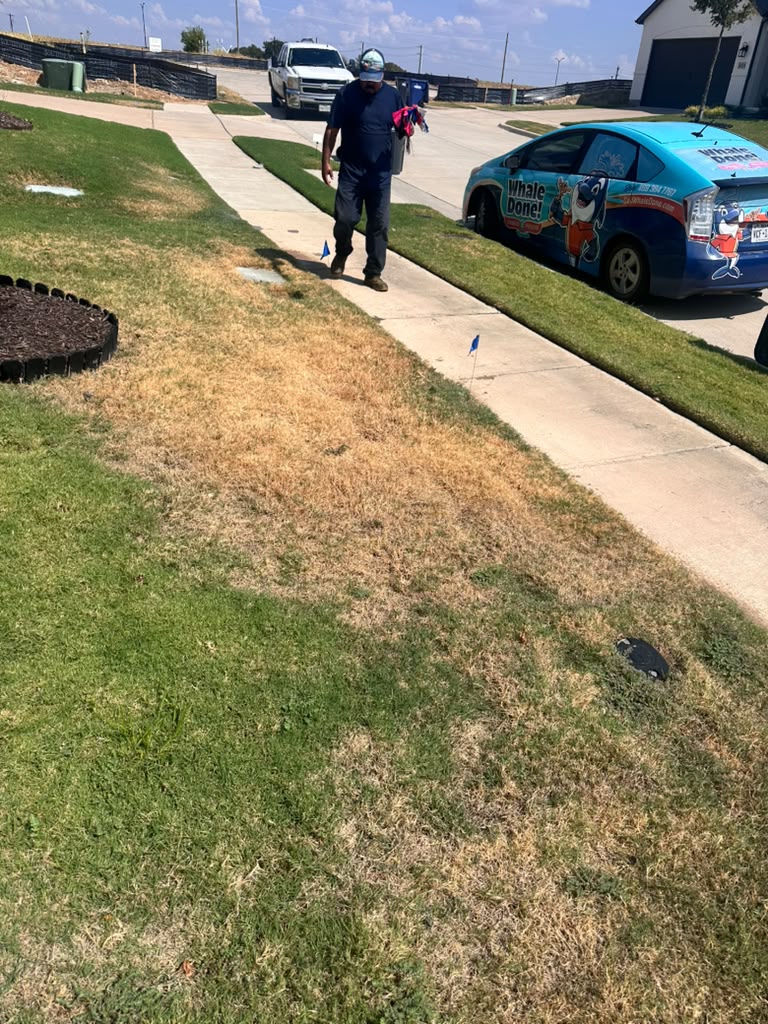
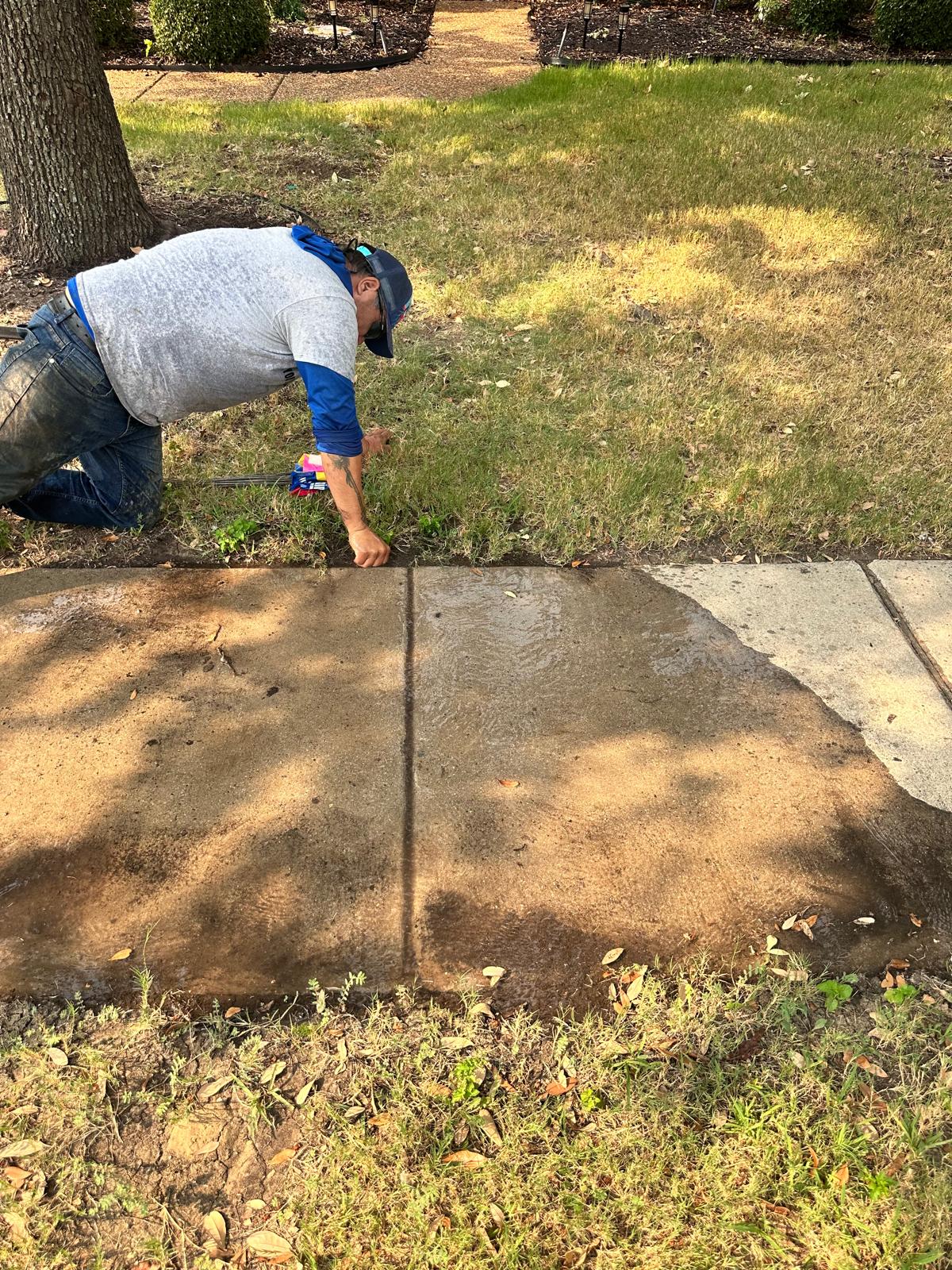
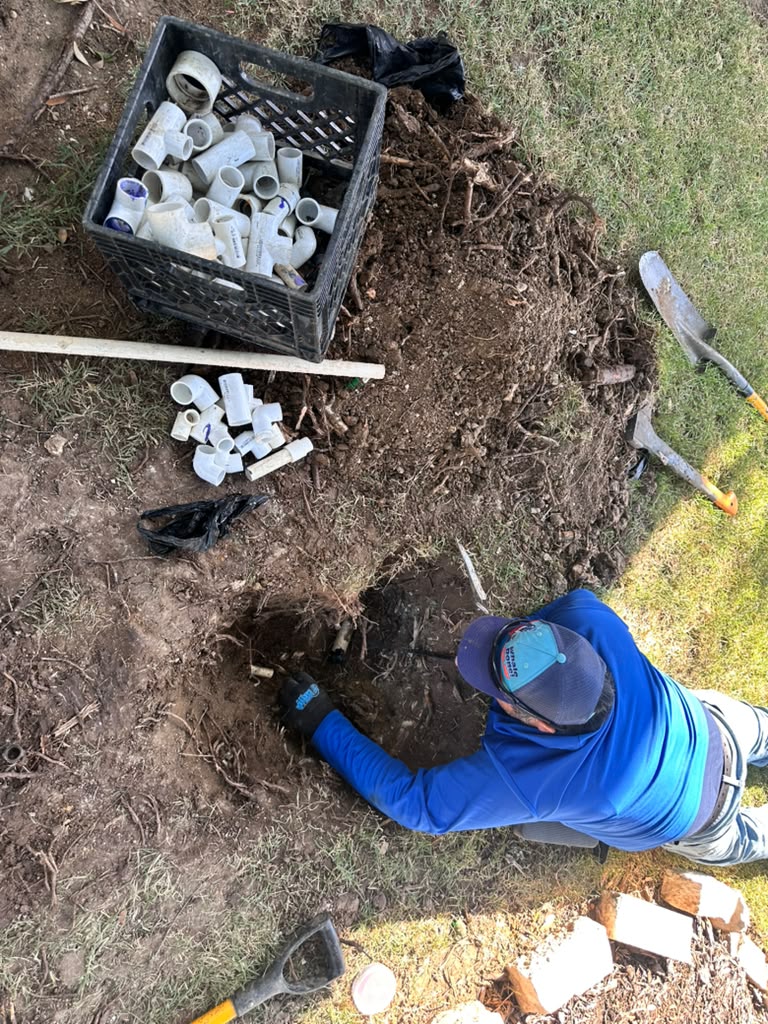
When it comes to preventing water damage and managing excess moisture around your home or business, installing a french drain in Melissa TX is one of the most effective solutions available, providing long‑lasting protection and peace of mind. In a region like Melissa, where heavy rains and shifting soil conditions can pose significant challenges for properties, a properly designed and installed French drain system becomes essential for homeowners and commercial property owners alike.
Understanding French Drains: What They Are and How They Work
A French drain system is a trench filled with gravel or rock containing a perforated pipe that redirects surface water and groundwater away from an area. According to the basic design principles of drainage systems, a French drain allows water to enter the perforated pipe through the gravel and then carries it to a desired discharge point, such as a storm sewer, dry well, or lower‑lying area on the property. This concept of redirecting groundwater was first developed in the 19th century in France, hence the name, and has since become a trusted engineering solution around the world. To learn more about drainage systems in civil engineering, you can explore this surface drainage overview.
The effectiveness of a French drain depends on proper grading, pipe selection, gravel quality, and the correct placement relative to the building foundation or landscape low spots. French drains are especially valuable in areas with clay‑rich soils, like much of North Texas, where water tends to accumulate near the surface and doesn’t percolate easily.
Why Melissa, TX Homeowners Need Effective Drainage
Melissa, Texas, located in Collin County, experiences a mix of weather patterns that can include intense rain events during spring and fall. These storms can quickly saturate soil and overwhelm yards that lack sufficient drainage. When water is allowed to pool near foundations, it can lead to a host of problems, including:
- Basement and crawlspace flooding: Water seeping through foundation walls or floors can cause costly interior damage.
- Soil erosion: Runoff can erode topsoil and expose roots, destabilizing landscaping beds and trees.
- Foundation issues: Prolonged exposure to standing water can weaken a home’s foundation over time.
- Landscape damage: Saturated lawns and gardens can suffer from root rot and poor plant health.
According to the National Weather Service, rainfall intensity and duration directly impact surface runoff and drainage requirements, making engineered solutions like French drains an essential part of residential and commercial site planning.
Key Benefits of Installing a French Drain in Melissa, TX
Investing in a well‑designed French drain system offers numerous advantages:
1. Reduces Water Damage Risk
By capturing excess water at the surface or subsurface level and redirecting it safely away from structures, French drains minimize the threat of water intrusion into basements or crawlspaces.
2. Prevents Soil Erosion and Landscape Damage
Proper drainage protects soil integrity and helps maintain the health of lawns, gardens, and plant beds. For landscape design strategies that complement drainage systems, check out this landscape architecture drainage guide.
3. Enhances Property Value
Homes with adequate drainage systems are more appealing to buyers and can command higher resale values. Effective water management is often a key consideration for potential purchasers.
4. Low‑Maintenance Solution
Once installed, French drains require minimal upkeep compared to other drainage options. Periodic flushing of the system and clearing debris from catch basins can help ensure long‑term performance.
5. Versatility of Application
French drains can be customized to address specific drainage issues, whether it’s redirecting roof runoff, mitigating yard flooding, or protecting a driveway.
The Anatomy of a French Drain System
Understanding the components of a French drain helps demystify what’s involved in installation and why professional expertise matters.
Trench
The trench is dug along the problem area at a slope that encourages water to flow toward a designated outlet. It typically ranges from 6–12 inches wide and 18–24 inches deep but can vary based on site conditions.
Gravel or Rock
Clean gravel or rock is used to create a porous medium around the perforated pipe. This layer filters larger particles and supports water flow into the pipe.
Perforated Pipe
A perforated drainage pipe sits at the bottom of the trench. Water enters through holes in the pipe and flows through it by gravity.
Filter Fabric
Landscape fabric is often wrapped around the gravel to prevent soil and roots from clogging the system while still allowing water to enter.
Outlet
The outlet is the point where water is discharged away from the property. This could be a storm drain, dry well, or swale.
For a deeper dive into subsurface drainage techniques, the USDA’s Natural Resources Conservation Service offers a technical guide on drainage design that expands on the engineering principles behind systems like French drains.
How Soil and Weather in Melissa Affect Drainage Needs
The soils in Melissa and surrounding areas of North Texas can be predominantly clay, which has low permeability. This means water tends to sit on top or move slowly through the ground, increasing the likelihood of surface pooling and water pressure against home foundations. Clay soil also expands when wet, which can exacerbate foundation stress.
Moreover, the region’s weather patterns — including occasional heavy thunderstorms, seasonal showers, and even sudden downpours — contribute to significant surface water that must be managed effectively. Without adequate drainage, water can infiltrate yards and structures, causing long‑term issues.
Signs You Need a French Drain on Your Property
Not all water issues require a French drain, but certain symptoms indicate that such a system might be the right solution:
- Pooling or standing water in low spots
- Soggy lawns after rain events
- Water stains on basement walls
- Cracks in foundation walls
- Musty odors in crawl spaces
- Soft ground near driveways or walkways
If you notice these issues, consulting a drainage specialist can help you determine whether a French drain or alternative system is the best remedy.
Professional Installation vs. DIY
While some homeowners consider installing a French drain themselves, professional installation offers several advantages:
Technical Expertise
Professionals assess soil type, land grade, and hydrology to design a system that functions properly over time. Mistakes in slope calculation or pipe placement can render a DIY project ineffective.
Proper Equipment
Installing a French drain often requires excavation equipment and tools that professionals are trained to use safely and efficiently.
Compliance with Local Codes
Experienced contractors understand local building codes and permitting requirements in Melissa, TX, ensuring your drainage solution complies with regulations.
Long‑Term Performance
A professionally installed French drain is more likely to deliver consistent performance and come with warranties or maintenance plans.
Maintenance Tips for Your French Drain
Although French drains are low maintenance, some steps can help ensure they continue to function well:
Periodic Flushing
Flushing the pipe with clean water helps remove silt and small debris that could accumulate over time.
Cleaning Catch Basins
If your system includes surface inlets or catch basins, keeping them clear of leaves and debris enhances performance.
Monitoring Outlet
Ensure the discharge point remains clear and that water flows freely away from your property.
Inspecting After Storms
Checking your system after heavy rains allows you to spot potential issues early.
Other Drainage Solutions to Consider
While French drains are highly effective for many situations, other options might be appropriate based on your property’s needs:
- Surface Drains: These capture water at the surface and channel it through grates to underground pipes.
- Dry Wells: Subsurface structures that collect and disperse water into surrounding soil.
- Swales: Shallow, vegetated channels that direct water flow across the landscape.
- Downspout Extensions: Help move roof runoff away from the foundation.
A comprehensive drainage plan may include a combination of these systems, tailored to your site’s unique characteristics.
Choosing the Right Contractor in Melissa, TX
Selecting a qualified drainage contractor is crucial to ensure your investment pays off. Here are some tips:
- Look for Experience in Local Conditions: Contractors familiar with Melissa’s soil and weather patterns can design better systems.
- Verify Licensing and Insurance: Ensure the contractor is licensed and carries liability insurance and worker’s compensation.
- Check References and Reviews: Ask for examples of past work and read online reviews.
- Get Detailed Written Estimates: Clarify materials, labor, timelines, and warranties in writing.
A professional team can also help you understand options for seasonal maintenance and future landscaping needs.
Case Study: Successful Drainage Improvement in a Melissa Yard
Consider the example of a homeowner in Melissa whose backyard frequently flooded after rains. Water would pool near the patio and seep into the garage slab, causing discoloration and dampness. A professional assessment determined that the yard’s slight slope toward the house and compacted clay soil prevented natural drainage. The solution involved installing a French drain along the perimeter of the yard with an outlet to a lower elevation point at the property line.
Following installation, the homeowner reported no further pooling, a healthier lawn, and a dry garage floor. This example illustrates how tailored engineering solutions and proper installation can resolve chronic water issues.
Environmental Considerations of Drainage Systems
Good drainage not only protects your property but also contributes to broader environmental benefits. By directing water away from structures and toward vegetation or designated absorption areas, you can help recharge groundwater and reduce erosion. However, it’s important to design systems that do not simply transfer water problems to neighboring properties or public spaces.
Local guidelines for stormwater management, such as those outlined by the Texas Commission on Environmental Quality, emphasize responsible water discharge practices that minimize negative impacts. For more information on sustainable stormwater management, visit the EPA’s stormwater resources.
Conclusion
For property owners dealing with excess water, investing in a french drain in Melissa TX offers a smart, effective way to protect your home, landscape, and foundation from moisture‑related issues. If you’re ready to explore professional drainage solutions that fit your needs, Whale Done Sprinklers & Irrigation can help — call +1 (469) 384‑7767 or email clientsupport@callwhaledone.com to get started.