Proper winterization in Melissa TX is one of the most important seasonal steps homeowners can take to protect their property, irrigation systems, and outdoor plumbing from freeze damage. Melissa is known for its unpredictable winter patterns—mild one week, freezing the next—making winter preparation more than just good practice; it is essential home protection. Whether you’re new to the area or a long-time resident, understanding how to winterize early, correctly, and thoroughly ensures your systems remain safe, efficient, and damage-free throughout the season. This guide provides a complete, professional breakdown of winterization, its importance, and how Melissa homeowners can prepare with confidence.
Why Winterization Matters in Melissa TX
While Melissa enjoys warm weather much of the year, winter temperatures can drop suddenly, often dipping below freezing overnight. Because of these rapid changes, irrigation systems, outdoor faucets, exposed piping, and backflow preventers become vulnerable to freeze bursts. A single unexpected freeze can rupture pipes, damage valves, crack sprinkler heads, or even compromise the home’s plumbing infrastructure.
Unlike northern states where freeze patterns are consistent, North Texas sees sporadic freeze events, making homeowners less likely to prepare early. This is exactly why proper winterization is essential—damage often occurs when residents least expect it.
Without winterization:
- Underground pipes can expand and burst
- Sprinkler valves crack internally
- Backflow preventers rupture
- Irrigation controllers malfunction
- Repairs can cost hundreds or even thousands of dollars
Winterization isn’t just a precaution—it is preventive maintenance that saves money, preserves property value, and ensures outdoor systems last longer.
Understanding the Winterization Process
Winterizing a home in Melissa involves several steps, each designed to protect specific systems. While some homeowners attempt DIY winterization, professional service is strongly recommended for irrigation lines and backflow devices due to technical requirements and potential safety risks.
Here’s what a thorough winterization includes:
1. Draining and Shutting Down the Irrigation System
Irrigation pipes are especially vulnerable because they sit close to the surface. Freezing water inside these pipes expands and causes cracking.
A full irrigation shutdown includes:
- Turning off the water supply
- Draining all zones
- Removing water from low-lying lines
- Inspecting for leaks before shutoff
- Blowing out lines using the correct PSI
Using improper air pressure is one of the most common DIY mistakes, which is why trained technicians are recommended for this step.
2. Protecting Backflow Preventers
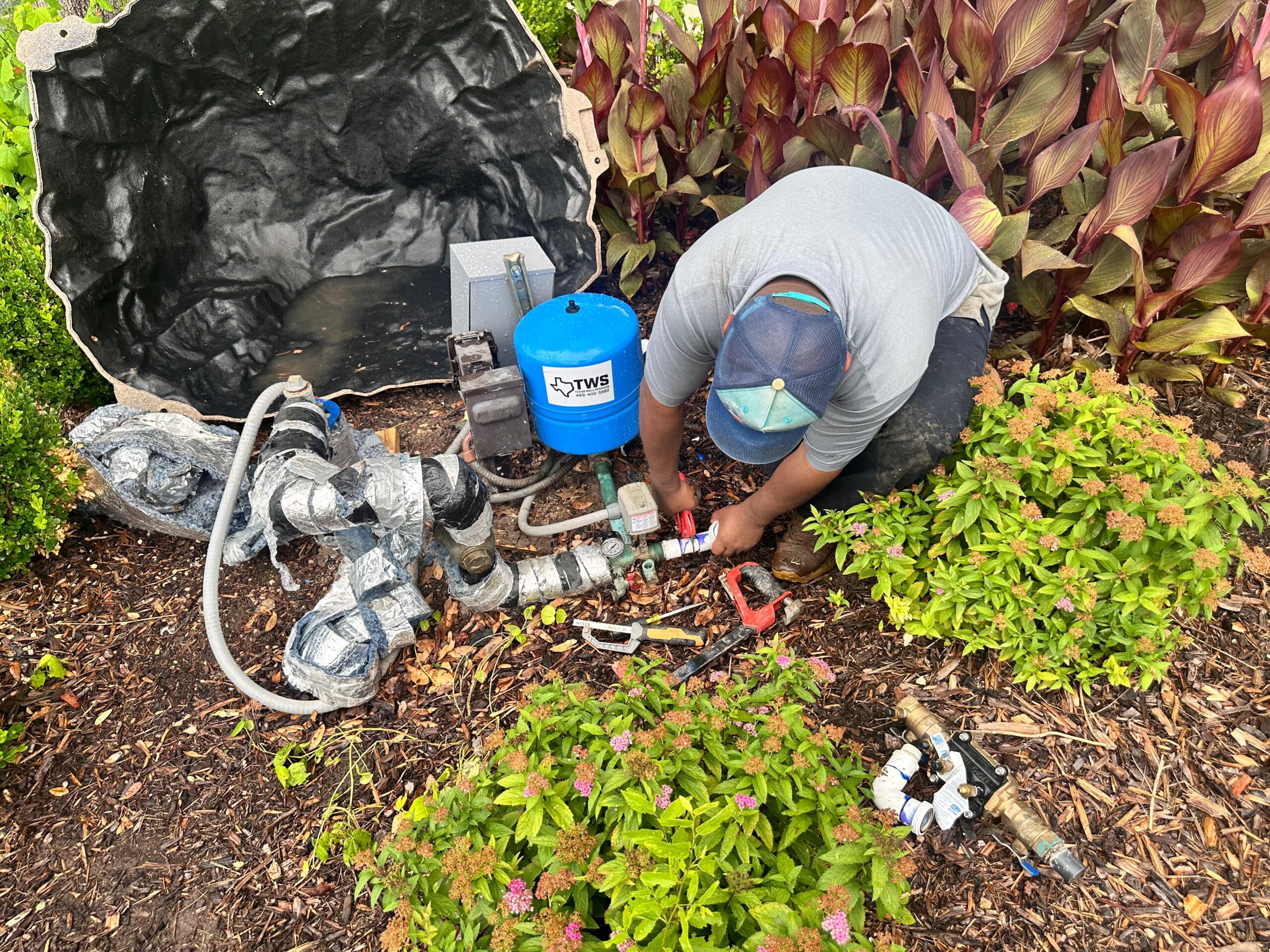
Backflow devices are critical for protecting drinking water from contamination. They are also the most fragile component of irrigation systems during freezing weather.
Proper protection includes:
- Turning off isolation valves
- Using insulated backflow covers
- Wrapping exposed brass parts
- Ensuring no residual water remains trapped in the valve
Homeowners can purchase insulating materials such as covers and wraps through trusted guides such as Home Depot.
3. Insulating Outdoor Faucets and Hose Bibs
Unprotected outdoor faucets are one of the leading causes of winter pipe bursts. Insulation is simple but extremely effective.
Common materials:
- Foam faucet covers
- Weather-resistant tape
- Thermal socks
- Pipe insulation sleeves
To identify high-quality faucet protection options, homeowners often consult Lowe’s.
4. Preparing Plumbing and Exposed Pipes
Any pipe exposed to outdoor temperatures is at risk. Areas requiring special attention include:
- Garages
- Crawlspaces
- Attics
- Exterior walls
- Pool equipment
Weatherproofing sealants and foam insulation products recommended by guides like Family Handyman help homeowners identify materials that offer long-term protection.
5. Winterizing Smart Irrigation Controllers
Modern irrigation controllers often feature freeze sensors, rain sensors, and weather-based automation. However, these systems still need proper preparation.
A complete controller winterization includes:
- Setting the controller to OFF or “rain mode”
- Backing up scheduling data
- Checking that sensors are working
- Protecting exposed wiring
- Running a diagnostic check before shutting down
This ensures that the system stays protected yet ready for immediate use once spring arrives.
Benefits of Winterization for Melissa Homeowners
A professional winterization provides several long-lasting advantages:
1. Prevents Costly Repairs
Repairing freeze damage is far more expensive than preventing it. A ruptured backflow preventer alone can cost hundreds, while underground pipe repairs may require digging and system replacement.
2. Extends System Lifespan
Regular winterization keeps irrigation systems operating efficiently for many years by reducing stress, preventing freeze-related wear, and ensuring each component remains protected, ultimately helping homeowners avoid premature replacements and costly long-term system damage.
3. Ensures Spring Readiness
When systems are properly winterized, they can be restarted smoothly without operational delays because every component has been protected from freeze damage, ensuring reliable performance, consistent water flow, and fewer spring maintenance or repair issues.
4. Reduces Water Waste
Freeze cracks cause leaks that often go unnoticed until high water bills arrive, but winterization prevents these hidden issues by protecting pipes and valves, ensuring irrigation systems operate efficiently without unnecessary water loss.
5. Protects Home Investment
Proper seasonal maintenance ensures plumbing, irrigation, and landscaping stay in top condition, helping homeowners avoid expensive repairs, preserve property value, and maintain the long-term health and appearance of outdoor spaces throughout winter and beyond.
When Should Melissa Homeowners Winterize?
Most experts recommend:
- Primary appointment: Late October to early November
- Final check: Before the first predicted freeze
- Emergency winterization: Anytime temperatures unexpectedly drop
Because Melissa’s weather can shift dramatically within hours, early preparation is the safest approach.
Common Winterization Mistakes to Avoid
Homeowners often unintentionally damage their systems by skipping vital steps. Here are the top issues to avoid:
- Using Incorrect Air Pressure
DIY air compressors can blow out sprinkler heads or rupture PVC lines if PSI levels are too high.
- Leaving Water in Backflow Preventers
Even a small amount of water can freeze and crack the brass housing.
- Forgetting Outdoor Hose Bibs
Uninsulated faucets are one of the main culprits behind interior pipe bursts.
- Not Shutting Off Automatic Timers
A system left running during freezing temperatures can damage valves and spray heads.
- Assuming Mild Winters Mean No Preparation
North Texas weather is unpredictable—one freeze is all it takes to cause damage.
Professional Winterization vs. DIY
DIY Winterization
Some tasks such as insulating faucets or wrapping exposed pipes can be done independently. Resources like Weather.gov help homeowners track freeze alerts. However, irrigation systems require advanced tools and technical expertise to avoid damage.
Professional Winterization
A trained irrigation technician ensures:
- Correct PSI for blowouts
- Full removal of water from all zones
- Backflow protection compliant with Texas regulations
- Diagnostic checks before shutdown
- Freeze-resistant preparation customized for Melissa’s climate
Professional winterization is recommended for homeowners who want long-term reliability, safety, and compliance.
How Winterization Protects Melissa Landscaping
Melissa’s landscapes—especially newly installed sod, shrubs, or ornamental plants—face stress during winter. While irrigation is turned off, protecting the system ensures proper watering resumes in spring.
Winterization supports plant health by:
- Preventing water pooling from broken pipes
- Avoiding pressure surges in spring startup
- Ensuring even water distribution when the system restarts
- Preventing soil erosion caused by leaks
Healthy landscapes depend on a functioning irrigation system, making winterization essential for long-term lawn and garden care.
Preparing for Spring After Winterization
Once temperatures stabilize, homeowners should:
- Schedule a spring system startup
- Inspect sprinkler heads
- Reprogram irrigation schedules
- Test sensors
- Check for pressure consistency
- Inspect drip lines and emitters
A smooth transition from winterization to spring activation ensures your system runs efficiently all year.
Conclusion
Winterization is one of the most important steps Melissa homeowners can take to protect their irrigation, plumbing, and landscaping systems from freeze damage. By preparing early and ensuring every component—from backflow preventers to exposed pipes—is properly insulated and drained, you prevent costly repairs and safeguard your property through unpredictable Texas winters.
For expert assistance, trusted support, and professional-quality winterization services, homeowners can rely on Whale Done Sprinklers & Irrigation. For service inquiries, you may reach them at +1 (469) 384-7767 or email clientsupport@callwhaledone.com.