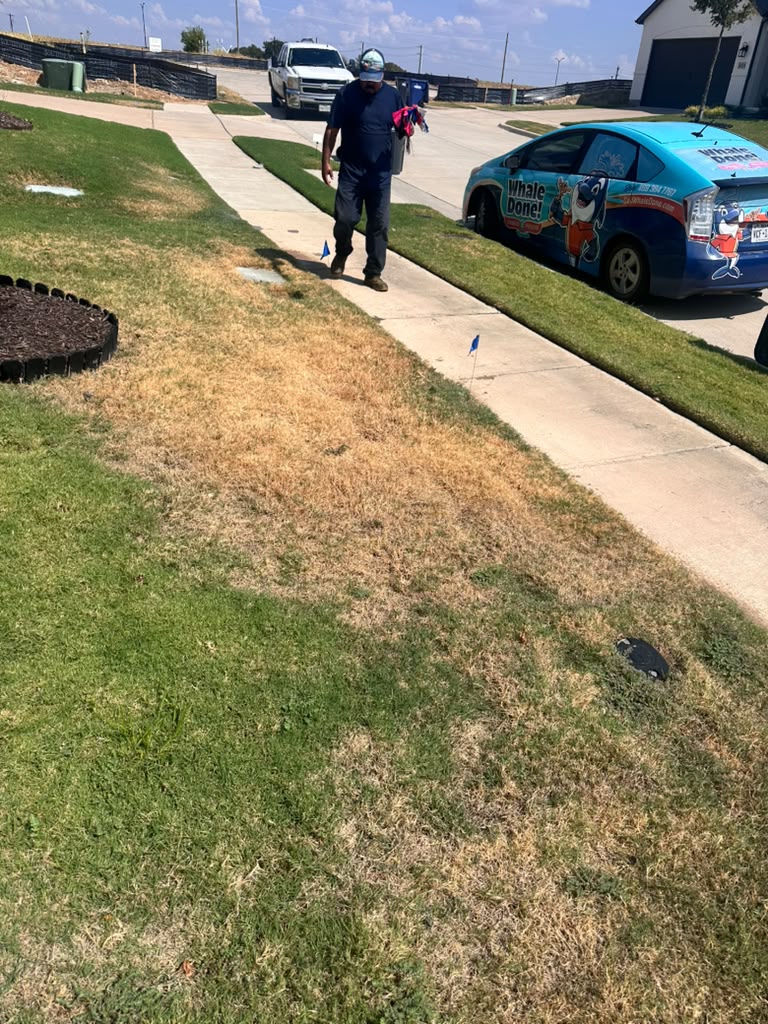
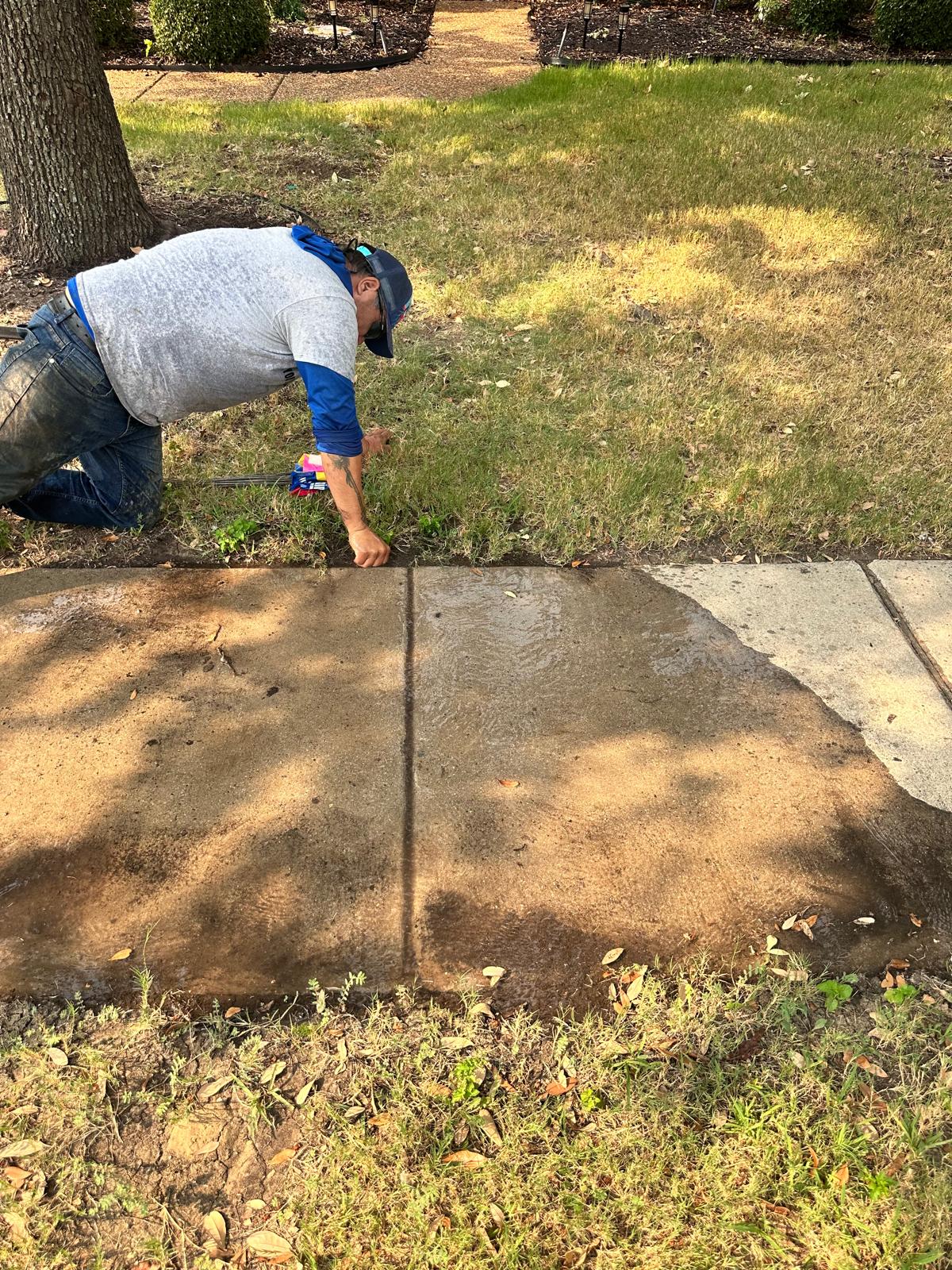
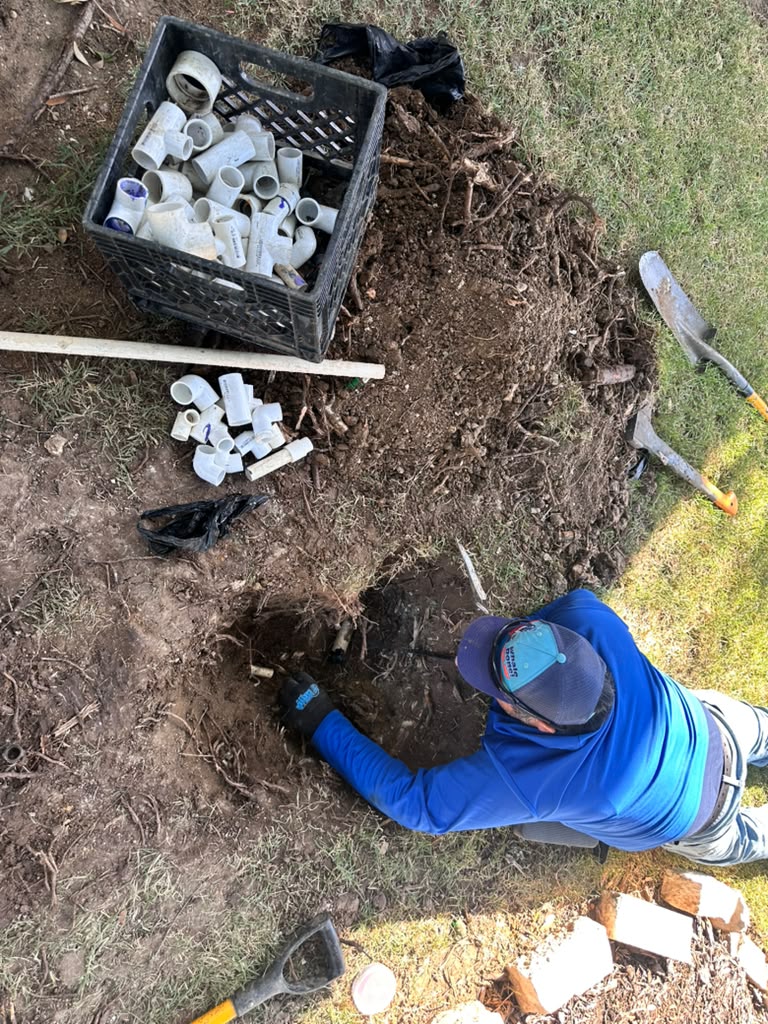
Imagine this: it’s a scorching summer day in Plano, TX. Your grass is parched, and you expect your lawn to be refreshed at the press of a button—but your irrigation system won’t activate. Whether it’s sprinkler controller not working, damaged wiring, or a malfunctioning valve, this issue plagues homeowners throughout Plano and neighboring communities like Frisco, McKinney, Allen, Prosper, and Fairview. The good news? A structured sprinkler troubleshooting approach can help you restore your irrigation system’s performance—whether you want to DIY or bring in the pros.
Why Won’t My Sprinklers Come On?
Before jumping into repairs, it’s critical to understand the common causes behind an irrigation system that won’t activate. These range from simple programming errors to more complex electrical or mechanical failures. By systematically checking each component, you can pinpoint and solve the issue efficiently.
1. Sprinkler Controller Diagnostics
The sprinkler controller is the control hub of your irrigation setup. If it’s not working correctly, the rest of the system becomes unresponsive.
Troubleshooting Steps:
- Verify Power: Make sure the controller has electricity—check the plug, breaker, or fuse.
- Inspect Programming: Confirm schedules are active, zones are enabled, and start times are set.
- Reset the Controller: Unplug it for ~30 seconds to clear glitches.
- Check for Error Codes: Look for fault codes—refer to your manual for troubleshooting insights.
- Manual Test Mode: Run each zone individually to see if they activate.
When to Call a Pro:
If your controller is outdated, consistently malfunctioning, or lacking weather-based smart features, upgrading to a modern smart controller may be worth it. A qualified technician can recommend, install, and configure the best model for your lawn.
2. Common Sprinkler Problems: Master Valve Failure
The master valve controls water supply to every zone. If it’s stuck shut or malfunctioning, the entire system won’t activate.
Troubleshooting Steps:
- Check Valve Wiring: Loose or corroded connections can prevent activation.
- Listen for Activation: When a zone is triggered, you should hear a click or hum—its absence may indicate a failed valve.
- Manual Valve Test: Safely open it to check for water flow.
- Inspect Solenoid: Dirt or corrosion can prevent engagement.
When to Call a Pro:
Master valves are precision components. If it’s failing, a professional can replace it properly with the correct pressure ratings and safety measures in place.
3. Damaged or Disconnected Wires
Underground wires relay signals from the controller to each valve. Plano’s shifting clay soil often disrupts these wires, causing system failure.
Troubleshooting Steps:
- Trace Wires with a Locator: Identify damage even if it’s below ground.
- Inspect Junction Boxes: Check for corrosion or moisture intrusion.
- Reconnect with Waterproof Connectors: Secure loose wires and prevent future issues.
- Multimeter Testing: Ensure continuity and proper voltage supply.
When to Call a Pro:
Electrical troubleshooting carries risks. If the wires are deeply buried, you can’t find the fault, or multiple zones are affected, a professional with the right tools is your best bet.
4. How to Fix Sprinkler Valves
Even if wiring and the controller work, a faulty zone valve can block water to part of your system.
Troubleshooting Steps:
- Clean and Inspect Solenoids: Remove debris or mineral buildup.
- Check Valve Diaphragms: Replace them if cracked or warped.
- Test Valve Manually: If it opens manually but not electrically, the solenoid or wiring may be at fault.
- Check Pressure Levels: Low pressure can make valves sluggish.
When to Call a Pro:
Zone valves often require special tools and parts. When full replacement or pressure adjustment is necessary, get help from a licensed technician for a long-lasting fix.
5. Sprinkler Troubleshooting for Clogged or Broken Heads
While clogged or broken sprinkler heads rarely prevent system activation entirely, they cause uneven coverage that mimics system failure.
Troubleshooting Steps:
- Clean Nozzles: Use fine tools to clear mineral buildup.
- Replace Damaged Heads: Match spray radius and pressure.
- Adjust Alignment: Ensure heads pop up and retract correctly, and check for spills.
When to Call a Pro:
If many heads are clogged or broken across zones, or you suspect low-pressure distribution issues, a professional can perform a comprehensive tune‑up.
Leaks May Be the Hidden Culprit
Leaks—whether in lateral lines or the main line—can sap pressure and prevent sprinklers from activating properly.
Lateral Line Leaks:
- Signs: One zone won’t activate, or you notice soggy spots and pooling water in the yard.
- DIY Fix: Turn off water, locate leak by wet soil, dig carefully, and replace pipe section with couplings and PVC cement.
Main Line Leaks:
- Signs: Pooling near the backflow assembly, total system failure, or vastly increased water bills.
- DIY Fix: Turn off water, inspect pipe near shutoff valve, replace exposed damaged section.
When to Call a Pro:
Deep or difficult-to-access leaks should be handled by professionals. They have cameras and pipe‑locating equipment for accurate repair that preserves your landscaping.

Preventing Future Sprinkler System Issues
Proactive maintenance is your best defense. Here’s how to preserve system longevity in Plano’s unique environment:
- Seasonal Inspections
Schedule spring and fall check‑ups to catch wear‑and‑tear early. - Smart Controller Upgrades
These adjust watering based on weather and send maintenance alerts. - Soil & Ground Monitoring
Watch for uneven or sunken areas that indicate buried issues. - Flush the System Quarterly
Clears debris, protects valves, and improves performance. - Pressure Regulation
Avoids damaging pipes and fittings with pressure spikes.
When to Call a Professional for Sprinkler Repairs
Certain issues demand expert attention:
- Complex wiring faults require professional testing equipment.
- Controller replacements or programming upgrades are best handled by certified technicians.
- Multiple system failures, such as simultaneous leaks and valve issues, may indicate wider system degradation.
- Recurring leaks or pressure issues are symptoms of deeper underlying problems.
Licensed pros like Whale Done Sprinklers & Irrigation in Plano can deliver safety, efficiency, and long-term reliability.
Why Choose Whale Done Sprinklers & Irrigation in Plano, TX?
We bring local expertise in troubleshooting irrigation systems that won’t activate or sprinkler controllers not working. Our technicians understand North Texas soil dynamics, heat stress, and seasonal water regulations.
Service Areas:
Don’t let a misbehaving irrigation system ruin your lawn. Whether your sprinkler controller isn’t working or your irrigation system won’t activate, use this guide for troubleshooting—or reach out to Whale Done Sprinklers & Irrigation. We’ll restore your peace of mind and ensure your lawn stays healthy all year round.
Frequently Asked Questions
1.What do I do if my irrigation system won’t activate?
Begin with sprinkler controller diagnostics—check power and programming. Then assess wiring and valve integrity.
2.Why won’t my sprinklers come on even though the controller is on?
Often due to wiring faults, malfunctioning zone or master valve, or programming missteps.
3.How do I run a sprinkler controller diagnostic test?
Many controllers feature a manual test mode. Follow the manufacturer’s guide or hire a technician to walk you through it.
4.Is there a way to prevent sprinkler controller problems?
Yes—investing in a smart controller, installing surge protection, and performing programmed maintenance can prevent malfunctions.
5.Can multiple clogged heads stop the entire sprinkler system from working?
While one clogged head won’t stop the system, several clogged or broken heads can reduce overall pressure enough to appear nonfunctional.