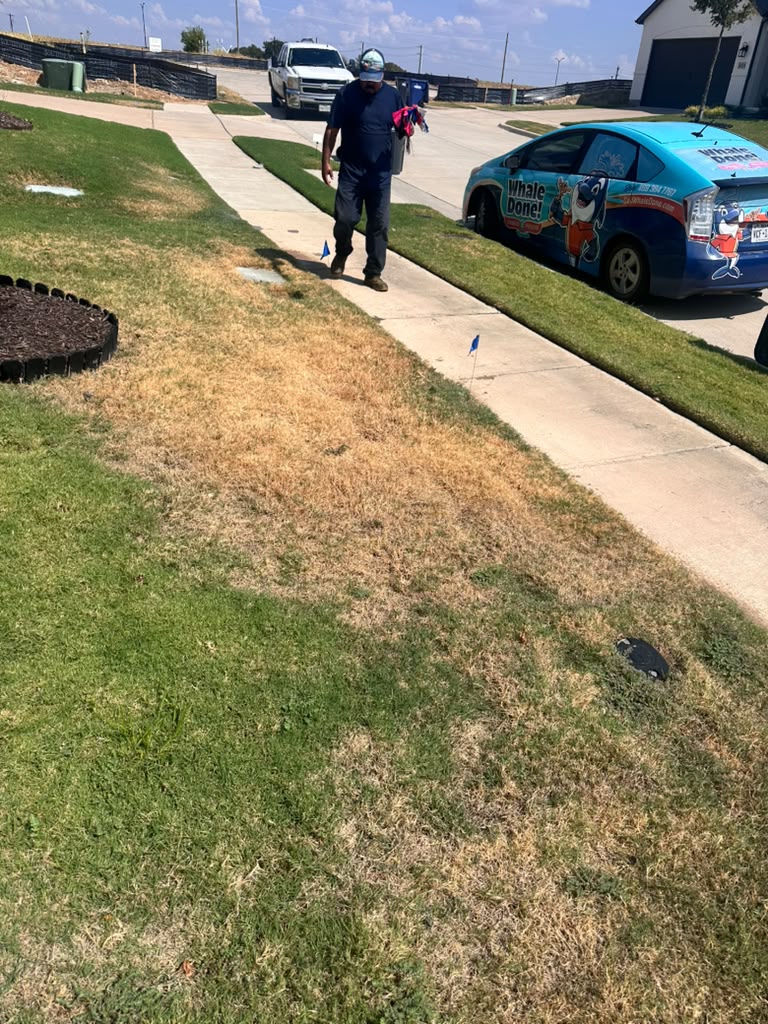
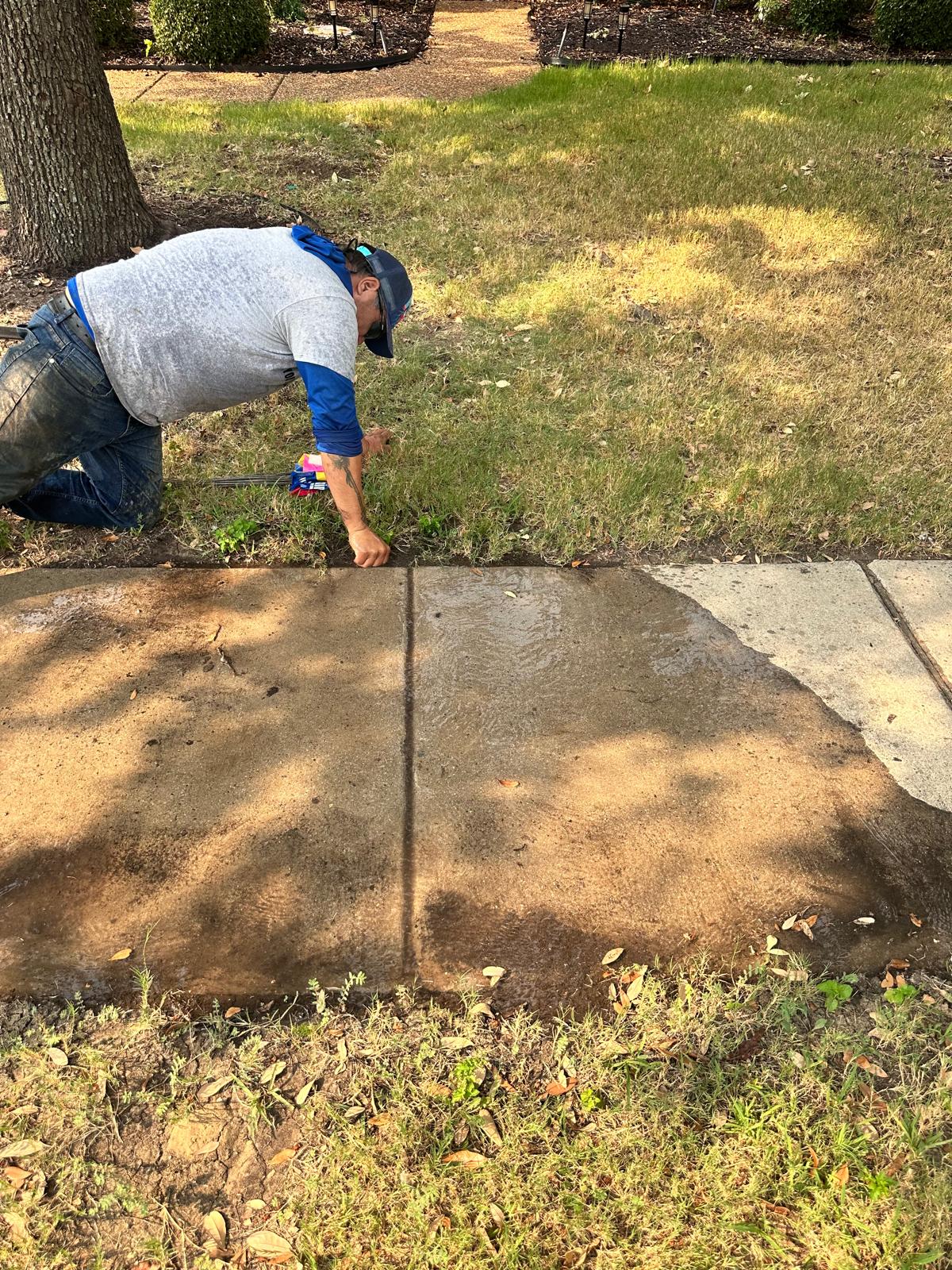
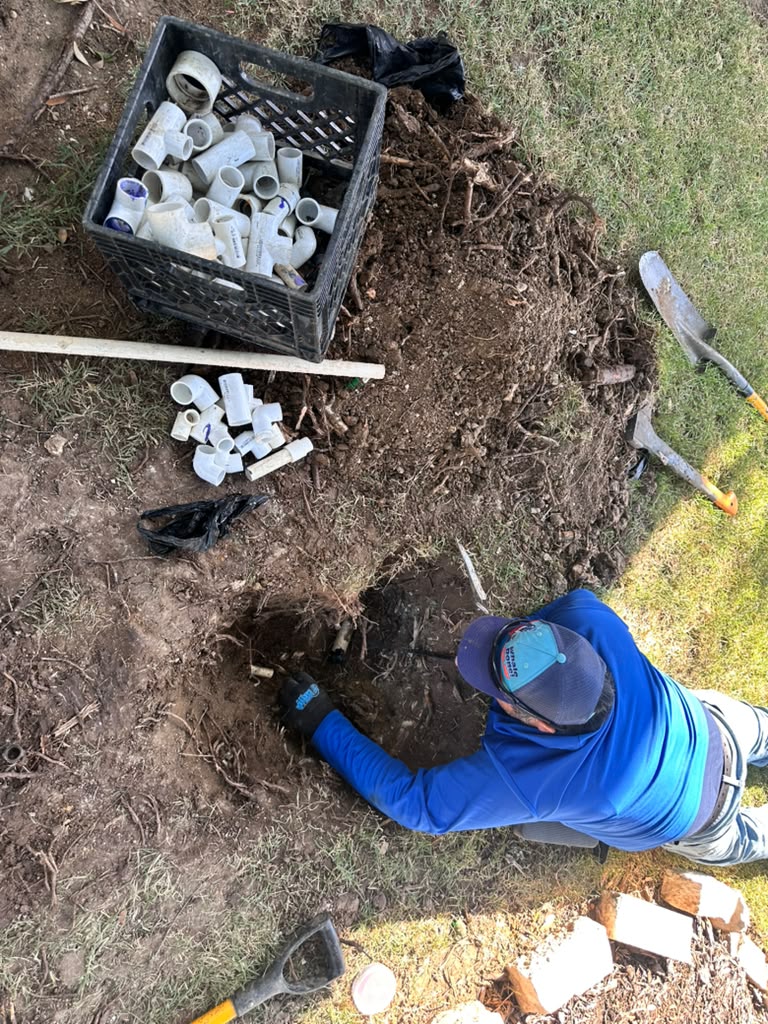
A sprinkler system check in Allen TX is one of the most effective ways to keep landscapes healthy while conserving water and preventing costly repairs. Allen’s climate brings hot summers, variable rainfall, and occasional freezes—all of which can stress irrigation systems if they aren’t routinely inspected. A thorough check ensures every component works together efficiently, delivering the right amount of water at the right time.
Homeowners and property managers often assume their systems are fine as long as the grass looks green. However, hidden issues—such as pressure imbalances, misaligned heads, or controller errors—can silently waste water and damage plants. Regular checks identify these problems early and keep landscapes thriving.
Understanding the Local Climate and Irrigation Needs
Allen, TX experiences long, warm growing seasons with periods of drought and sudden storms. These conditions require irrigation systems to be flexible and properly calibrated. Soil types vary across neighborhoods, affecting water absorption and runoff. A sprinkler system check accounts for these local factors to ensure watering schedules align with seasonal needs.
Additionally, North Texas municipalities encourage water-efficient practices. Resources from the EPA WaterSense program highlight how proper irrigation maintenance can reduce outdoor water use by up to 30 percent. A professional check helps homeowners align with these best practices.
What Is Included in a Sprinkler System Check?
A comprehensive sprinkler system check goes beyond a quick visual inspection. It involves a systematic evaluation of the entire irrigation network to ensure optimal performance.
1. Controller and Programming Review
The controller is the brain of the system. During a check, technicians verify settings, seasonal adjustments, and zone run times. Incorrect programming is one of the most common causes of overwatering.
2. Zone-by-Zone Operation Test
Each zone is activated to observe coverage, spray patterns, and pressure. This step reveals clogged nozzles, broken heads, or uneven distribution that can leave dry spots or puddles.
3. Sprinkler Head Alignment and Condition
Heads are adjusted to avoid watering sidewalks, driveways, or buildings. Damaged or sunken heads are identified to prevent water loss and turf damage.
4. Valve and Pressure Inspection
Valves are checked for leaks and proper operation. Pressure is measured to ensure it falls within recommended ranges, preventing misting or system strain.
5. Drip and Micro-Irrigation Assessment
For landscapes using drip lines, emitters are inspected for clogs and consistent flow. This is especially important for shrubs, gardens, and foundation beds.
Benefits of Routine Sprinkler System Checks
Water Conservation
Efficient irrigation systems are designed to deliver the right amount of water only where it is needed. This reduces unnecessary runoff and evaporation, supports community-wide water conservation efforts, and helps homeowners significantly lower their monthly utility bills over time.
Healthier Lawns and Plants
Consistent and evenly distributed watering allows grass, trees, and ornamental plants to develop deeper, stronger root systems. This reduces plant stress, improves overall landscape appearance, and increases resistance to heat, drought, and seasonal weather changes.
Cost Savings
Identifying minor issues early, such as worn sprinkler heads or small leaks, prevents them from developing into costly repairs. Proactive maintenance helps avoid expensive underground pipe damage and extends the overall lifespan of the irrigation system.
Compliance With Local Guidelines
Allen promotes responsible irrigation practices to protect local water resources. Staying informed and maintaining your system properly helps homeowners follow recommended watering schedules, avoid violations, and reduce the risk of fines or water usage restrictions.
Seasonal Timing: When to Schedule a Check
Spring Start-Up
After winter, systems should be inspected for freeze damage, cracked lines, or misaligned heads. Spring checks prepare landscapes for the growing season.
Mid-Summer Tune-Up
High temperatures can expose pressure problems and coverage gaps. A mid-season check ensures efficiency during peak water demand.
Fall Evaluation
Before cooler weather, systems are adjusted to reduce run times and prepare for winterization.
Signs Your System Needs Immediate Attention
- Sudden spikes in water bills
- Dry patches or overly soggy areas
- Sprinkler heads spraying unevenly or misting
- Zones failing to activate
- Water pooling near valves or backflow devices
If any of these signs appear, scheduling a professional check promptly can prevent further damage.
Smart Technology and Modern Irrigation
Modern irrigation systems are increasingly equipped with smart controllers, rain sensors, and soil moisture monitors designed to improve accuracy and efficiency. During a professional sprinkler system check, each of these components is carefully tested, calibrated, and synchronized to ensure they respond correctly to changing environmental conditions.
Smart controllers can automatically adjust watering schedules based on real-time weather data, rainfall levels, and seasonal changes, preventing overwatering and reducing waste. Rain sensors pause irrigation during wet conditions, while soil moisture monitors ensure plants receive water only when needed.
Educational resources from Texas A&M AgriLife Extension highlight how these advanced irrigation technologies support sustainable landscaping throughout Texas. When incorporated into routine system checks, these tools significantly enhance performance, improve plant health, and promote long-term water conservation.
Commercial vs. Residential Sprinkler System Checks
Residential Properties
Home irrigation systems typically focus on maintaining turf, gardens, and foundation beds. Routine checks prioritize water efficiency, visual appeal, and homeowner convenience by ensuring even coverage, proper scheduling, and early detection of leaks or misaligned sprinkler heads.
Commercial Properties
Commercial landscapes involve larger areas that require precise zone balancing, accurate pressure regulation, and compliance with stricter water-use standards. Regular sprinkler system checks help preserve curb appeal, reduce water waste, and ensure consistent performance across all landscape zones.
Industry guidelines from the Irrigation Association emphasize the importance of professional inspections for both residential and commercial systems.
Why Professional Checks Outperform DIY Inspections
While homeowners can perform basic visual observations, professional sprinkler system checks deliver far more detailed and reliable insights. Trained technicians use specialized tools to accurately measure water pressure, identify hidden leaks, test valve performance, and fine-tune sprinkler coverage for uniform distribution.
Their expertise allows them to detect problems that are not visible at the surface, such as underground line leaks, electrical issues, or controller programming errors. Professionals also understand local watering regulations, seasonal climate patterns, and soil conditions specific to Allen, TX, ensuring the system operates efficiently year-round.
DIY inspections often overlook these technical factors, leading to wasted water and higher utility bills over time. A professional evaluation ensures precise adjustments, improved system longevity, and long-term cost savings.
How Often Should You Schedule a Sprinkler System Check?
For most properties in Allen, TX, scheduling two sprinkler system checks per year—once in spring and again in mid-summer—is considered ideal for maintaining reliable performance. A spring inspection helps identify winter-related damage, adjust controller settings, and prepare the system for the growing season.
A midsummer check ensures the system can handle peak heat and water demand while correcting coverage or pressure issues. Properties with complex irrigation layouts, expansive landscapes, or higher-than-average water usage may benefit from quarterly evaluations to maintain optimal efficiency.
Regular, consistent inspections allow small issues to be addressed early, reducing water waste, extending system lifespan, and preventing unexpected failures that could lead to costly repairs.
Preparing for Your Sprinkler System Check
Before a scheduled check:
- Clear access to controllers and valves
- Note any areas with visible issues
- Be ready to discuss watering concerns or goals
This preparation helps technicians focus on problem areas and deliver tailored recommendations.
Conclusion
A routine sprinkler system check in Allen TX is an essential investment in landscape health, water efficiency, and long-term savings. By ensuring every component functions correctly, property owners protect their lawns while supporting responsible water use.
For professional service, contact sprinkler system check in Allen TX by Whale Done Sprinklers & Irrigation.
Phone: +1 (469) 384-7767
Email: clientsupport@callwhaledone.com
Scheduling regular checks helps maintain beautiful landscapes and dependable irrigation throughout every season in Allen, TX.