Irrigation system leaks in Melissa TX can quietly waste water, damage landscapes, and increase utility bills if left unnoticed. Homeowners in growing communities like Melissa often rely heavily on irrigation systems to maintain healthy lawns, gardens, and commercial landscapes, making leak prevention and repair an essential part of property maintenance.
This guide explores everything you need to know about irrigation system leaks in Melissa TX, including how to identify them early, what causes them, how to fix them, and how to prevent future issues using modern water-saving practices.
Why Irrigation System Leaks Are a Serious Issue
Irrigation systems are designed to deliver controlled amounts of water efficiently. When leaks occur, that balance is disrupted. Even a small leak can lead to significant water waste over time, especially during peak watering seasons in Texas.
According to the U.S. Environmental Protection Agency WaterSense program, outdoor water use accounts for nearly 30% of residential water consumption in the United States, and much of that is lost due to inefficient irrigation systems.
In Melissa, where hot summers increase watering needs, a leaking irrigation system can quickly turn into a costly problem.
Common Causes of Irrigation System Leaks in Melissa TX
Understanding the root causes of irrigation system leaks in Melissa TX is the first step toward preventing them.
1. Damaged Sprinkler Heads
Sprinkler heads are among the most exposed components of an irrigation system and can easily become damaged by lawn mowers, landscaping equipment, foot traffic, or harsh weather conditions. When a sprinkler head cracks, breaks, or becomes misaligned, it can cause uneven watering, water waste, reduced system efficiency, and continuous leakage.
2. Pipe Cracks and Underground Damage
Underground irrigation pipes can develop cracks due to shifting soil, invasive tree roots, ground settling, or occasional freezing temperatures. Because these leaks are hidden below the surface, they can be difficult to detect. Left unresolved, underground pipe damage may result in substantial water loss, soil erosion, and costly repairs.
3. Loose Fittings and Connections
The fittings and connections that link irrigation pipes, valves, and sprinkler components can gradually loosen over time due to system vibration, pressure fluctuations, and normal wear. Even a small gap can allow water to escape, reducing irrigation efficiency, increasing water bills, and creating hidden leaks underground.
4. High Water Pressure
Excessive water pressure places unnecessary stress on irrigation pipes, valves, sprinkler heads, and fittings. Over time, this constant strain can weaken connections, cause components to crack, and increase the likelihood of leaks. Proper pressure regulation helps protect the system, improve efficiency, and extend equipment lifespan.
5. Aging Irrigation Systems
As irrigation systems age, their components naturally experience wear and deterioration. Rubber seals may dry out and crack, plastic parts can become brittle, and overall performance may decline. These age-related issues increase the risk of leaks, water waste, and unexpected repairs, making regular maintenance increasingly important.
Warning Signs You Should Never Ignore
Detecting irrigation system leaks in Melissa TX early can save homeowners significant repair costs.
Look out for these common signs:
- Patches of unusually green or soggy grass
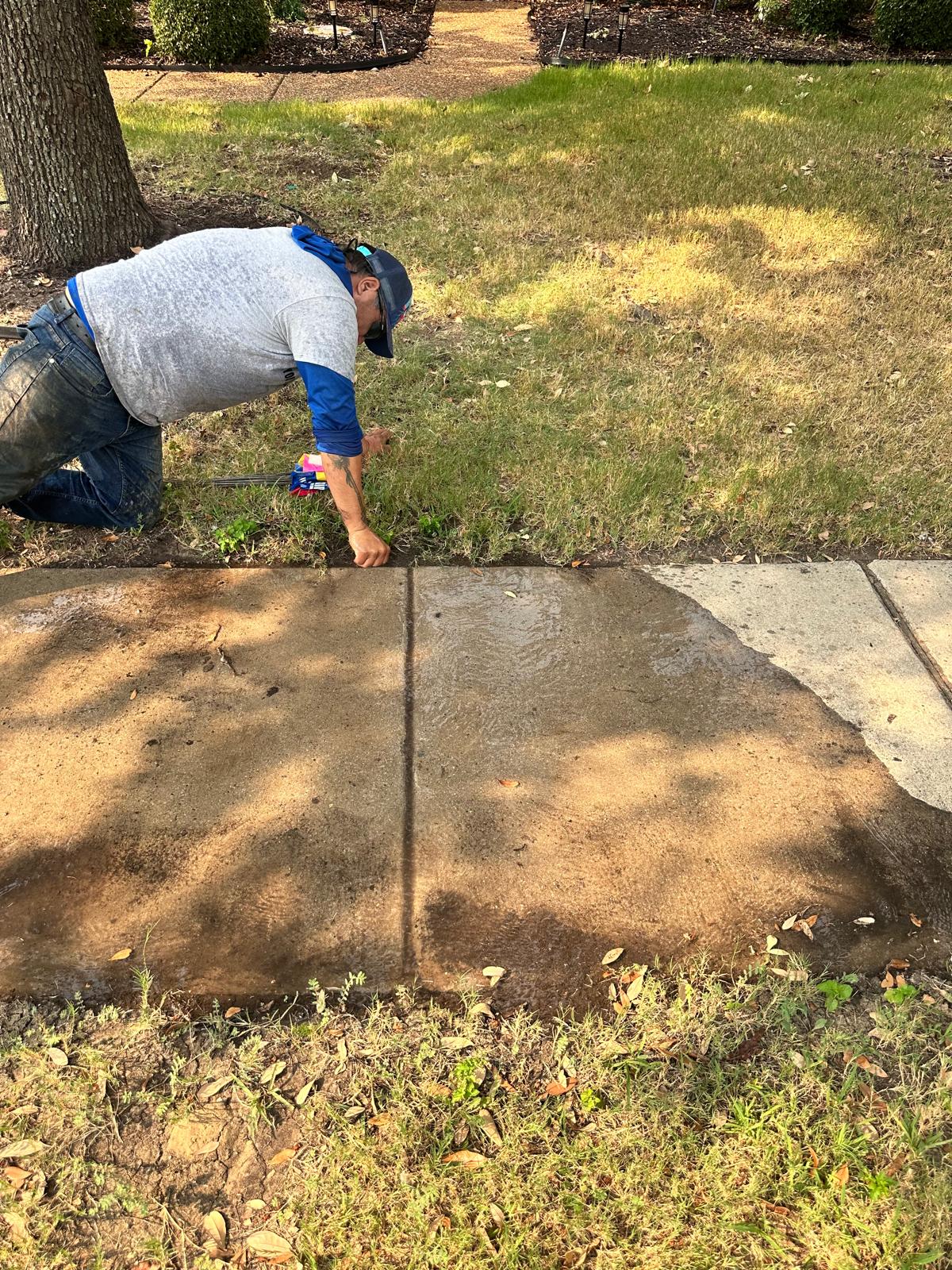
- Pooling water around sprinkler heads
- Weak or uneven sprinkler spray patterns
- Sudden spikes in water bills
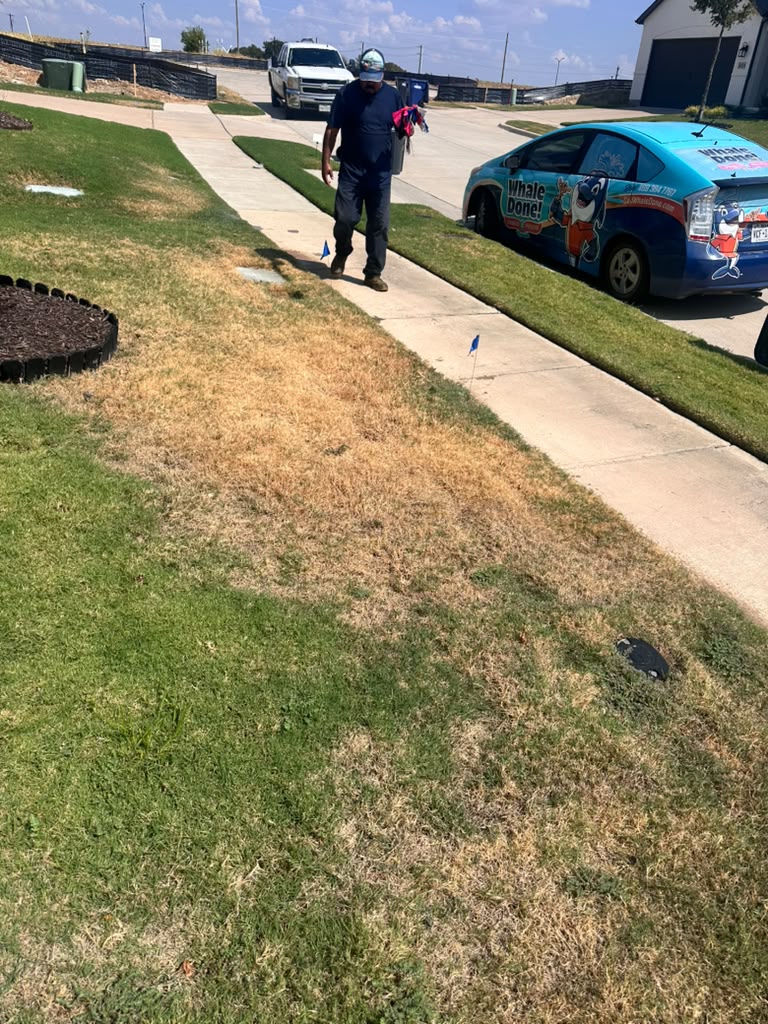
- Areas of dry lawn despite regular watering
If you notice any of these issues, your irrigation system likely needs immediate inspection.
How Irrigation System Leaks Are Diagnosed
Professional irrigation technicians typically follow a structured process to identify leaks accurately.
Visual Inspection
Technicians begin by performing a thorough visual inspection of the irrigation system, carefully examining sprinkler heads, valves, fittings, and any exposed piping. They look for signs of damage, misalignment, pooling water, unusual spray patterns, or irregular water flow that may indicate leaks or other system performance issues.
Pressure Testing
Pressure testing is used to evaluate the overall condition and efficiency of the irrigation system. Technicians measure water pressure throughout different sections to identify unusual drops that may signal hidden leaks, damaged pipes, faulty valves, or other issues that could negatively affect system performance and water distribution.
Zone Testing
During zone testing, each irrigation zone is activated individually so technicians can closely observe its operation. This process helps isolate specific problem areas, identify malfunctioning sprinkler heads, detect hidden leaks, evaluate water coverage, and determine which section of the system requires repair or adjustment.
Soil Moisture Evaluation
Soil moisture evaluation involves checking the landscape for excessively wet, saturated, or consistently damp areas that may indicate an underground leak. By assessing moisture levels around the property, technicians can identify hidden irrigation problems, prevent water waste, and protect landscaping from potential damage.
For best practices in irrigation diagnostics, industry professionals often refer to resources from the Irrigation Association, which provides standards and training for efficient irrigation system management.
DIY Fixes vs Professional Repair
Some minor irrigation issues can be addressed by homeowners, but many leaks require professional intervention.
When DIY May Work
- Replacing a broken sprinkler head
- Tightening loose fittings
- Cleaning clogged nozzles
When to Call a Professional
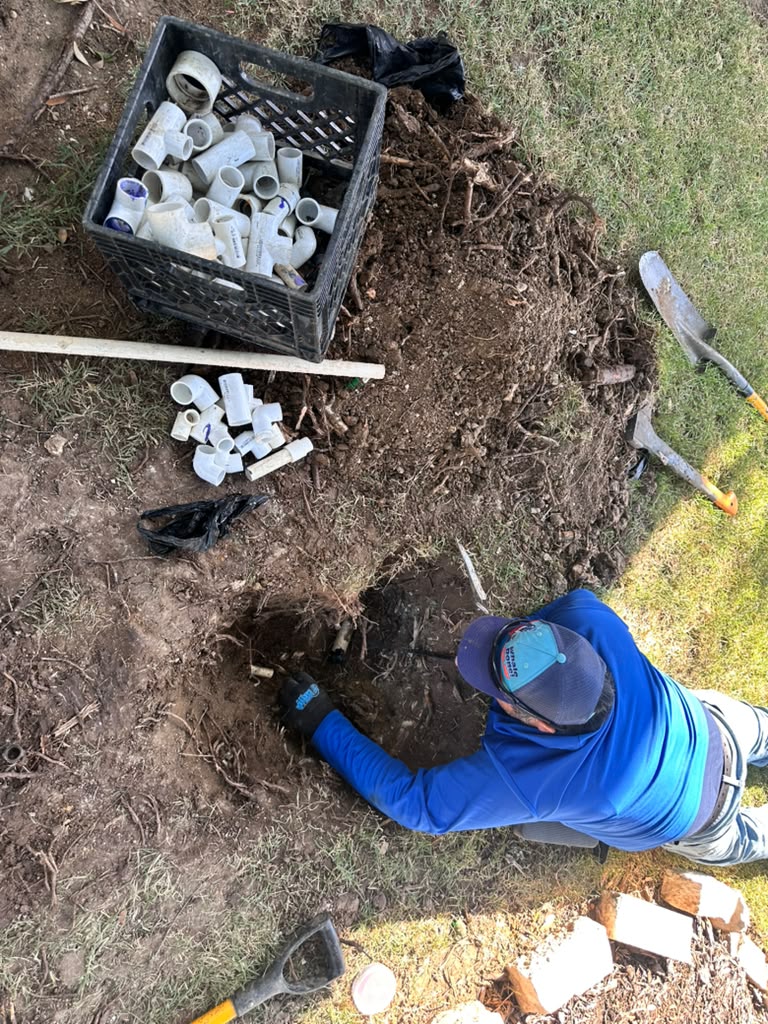
- Underground pipe leaks
- Persistent pressure issues
- Multiple failing zones
- Repeated system breakdowns
While DIY fixes may seem cost-effective, improper repairs can worsen irrigation system leaks in Melissa TX and lead to higher long-term expenses.
The Role of Smart Irrigation Technology
Modern irrigation systems are evolving rapidly, and smart technology is playing a major role in reducing water waste.
Smart controllers automatically adjust watering schedules based on weather conditions, soil moisture, and seasonal changes. This reduces overwatering and helps detect irregularities early.
Research from the Texas A&M AgriLife Extension highlights how smart irrigation practices significantly improve water conservation in Texas landscapes.
Upgrading older systems with smart controllers is one of the most effective ways to reduce irrigation system leaks in Melissa TX over time.
Preventive Maintenance Tips
Preventing leaks is always better than repairing them. Regular maintenance helps extend the lifespan of your irrigation system.
Schedule Seasonal Inspections
Inspecting your irrigation system at least twice a year—before the summer season and after winter—helps identify leaks, worn components, clogged sprinkler heads, and other issues early. Regular inspections improve system efficiency, reduce water waste, extend equipment lifespan, and help prevent costly repairs caused by unnoticed damage.
Adjust Water Pressure
Maintaining proper water pressure is essential for the long-term health of your irrigation system. Excessive pressure can damage pipes, valves, fittings, and sprinkler heads, while low pressure can reduce performance. Regular monitoring and adjustments help prevent leaks, improve efficiency, and support consistent water distribution.
Clean Sprinkler Heads
Sprinkler heads can collect dirt, grass clippings, mineral deposits, and other debris over time, reducing water flow and coverage. Cleaning them regularly helps maintain efficient operation, promotes even watering across the landscape, prevents blockages, and reduces the risk of damage to irrigation components.
Monitor Water Usage
Keeping track of your water consumption can help identify hidden irrigation leaks before they become serious problems. Sudden or unexplained increases in water bills often signal system issues. Monitoring usage regularly allows property owners to address concerns quickly and avoid unnecessary water waste.
Winterize the System
Although Texas winters are generally mild, occasional freezing temperatures can still damage irrigation pipes, valves, and sprinkler heads. Proper winterization helps protect vulnerable components from cracking or bursting, reduces the likelihood of costly repairs, and ensures the system is ready for operation when warmer weather returns.
Environmental and Financial Impact of Leaks
Irrigation leaks not only affect homeowners financially but also have environmental consequences.
Water waste from leaks contributes to unnecessary strain on local water supplies. Studies from the U.S. Geological Survey Water Resources show that efficient water management is critical for long-term sustainability, especially in rapidly growing regions.
Fixing irrigation system leaks in Melissa TX helps conserve water, reduce bills, and maintain healthier landscapes.
Long-Term Solutions for Leak-Free Irrigation Systems
To maintain a reliable irrigation system, homeowners should consider long-term improvements:
- Upgrade to drip irrigation systems for targeted watering
- Install smart leak detection sensors
- Replace outdated piping materials
- Use professional irrigation audits annually
These improvements not only reduce leaks but also improve overall water efficiency.
Choosing the Right Irrigation Repair Approach
Selecting the right repair strategy for an irrigation system depends on several important factors, including the age of the system, the severity of the damage, the type of components affected, and the overall size of the property. A thorough inspection helps determine whether a simple repair or a more extensive solution is needed. For minor issues, such as a damaged sprinkler head, loose fitting, or small pipe crack, localized repairs may be sufficient to restore proper performance.
However, older systems with recurring leaks, outdated components, or widespread damage may benefit from partial or complete system upgrades. In many cases, investing in modern equipment can improve efficiency and reduce future maintenance costs. Working with experienced irrigation professionals ensures that irrigation system leaks in Melissa TX are accurately diagnosed and resolved with long-lasting solutions.
Final Thoughts
Irrigation system maintenance is an essential part of responsible homeownership in Melissa. By staying aware of warning signs, investing in regular inspections, and adopting modern irrigation practices, homeowners can significantly reduce water waste and prevent costly repairs.
Conclusion:
Managing irrigation system leaks in Melissa TX requires timely action and proper maintenance to protect both your landscape and water usage efficiency. For professional assistance, contact Whale Done Sprinklers & Irrigation, Phone: +1(469) 384-7767, Email: clientsupport@callwhaledone.com, as they specialize in diagnosing and repairing irrigation system leaks in Melissa TX with reliable, long-term solutions.