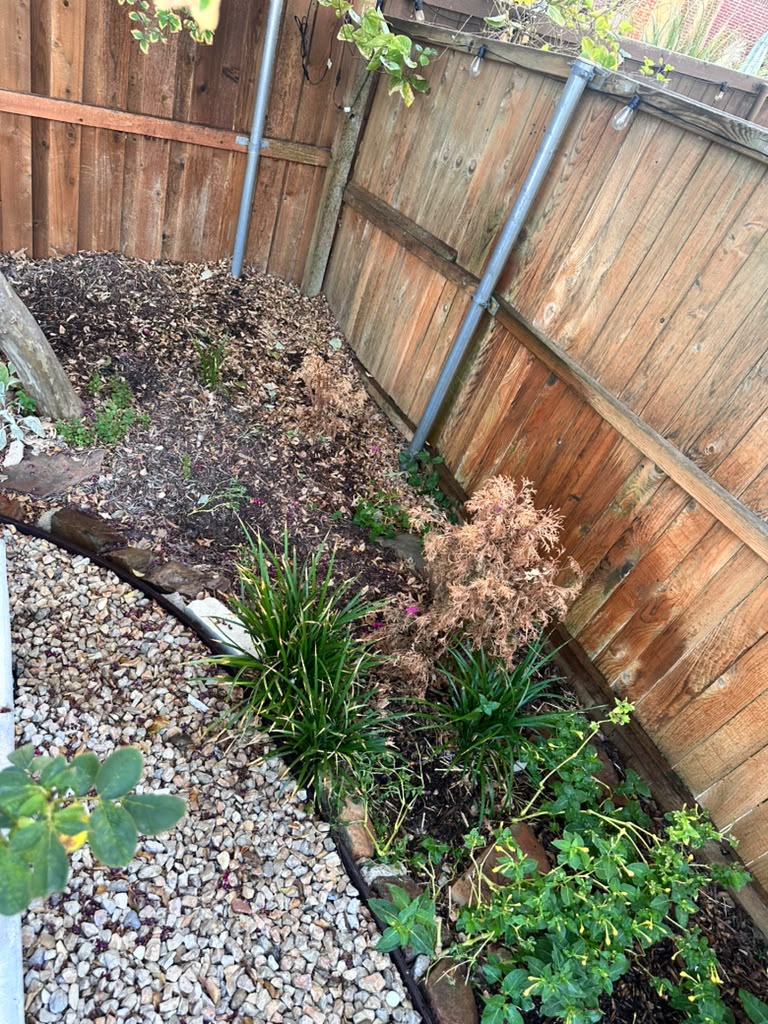
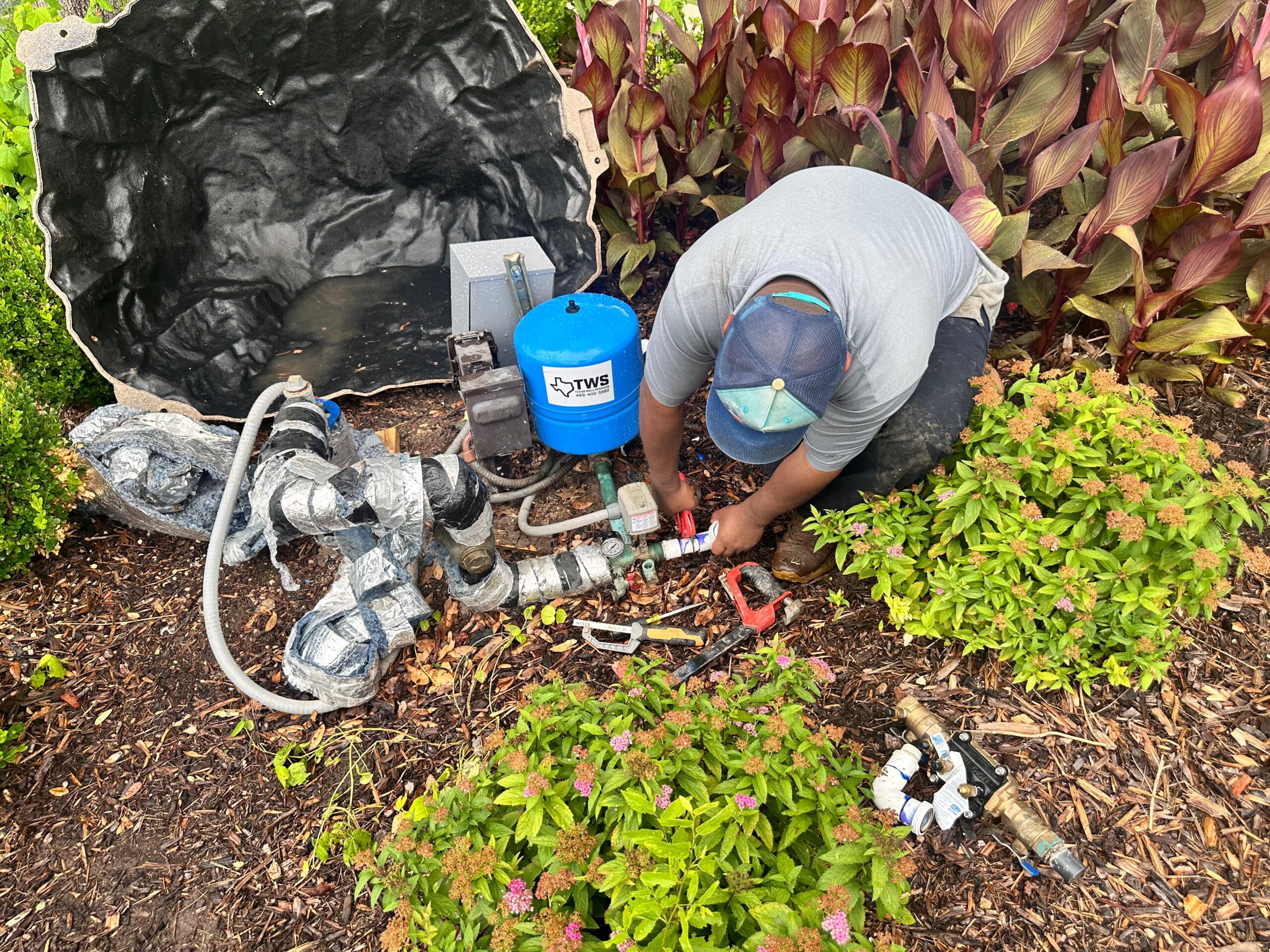
A fall irrigation system inspection in Little Elm TX should document four things before winter shutdown: a current zone map, any recurring symptoms a zone or head has shown over the season, a record of recent repairs, and photos of problem areas as they exist right now. Without this record, there’s no reliable way to tell an existing issue apart from new damage caused by freezing temperatures once the system is turned back on in spring.
At A Glance
- Difficulty: Easy (mostly observation and record-keeping, no special tools required)
- Estimated Time: 20–40 minutes to walk the system and document findings
- Tools Needed: Phone camera, notepad or simple spreadsheet, controller access
- Works For: Any in-ground system being shut down for winter, regardless of age
- May Not Solve: Disputes over damage that occurred before any documentation was created
Why Documentation Matters Before Winter Shutdown
Once a system is winterized, it sits untouched for months. When it’s turned back on in spring, anything wrong with it looks the same whether the problem existed in October or happened because of a hard freeze in January. Without a record from before shutdown, there’s no way to separate the two, which matters for anyone deciding whether a spring repair is a continuation of an old issue or genuinely new freeze damage.
This distinction isn’t just academic. It affects how a repair gets prioritized, whether it’s covered under a warranty or service agreement, and whether the fix addresses a root cause or just the most recent symptom. A homeowner who documents a known weak zone in the fall walks into spring with a clear baseline. One who doesn’t is left guessing whether a problem is old or new, often after the ground has already been disturbed by frozen and thawed soil.
What To Document Before Winter Shutdown
1. A Current Zone Map
Sketch or photograph a simple layout of which zone covers which part of the yard, including head locations where known. This doesn’t need to be professional-grade; a rough diagram is enough to confirm later that “zone 3” still means the same area of the yard it meant in fall, especially useful if landscaping changes or a different technician handles spring start-up.
2. Recurring Symptoms
Note any zone or head that showed a repeated issue over the season: a head that always sprayed weak, a zone that ran longer than programmed, or an area that stayed wetter than the rest of the yard. A single odd watering cycle isn’t worth recording, but a pattern that showed up more than once is exactly the kind of detail that gets forgotten by spring.
3. Recent Repairs
List any repair work done in the past season, including what was replaced or adjusted and roughly when. This creates a simple history that makes it easy to tell whether a spring problem is a brand-new issue or a recurrence of something already addressed once.
4. Photos Of Problem Areas
Take photos of any visible issues as they exist before shutdown: a cracked head, a soggy patch, exposed wiring, or a valve box in poor condition. Photos with a timestamp are the clearest way to prove a problem’s condition before winter, since a verbal description is much easier to dispute or misremember months later.
Common Mistakes Homeowners Make
- Relying on memory instead of writing anything down. By spring, it’s easy to forget which zone had the issue, how severe it was, or roughly how long ago the symptom first started showing up.
- Only documenting the most dramatic problem. Minor recurring symptoms often matter just as much, since they can quietly indicate a developing issue long before it turns into an obvious failure.
- Skipping photos because the issue seems minor. A small crack or a slightly soft spot of ground can get significantly worse after a freeze-thaw cycle, especially once winter sets in fully.
- Not noting dates. A repair or symptom recorded without a rough timeframe is much less useful for comparison later, making it harder to tell old issues from new ones.
- Treating documentation as optional busywork. It’s the only thing that makes an accurate spring comparison possible at all, turning vague memories into a reliable, checkable record.
Local Considerations For Little Elm TX
A few things about Little Elm make fall documentation particularly useful:
- Rapid new construction throughout communities like Paloma Creek, Sunset Pointe, and Union Park means many systems are only a season or two old, so an early baseline record is especially valuable for catching installation issues before they’re mistaken for freeze damage.
- Clay-heavy soil, common across Denton County, can shift with freeze-thaw cycles, which sometimes affects buried lines and valve boxes in ways that are easy to misattribute without a prior record.
- Proximity to Lewisville Lake means some properties deal with higher groundwater and soil moisture, which can make a pre-existing slow leak harder to distinguish from normal fall dampness without photo documentation.
- A mix of established and newly developed neighborhoods means system age and documentation needs vary significantly from one street to the next.
General freeze-protection guidance is available through EPA WaterSense, and homeowners can check current local requirements through the Town of Little Elm’s public works resources.
How Documentation Separates Existing Problems From Winter Damage
At spring start-up, the comparison is straightforward if fall records exist: run each zone, check it against the zone map and recurring-symptom notes, and compare current photos to the fall ones. A zone that behaves exactly as it did before shutdown likely has the same issue, not a new one. A zone that looks noticeably different, especially around a pipe, valve box, or backflow preventer, is a stronger candidate for genuine freeze damage.
This comparison is far less reliable without documentation. A homeowner working from memory alone is left trying to recall details from months earlier, usually after the stress of a long winter has already made those details fuzzy.
Related Problems Documentation Can Help Identify
- A zone that was already underperforming before winter, now worse after a freeze
- A valve box that was in poor condition in fall and failed outright over winter
- A head replaced once in fall that’s showing the same symptom again in spring
- Wiring that was already showing wear and corroded further during the cold months
Frequently Asked Questions
- Do I need professional equipment to document my system before winter?
No. A phone camera, a simple notepad, and a few minutes walking the property are enough for most homes. - How detailed does the zone map need to be?
A rough sketch showing which zone covers which area is sufficient; it doesn’t need professional measurements. - Should I document a system that had no problems all season?
Yes. Even a clean baseline is useful, since it makes any new spring issue easier to identify as new. - Can a sprinkler company help with this documentation?
Yes. A technician can create a more detailed record during a fall inspection visit, which can be especially useful for newer homeowners unfamiliar with their system’s history. - Is this different from the inspection itself?
The inspection identifies the problems; documentation is the record of what was found, which is what makes a future comparison possible.
Bottom Line
Documenting a zone map, recurring symptoms, recent repairs, and photos before winter shutdown turns spring start-up from a guessing game into a straightforward comparison. It’s the difference between knowing a problem is old and wondering whether it’s new, which matters for prioritizing repairs and understanding what the winter actually did to the system.
Without this record, every spring issue looks equally uncertain, and homeowners are left relying on memory to decide what needs attention first. With it, the comparison becomes simple: run each zone, check it against the fall notes and photos, and see what’s changed. That clarity saves time, avoids unnecessary repairs on issues that were never actually caused by the freeze, and makes sure genuine winter damage doesn’t get mistaken for something that was already there before the system shut down.
When Professional Help May Be Beneficial
A technician who performs the fall inspection can create a more thorough and consistent record than most homeowners would on their own, particularly for systems with a complicated zone layout or a history of recurring issues. This is especially useful for homeowners who’ve only recently moved in, since there may be no existing history to draw on at all.
A professional eye also tends to catch details an untrained walk-through might miss, like early valve wear or a wiring issue that hasn’t caused a visible symptom yet. Having that baseline documented by someone familiar with irrigation systems makes the spring comparison more reliable, and gives homeowners a clearer starting point for any decisions about repairs once the system comes back online.
Related Resources
- Sprinkler System Inspections
- Seasonal Sprinkler Maintenance
- Sprinkler Leak Detection
- Little Elm, TX Sprinkler & Irrigation Services
Conclusion & Next Step
A fall irrigation system inspection in Little Elm TX is only half as useful without a documented baseline to compare against later. Recording the zone map, recurring symptoms, recent repairs, and photos before shutdown gives homeowners a clear reference point, making it far easier to tell existing problems apart from genuine winter damage once the system comes back online. A licensed sprinkler company can handle both the inspection and the documentation in a single visit.