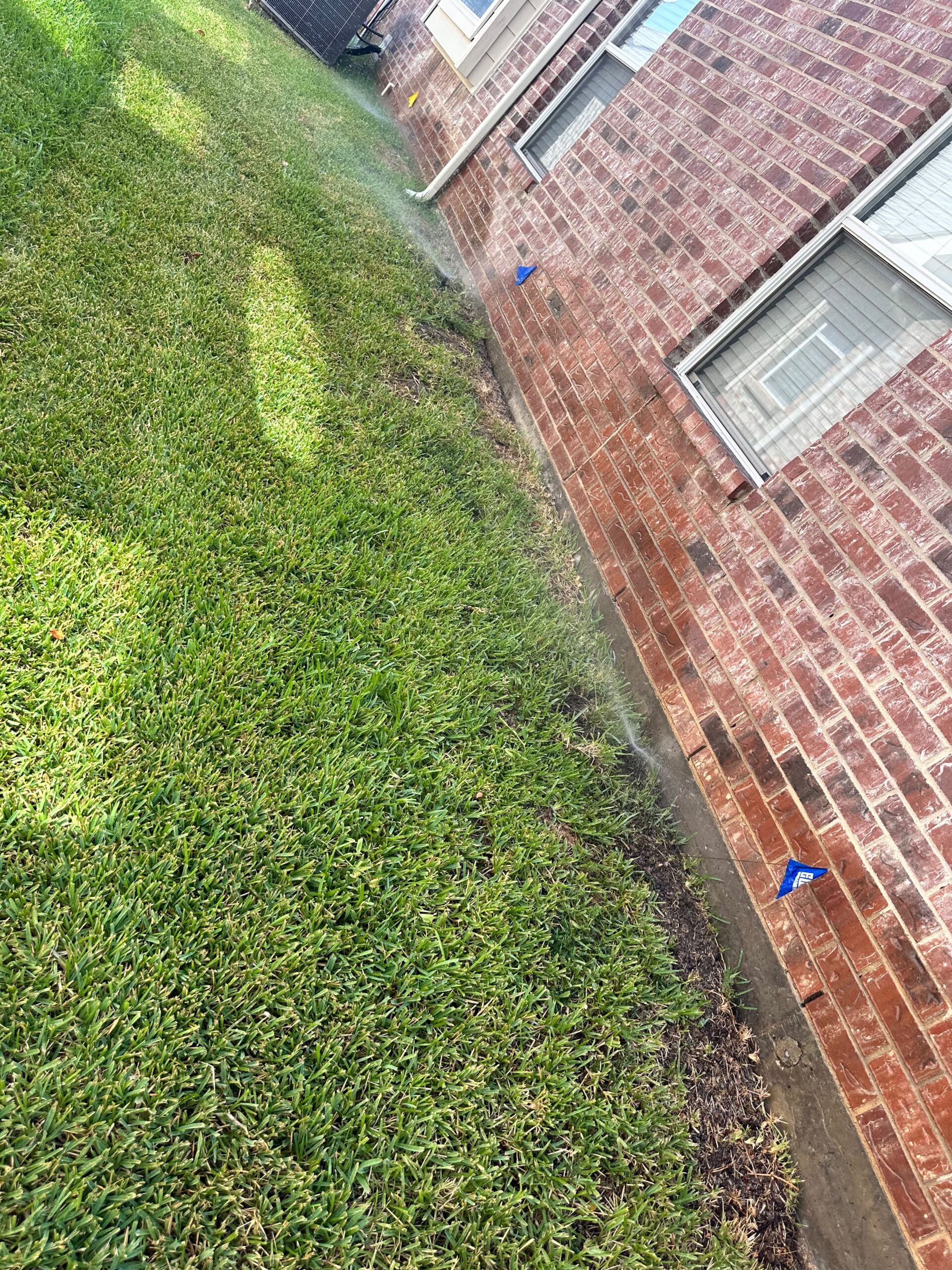
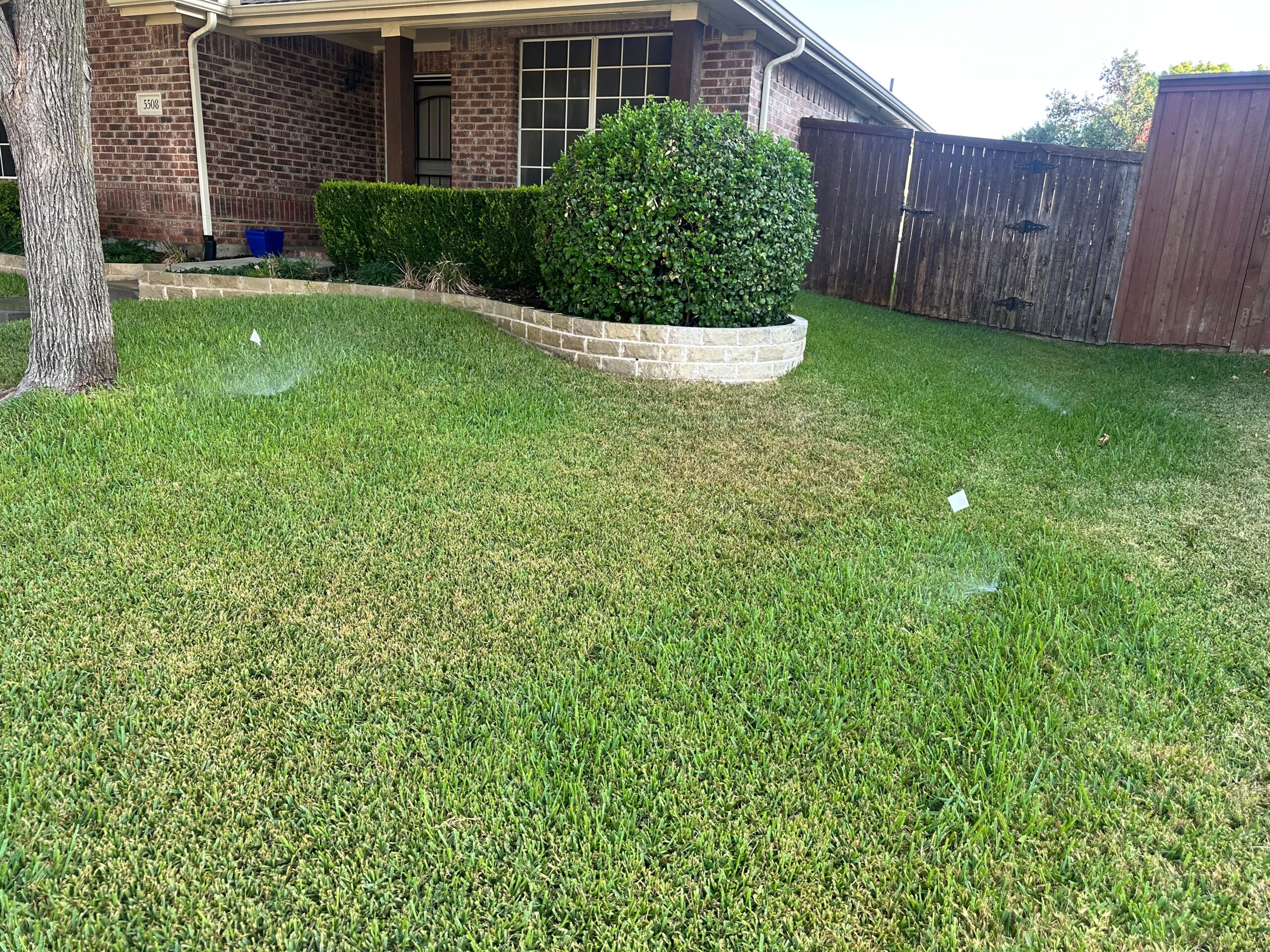
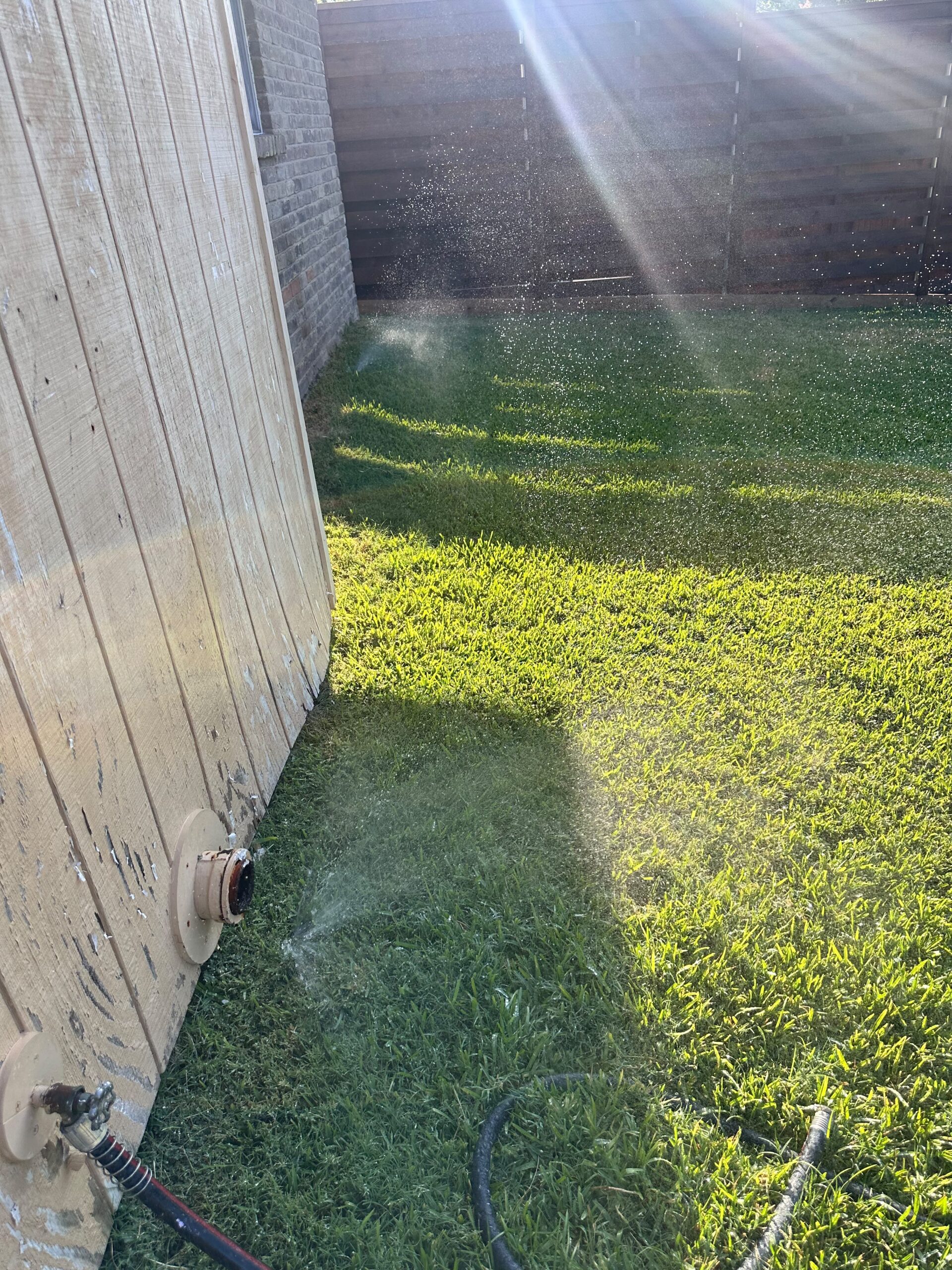
A sprinkler controller in Wylie TX typically needs seasonal adjustments to start times, run duration, and watering days to match changing weather and local watering restrictions. In spring and fall, most yards need less frequent watering than in peak summer. Homeowners should also review the days assigned to each program to stay within any city-mandated watering schedule, and confirm the rain delay or sensor settings are working correctly. Reviewing the controller two to four times a year, rather than setting it once and forgetting it, is the simplest way to avoid overwatering, underwatering, or running the system during restricted hours.
At a Glance
- Difficulty: Easy
- Estimated Time: 10–20 minutes per adjustment
- Tools Needed: None, or a smartphone if the controller is app-connected
- Works For: Standard digital controllers, smart controllers, and most dial-based systems
- May Not Solve: Issues caused by faulty wiring, a failing controller unit, or valve problems unrelated to programming
Why Controller Settings Need to Change
A sprinkler controller is only as accurate as the last time someone updated it. Many homeowners set their schedule once, often when the system is first installed, and never revisit it again. Over time, that creates a mismatch between what the controller is doing and what the yard actually needs.
A few things commonly get out of sync:
- Watering days no longer match the yard’s seasonal needs
- Run times set for summer heat continue into cooler months, causing overwatering
- Rain sensors or smart features aren’t functioning, so the system runs regardless of recent rainfall
- City watering restrictions changed, but the schedule was never updated
- A power outage or battery issue reset the programming without the homeowner noticing
Because these settings are easy to overlook, a quick seasonal review of the controller can prevent a lawn from being overwatered in cooler months or underwatered during a Texas summer.
What to Change on Your Sprinkler Controller in Wylie TX
Start Times
Start times should generally be set for early morning, often between 4 a.m. and 8 a.m., to reduce evaporation and give water time to soak in before the heat of the day. If multiple zones share the same start time, water pressure can drop across all of them, so staggering start times by 30 to 60 minutes per zone is usually more effective.
Run Duration
Run duration should reflect current weather rather than a fixed year-round setting. Zones may need longer run times in July and August, then shorter run times in spring and fall as temperatures drop and rainfall increases.
Watering Days
Many North Texas cities, including Wylie, follow designated watering day schedules, especially during drought conditions. Homeowners should confirm which days are permitted and adjust the controller’s programs to match, since running outside those windows can result in warnings or fines from the local water provider.
Rain Delay and Sensor Settings
If the controller has a rain sensor or smart weather feature, it’s worth periodically confirming it’s actually working. A sensor that’s disconnected or malfunctioning won’t stop the system from running after a storm, which wastes water and can contribute to soil that’s already saturated.
Seasonal Programs
Some controllers allow multiple saved programs, such as a summer program and a winter program, that can be switched between rather than reprogrammed from scratch each season. Setting these up in advance makes seasonal adjustments faster in the future.
Step-by-Step: Reviewing and Adjusting the Controller
Step 1: Open the Programs Menu
Locate the controller, usually in a garage or utility closet, and open the section labeled “Programs,” “Schedules,” or “Run Times.”
Step 2: Check Current Start Times
Review the start time for each program and confirm it still makes sense for the current season and any overlapping zones.
Step 3: Adjust Run Duration by Zone
Update run times for zones that may need more or less water based on sun exposure, soil type, and recent weather patterns.
Step 4: Confirm Watering Days
Cross-check the assigned watering days against current city guidelines to avoid running the system on a restricted day.
Step 5: Test the Rain Sensor
If the system includes a rain sensor, trigger a test run after a recent rainfall to confirm the controller correctly skips the cycle.
Step 6: Save and Label Seasonal Programs
If the controller supports multiple programs, save a summer and winter version so future adjustments only require switching between them.
Common Mistakes Homeowners Make
- Setting it once and never adjusting again. A schedule that worked during installation season often doesn’t match conditions months later.
- Ignoring rain sensor malfunctions. A disconnected or dead sensor won’t stop watering after a storm, wasting water unnecessarily.
- Overlapping zone start times. Running multiple zones simultaneously reduces pressure and coverage across all of them.
- Not checking local watering restrictions. Watering on the wrong day can lead to fines in some Wylie neighborhoods, depending on current guidelines.
- Assuming a smart controller needs no attention. Even weather-based smart controllers benefit from periodic manual review to confirm settings are accurate.
Local Considerations for Wylie, TX
A sprinkler controller in Wylie TX should be adjusted with a few local factors in mind:
- Clay soil: Much of Wylie sits on dense clay soil that absorbs water slowly. According to Texas A&M AgriLife Extension, shorter, repeated watering cycles work better on clay soils than one long cycle, since they reduce runoff.
- Heat: Long, hot summers increase evaporation, often requiring earlier start times and longer run durations during peak months.
- Wind: Windy afternoons, common in open North Texas subdivisions, can reduce spray efficiency, making early morning watering more effective.
- Water restrictions: Wylie and surrounding cities may enforce watering day restrictions during certain seasons. Checking current guidance from the Texas Commission on Environmental Quality or the local water provider helps confirm the schedule is compliant.
- Seasonal watering: Lawns generally need less water in spring and fall, making these good times to reduce run duration and reassess the schedule.
- Foundation movement: Homes on expansive clay soil benefit from consistent watering schedules, since large swings in soil moisture can contribute to foundation movement over time.
Related Problems That Can Look Similar
If adjusting the controller doesn’t resolve watering issues, the cause may be something else:
- Weak or uneven coverage caused by clogged or misaligned heads
- Low water pressure affecting one or more zones
- A valve that isn’t responding correctly to the schedule
- Wiring issues preventing the controller from communicating with certain zones
If start times and run durations look correct but coverage still seems uneven, our guide on why sprinkler coverage is weak in one area of the yard covers the most common causes. For pressure-related concerns, our article on common causes of low water pressure in sprinkler systems walks through what to check next.
Frequently Asked Questions
How often should I adjust my sprinkler controller?
Most homeowners benefit from reviewing the controller two to four times a year, aligning with seasonal changes in weather and rainfall.
What time should sprinklers start watering?
Early morning, generally between 4 a.m. and 8 a.m., is recommended to reduce evaporation and allow water to soak in before the day heats up.
Do smart controllers still need manual adjustments?
Yes. While smart controllers often adjust automatically based on weather data, it’s still worth periodically confirming the settings match your yard’s actual needs.
What happens if I don’t update the schedule seasonally?
The yard may end up overwatered in cooler months or underwatered during summer heat, both of which can stress the lawn over time.
How do I know if my rain sensor is working?
Trigger a test cycle after a recent rainfall. If the controller runs anyway, the sensor may be disconnected or malfunctioning.
Bottom Line
A sprinkler controller in Wylie TX needs regular attention, not a one-time setup, to keep watering efficient throughout the year. Reviewing start times, run duration, watering days, and rain sensor function each season helps prevent overwatering, underwatering, and conflicts with local water restrictions. It’s a simple habit that keeps the whole system working the way it’s supposed to, without wasting water or stressing the lawn. A few minutes of review at the start of each season is usually all it takes to keep things on track.
Conclusion
A sprinkler controller in Wylie TX works best when it’s reviewed each season rather than left on the same settings year-round. Small adjustments to start times, run duration, and watering days can prevent wasted water and conflicts with local restrictions. If your controller seems unresponsive, the rain sensor isn’t working, or the schedule keeps resetting on its own, a licensed sprinkler company can inspect the system and get it back on track. Consider scheduling a review soon.