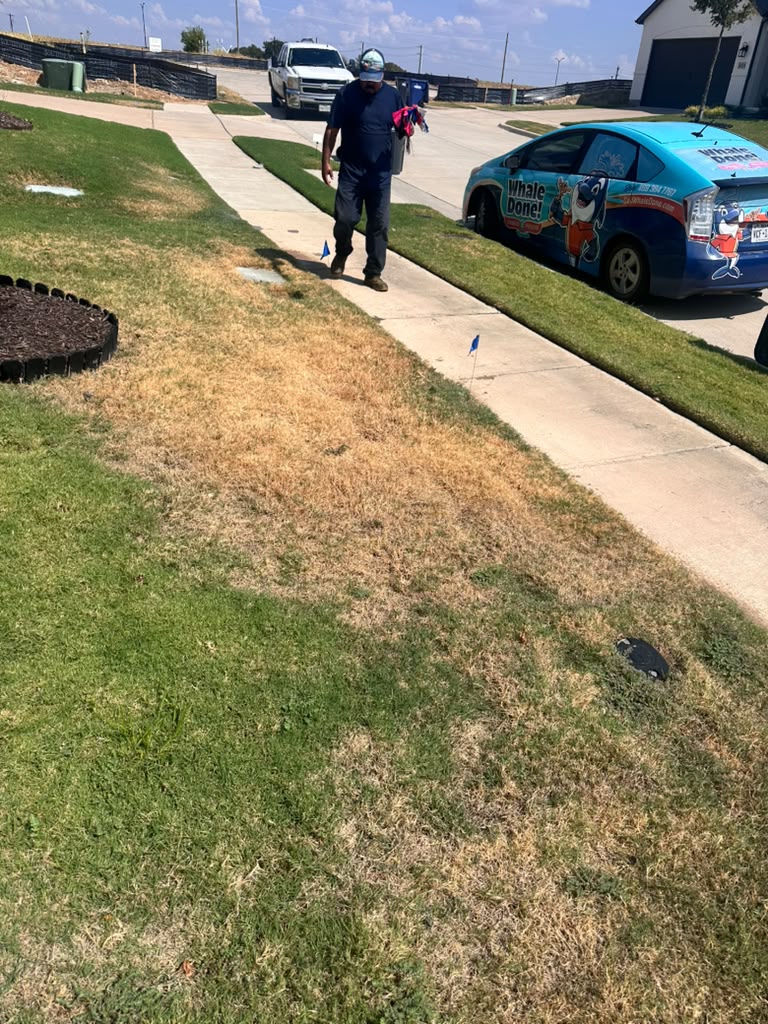
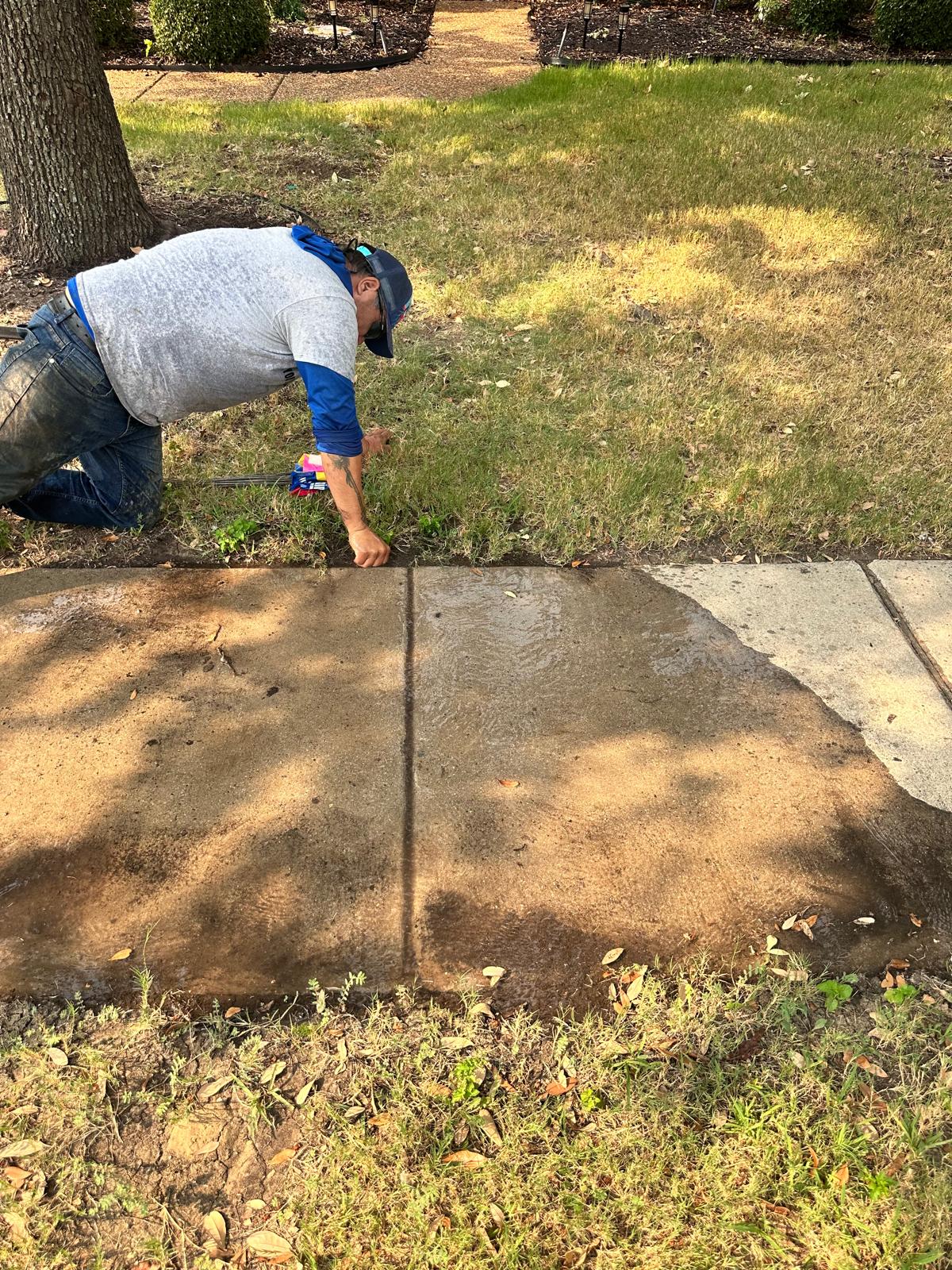
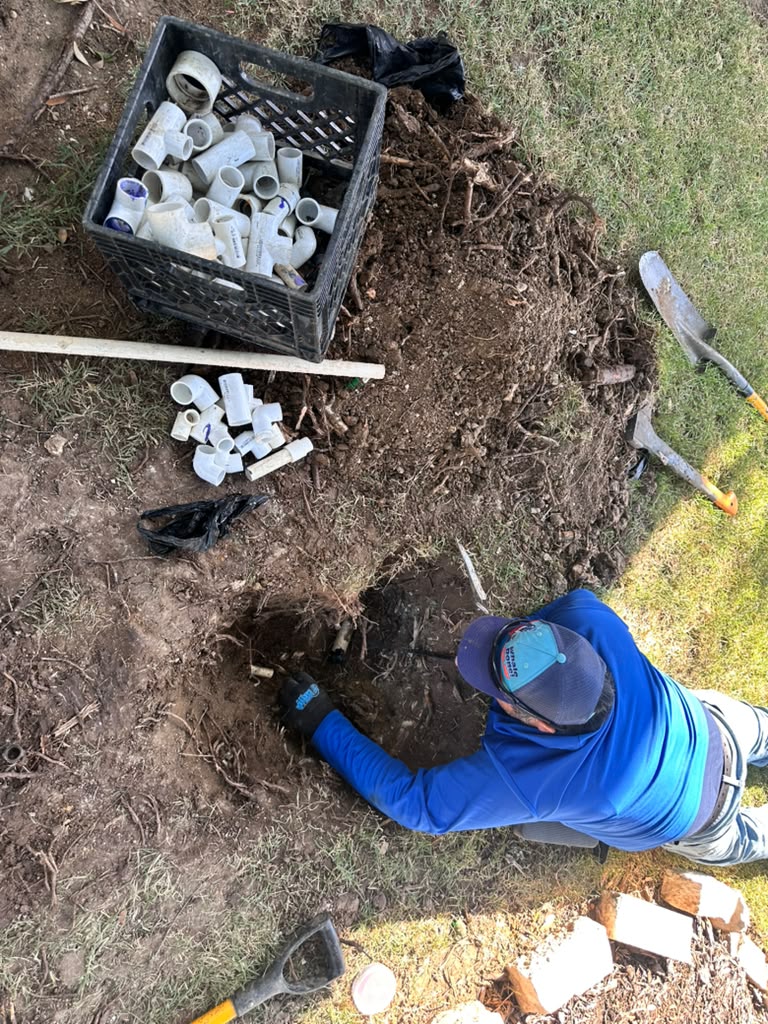
Sprinkler problems in Anna TX tend to show up in summer because heat, extended run times, and higher water pressure demand put more strain on a system than it faces the rest of the year. Parts that were quietly worn or slightly damaged in spring often fail once they’re running longer and more often. Common culprits include cracked heads from ground movement, clogged nozzles from mineral buildup, and valves that can’t keep up with increased daily use.
At a Glance
- Difficulty: Varies by issue (some are simple checks, others need a professional)
- Estimated Time: 15–30 minutes to inspect a zone; longer for repairs
- Tools Needed: None for a basic visual check; hand tools for adjustments
- Works For: Diagnosing why coverage, pressure, or run times changed in summer
- May Not Solve: Underlying system age or undersized components for current landscaping
Why Summer Is Hard on Sprinkler Systems
A sprinkler system that runs fine in spring can start showing problems once summer heat and longer run times set in. This isn’t usually a coincidence — it’s the result of components being pushed harder than they were during cooler, lower-demand months.
A few factors combine to create this pattern:
- Longer run times put more cumulative wear on valves, seals, and heads
- Higher water pressure demand across the neighborhood during peak hours can stress an already marginal system
- Ground movement from heat and dry soil can shift risers, crack pipes, or expose heads
- Increased daily cycles mean more starts and stops, which is when many mechanical failures occur
Problems that were minor or invisible in April often become noticeable once the system is asked to work at full capacity.
Common Sprinkler Problems in Anna TX During Summer
Sprinkler problems in Anna TX during summer tend to fall into a few recurring categories. Understanding which one matches what you’re seeing is the first step in figuring out whether it’s a quick fix or something that needs a closer look.
Cracked or Sunken Heads
Heat causes soil to dry and shift, especially in clay-heavy areas. Heads that were level in spring can sink, tilt, or crack as the ground around them moves, leading to uneven spray patterns or water pooling at the base.
Clogged Nozzles
Minerals in the water supply build up inside nozzles over time, and that buildup becomes more noticeable when the system is running daily instead of a few times a week. A clogged nozzle often shows up as a weak, uneven, or misdirected spray.
Valve Fatigue
Valves that open and close dozens of times a week during summer wear faster than they do during lighter spring watering. A valve that’s starting to fail may cause a zone to run too long, not turn on at all, or leak at the base.
Pressure Drops During Peak Hours
Municipal water systems experience higher demand during early morning summer watering windows, when most residential systems run at once. This can cause temporarily reduced pressure that makes coverage look inconsistent, even though nothing in the system itself has changed.
Controller Programming Left Over From Spring
A schedule that worked for cooler, wetter spring weather often isn’t enough for summer heat. This isn’t a mechanical problem, but it can look like one if certain areas of the yard appear dry despite the system running.
Step-by-Step: What to Check First
Step 1: Watch Each Zone Run
Turn on each zone manually and watch the full cycle. Look for heads that don’t pop up fully, spray patterns that seem off, or areas with visibly less coverage.
Step 2: Check for Physical Damage
Walk the yard and look for heads that are cracked, sunken, tilted, or leaking at the base. Ground shifting is common in summer and is one of the easiest issues to spot visually.
Step 3: Compare Water Pressure at Different Times
If pressure seems inconsistent, note whether it happens at the same time each day. Pressure drops during early morning peak demand hours point toward a municipal supply issue rather than a system problem.
Step 4: Review the Controller Schedule
Check when the schedule was last updated. If it hasn’t changed since spring, run times may simply be too short for current heat and evaporation rates.
Step 5: Note Any Patterns
Write down which zones are affected, what time of day the issue happens, and whether it’s consistent or occasional. This information makes diagnosis faster if a professional is called in.
Common Mistakes Homeowners Make
- Assuming every issue is a leak. Many summer symptoms, like brown patches or weak spray, are caused by scheduling or clogs, not leaks.
- Increasing run times without checking the cause first. Watering longer can mask a problem instead of fixing it, and it wastes water in the process.
- Ignoring small changes early in the season. A slightly uneven spray pattern in May often becomes a bigger issue by July.
- Not checking the controller battery or backup power. Many controllers reset to default programming after a power interruption, which can look like a mysterious scheduling problem.
- Overlooking pressure-related causes. Not every coverage issue is a broken part; municipal pressure fluctuations are common during peak summer demand.
Local Considerations for Anna TX
A few things specific to the Anna area affect how and why sprinkler problems tend to surface in summer:
- Clay soil. Anna’s clay-heavy soil expands and contracts significantly with heat and moisture changes, which can shift risers, crack buried pipe joints, and throw off head alignment that was fine earlier in the year.
- Extended summer heat. Long stretches of high temperatures increase evaporation and plant water demand, which often exposes scheduling that was adequate for spring but falls short once summer arrives.
- Wind. Afternoon wind common in the area can distort spray patterns, making a system look like it has a coverage problem when the real cause is timing — watering during high-wind hours instead of early morning.
- Water restrictions. Anna, like much of North Texas, enforces designated watering days during peak season. Systems have less flexibility to make up for missed cycles, which makes existing problems more noticeable.
- Foundation movement. Homes on clay soil are especially sensitive to inconsistent watering near the foundation during summer. A sprinkler issue near the foundation zone can compound existing soil movement if it goes unaddressed.
Related Problems That Can Look Like Sprinkler Issues
Not everything that looks like a sprinkler malfunction actually originates in the sprinkler system. Related causes to consider include:
- Low municipal water pressure during peak summer usage hours
- A failing backflow preventer restricting flow to the entire system
- Tree or shrub root growth interfering with buried lines
- An underground leak unrelated to any visible head or valve
If a system continues to underperform after basic checks, one of these related issues may be the actual cause.
Frequently Asked Questions
- Why does my sprinkler system work fine in spring but have problems in summer?
Higher heat, longer run times, and increased daily cycles put more strain on components than they experience during cooler months, which often reveals wear that wasn’t noticeable earlier in the year.
- Is low water pressure in summer always a sprinkler system problem?
Not always. Municipal water demand increases significantly during early morning summer watering hours, which can cause temporary pressure drops unrelated to the condition of your system.
- Should I increase my watering schedule in summer?
Many systems need schedule adjustments for summer heat, but increasing run times without checking for clogs, leaks, or damaged heads first can waste water without solving the actual issue.
- How can I tell if a dry patch is a sprinkler problem or a soil problem? Watch the zone run and check whether the dry area is receiving spray coverage at all. If coverage looks normal but the ground still stays dry, soil compaction or clay drainage may be involved rather than the sprinkler head itself.
- When should I call a licensed sprinkler company instead of troubleshooting myself? If you’ve checked for visible damage, reviewed the schedule, and the issue is still unclear or involves a valve, pressure, or underground line, a licensed technician can diagnose it more precisely with proper testing tools.
Bottom Line
Sprinkler problems in Anna TX tend to surface in summer because the system is simply working harder than it does the rest of the year, and that added strain exposes weak points that were easy to miss in spring. Cracked heads, clogged nozzles, tired valves, and outdated scheduling are the most common causes, and most of them can be identified with a basic visual check and a look at the controller settings. Some issues are simple fixes, while others point to pressure or component problems that are easier to confirm with the right tools.
Next Step
If a basic check doesn’t explain what’s happening, or if the issue involves pressure, valves, or something underground, a licensed sprinkler company can run a more detailed diagnostic. Not every summer symptom means a major repair, and in some cases the fix is as simple as updating the controller schedule for the season.
Related Resources
- How to Adjust Sprinkler Heads in Anna TX
- Common Causes of Low Water Pressure in Sprinkler Systems
- Sprinkler System Repair in Anna TX
For additional guidance on seasonal watering and efficiency, the EPA WaterSense program and Texas A&M AgriLife Extension both publish research-backed resources on summer irrigation practices.
Conclusion
Sprinkler problems in Anna TX are more common in summer because heat, longer run times, and higher demand expose wear that goes unnoticed the rest of the year. Catching cracked heads, clogged nozzles, or outdated scheduling early can prevent bigger issues later in the season. If your system isn’t performing the way it should, a licensed sprinkler company can pinpoint the cause and recommend the right next step.