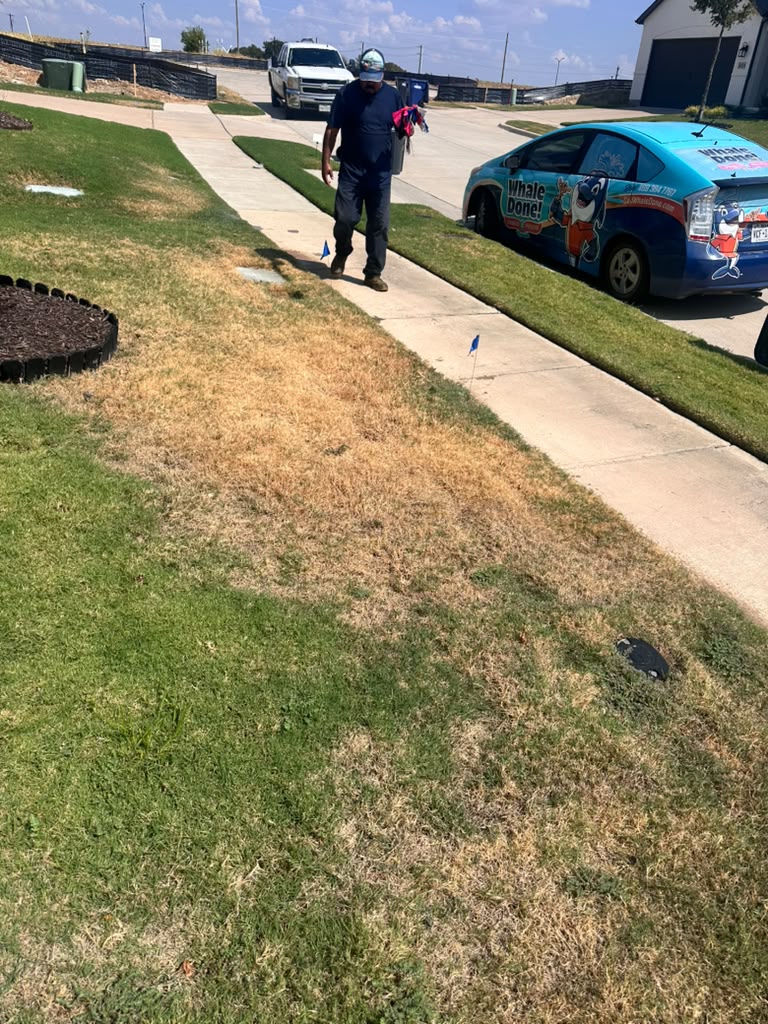
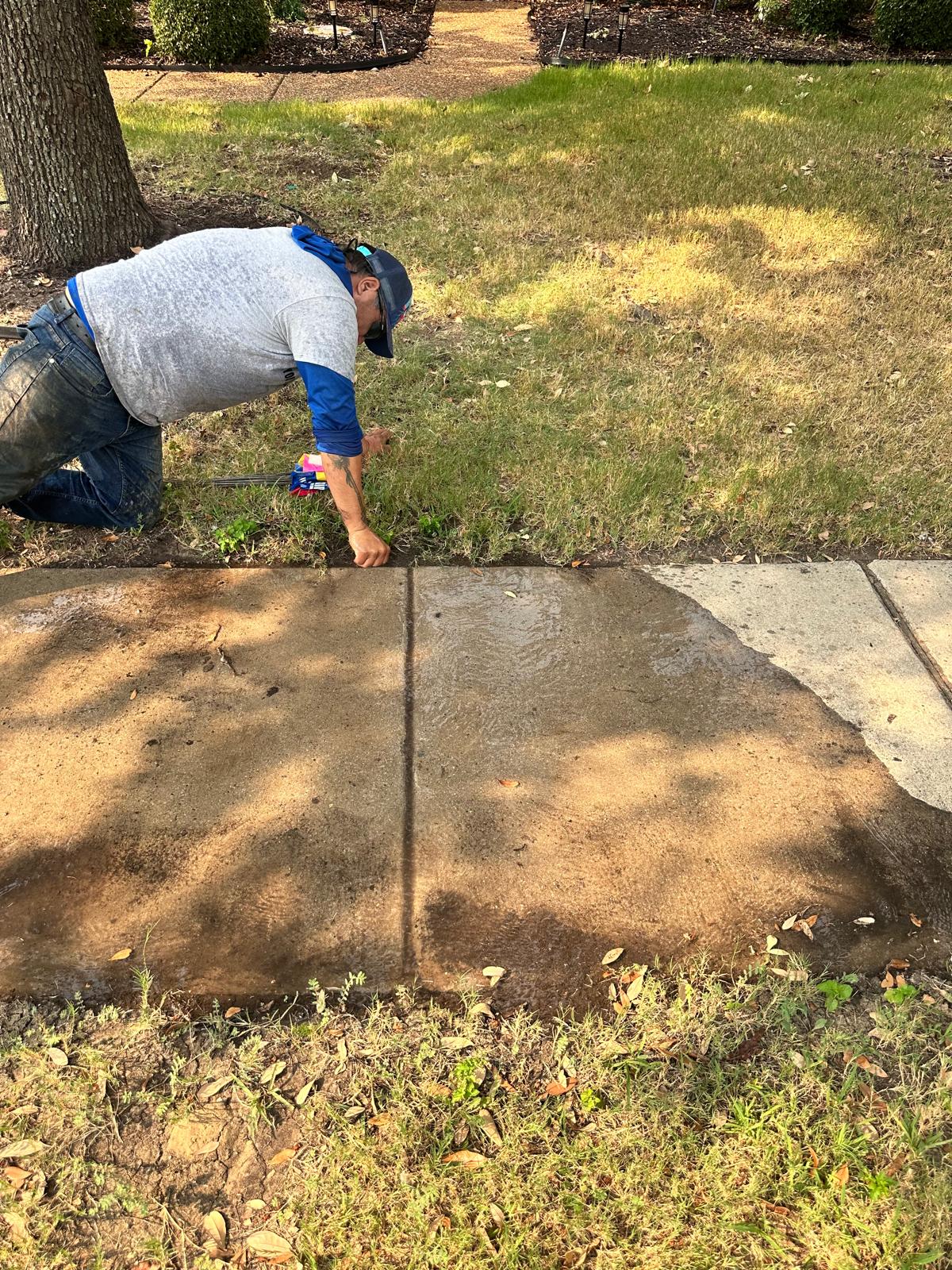
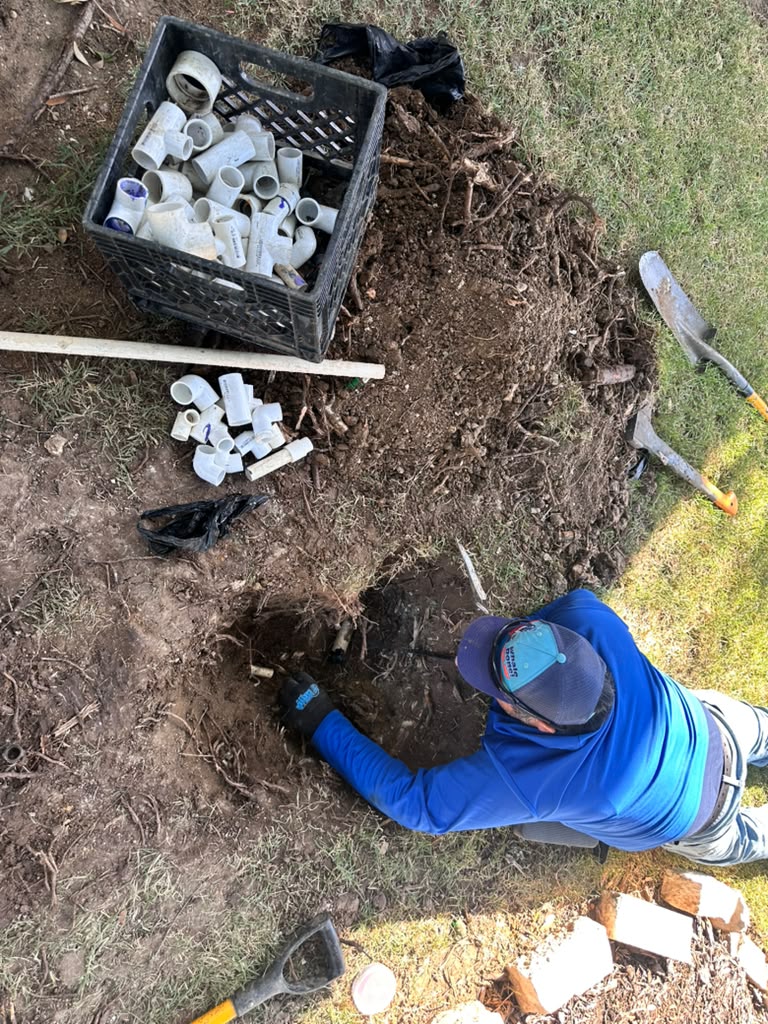
An irrigation system check in Allen TX is one of the most effective ways to maintain a healthy lawn, protect landscaping investments, and ensure water is used efficiently throughout the year. With Allen’s seasonal weather changes and increasing water conservation concerns, routine inspections help homeowners and property managers identify issues before they become costly repairs.
A properly functioning irrigation system supports strong root growth, prevents uneven watering, and minimizes water waste. Without regular checks, even minor issues—such as clogged nozzles or pressure imbalances—can lead to higher utility bills and damaged turf. Understanding the importance of professional system evaluations helps property owners make informed decisions that protect both their landscape and budget.
Why Regular Irrigation System Checks Matter
Irrigation systems are made up of multiple components working together. When one part fails, the entire system’s efficiency suffers. Routine checks ensure that every element functions as intended, from underground pipes to sprinkler heads and controllers.
In Allen TX, soil conditions and climate fluctuations can stress irrigation systems. Hot summers, sudden storms, and occasional freezes all contribute to wear and tear. Regular inspections help detect leaks, misaligned heads, and controller errors that might otherwise go unnoticed until visible damage occurs.
Beyond system longevity, irrigation checks also play a vital role in environmental responsibility. Efficient systems reduce water runoff and overwatering, supporting local conservation efforts while keeping landscapes attractive and healthy.
Common Problems Found During Irrigation Inspections
Professional irrigation inspections uncover hidden system issues, helping homeowners improve efficiency, protect landscapes, and reduce costly water waste long-term savings.
- Uneven water distribution causes dry spots and flooding, stressing plants, wasting resources, and preventing lawns from growing evenly properly everywhere.
- Broken or misaligned sprinkler heads oversaturate some areas while starving others, leading to unhealthy turf, erosion, and weed growth problems.
- Underground leaks often go unnoticed, quietly wasting significant water, increasing utility bills, and causing soil instability beneath landscapes over time.
- Outdated irrigation controllers or incorrect programming trigger inefficient schedules, watering during heat or rain, and dramatically increasing water usage unnecessarily.
- Regular inspections identify these issues early, allowing timely repairs that improve system efficiency, conserve water, and protect plant health long-term.
Addressing inspection findings promptly ensures balanced watering, healthier plants, lower utility bills, and reliable irrigation performance throughout every season year-round.
How Weather in Allen TX Affects Irrigation Systems
Allen TX experiences a wide range of weather conditions throughout the year, each impacting irrigation systems differently. Hot, dry summers increase demand on sprinklers, while heavy rains can expose drainage and runoff problems. Cold winter temperatures may cause pipe expansion and contraction, increasing the risk of cracks and leaks.
Seasonal irrigation checks help adapt watering schedules to current conditions. For example, adjusting run times during cooler months prevents overwatering, while summer inspections ensure systems can meet increased demand without strain.
Staying proactive with inspections allows irrigation systems to perform reliably regardless of seasonal challenges, reducing the likelihood of emergency repairs.
The Role of Water Efficiency and Conservation
Water efficiency is a growing priority for homeowners and municipalities alike. An optimized irrigation system delivers the right amount of water at the right time, minimizing waste while promoting healthy landscapes.
During an inspection, technicians evaluate spray patterns, pressure levels, and scheduling efficiency. This process ensures water reaches plant roots rather than evaporating or running off into sidewalks and streets. Improved efficiency can significantly reduce water bills while supporting sustainable landscaping practices.
For additional guidance on conservation principles, resources from the Environmental Protection Agency provide valuable insights into water-saving strategies and efficient irrigation practices.
Benefits of Routine Irrigation System Checks
Routine irrigation system checks deliver lasting benefits, preventing costly damage, improving landscape health, boosting efficiency, and protecting long-term property value.
- Early detection of leaks, clogs, or misaligned heads reduces repair costs, avoids water waste, and prevents major system failures later.
- Consistent inspections ensure even water distribution, promoting healthier lawns, stronger roots, vibrant plants, and improved overall curb appeal for properties.
- Properly maintained irrigation components experience less strain, extend equipment lifespan, reduce breakdown frequency, and support reliable seasonal performance year round.
- Routine system checks improve efficiency, conserve water resources, align watering schedules with weather conditions, and encourage environmentally responsible landscape management.
Regular irrigation inspections protect investments, enhance landscape beauty, maximize efficiency, and deliver dependable performance while saving money long term overall.
Understanding System Components During an Inspection
A thorough irrigation system check evaluates every component involved in water delivery. This includes the controller, valves, pipes, sprinkler heads, and sensors. Each part must function in harmony to achieve optimal results.
Controllers are examined to ensure schedules align with seasonal needs and local watering guidelines. Valves and pipes are checked for leaks or pressure inconsistencies, while sprinkler heads are tested for coverage accuracy and mechanical damage.
Modern systems may also include rain or moisture sensors. These devices prevent unnecessary watering during rainfall, and inspections confirm they are properly calibrated and responsive.
Seasonal Timing for Irrigation System Checks
Timing plays a crucial role in maximizing the benefits of an irrigation system check. Spring inspections prepare systems for increased usage, ensuring all components are operational after winter dormancy. Summer checks focus on efficiency and coverage during peak demand periods.
Fall inspections help transition systems to reduced watering schedules, while winter checks address freeze protection and system shutdown procedures. Following seasonal best practices minimizes stress on irrigation components and prevents weather-related damage.
For general seasonal lawn care guidance, information from Texas A&M AgriLife Extension offers region-specific recommendations that complement professional irrigation inspections.
Professional Inspections vs. DIY Checks
While homeowners can perform basic visual checks, professional irrigation inspections provide a deeper level of analysis. Trained technicians use specialized tools to measure water pressure, detect hidden leaks, and assess system efficiency accurately.
DIY checks may identify obvious problems, such as broken heads or visible leaks, but they often miss underlying issues. Professional evaluations ensure systems meet performance standards and comply with local regulations.
Investing in professional inspections reduces guesswork and provides peace of mind, knowing the system is operating at peak efficiency.
Preventing Landscape Damage Through Regular Checks
Improper irrigation can cause more harm than good. Overwatering weakens root systems, encourages fungal growth, and leads to soil compaction. Underwatering, on the other hand, results in dry patches and stressed plants.
Routine irrigation system checks help strike the right balance. By ensuring even distribution and appropriate scheduling, inspections protect landscapes from water-related damage and promote long-term plant health.
Healthy landscapes are more resilient to pests, diseases, and weather extremes, making regular irrigation maintenance a critical component of overall property care.
Technology Advancements in Modern Irrigation Systems
Advancements in irrigation technology have transformed how systems operate and are maintained. Smart controllers, weather-based scheduling, and high-efficiency sprinkler heads all contribute to improved performance.
During an irrigation system check, technicians assess whether existing systems can benefit from upgrades or recalibration. Smart controllers, for example, adjust watering schedules automatically based on weather data, reducing waste and improving consistency.
To learn more about smart irrigation innovations, the Irrigation Association provides educational resources on modern system design and best practices.
Cost Savings and Long-Term Value
One of the most compelling reasons to schedule regular irrigation checks is long-term cost savings. Efficient systems use less water, lower utility bills, and require fewer emergency repairs.
Preventative maintenance also protects landscaping investments. Replacing damaged turf or plants can be costly, especially when issues stem from undetected irrigation problems. Routine checks help avoid these expenses by maintaining optimal watering conditions.
Over time, the cumulative savings from reduced water usage and minimized repairs often exceed the cost of regular inspections.
Signs Your Irrigation System Needs Immediate Attention
Certain warning signs indicate it’s time for a professional irrigation system check. These include unexplained increases in water bills, pooling water, uneven grass growth, or visible leaks around sprinkler heads.
Other indicators may involve system performance issues, such as low pressure, inconsistent spray patterns, or controllers failing to follow programmed schedules. Addressing these signs promptly prevents further damage and restores system efficiency.
Ignoring early warning signs can lead to extensive repairs, making timely inspections essential for maintaining system integrity.
Supporting Local Water Regulations and Compliance
Municipalities often implement watering guidelines and restrictions to promote conservation. An optimized irrigation system helps property owners comply with these regulations by delivering efficient, controlled watering.
During inspections, technicians adjust schedules and settings to align with local guidelines. This proactive approach helps avoid potential penalties while supporting community-wide conservation efforts.
For broader information on water management and sustainable practices, resources from the U.S. Geological Survey offers insights into water usage trends and conservation initiatives.
Conclusion
A routine irrigation system check is a practical investment that delivers lasting benefits for properties in Allen TX. From improved water efficiency and lower utility costs to healthier landscapes and extended system lifespan, regular inspections provide measurable value.
By identifying issues early, optimizing system performance, and adapting to seasonal conditions, property owners can maintain attractive, resilient landscapes while conserving water responsibly. Professional irrigation system checks ensure every component works together seamlessly, providing reliable performance year after year.
For dependable service and expert support, contact Whale Done Sprinklers & Irrigation.
📞 Phone: +1 (469) 384-7767
📧 Email: clientsupport@callwhaledone.com