A sprinkler system check in Parker TX is one of the most important steps homeowners can take to protect their landscapes, conserve water, and maintain consistent lawn health throughout the year. Parker’s mix of warm summers, periodic drought conditions, and seasonal temperature changes can place stress on irrigation systems, making regular inspections essential rather than optional.
Many property owners assume their sprinkler system is working properly as long as water is coming out of the heads, but irrigation performance involves much more than surface-level operation. Pressure balance, coverage accuracy, controller programming, and underground component integrity all play a role in ensuring water reaches the right areas at the right time.
Understanding Parker TX Climate and Its Impact on Irrigation
Parker experiences fluctuating weather patterns that can challenge even well-installed sprinkler systems. Hot summer temperatures increase evaporation rates, while unpredictable rain events can disrupt watering schedules. Soil composition in the area may also affect how water is absorbed and retained, making proper calibration essential.
When irrigation systems are not adjusted for these conditions, homeowners often face issues such as dry patches, oversaturated zones, runoff, or higher-than-expected water bills. A routine sprinkler system check helps identify these inefficiencies early and ensures the system aligns with local environmental demands.
Why Regular Sprinkler Inspections Matter
Irrigation systems operate under constant pressure and exposure, which naturally leads to wear over time. Small leaks, misaligned sprinkler heads, or clogged nozzles may not be immediately noticeable but can significantly reduce performance.
Regular checks allow for early detection of mechanical and hydraulic issues before they escalate into costly repairs. Inspections also ensure that watering schedules match seasonal needs, preventing unnecessary water use during cooler months and ensuring sufficient hydration during peak heat.
According to guidance from the Environmental Protection Agency, efficient irrigation practices can reduce outdoor water use by up to 50 percent, highlighting the importance of system evaluations and proper adjustments.
Key Components Evaluated During a Sprinkler System Check
A professional sprinkler system check is a comprehensive process that examines every part of the irrigation setup. Each component contributes to overall system efficiency and must function correctly to avoid waste or damage.
Controller and Timer Settings
The controller acts as the brain of the system, determining when and how long watering occurs. Inspectors review programming to ensure schedules align with Parker’s seasonal watering needs and local regulations.
Sprinkler Heads and Coverage
Sprinkler heads are inspected for alignment, clogs, cracks, and proper spray patterns. Heads that spray sidewalks, driveways, or buildings are adjusted to direct water precisely where it is needed.
Water Pressure and Flow Rate
Incorrect pressure can lead to misting, uneven coverage, or component damage. Pressure testing ensures water is delivered efficiently without stressing system parts.
Valves and Zones
Each zone is checked to confirm valves open and close properly, preventing leaks or zones that continue running after cycles end.
Water Conservation and Efficiency Benefits
Water efficiency is more than an environmental concern—it directly affects household expenses and community resources. Parker homeowners benefit significantly from systems that deliver water only where and when it is needed.
Proper inspections reduce water waste caused by leaks or overspray, helping homeowners comply with local conservation guidelines. Efficient irrigation also supports healthier root systems by delivering consistent moisture rather than irregular flooding.
Resources from Texas Water Development Board emphasize the importance of smart irrigation practices in managing long-term water availability across growing communities like Parker.
Preventing Lawn and Landscape Damage
An improperly functioning sprinkler system can harm landscaping just as easily as it can help it. Overwatering promotes fungal growth, weak root systems, and soil erosion, while underwatering leads to brown patches and plant stress.
Regular sprinkler system checks ensure balanced distribution, allowing turfgrass, shrubs, and ornamental plants to receive appropriate hydration. This balance is essential for maintaining both aesthetic appeal and plant health throughout the year.
Seasonal Timing for Sprinkler System Checks
While irrigation systems should be monitored year-round, certain seasons are especially critical for inspections.
- Spring Preparation: Spring checks focus on restoring systems after winter dormancy, identifying freeze-related damage, and preparing for increased watering demands.
- Summer Optimization: Summer inspections emphasize efficiency, ensuring coverage keeps pace with heat without wasting water through evaporation or runoff.
- Fall Adjustments: Fall checks reduce watering frequency as temperatures drop and prepare systems for seasonal changes.
- Pre-Winter Safeguards: Late-season inspections help protect pipes, valves, and backflow devices from potential cold-related damage.
Best practices outlined by Irrigation Association support seasonal system evaluations as a key element of sustainable water management.
Identifying Hidden Issues Before They Escalate
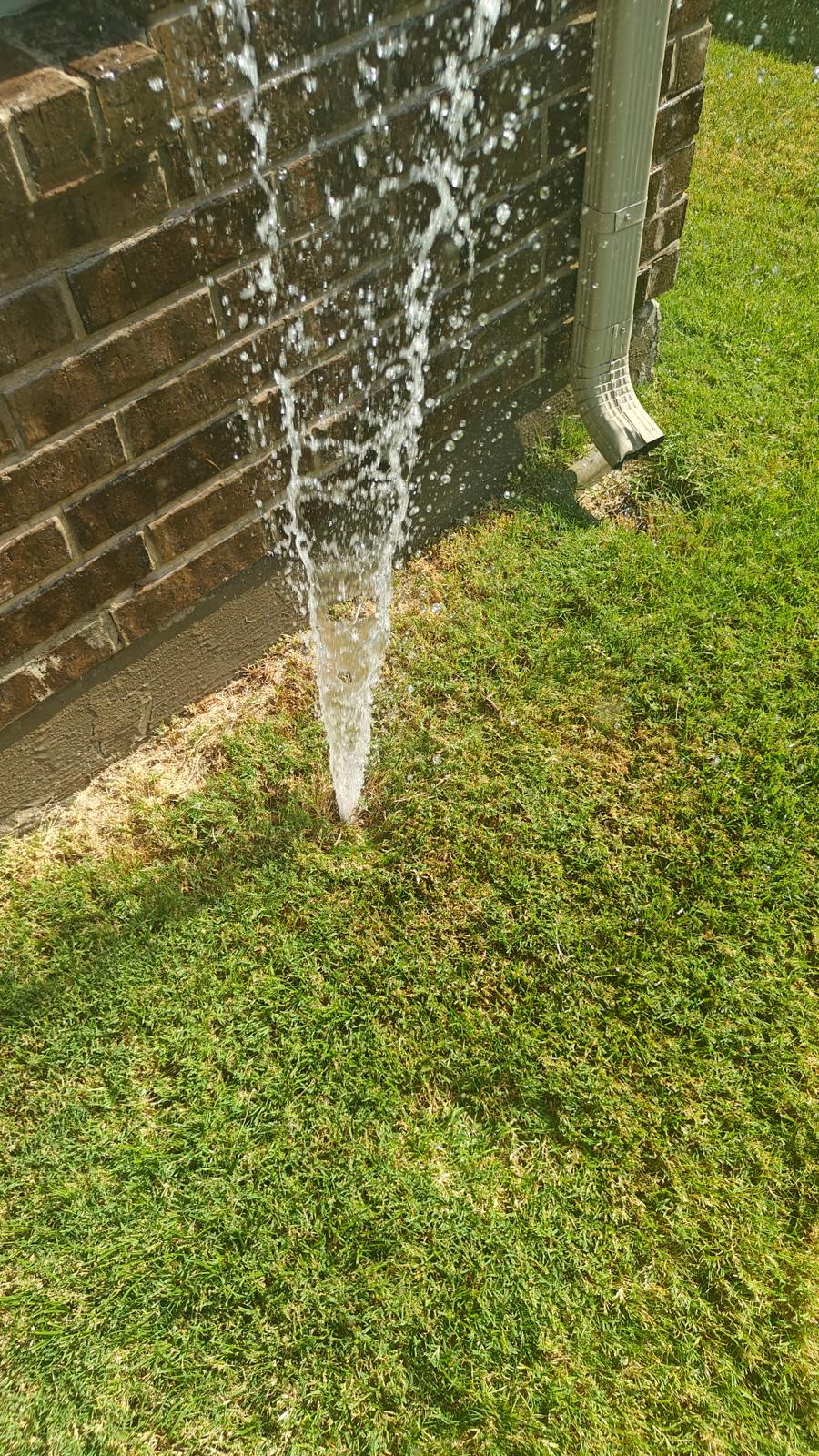
Some irrigation problems remain invisible until significant damage has already occurred, making them especially costly if left unchecked. Underground leaks, cracked lateral lines, deteriorating seals, or failing valves often operate unnoticed because they do not immediately produce surface pooling or visible symptoms, yet they can gradually cause soil erosion, uneven settling, or even foundation concerns.
Routine sprinkler system checks are designed to uncover these hidden issues early, preventing excessive water loss and long-term structural risks. Early detection also significantly reduces repair costs by resolving minor defects before they escalate into major system failures or landscape damage.
Compliance With Local Water Guidelines
Many Texas municipalities implement watering guidelines to manage water supply during peak demand periods, especially during summer heat and drought conditions. A properly inspected sprinkler system can be fine-tuned to meet these requirements without sacrificing lawn health or appearance.
Professional checks ensure controllers are accurately programmed to avoid restricted watering days, excessive runtimes, and overlapping schedules. This proactive approach helps homeowners remain compliant with local regulations while maintaining attractive, resilient landscapes that use water responsibly and evolving municipal conservation policies.
Enhancing Property Value and Curb Appeal
A well-maintained irrigation system contributes directly to property value by supporting consistent lawn health and long-term landscape performance. Healthy turf, evenly watered plants, and vibrant greenery create a strong first impression, signaling responsible property care to visitors and potential buyers. Efficient irrigation reduces visible stress, patchy growth, and runoff issues that can detract from curb appeal.
Buyers often view modern, well-managed irrigation systems as a valuable feature, especially in regions where water conservation and landscape maintenance are important considerations. Regular system checks help protect this investment, prevent costly repairs, and enhance long-term property appeal.
Technology Advancements in Modern Irrigation Systems
Today’s sprinkler systems often include smart controllers, weather sensors, and moisture-based adjustments. While these technologies improve efficiency, they still require periodic checks to ensure proper calibration and connectivity.
Inspections verify that sensors communicate correctly with controllers and that weather-based adjustments reflect local conditions rather than generic settings. According to Smart Irrigation Month initiatives, combining technology with routine inspections yields the highest water savings.
The Cost-Saving Advantage of Preventive Maintenance
Many homeowners delay sprinkler system checks until visible problems arise, which often leads to higher repair costs and unnecessary water loss. Preventive inspections help identify minor leaks, pressure issues, or misaligned sprinkler heads before they escalate into major system failures, reducing the likelihood of emergency repairs and unexpected expenses.
By keeping components properly adjusted and maintained, inspections also extend the lifespan of valves, pipes, and controllers. Over time, the combined savings from lower water bills, fewer repairs, and longer system life typically outweigh the cost of routine sprinkler system inspections.
Choosing Professional Expertise Over Guesswork
While basic visual checks can identify obvious issues such as broken sprinkler heads or visible leaks, professional inspections provide a far deeper and more accurate evaluation of overall system performance. Trained technicians assess critical factors like water pressure consistency, hydraulic balance across zones, valve operation, and coverage efficiency—elements that are difficult to measure without specialized tools and experience.
They also identify hidden problems such as underground leaks, uneven distribution, or controller programming errors that may not show immediate symptoms. Professional sprinkler system checks deliver detailed insights and actionable recommendations, allowing homeowners to make informed decisions about maintenance, repairs, and system upgrades that improve efficiency, reduce water waste, and extend the lifespan of the irrigation system.
Long-Term Landscape Sustainability
Sustainable landscapes depend on consistent and efficient irrigation that delivers the right amount of water at the right time. A properly functioning sprinkler system supports soil health by preventing erosion, compaction, and nutrient loss, while also promoting strong root development and overall plant vitality. When irrigation is balanced, lawns and gardens are better equipped to withstand seasonal stress, heat, and limited rainfall.
Routine checks play a critical role by aligning irrigation performance with long-term landscape plans and changing environmental conditions. These evaluations help ensure water is applied efficiently, allowing landscapes to thrive without unnecessary resource consumption or excessive utility costs.
Conclusion
A sprinkler system check in Parker TX is an essential part of responsible property maintenance, offering benefits that range from water conservation and cost savings to improved landscape health and system longevity. Regular inspections help homeowners adapt to seasonal changes, comply with local guidelines, and prevent costly irrigation failures.
For professional sprinkler system services and reliable irrigation expertise, contact Whale Done Sprinklers & Irrigation.
📞 Phone: +1 (469) 384-7767
📧 Email: clientsupport@callwhaledone.com