Maintaining a lush and healthy lawn in Van Alstyne TX requires more than just regular watering—it demands an irrigation system check in Van Alstyne TX to ensure your sprinkler and irrigation systems are functioning efficiently. Whether you’re a homeowner or a property manager, neglecting your irrigation system can lead to wasted water, higher utility bills, and uneven lawn growth.
Performing regular checks helps detect issues early, prolongs the life of your equipment, and ensures that your outdoor space remains vibrant throughout the year. In this guide, we will explore the importance of an irrigation system check, what it entails, common problems to look for, professional maintenance tips, and modern solutions for water efficiency.
Why an Irrigation System Check is Crucial
An irrigation system is the backbone of a healthy landscape. Over time, pipes, valves, and sprinkler heads can wear down or become misaligned, which compromises coverage and efficiency. Conducting an irrigation system check in Van Alstyne TX ensures that every corner of your lawn receives adequate water without overwatering or missing areas. According to the Environmental Protection Agency, residential irrigation accounts for nearly 30% of total household water use in the summer, highlighting the importance of efficiency. By checking your system regularly, you save water, reduce costs, and protect your landscape investment.
Components of an Irrigation System Check
A thorough irrigation system inspection involves evaluating multiple components to ensure they work seamlessly together:
- Sprinkler Heads – These can become clogged, misaligned, or broken over time. Damaged heads lead to uneven watering or water wastage. Professionals test spray patterns and adjust heads to optimize coverage.
- Valves and Controllers – Valves control water flow to different zones, while controllers schedule watering times. Malfunctioning valves or outdated controllers can cause water to run unnecessarily, increasing your utility bills. Modern smart controllers can adjust watering based on weather conditions and soil moisture levels.
- Pipes and Connections – Leaks in underground pipes often go unnoticed but can waste thousands of gallons of water. Checking pipes for cracks, corrosion, and leaks is essential for maintaining system integrity.
- Pressure and Flow – Too much or too little water pressure can reduce the efficiency of your system. During a check, pressure regulators are tested, and flow rates are measured to ensure consistent water distribution.
- Timers and Sensors – Timers should match the irrigation schedule for each zone. Rain sensors or soil moisture sensors can prevent watering during or after rainfall, saving water and reducing runoff.
Common Irrigation Problems in Van Alstyne TX
Even well-maintained systems may experience issues that impact performance. Recognizing these problems early allows you to address them before costly damage occurs. Common issues include:
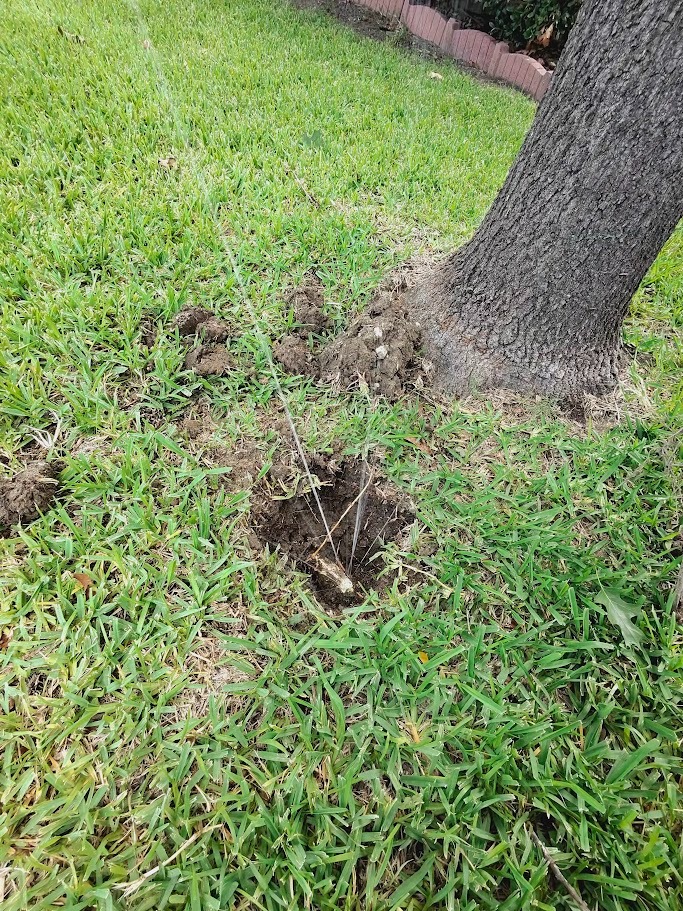
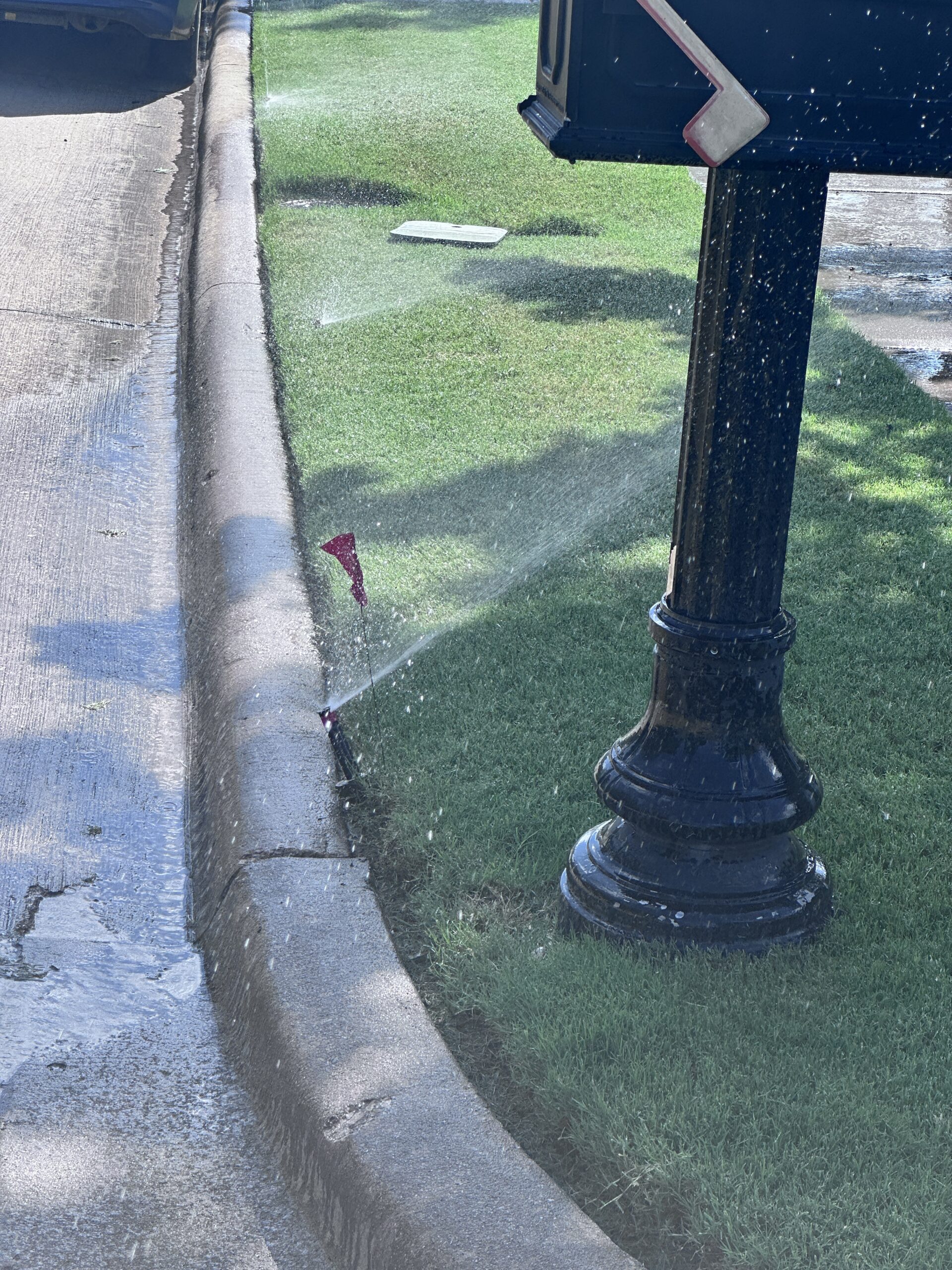
- Leaking Sprinkler Heads – Broken or misaligned heads can cause water to pool, damaging the lawn or nearby structures.
- Clogged Nozzles – Dirt, debris, or hard water deposits may block nozzles, reducing water distribution.
- Valve Malfunctions – Sticking or broken valves can cause some zones to overwater while others remain dry.
- Uneven Coverage – Improperly spaced or angled sprinklers can leave dry patches in the landscape.
- Low Water Pressure – Often caused by leaks, blocked pipes, or municipal supply issues.
Regular checks ensure these problems are caught early, preserving the health of your lawn and the longevity of your irrigation system.
DIY Irrigation System Check Tips
While professional inspections are ideal, homeowners can perform basic checks to identify issues before they escalate:
- Visual Inspection – Walk your property and check for broken heads, pooling water, or dry patches.
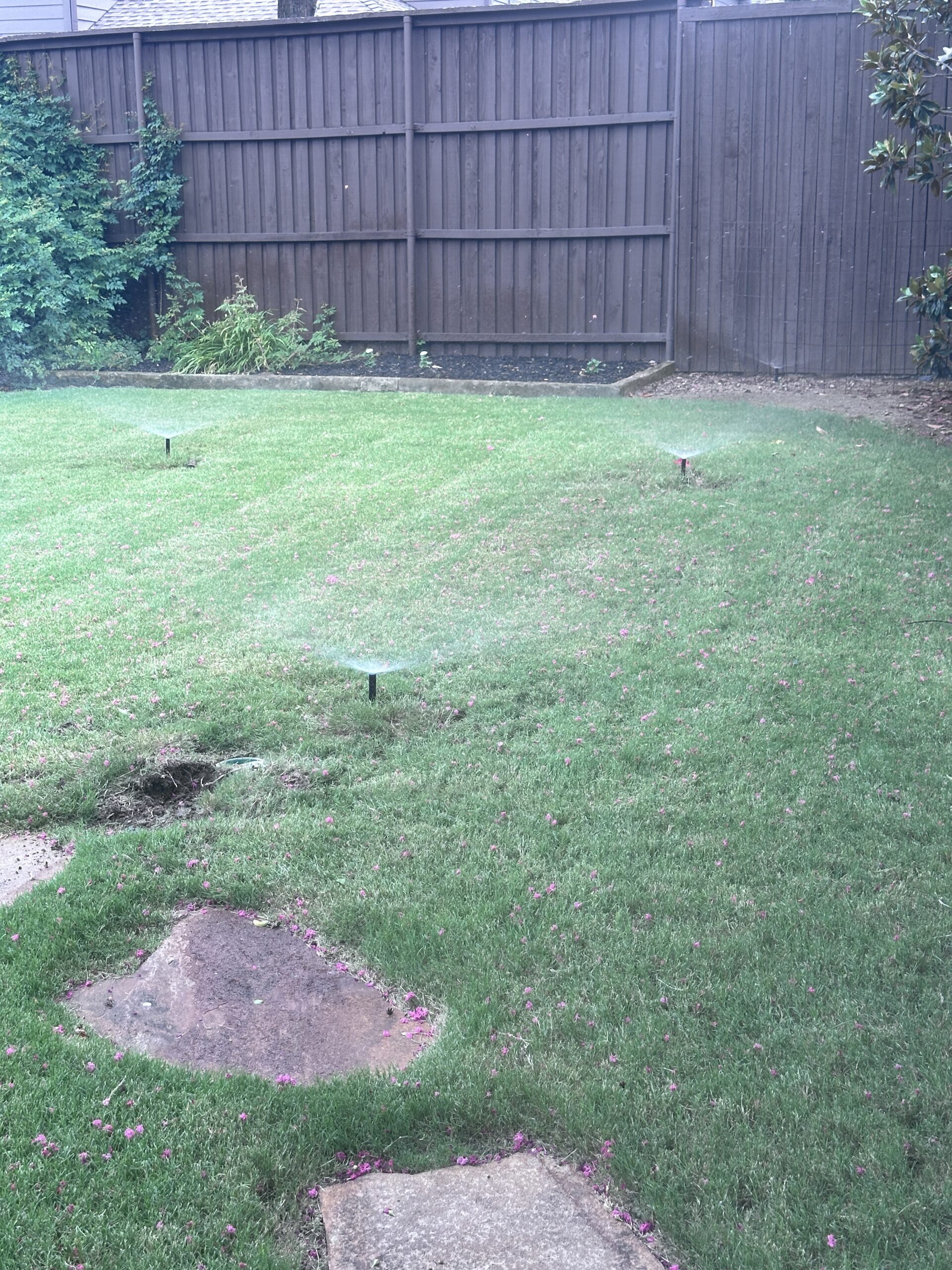
- Test Zones – Run each zone individually to confirm coverage and operation.
- Check Timers and Settings – Ensure schedules align with seasonal requirements and local water restrictions.
- Clean Filters and Nozzles – Remove debris that could obstruct water flow.
- Monitor Water Bills – Unexpected increases may indicate leaks or inefficiency.
For more detailed guidance, the Texas A&M AgriLife Extension provides resources for homeowners on irrigation best practices and water conservation techniques.
Professional Irrigation System Checks
Hiring professionals for an irrigation system check in Van Alstyne TX ensures comprehensive inspection and maintenance. Certified technicians use specialized tools to detect underground leaks, measure pressure accurately, and optimize each component. Professionals can also:
- Adjust sprinkler heads for maximum efficiency.
- Repair or replace faulty valves and pipes.
- Program smart controllers for seasonal efficiency.
- Conduct a soil moisture analysis to tailor watering schedules.
Professional checks not only save time but also prevent costly repairs and unnecessary water waste. According to the Irrigation Association, professionally maintained systems use up to 30% less water while maintaining healthier landscapes.
Seasonal Maintenance Considerations
Seasonal changes in Van Alstyne TX require adjustments to your irrigation system to ensure it remains effective year-round.
- Spring – Check for winter damage, test all zones, and adjust heads for growth patterns.
- Summer – Increase watering frequency but consider installing rain sensors to prevent overwatering.
- Fall – Reduce watering gradually and inspect for leaks caused by temperature fluctuations.
- Winter – Drain or winterize irrigation systems to prevent pipe freezing and cracking.
Following a seasonal maintenance plan maximizes efficiency, extends system life, and ensures your landscape thrives. For expert seasonal tips, the University of Texas Extension offers advice on irrigation and lawn care in North Texas climates.
Benefits of a Well-Maintained Irrigation System
Investing in regular irrigation system checks provides long-term benefits:
- Water Efficiency – Properly functioning systems reduce water waste and lower utility bills.
- Lawn Health – Even coverage ensures that grass, plants, and shrubs receive optimal hydration.
- Cost Savings – Early detection of leaks or broken parts prevents expensive repairs.
- Environmental Protection – Conserving water reduces runoff, erosion, and stress on local water sources.
- Peace of Mind – Knowing your system operates efficiently allows you to enjoy your outdoor space without worry.
For homeowners interested in learning more about water conservation, WaterSense offers practical tips for sustainable irrigation practices.
Upgrading Your Irrigation System
In addition to regular checks, upgrading your irrigation system can further enhance efficiency:
- Smart Controllers – Adjust watering schedules automatically based on local weather and soil conditions.
- Drip Irrigation – Provides targeted watering for flower beds, shrubs, and garden areas, reducing evaporation.
- High-Efficiency Nozzles – Minimize overspray and improve uniform water distribution.
- Rainwater Harvesting – Collect rainwater to supplement irrigation and reduce reliance on municipal water.
Modern upgrades complement regular maintenance and help homeowners meet sustainability goals while maintaining beautiful landscapes.
DIY vs. Professional Inspections
While homeowners can perform basic inspections, professional checks provide a level of thoroughness that DIY methods often miss. Professionals have the tools and expertise to detect hidden leaks, pressure issues, and system inefficiencies. Furthermore, they can recommend cost-effective solutions, install upgrades, and ensure that the system meets local regulations and water guidelines. Balancing DIY checks with professional inspections ensures both reliability and cost efficiency.
Emergency Repairs
Even with regular checks, unexpected irrigation problems may arise. Some common emergencies include:
- Major leaks causing water pooling or flooding.
- Broken valves or pipes disrupting watering schedules.
- Electrical or timer malfunctions that prevent zone operation.
In such cases, having a trusted professional on call ensures fast repairs, minimizes damage, and restores system functionality quickly. For urgent advice or repair guidance, the Irrigation Association’s directory helps locate certified service providers.
Integrating Water-Saving Practices
Alongside an irrigation system check, homeowners can adopt water-saving practices to enhance efficiency:
- Water early in the morning to reduce evaporation.
- Adjust schedules seasonally to match plant growth and rainfall.
- Use mulch to retain soil moisture.
- Group plants with similar water requirements in the same zone.
Combining these practices with a well-maintained irrigation system maximizes both environmental and financial benefits.
Conclusion
A comprehensive irrigation system check in Van Alstyne TX is essential for maintaining healthy lawns, conserving water, and preventing costly repairs. Regular inspections, whether DIY or professional, help detect problems early, optimize system performance, and ensure long-term reliability. Seasonal adjustments, modern upgrades, and water-saving practices further enhance efficiency and landscape vitality.
For homeowners and property managers seeking professional assistance, Whale Done Sprinklers & Irrigation offers expert services in Van Alstyne TX. Contact them at +1 (469) 384-7767 or clientsupport@callwhaledone.com to schedule an inspection, maintenance, or repair and enjoy a lush, well-irrigated lawn year-round.