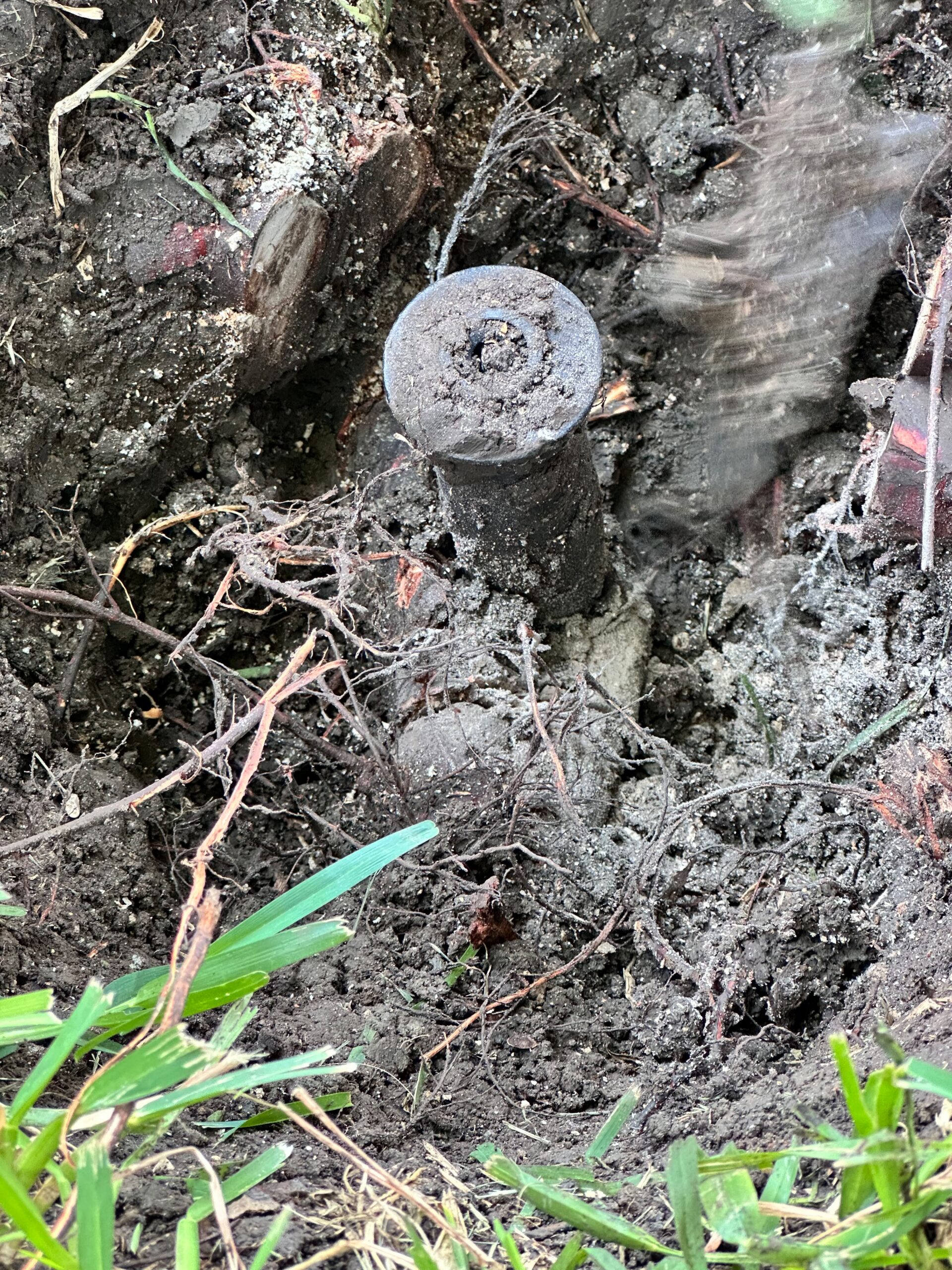
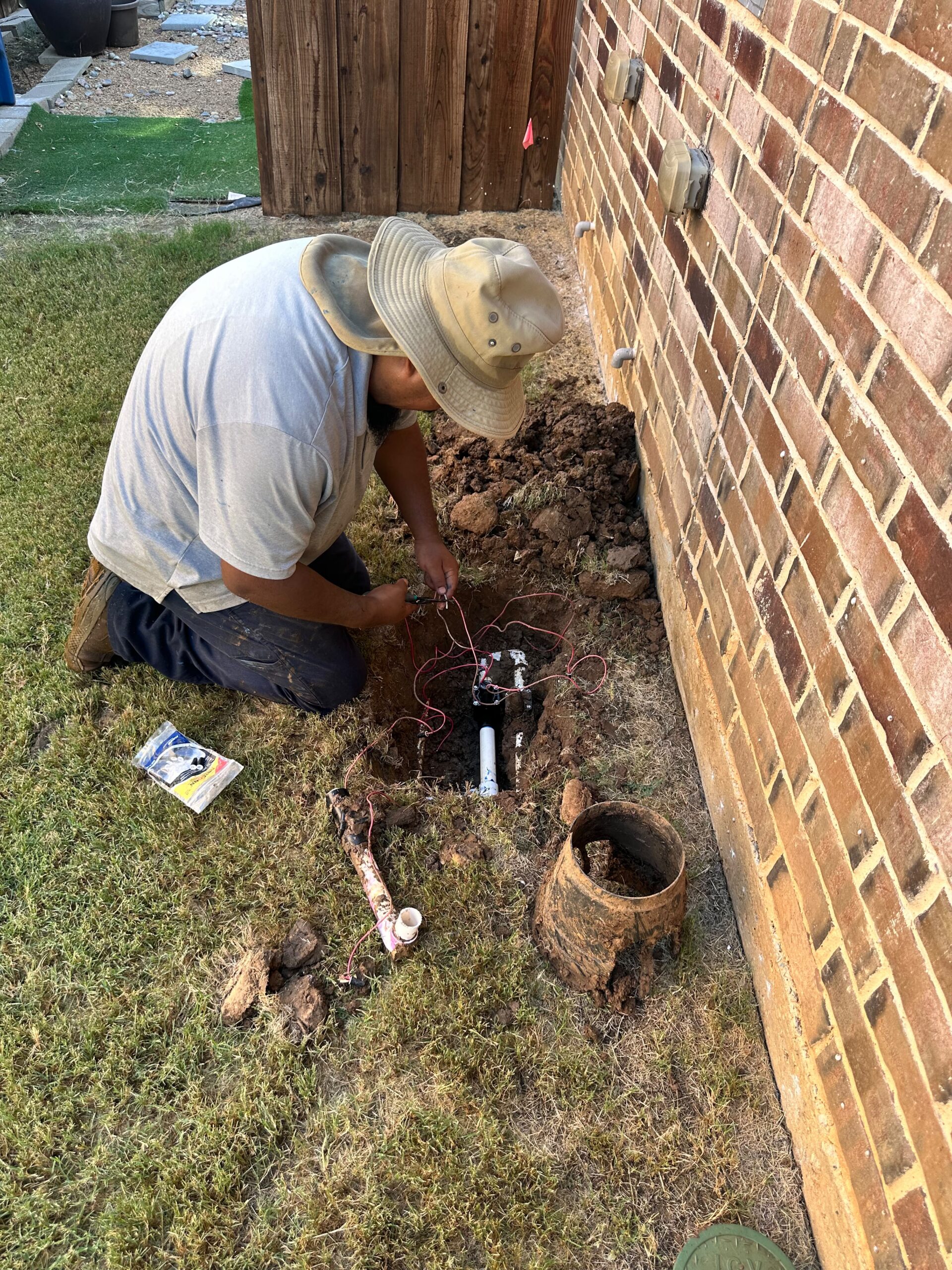
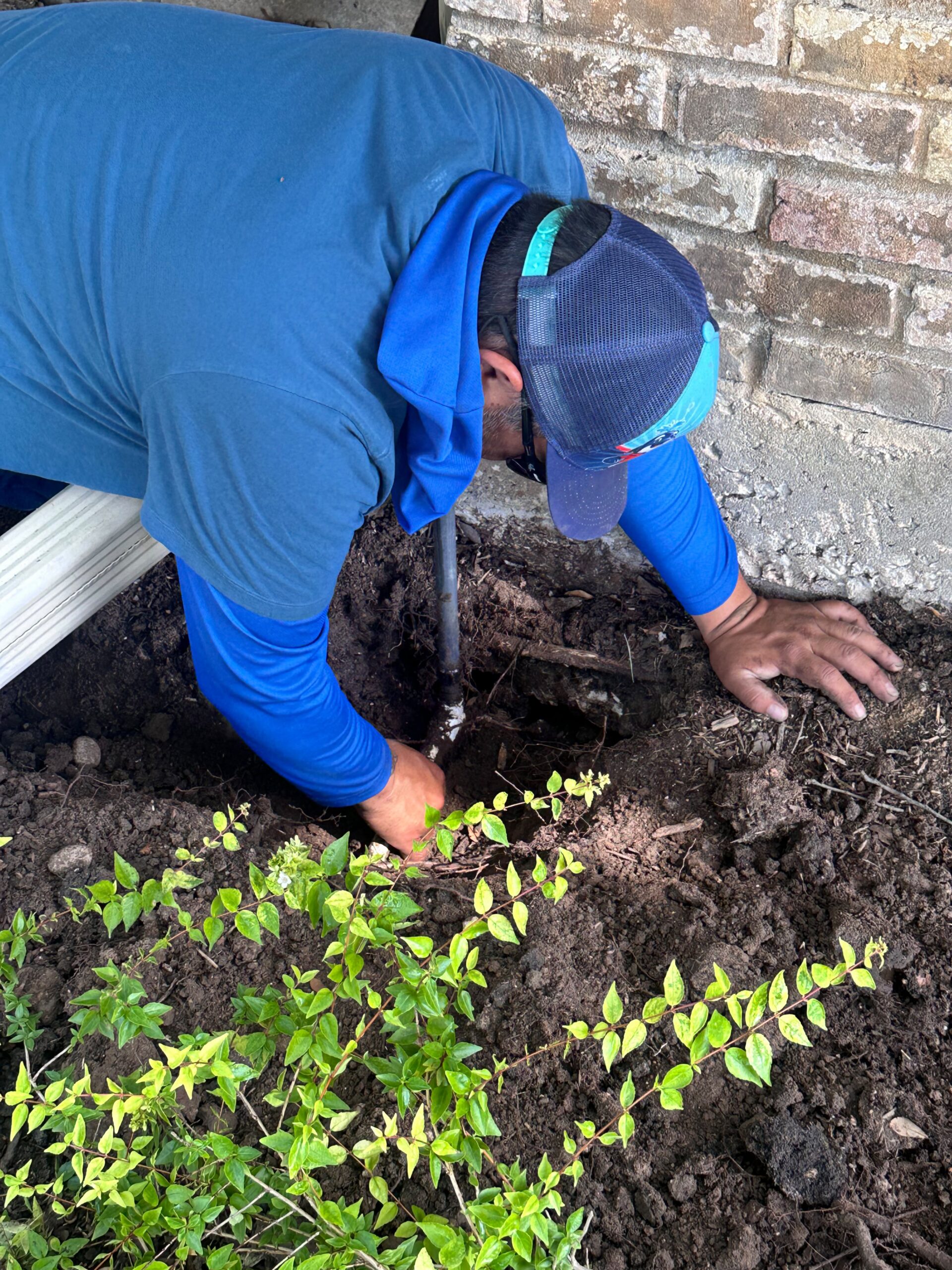
A sprinkler inspection in Anna TX is one of the most effective ways homeowners can maintain a healthy landscape, reduce water waste, and avoid costly irrigation repairs. While many property owners only think about their sprinkler systems when a problem becomes visible, routine inspections can identify hidden issues before they develop into major concerns. From seasonal weather changes to normal wear and tear, irrigation systems require regular attention to continue operating efficiently.
Anna, TX experiences varying weather conditions throughout the year, including hot summers, occasional freezes, and periods of heavy rainfall. These environmental factors can impact sprinkler components, making regular inspections an essential part of responsible property maintenance. Understanding how often to schedule inspections and what professionals evaluate during the process can help homeowners protect both their investment and their landscape.
Why Sprinkler Inspections Are Important
A sprinkler system is made up of numerous interconnected components, including valves, pipes, sprinkler heads, controllers, and sensors. When one component malfunctions, the performance of the entire system may be affected.
Routine inspections help identify issues such as:
- Leaking sprinkler heads
- Broken or clogged nozzles
- Damaged underground pipes
- Misaligned spray patterns
- Controller programming errors
- Faulty valves
- Water pressure irregularities
According to the EPA WaterSense Program, efficient irrigation practices can significantly reduce unnecessary water usage while helping landscapes remain healthy. Regular inspections ensure that sprinkler systems operate as intended and comply with water conservation best practices.
How Often Should Homeowners Schedule A Sprinkler Inspection?
For most residential properties, experts recommend scheduling a professional sprinkler inspection at least once per year. However, several factors may increase the need for more frequent evaluations.
Annual Inspections
An annual inspection is generally sufficient for homeowners with:
- Well-maintained irrigation systems
- Smaller residential landscapes
- Minimal landscaping changes
- No recent repair history
A yearly inspection allows technicians to assess system performance and identify developing issues before they become expensive repairs.
Twice-Yearly Inspections
Many irrigation professionals recommend inspections twice annually:
- Spring startup inspection
- Fall or winter preparation inspection
This schedule helps ensure optimal performance during peak watering seasons while preparing the system for cooler temperatures.
Quarterly Inspections
Properties with extensive landscaping, high water demands, or older irrigation systems may benefit from quarterly inspections.
More frequent evaluations help detect:
- Component deterioration
- Seasonal adjustments
- Water distribution problems
- Landscape growth interference
Regular monitoring can improve system efficiency and extend equipment lifespan.
Spring Is Often The Best Time For A Sprinkler Inspection
Spring is considered one of the most important times to schedule an inspection.
After winter weather, irrigation systems may experience:
- Cracked pipes
- Damaged sprinkler heads
- Valve malfunctions
- Controller disruptions
A spring inspection ensures the system is prepared for increased watering demands during warmer months.
Technicians typically evaluate:
- Coverage patterns
- Water pressure
- Valve operation
- Controller settings
- Sensor functionality
Addressing issues early in the season helps prevent water waste and promotes healthier lawn growth throughout the year.
Signs You Should Schedule An Inspection Immediately
While annual inspections are recommended, certain warning signs indicate the need for immediate professional attention.
Unusually High Water Bills
A sudden increase in water usage may indicate hidden leaks or malfunctioning sprinkler components.
Underground leaks often remain unnoticed until water bills begin rising significantly.
Wet Or Soggy Areas
Persistent puddles or overly saturated areas may signal:
- Pipe leaks
- Valve problems
- Broken sprinkler heads
Ignoring these issues can lead to landscape damage and soil erosion.
Dry Patches In The Lawn
Brown or dry areas often indicate uneven water distribution.
Possible causes include:
- Clogged nozzles
- Misaligned heads
- Inadequate pressure
- Controller issues
An inspection can quickly determine the source of the problem.
Sprinkler Heads Not Retracting
Sprinkler heads that remain extended after operation are susceptible to damage from foot traffic and lawn equipment.
Prompt repairs can prevent more extensive system failures.
Reduced Water Pressure
Weak spray patterns may indicate:
- Pipe damage
- Valve restrictions
- Clogged components
Professional diagnostics can identify the underlying cause.
Factors That Affect Inspection Frequency
Several property-specific factors influence how often inspections should be scheduled.
System Age
Older irrigation systems naturally experience greater wear and tear.
Components may become:
- Less efficient
- More vulnerable to leaks
- Prone to mechanical failure
Homeowners with aging systems often benefit from more frequent evaluations.
Landscape Complexity
Properties featuring:
- Flower beds
- Trees
- Shrubs
- Multiple irrigation zones
may require additional monitoring to maintain proper coverage.
As plants grow, sprinkler patterns can become obstructed, reducing watering efficiency.
Soil Conditions
Different soil types affect irrigation performance.
For example:
- Clay soils retain water longer.
- Sandy soils drain quickly.
- Loamy soils offer balanced absorption.
Inspection professionals can adjust watering schedules to match specific soil conditions.
Helpful information about soil management can be found through the Natural Resources Conservation Service.
Seasonal Weather Patterns
Anna experiences changing weather conditions throughout the year.
Heavy rain, drought conditions, and occasional winter freezes can all impact sprinkler performance.
Routine inspections help ensure systems remain responsive to changing environmental demands.
What Happens During A Professional Sprinkler Inspection?
Many homeowners are unaware of how comprehensive a professional inspection can be.
A typical inspection includes:
Controller Assessment
Technicians verify:
- Programming accuracy
- Seasonal adjustments
- Backup battery condition
- Zone operation
Incorrect controller settings often contribute to water waste.
Sprinkler Head Evaluation
Every sprinkler head is inspected for:
- Alignment
- Damage
- Obstructions
- Coverage efficiency
Proper positioning ensures even water distribution.
Leak Detection
Professionals inspect for visible and hidden leaks throughout the system.
Leak detection may involve:
- Pressure testing
- Visual inspections
- Zone-by-zone evaluations
Early leak identification can significantly reduce future repair costs.
Valve Inspection
Valves regulate water flow throughout the irrigation system.
Technicians assess:
- Proper opening and closing
- Electrical connections
- Signs of wear
Faulty valves can cause continuous water flow or zone failures.
Pressure Testing
Maintaining proper water pressure is critical for irrigation performance.
Pressure testing helps identify:
- Underground leaks
- Obstructions
- Supply issues
Balanced pressure improves coverage and system efficiency.
The Financial Benefits Of Routine Inspections
Some homeowners view inspections as an optional expense, but preventative maintenance often saves money over time.
Benefits include:
Reduced Repair Costs
Minor problems are generally less expensive to fix than major system failures.
Routine inspections help identify issues before they escalate.
Lower Water Bills
Efficient irrigation minimizes water waste and helps reduce monthly utility expenses.
Water conservation recommendations from the Alliance for Water Efficiency highlight the importance of maintaining irrigation systems for long-term savings.
Extended Equipment Lifespan
Proper maintenance helps components last longer.
This may delay costly system replacements and improve overall return on investment.
Landscape Protection
Healthy irrigation supports:
- Strong root development
- Consistent plant growth
- Improved curb appeal
Protecting landscape investments can enhance property value.
DIY Checks Between Professional Inspections
Although professional inspections are important, homeowners can perform basic visual checks throughout the year.
Consider monitoring:
- Broken sprinkler heads
- Uneven spray patterns
- Pooling water
- Dry landscape areas
- Controller settings
Regular observation can help identify issues before scheduled inspections.
However, professional evaluations remain necessary because many problems occur underground and cannot be easily detected without specialized equipment.
Water Conservation And Environmental Responsibility
Properly maintained irrigation systems support broader environmental goals.
Efficient watering practices help:
- Reduce water waste
- Minimize runoff
- Prevent soil erosion
- Support sustainable landscaping
The Irrigation Association emphasizes the importance of professional irrigation management for improving water efficiency and environmental stewardship.
As communities continue to prioritize conservation efforts, regular sprinkler inspections become increasingly valuable for responsible property ownership.
Creating A Long-Term Irrigation Maintenance Plan
The most effective approach is to view inspections as part of a long-term maintenance strategy.
A proactive plan may include:
- Annual or semiannual inspections
- Seasonal controller adjustments
- Prompt leak repairs
- Sprinkler head replacements as needed
- Periodic system upgrades
Maintaining detailed service records can also help homeowners track system performance and identify recurring issues.
Over time, consistent maintenance contributes to greater reliability, lower operating costs, and healthier landscapes.
Conclusion
Scheduling a sprinkler inspection in Anna TX at least once per year is a smart investment for homeowners seeking to protect their landscape, improve irrigation efficiency, and avoid unnecessary repair expenses. Depending on system age, property size, and environmental conditions, some homes may benefit from inspections twice annually or even quarterly. Regular maintenance allows professionals to identify hidden problems, optimize watering performance, and extend the life of critical irrigation components. By prioritizing a routine sprinkler inspection in Anna TX, homeowners can enjoy healthier lawns, lower water bills, and greater peace of mind throughout the year.
For professional sprinkler inspection services, homeowners can contact Whale Done Sprinklers & Irrigation at +1(469) 384-7767 or email clientsupport@callwhaledone.com for expert assistance and dependable irrigation solutions.