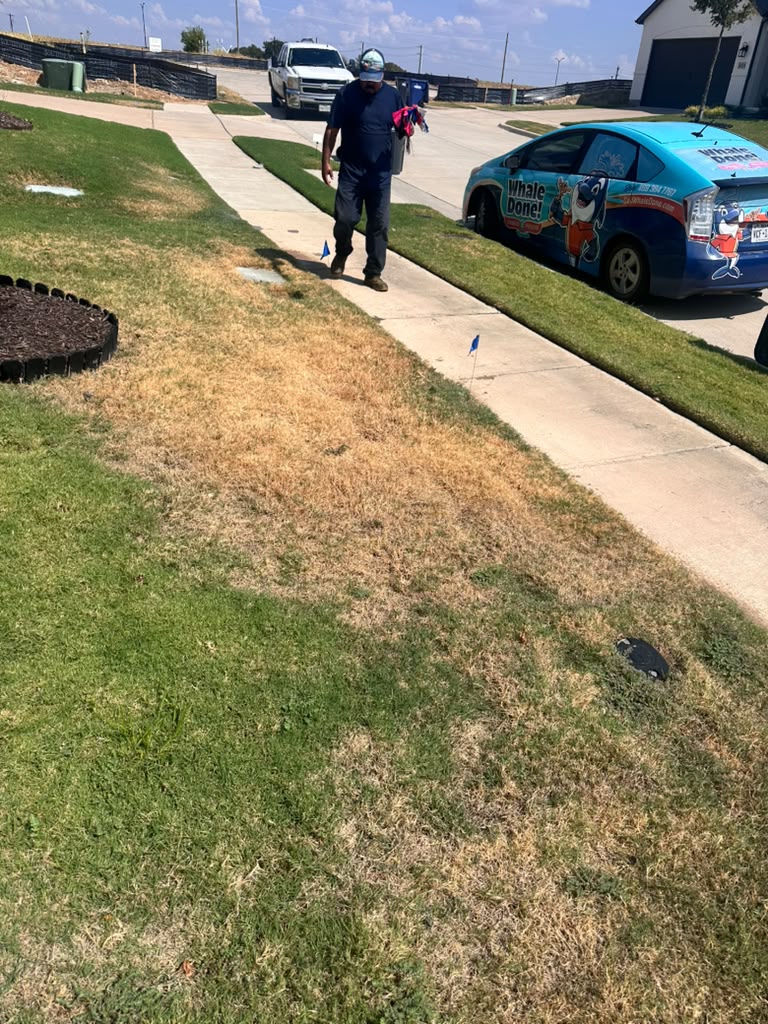
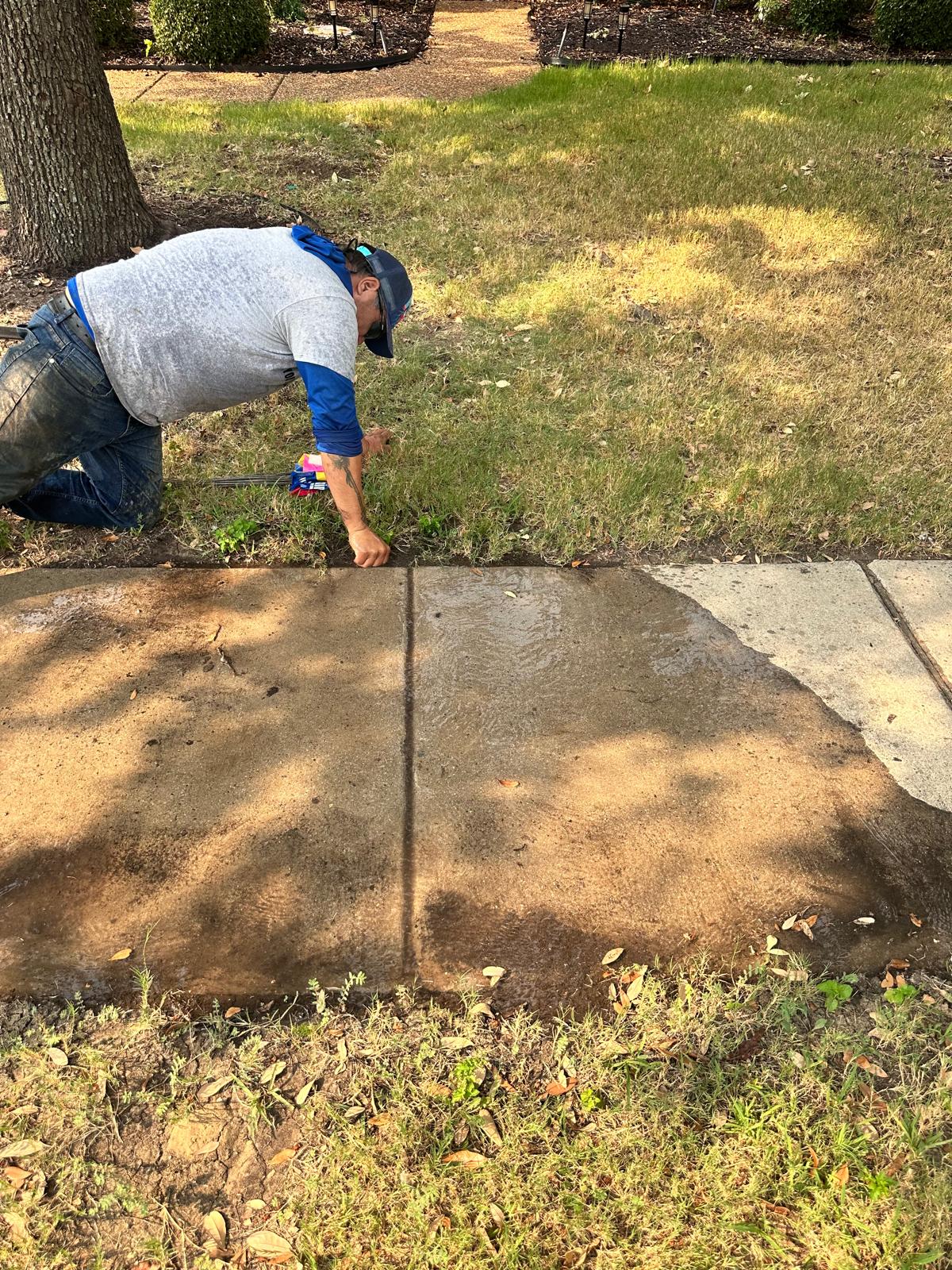
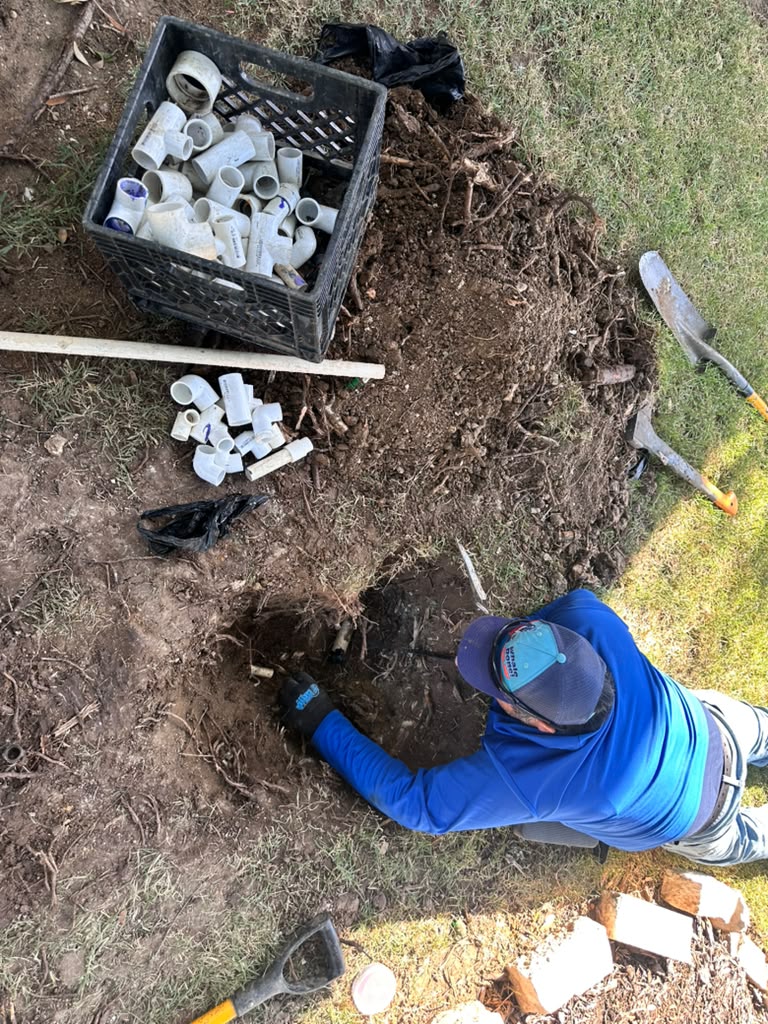
A sprinkler system inspection in Oak Point is essential for every homeowner who wants a healthy, vibrant lawn year-round, because routine professional evaluations help identify uneven spray patterns, hidden leaks, clogged nozzles, and pressure imbalances that silently waste water, damage turf health, increase utility bills, reduce irrigation efficiency, and shorten the system’s long-term reliability and effectiveness.
During a detailed inspection, trained technicians evaluate each irrigation zone, confirm proper coverage, adjust sprinkler heads, test controllers, and recommend seasonal programming changes that match Oak Point’s clay-heavy soil and shifting weather patterns, ensuring efficient water distribution, preventing dry patches and overwatering, protecting plant health, extending system lifespan, and giving homeowners peace of mind knowing their landscape remains consistently green and resilient.
Understanding Oak Point’s Lawn Challenges
Oak Point’s landscapes often consist of clay-heavy soils that retain water differently than sandy or loamy soils. This characteristic can lead to uneven absorption, creating dry patches or overly saturated areas. According to the Texas A&M AgriLife Extension, clay soil expansion and contraction can gradually shift underground irrigation pipes, causing leaks or misaligned sprinkler heads.
Moreover, Oak Point experiences seasonal weather extremes, from hot summers to occasional freezes in winter. These conditions can affect irrigation timing and system durability. Homeowners who rely on a “set it and forget it” approach may find themselves facing broken pipes, malfunctioning valves, or inefficient water use over time.
Key Benefits of Regular Sprinkler System Inspections
Early Detection of Issues
Routine inspections identify minor sprinkler problems before they escalate into expensive and disruptive repairs that could damage your lawn and irrigation system. Catching leaks, clogged nozzles, broken sprinkler heads, pressure imbalances, or faulty valves early helps conserve water, reduce monthly utility costs, prevent landscape damage, and avoid unexpected system breakdowns.
Optimized Water Usage
An efficiently operating sprinkler system ensures water is distributed evenly and only where it is needed, preventing waste and runoff. Professional inspections fine-tune spray patterns, adjust zones, and recalibrate smart controllers based on seasonal conditions, helping lower utility bills, conserve resources, and maintain consistently healthy, green turf.
Extended Equipment Lifespan
Regular inspections keep every component of your irrigation system functioning properly, from underground pipes and valves to sprinkler heads and timers. Preventative maintenance reduces strain on the system, minimizes wear and tear, prevents corrosion or pressure damage, and significantly extends the lifespan of your entire irrigation investment.
Enhanced Landscape Health
A properly maintained sprinkler system delivers balanced watering across all lawn and garden areas, eliminating dry spots and preventing oversaturation. This promotes deeper root growth, reduces soil erosion, protects plants from stress, and supports vibrant landscaping that enhances curb appeal and increases overall property value.
For more tips on landscape health, visit The Spruce.
Components Checked During an Inspection
During a professional sprinkler system inspection, technicians examine several critical components:
- Sprinkler Heads: Checked to ensure proper spray coverage, correct alignment, and consistent water distribution across all zones. Technicians also inspect for clogs, physical damage, wear, and inefficient spray patterns affecting performance.
- Pipes and Fittings: Carefully inspected for hidden leaks, visible cracks, loose connections, corrosion, and pressure inconsistencies. Proper pipe condition ensures efficient water flow, prevents waste, and protects surrounding soil and landscaping areas.
- Valves and Timers: Tested to confirm they open and close correctly, respond to programmed schedules, and regulate water flow properly. Accurate timer programming ensures efficient watering and prevents overwatering or underwatering.
- Backflow Prevention: Examined to verify the device functions correctly and meets local safety standards. This prevents contaminated irrigation water from flowing backward into the clean household water supply system.
Each component plays a vital role in system performance. Missed issues can lead to uneven watering, lawn damage, or increased water bills.
Seasonal Considerations
Spring
During spring, irrigation systems are carefully restarted after winter dormancy, allowing technicians to test every zone, inspect sprinkler heads, detect leaks, and recalibrate controllers to ensure even coverage and efficient performance. These adjustments prepare the system for active plant growth, improve water efficiency, prevent early-season damage, and ensure lawns receive consistent hydration.
Summer
In summer, inspections focus on fine-tuning watering schedules to address extreme heat, increased evaporation, and rapid soil drying, ensuring lawns and plants receive adequate moisture without waste. Technicians adjust spray timing to early morning hours, optimize pressure, and use cycle-and-soak methods to improve absorption, protect turf health, and reduce unnecessary water loss.
Fall
Fall inspections prepare sprinkler systems for cooler temperatures by reducing watering frequency, adjusting zones based on slower plant growth, and ensuring moisture levels remain balanced without oversaturation. These seasonal adjustments prevent fungal issues, protect root systems, conserve water, and prepare irrigation components for seasonal transition.
Winter
Winterization protects irrigation systems from freezing temperatures by draining water from pipes, blowing out lines with compressed air, and insulating vulnerable components to prevent cracks, bursts, and costly damage. Proper winter preparation ensures long-term reliability, reduces repair expenses, and allows systems to restart smoothly in spring 🌱
For seasonal irrigation best practices, check out Irrigation Association.
DIY vs. Professional Inspections
While homeowners can perform basic checks, professional inspections offer several advantages:
- Advanced tools to detect hidden leaks and blockages.
- Knowledge of local soil, climate, and municipal water regulations.
- Recommendations for efficiency upgrades, such as smart controllers or drip irrigation enhancements.
DIY inspections may save a small amount upfront, but professionals ensure long-term reliability and system efficiency. For guidance on irrigation technology, WaterSense provides excellent resources.
Common Problems Identified During Inspections
- Leaking Pipes: Hidden leaks within underground irrigation lines can go unnoticed for months, slowly wasting large amounts of water, increasing utility bills, weakening soil stability, and potentially damaging your lawn’s root system and foundation areas.
- Clogged or Misaligned Sprinkler Heads: Dirt buildup, debris, or accidental impact can clog or shift sprinkler heads, causing uneven spray patterns, dry patches, oversaturated spots, stressed plants, and inconsistent lawn growth throughout the landscape.
- Faulty Valves and Timers: Malfunctioning valves or incorrectly programmed timers can disrupt watering schedules, leading to overwatering, underwatering, higher water costs, unhealthy turf conditions, and unnecessary strain on your irrigation system components.
- Pressure Imbalances: Excessively high or low water pressure affects spray range and distribution, resulting in misting, runoff, inadequate coverage, wasted water, and reduced overall irrigation efficiency across different lawn zones.
Addressing these issues promptly protects both your landscape and your wallet.
Why Oak Point Homeowners Should Prioritize Inspections
Oak Point’s unique combination of hot summers, seasonal rainfall, and clay-rich soil makes professional sprinkler inspections especially important for maintaining a healthy, vibrant lawn. The region’s heavy clay soil tends to retain water unevenly, while seasonal weather changes can strain irrigation systems, causing leaks, misaligned heads, or pressure imbalances. Routine inspections identify these issues early, preventing costly repairs and avoiding unnecessary water waste.
Beyond protecting your system, professional evaluations also support environmental sustainability by ensuring water is used efficiently and responsibly. Homeowners who invest in regular sprinkler inspections can enjoy consistently healthy turf, prevent dry or waterlogged areas, reduce utility bills, and improve the overall appearance and value of their property, creating a lush, thriving landscape year-round.
For information on local landscape care tips, visit LawnStarter.
Choosing a Qualified Inspection Provider
When selecting an inspection service, consider:
- Licensing and certifications.
- Experience with Oak Point soil and weather conditions.
- Transparent reporting with documented recommendations.
- Use of modern diagnostic tools for precise assessments.
A professional with local expertise ensures your system operates efficiently and meets safety standards.
Conclusion
Scheduling a sprinkler system inspection in Oak Point is an investment in the longevity, efficiency, and health of your landscape. For trusted services, homeowners can contact Whale Done Sprinklers & Irrigation at +1 (469) 384-7767 or email clientsupport@callwhaledone.com. Their experienced team provides thorough inspections, expert advice, and reliable solutions to keep lawns lush and systems running flawlessly.