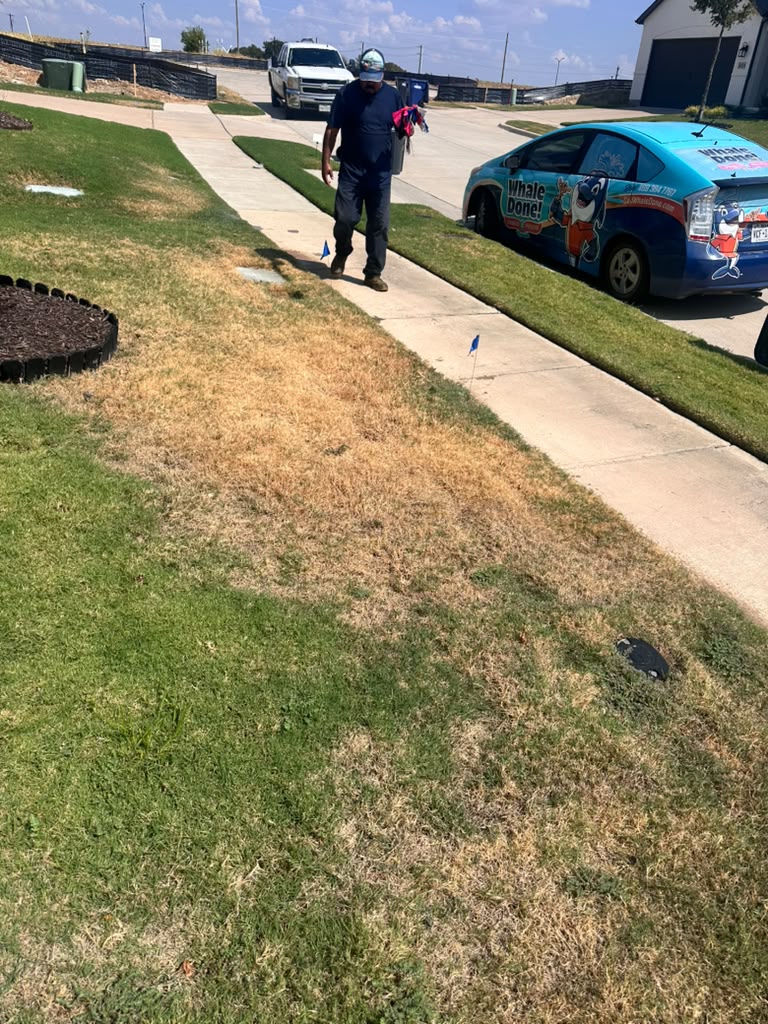
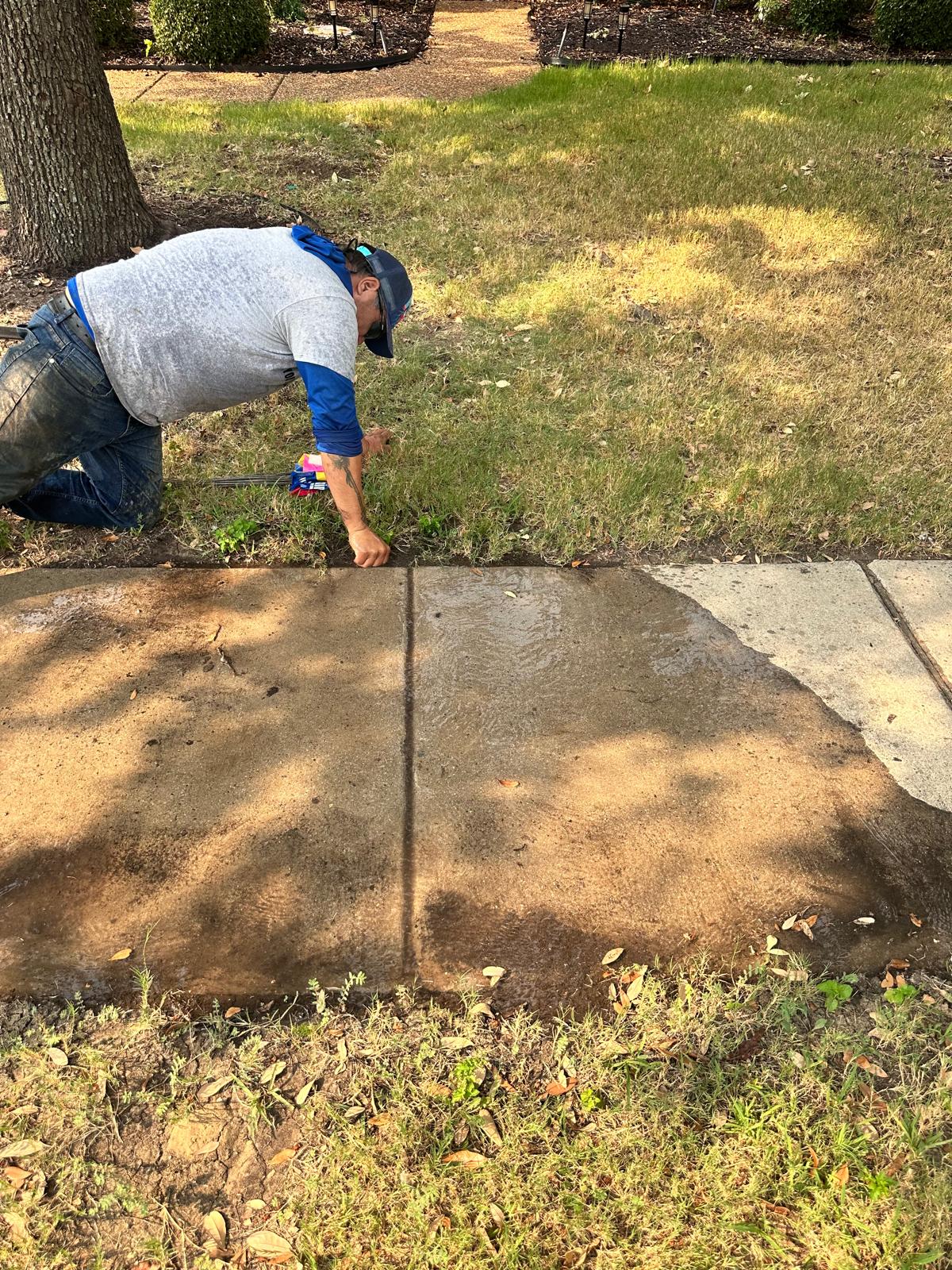
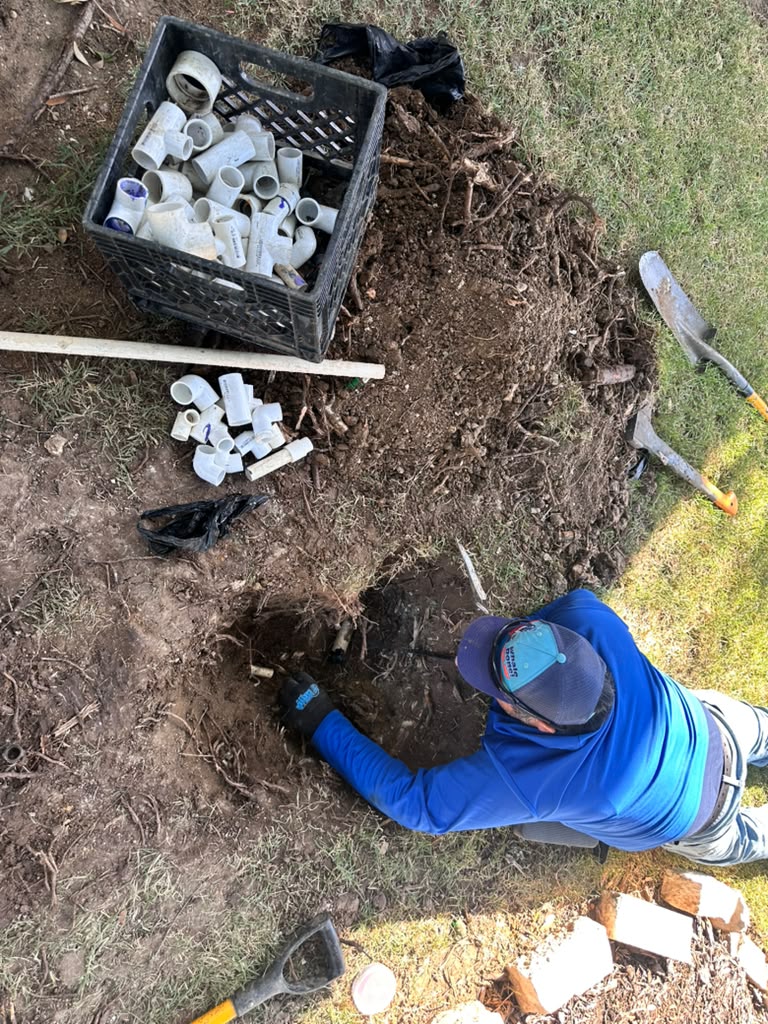
Sprinkler heads in Melissa TX play a critical role in maintaining a healthy, green lawn, especially in a region where weather conditions can shift quickly. Properly adjusted sprinkler heads ensure even water distribution, prevent dry patches, and minimize water waste. However, many homeowners overlook the importance of fine-tuning their irrigation system, leading to inefficient watering and higher utility bills.
In Melissa, TX, where clay soil and seasonal weather changes are common, optimizing your sprinkler system is not just a matter of convenience—it’s essential for long-term lawn health. This guide will walk you through how to adjust sprinkler heads effectively, improve coverage, and maximize your irrigation system’s performance.
Understanding How Sprinkler Heads Work
Before making adjustments, it’s important to understand the basics of how sprinkler heads function. Sprinkler heads are designed to distribute water in specific patterns, such as full-circle, half-circle, or quarter-circle sprays. Each type serves a unique purpose depending on the layout of your lawn.
There are three common types of sprinkler heads:
- Fixed Spray Heads – Ideal for small, consistent areas, fixed spray heads deliver a uniform fan-shaped pattern that provides even water coverage. They work best for compact lawns, flower beds, and landscaped spaces where precise watering helps prevent dry spots and reduces unnecessary water waste.
- Rotor Heads – Designed for larger lawns, rotor heads distribute water through rotating streams that cover greater distances with controlled application. Their slower watering rate allows moisture to soak into the soil more effectively, making them an excellent choice for expansive residential landscapes.
- Drip Emitters – Best for targeted watering around plants, shrubs, trees, and garden beds, drip emitters deliver water directly to the root zone at a slow, steady rate. This method minimizes evaporation, reduces runoff, conserves water, and encourages healthier plant growth throughout the growing season.
Each type requires different adjustment techniques, so identifying what you have is the first step toward better coverage.
Why Proper Adjustment Matters
Improperly adjusted sprinkler heads can create a variety of problems that affect both your lawn and your property’s overall efficiency. When sprinkler heads are not properly aligned, they may leave dry patches in some areas while overwatering others, resulting in uneven lawn growth. Excess water can also cause runoff, washing away soil and increasing the risk of erosion around landscaped areas. In addition, watering sidewalks, driveways, or other hard surfaces wastes water and may contribute to higher monthly utility bills.
According to the Environmental Protection Agency (EPA), properly maintained irrigation systems help reduce unnecessary water use while supporting healthy landscapes. Taking the time to adjust sprinkler heads correctly ensures water is applied where it is needed most, improving coverage, conserving resources, and protecting your outdoor spaces.
Common Signs Your Sprinkler Heads Need Adjustment
Recognizing when your sprinkler system needs attention can save time and money. Look for these signs:
- Water spraying onto pavement or fences
- Weak or inconsistent water pressure
- Patches of dry or overly saturated grass
- Sprinkler heads not popping up properly
If you notice any of these issues, it’s time to inspect and adjust your system.
Step-by-Step Guide to Adjusting Sprinkler Heads
1. Turn On the System
Begin by turning on your sprinkler system and allow each irrigation zone to complete its watering cycle. Carefully observe how the water is distributed across your lawn, garden, and landscaped areas. Look for uneven coverage, excessive misting, overspray onto sidewalks or driveways, puddles, and dry patches. This initial inspection helps you identify which sprinkler heads need adjustment.
2. Identify Misaligned Heads
Walk around your property while the sprinkler system is running and inspect every sprinkler head individually. Look for heads that are tilted, spraying in the wrong direction, blocked by grass or plants, or failing to reach their intended coverage area. Identifying these issues early allows you to make precise adjustments that improve watering efficiency and promote healthier, more consistent lawn growth.
3. Adjust the Spray Direction
Most sprinkler heads can be adjusted manually:
- For spray heads, gently rotate the nozzle to redirect water flow
- For rotor heads, use a screwdriver or adjustment key to change the arc
4. Modify the Spray Distance
To control how far water travels:
- Turn the radius screw clockwise to reduce distance
- Turn it counterclockwise to increase coverage
This is especially important in Melissa, TX, where wind conditions can affect water distribution.
5. Clean the Nozzles
Clogged nozzles can significantly reduce water pressure and create uneven spray patterns, leaving parts of your lawn under-watered. Regularly inspect each sprinkler nozzle and remove dirt, grass clippings, sand, or other debris that may block water flow. Keeping nozzles clean ensures consistent spraying, improves irrigation efficiency, and promotes healthier, more uniform lawn coverage.
Sprinkler Heads in Melissa TX: Local Considerations
Adjusting sprinkler heads in Melissa TX requires more than simply changing the spray direction—it also involves considering the area’s unique environmental conditions. Melissa’s heavy clay soil absorbs water at a slower rate than sandy soil, making it more susceptible to runoff and pooling when too much water is applied too quickly. To improve irrigation efficiency, use the cycle-and-soak method, which waters in shorter intervals and allows moisture to soak into the ground gradually.
It’s also important to adjust your watering schedule based on seasonal rainfall to avoid overwatering and conserve water. Additionally, irrigate during the early morning or late evening instead of peak afternoon heat to minimize evaporation and maximize absorption. For additional irrigation best practices, consult the EPA WaterSense Irrigation Tips.
Optimizing Coverage for Different Lawn Areas
Lawn Areas
For open grassy spaces, ensure overlapping coverage between sprinkler heads. This prevents dry spots and ensures uniform growth.
Garden Beds
Use drip irrigation or low-flow heads to avoid overwatering delicate plants. Learn more about efficient watering methods from Texas A&M AgriLife Extension Landscaping Resources.
Sloped Areas
Adjust sprinkler heads to reduce water pressure and prevent runoff. Slopes require careful calibration to avoid soil erosion.
Seasonal Adjustments for Better Performance
Melissa, TX experiences varying weather conditions throughout the year. Adjust your sprinkler system accordingly:
- Spring: Increase watering frequency as plants begin to grow
- Summer: Water early in the morning to minimize evaporation
- Fall: Gradually reduce watering as temperatures drop
- Winter: Prepare your system for freezing conditions if necessary
Seasonal adjustments ensure your lawn receives the right amount of water without unnecessary waste.
Benefits of Properly Adjusted Sprinkler Heads
When your sprinkler system is properly calibrated, you’ll notice several advantages:
- Healthier, greener lawn
- Reduced water consumption
- Lower utility bills
- Extended lifespan of your irrigation system
Efficient irrigation also supports environmental conservation efforts. Organizations like the Irrigation Association emphasize the importance of smart water management practices.
Incorporating Smart Irrigation Technology
Modern irrigation systems use advanced technology to make watering more accurate, efficient, and convenient for homeowners. Smart irrigation controllers automatically adjust watering schedules based on real-time weather conditions, helping prevent unnecessary watering during rainfall or cooler temperatures. These systems monitor local weather data, automate irrigation timing, and optimize water usage to keep landscapes healthy throughout the year.
By delivering the right amount of water at the right time, smart controllers reduce water waste, lower utility costs, and promote stronger plant growth. They also minimize the need for manual adjustments, making lawn care easier while supporting long-term water conservation and improving the overall performance and efficiency of your irrigation system.
You can explore smart irrigation solutions at Irrigation Association Smart Watering Guide.
Troubleshooting Common Adjustment Issues
Even after adjustments, you may encounter challenges. Here’s how to address them:
Low Water Pressure
- Check for leaks in the system
- Ensure valves are fully open
Uneven Coverage
- Reposition sprinkler heads
- Adjust spray patterns for overlap
Persistent Dry Spots
- Inspect for clogged nozzles
- Consider adding additional sprinkler heads
For DIY repair tips, resources like Family Handyman Sprinkler Repair Guide can be helpful.
Maintenance Tips to Keep Your System Efficient
Regular maintenance is key to keeping your sprinkler system in top condition:
- Inspect sprinkler heads monthly
- Clean nozzles and filters
- Check for leaks or damaged components
- Adjust settings based on seasonal changes
Consistent upkeep prevents costly repairs and ensures optimal performance.
When to Call a Professional
While many sprinkler head adjustments can be handled by homeowners, certain problems are best left to experienced professionals. Complex irrigation system issues, electrical or controller malfunctions, and persistent leaks or ongoing water pressure problems often require specialized tools and technical expertise to diagnose accurately. Attempting to repair these issues without proper knowledge may lead to further damage, higher repair costs, or reduced system efficiency.
Professional technicians can thoroughly inspect the entire irrigation system, identify the root cause of the problem, make precise adjustments, and perform lasting repairs. Their expertise helps restore even water coverage, improve system performance, conserve water, and extend the lifespan of your sprinkler system while giving you confidence that the job has been completed correctly.
Conclusion
Properly adjusting sprinkler heads in Melissa TX is essential for maintaining a healthy lawn, conserving water, and ensuring your irrigation system operates efficiently. By understanding how sprinkler heads work, making regular adjustments, and considering local environmental factors, you can achieve even coverage and long-term landscape success.
If you need expert help with your irrigation system, Whale Done Sprinklers & Irrigation is here to assist. Their team provides reliable sprinkler services tailored to the needs of Melissa homeowners.
Contact Details:
Phone: +1 (469) 384-7767
Email: clientsupport@callwhaledone.com
Investing in proper sprinkler maintenance today ensures a greener, healthier lawn for years to come.