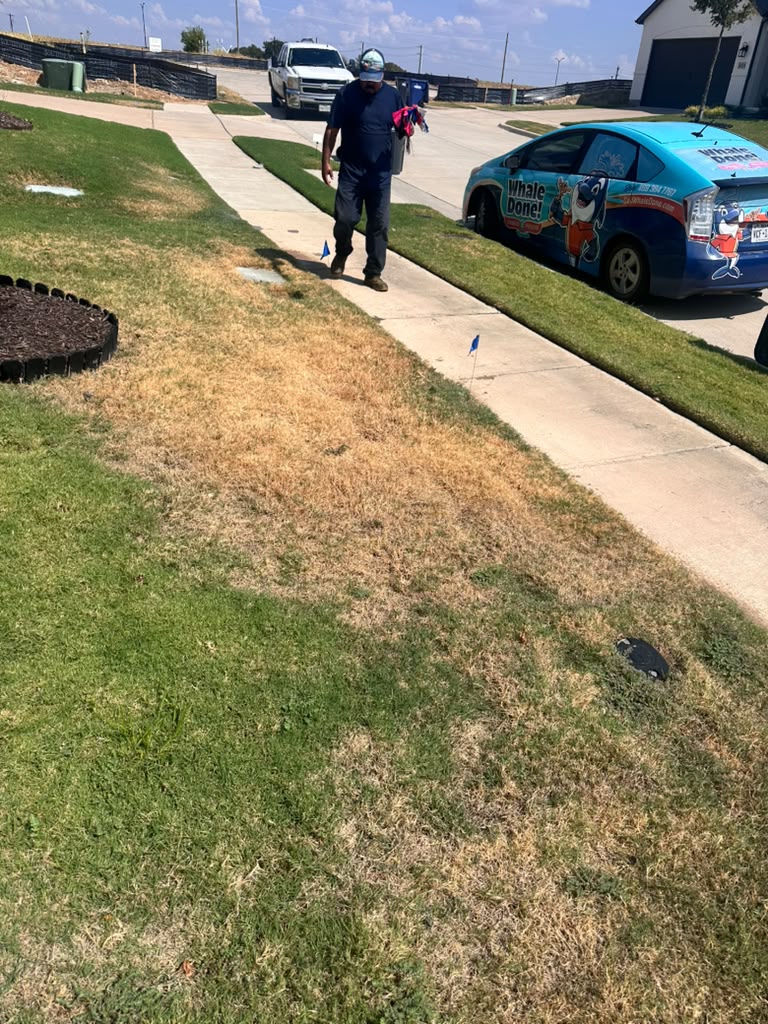
When it comes to maintaining a lush, healthy landscape in North Texas, scheduling an irrigation system check in Aubrey TX should be at the top of every homeowner’s seasonal checklist. Whether you’re preparing for summer heat or winter freezes, a thorough inspection ensures your irrigation setup operates efficiently, conserves water, and protects your property from avoidable damage. In this comprehensive guide, we’ll explore why irrigation checks matter, what to look for, best practices throughout the year, and how local requirements in Aubrey can affect your watering routine.
Why Regular Irrigation System Checks Matter
An irrigation system is more than just sprinklers and pipes—it’s a critical infrastructure that, when well-maintained, supports the health of your turf, plants, and trees. However, without regular attention, even the best systems can develop issues that reduce performance or waste precious water.
Save Water and Money
Water wasted through leaks, misaligned heads, or inefficient run times can significantly hike your water bills. Regular checks help identify inefficiencies early so they can be fixed before they add up. According to federal efficiency recommendations, proper water-efficient irrigation practices help reduce unnecessary use by ensuring optimal scheduling and system design.
Prevent Costly Damage
Leaks and broken components can lead to erosion, foundation issues, or landscape damage. Routine inspections reveal problems like cracked pipes, worn sprinkler nozzles, or malfunctioning valves, allowing repairs before the issue worsens.
Meet Local Water Ordinances
Cities like Aubrey have specific watering guidelines and restrictions to promote conservation. Knowing these rules and ensuring your system adheres to them can prevent fines and align your landscaping with local sustainability goals.
Understanding Aubrey’s Water Use Guidelines
To support sustainable water use, the City of Aubrey enforces watering schedules and restrictions that affect irrigation operations. These policies are especially important during dry summers or drought conditions.
Watering Schedules: The city may designate specific days and times when irrigation systems can run. These guidelines often limit irrigation to early morning or evening hours to reduce evaporation and ensure water is used efficiently.
Restrictions During Drought Stages: Under certain drought contingency plans, water use may be restricted further, with irrigation limited to specific days or even by address number. These restrictions aim to manage limited water supplies responsibly during extreme conditions.
Be sure to check the latest notices from the City of Aubrey Water Department for updates or emergency restrictions before scheduling your irrigation run.
What to Include in Your Irrigation System Check
A thorough irrigation check should examine every component of your system. Whether you’re performing a DIY inspection or hiring a professional, here’s what to focus on:
1. Inspect Sprinkler Heads
Look for broken, clogged, or misaligned sprinkler heads. These should spray water evenly across your lawn and beds—not onto sidewalks or streets. Minor adjustments can significantly improve coverage and reduce waste.
2. Check for Leaks and Water Pooling
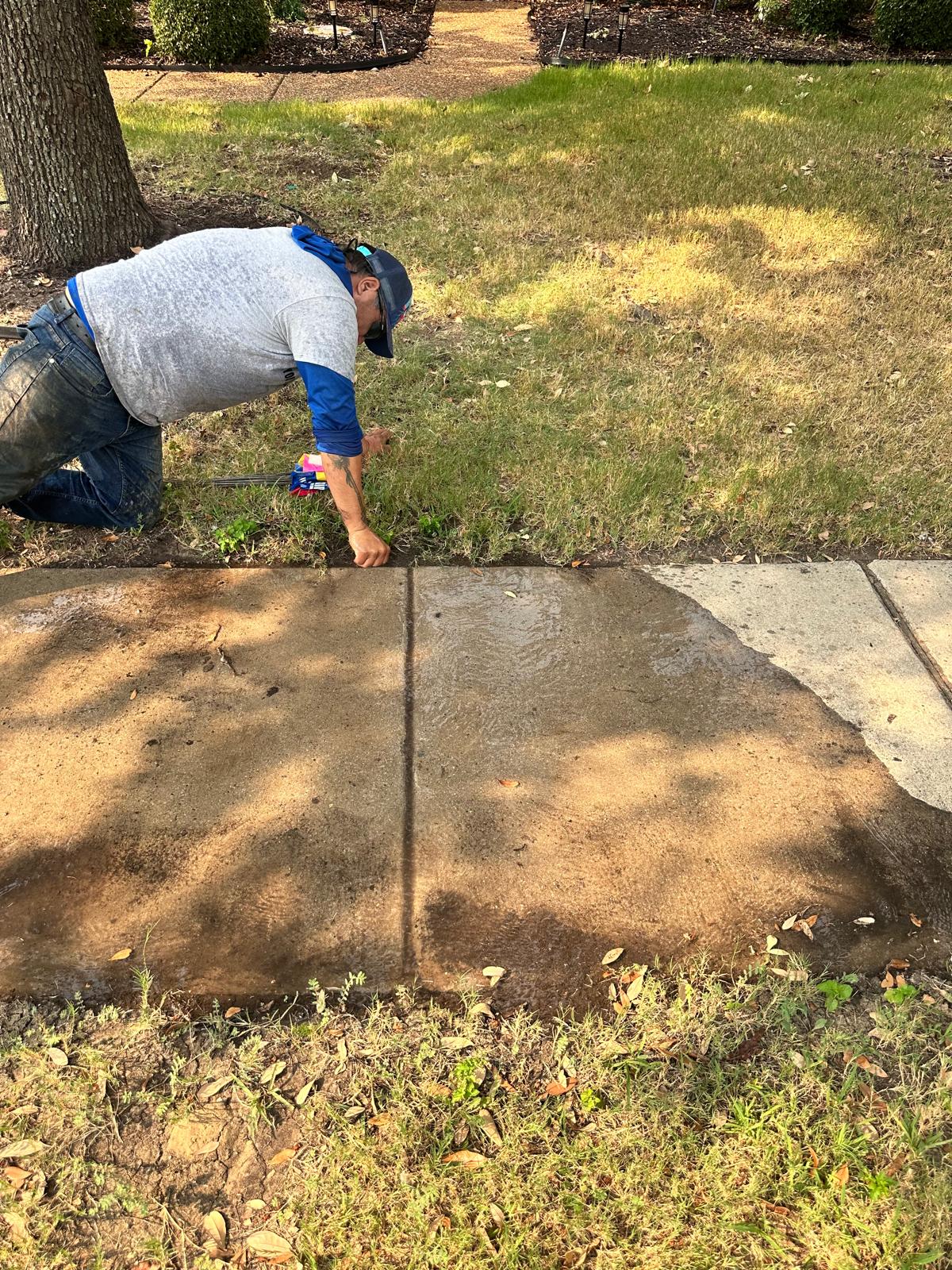
Even small leaks can waste hundreds of gallons of water each month. Check around valves, pipes, and sprinkler heads for wet spots or unusually lush patches that may indicate a leak.
3. Test and Adjust Water Pressure
High water pressure can cause misting, which evaporates before soaking into soil. Low pressure might leave areas underwatered. A proper pressure gauge reading can help ensure the system operates within recommended levels.
4. Evaluate Controller Settings
Seasonal adjustments to your controller are crucial. Programming different run times for spring, summer, fall, and winter ensures that your landscape receives the right amount of water as conditions change.
5. Backflow Prevention Check
Backflow devices protect your potable water supply by preventing irrigation water from re-entering the main line. In many Texas cities, including Aubrey, state and local codes require annual testing of backflow prevention devices by a certified tester.
Seasonal Irrigation Maintenance Tips
To keep your system functioning year-round, integrate seasonal tasks into your maintenance plan.
Spring: Prepare for Peak Use
- Run a full system test and check all zones.
- Replace worn sprinkler nozzles.
- Adjust spray patterns to accommodate new growth.
- Ensure your controller reflects spring weather patterns.
Summer: Maximize Efficiency
- Monitor system run times and adjust for heat and drought conditions.
- Inspect for midday evaporation and reschedule watering to early morning or late evening.
- Check for signs of stress on turf or plants that may indicate under-watering.
Fall: Prepare for Cooler Weather
- Reduce overall watering frequency as temperatures drop.
- Clean and flush filters, valves, and lines to prepare for winter.
- Check sensors and replace batteries if necessary.
Winter: Protect Your System from Freeze Damage
While North Texas winters are mild compared to northern states, freezing temperatures can still damage irrigation components. Winterizing your system by draining water from lines and insulating exposed parts can prevent cracks and breaks.
DIY vs. Professional Checks
While basic checks can be done by homeowners, many irrigation issues require professional attention.
DIY Checks:
- Ideal for basic inspections and minor adjustments.
- Saves money and helps you become familiar with your system.
Professional Checks:
- Professionals bring specialized tools and expertise.
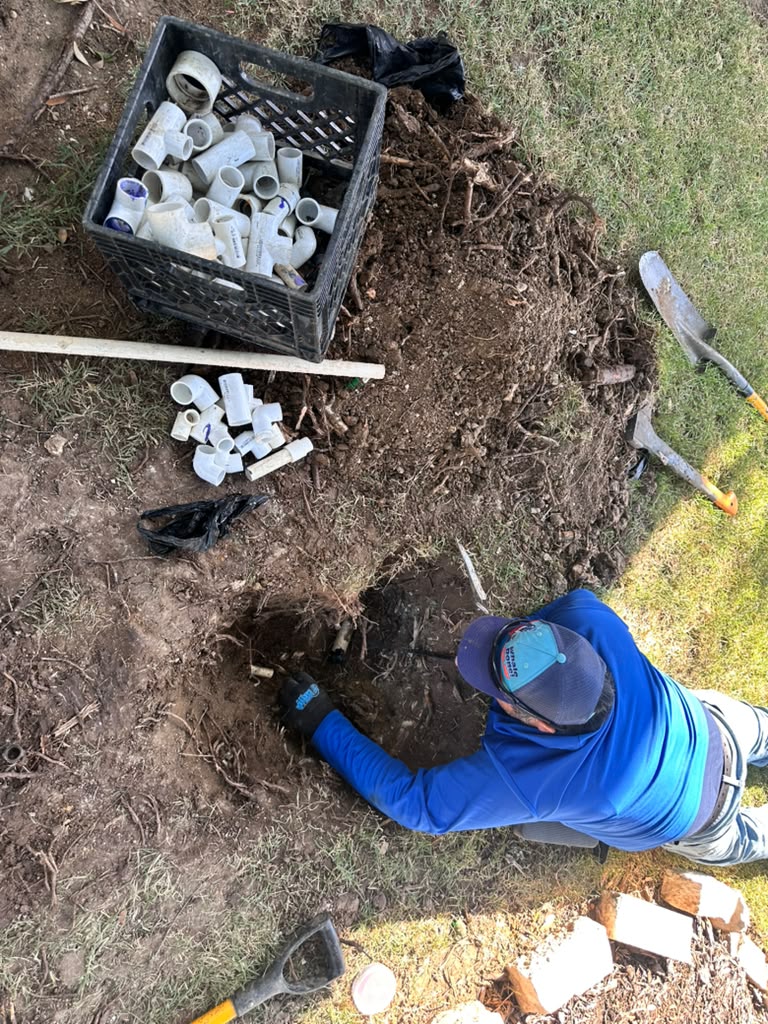
- They can identify less-obvious problems like underground leaks, electrical faults, or inefficient system design.
- Hiring a licensed irrigator ensures compliance with local codes and may be required for permits.
Water Conservation and Smart Irrigation Solutions
Incorporating water-smart technology into your irrigation system can enhance performance and save resources.
Smart Controllers
Smart irrigation controllers use real-time weather data to adjust watering schedules automatically. These systems help reduce water waste during rain events and seasonal changes.
Rain and Freeze Sensors
Sensors shut off irrigation during rain or freezing conditions, protecting your landscape and preventing unnecessary run times.
Drip Irrigation for Beds and Borders
Switching from traditional spray systems to drip irrigation for garden beds can significantly reduce evaporation loss and deliver water directly to plant roots.
Common Irrigation Problems to Watch For
Even with regular checks, certain issues can persist. Here are a few common problems to address:
Uneven Coverage
This often results from misaligned nozzles or incorrect pressure settings. Adjusting heads and checking pressure can restore uniform water distribution.
Broken Valves and Pipes
Valves can fail due to debris or wear, while pipes may crack from ground movement or pressure spikes. Regular checks help catch these before they worsen.
Controller Failures
Controllers exposed to weather extremes or power surges can malfunction, leading to inaccurate schedules. Weatherproofing and surge protection can extend device life.
Best Practices to Maximize Irrigation Efficiency
- Water Deeply and Less Often: Deep watering promotes strong root growth and reduces the need for frequent watering.
- Cycle and Soak Method: Instead of a single long watering session, break it into cycles with rest periods to improve soil absorption.
- Hydrozoning: Group plants by water needs so each zone gets the right amount of moisture.
- Regular Inspections: Monthly inspections help catch issues early and reduce long-term repair costs.
Conclusion
Maintaining an efficient irrigation system in Aubrey requires regular inspections, seasonal adjustments, and awareness of local regulations. An irrigation system check in Aubrey TX not only ensures your landscape stays healthy and vibrant but also protects your investment, conserves water, and complies with city guidelines.
For professional assistance and thorough system evaluations, consider contacting Whale Done Sprinklers & Irrigation. Their experienced team can help you optimize your irrigation performance with expert checks, maintenance, and repairs.
Phone: +1 (469) 384-7767
Email: clientsupport@callwhaledone.com