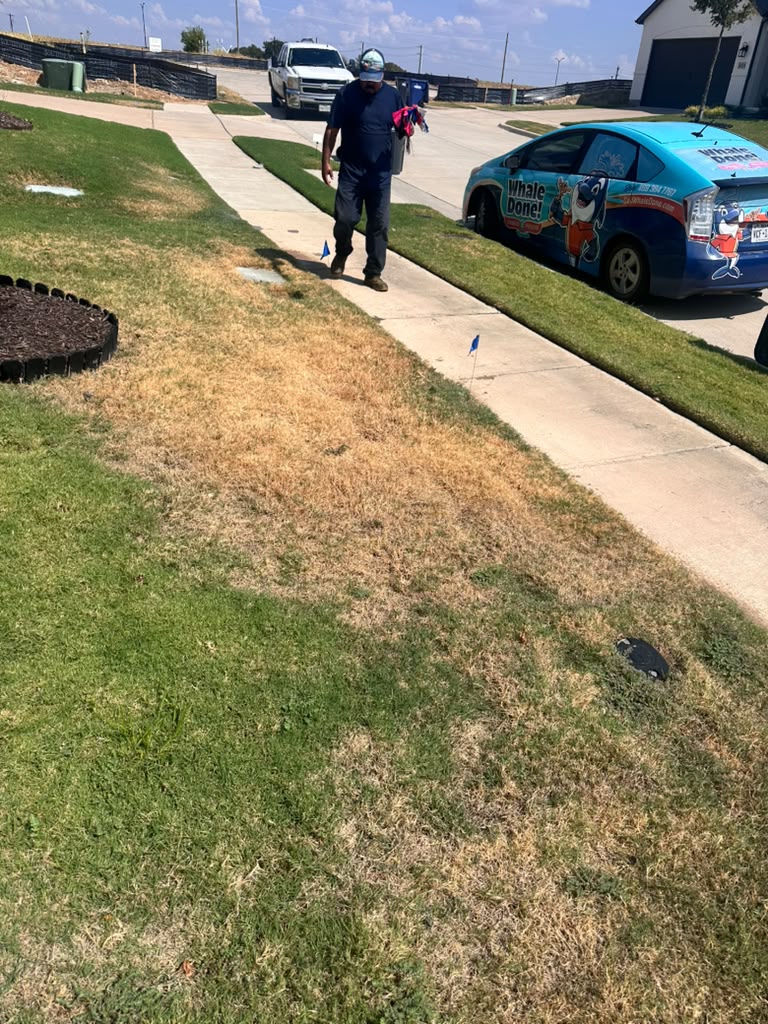
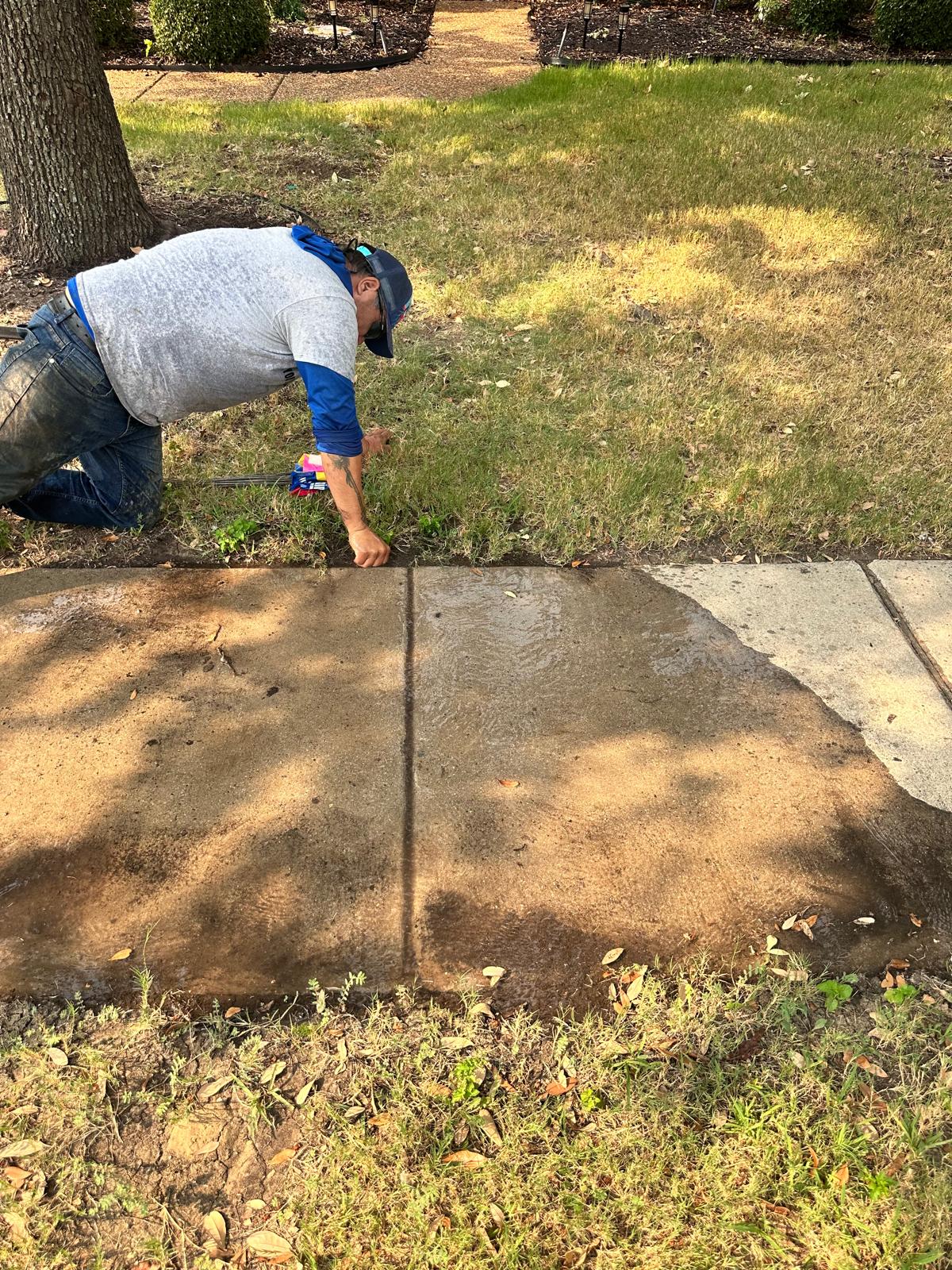
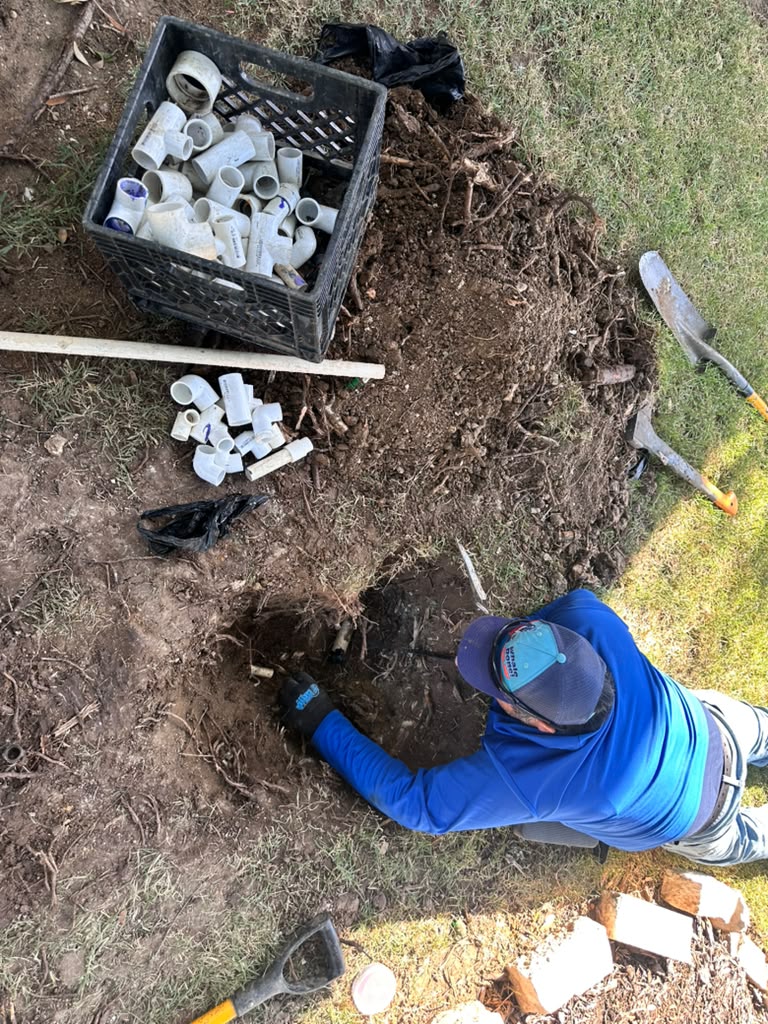
If your sprinklers in Murphy TX are watering the sidewalk instead of your lawn, you’re not alone. Many homeowners notice water spraying across driveways, streets, patios, and walkways without realizing that this seemingly minor issue can waste thousands of gallons of water over time. Besides increasing your monthly utility bill, inefficient watering may leave sections of your lawn dry while oversaturating paved surfaces that don’t benefit from irrigation.
An irrigation system should distribute water evenly across your landscape, ensuring grass, trees, shrubs, and flower beds receive adequate moisture without unnecessary runoff. When sprinkler heads begin spraying outside their intended areas, it’s usually a sign that something within the system requires attention. Whether it’s a misaligned sprinkler head, excessive pressure, worn components, or outdated equipment, identifying the cause early helps improve efficiency and protects your landscape investment.
This guide explains why sprinklers sometimes water sidewalks, how local conditions contribute to irrigation problems, and what homeowners can do to improve watering accuracy while conserving water.
Why Do Sprinklers in Murphy TX End Up Watering Sidewalks?
A properly designed irrigation system should apply water only where it’s needed. When water consistently lands on concrete instead of landscaping, several underlying issues could be responsible.
Sprinkler Heads Have Shifted Over Time
One of the most common reasons involves sprinkler heads gradually changing position.
Ground movement caused by seasonal moisture changes, landscaping projects, foot traffic, or routine maintenance can slightly tilt sprinkler heads. Even a small change in angle may redirect water several feet away from the intended coverage area.
Because these changes happen slowly, many homeowners don’t notice until excessive overspray becomes obvious.
Incorrect Spray Pattern Selection
Not every sprinkler nozzle is designed for every section of a yard.
Different landscape areas require different spray patterns, including:
- Quarter-circle nozzles
- Half-circle nozzles
- Full-circle nozzles
- Adjustable arc nozzles
- Rotary nozzles
Installing the wrong nozzle often results in water extending beyond planting areas and onto sidewalks or driveways.
For irrigation design recommendations, the Irrigation Association provides valuable guidance regarding efficient sprinkler system practices.
High Water Pressure
Water pressure plays a significant role in irrigation performance.
When pressure exceeds manufacturer recommendations, sprinkler heads may produce fine mist instead of uniform streams.
Consequences include:
- Wind drift
- Uneven coverage
- Increased evaporation
- Sidewalk overspray
- Reduced watering efficiency
Pressure regulation helps sprinkler heads perform as intended.
Damaged Sprinkler Heads
Normal wear eventually affects sprinkler performance.
Sprinkler heads may become damaged by:
- Lawn equipment
- Vehicle tires
- Heavy foot traffic
- Freezing temperatures
- Tree root growth
A cracked housing or broken nozzle often sends water in unpredictable directions.
Routine inspections can identify damaged components before they significantly impact irrigation coverage.
How Murphy’s Soil Conditions Affect Irrigation Performance
Murphy experiences periods of heavy rain followed by extended dry weather.
These changing conditions influence how sprinkler systems perform.
Clay-rich soils commonly found throughout North Texas absorb water slowly. If sprinklers apply water faster than the soil can absorb it, runoff begins flowing toward sidewalks and streets.
Instead of soaking into the lawn, valuable irrigation water simply washes away.
Using shorter watering cycles with rest periods between applications often allows moisture to penetrate deeper into the soil.
The Texas A&M AgriLife Extension offers research-based recommendations for irrigation practices suited to Texas landscapes.
Common Mechanical Issues That Cause Overspray
Several mechanical problems may contribute to sidewalk watering.
Worn Nozzles
Over years of operation, nozzles gradually wear.
As openings enlarge, water distribution changes, reducing accuracy.
Replacing worn nozzles restores proper spray performance.
Sunken Sprinkler Heads
Settling soil may cause sprinkler heads to sink below ground level.
Grass blocks portions of the spray while redirecting water upward or sideways.
Proper height adjustments improve coverage consistency.
Heads Installed Too Close Together
Sometimes irrigation systems were designed years ago before landscape renovations.
Added sidewalks, flower beds, or patios may interfere with existing sprinkler coverage.
A redesigned layout often produces better watering efficiency.
Controller Programming Problems
Sometimes the sprinkler hardware functions properly while controller settings create unnecessary watering.
Common programming mistakes include:
- Running zones too long
- Watering during windy periods
- Overlapping schedules
- Multiple daily cycles without need
- Incorrect seasonal adjustments
Modern smart controllers automatically adjust watering schedules based on local weather conditions.
Information about water-efficient irrigation technology is available through the EPA WaterSense program.
Wind Can Push Water Off Target
Even a perfectly adjusted sprinkler system can struggle to deliver accurate coverage during windy weather. Fine water droplets are easily carried several feet off course before reaching the ground, causing water to land on sidewalks, driveways, or neighboring properties instead of your lawn. As a result, you may notice wet pavement, dry grass patches, and uneven green areas throughout your landscape. Wind-related overspray not only wastes water but also reduces irrigation efficiency. Scheduling watering cycles during the early morning, when winds are typically calmer and temperatures are lower, helps minimize evaporation, improve water absorption, and ensure more consistent coverage.
Signs Your Irrigation System Needs Adjustment
Many homeowners overlook small warning signs until water bills increase.
Watch for:
- Water consistently hitting sidewalks
- Dry spots beside overly wet areas
- Excessive runoff
- Puddles near sprinkler heads
- Uneven grass growth
- Low sprinkler pressure
- Sprinkler heads not rotating correctly
- Water spraying above fences or shrubs
Addressing these symptoms early often prevents larger irrigation repairs later.
Why Sidewalk Overspray Increases Water Bills
Every gallon landing on concrete represents water that isn’t benefiting your landscape.
Over time, wasted irrigation contributes to:
- Higher utility expenses
- Longer system runtime
- Increased wear on sprinkler components
- Greater evaporation losses
- Reduced watering efficiency
Efficient irrigation delivers moisture directly to plant roots rather than surrounding hard surfaces.
Landscape Changes Can Affect Irrigation Coverage
Many yards evolve over the years.
Homeowners frequently add:
- Decorative borders
- Raised flower beds
- New trees
- Outdoor kitchens
- Walkways
- Expanded patios
These improvements often change how sprinkler patterns should be configured.
An irrigation system installed several years ago may no longer match the property’s current layout.
Periodic evaluations help ensure sprinkler coverage continues meeting landscape needs.
Modern Irrigation Technology Improves Accuracy
Today’s irrigation equipment provides significantly better precision than older systems.
Upgrades may include:
Pressure-Regulated Spray Heads
Pressure-regulated spray heads help maintain a consistent water output even when fluctuations occur within your irrigation system. By preventing excessive pressure, they reduce misting, overspray, and water waste while improving distribution accuracy. This allows more water to reach your lawn instead of sidewalks, driveways, or other hard surfaces.
Rotary Nozzles
Rotary nozzles apply water at a slower, more controlled rate than traditional spray nozzles, allowing the soil to absorb moisture more effectively. This reduces runoff, minimizes puddling, and promotes deeper root growth. They are especially beneficial for clay soils, where slower application helps prevent excess water from flowing onto sidewalks.
Smart Controllers
Smart irrigation controllers automatically adjust watering schedules using local weather data, rainfall measurements, seasonal changes, and temperature trends. By delivering only the amount of water your landscape actually needs, they improve irrigation efficiency, reduce unnecessary watering, lower utility costs, and help maintain a healthier lawn throughout the year.
Rain Sensors
Rain sensors detect measurable rainfall and temporarily suspend scheduled irrigation cycles until conditions become drier. This simple technology prevents unnecessary watering after storms, conserves water, reduces runoff, and helps avoid oversaturated lawns. It also protects your irrigation system from operating when natural rainfall already provides sufficient moisture.
Matched Precipitation Nozzles
Matched precipitation nozzles are designed to deliver a consistent application rate across different spray patterns and arc settings. Whether watering small corners or larger sections of your landscape, they ensure every area receives a balanced amount of water. This improves uniform coverage, reduces dry spots, and minimizes waste caused by uneven irrigation.
Preventive Maintenance Keeps Irrigation Efficient
Routine maintenance significantly reduces irrigation problems.
Seasonal inspections typically include:
- Adjusting sprinkler heads
- Cleaning clogged nozzles
- Checking pressure levels
- Inspecting valves
- Testing controller programming
- Examining pipe connections
- Identifying underground leaks
- Verifying spray coverage
Preventive service often costs less than repairing water damage or replacing unhealthy landscaping.
Can Homeowners Fix Sidewalk Overspray?
Some minor adjustments are relatively straightforward.
These include:
- Cleaning clogged nozzles
- Straightening tilted sprinkler heads
- Removing grass covering spray heads
- Adjusting spray direction
- Updating watering schedules
However, recurring overspray may indicate more complex issues involving:
- Underground pipe movement
- Pressure regulation
- Valve performance
- Zone design
- Controller calibration
Professional evaluation ensures all system components work together efficiently.
Seasonal Irrigation Adjustments Matter
Watering requirements naturally change throughout the year, making seasonal irrigation adjustments essential for maintaining a healthy landscape while conserving water. During spring, lawns often benefit from moderate irrigation combined with regular rainfall, reducing the need for frequent watering. As summer temperatures rise, grass and plants generally require more moisture, but deep, infrequent watering encourages stronger root development and minimizes evaporation compared to shallow daily watering.
In autumn, cooler temperatures and shorter days typically reduce irrigation needs, allowing homeowners to gradually decrease watering schedules. During winter, irrigation should account for dormant turf while providing enough moisture during extended dry periods. Regularly updating your sprinkler schedule throughout each season helps prevent runoff, improves watering efficiency, supports healthier plant growth, and extends the lifespan of your irrigation system.
Conclusion
When sprinklers in Murphy TX begin watering sidewalks instead of your lawn, the problem is often caused by misaligned sprinkler heads, incorrect spray patterns, excessive pressure, worn components, outdated programming, or changes to your landscape. Addressing these issues promptly helps reduce water waste, improve lawn health, and extend the life of your irrigation system. Routine inspections and proper seasonal adjustments ensure water reaches the areas that need it most while avoiding unnecessary runoff.
For professional irrigation inspections and sprinkler system solutions, contact Whale Done Sprinklers & Irrigation.
Phone: +1 (469) 384-7767
Email: clientsupport@callwhaledone.com