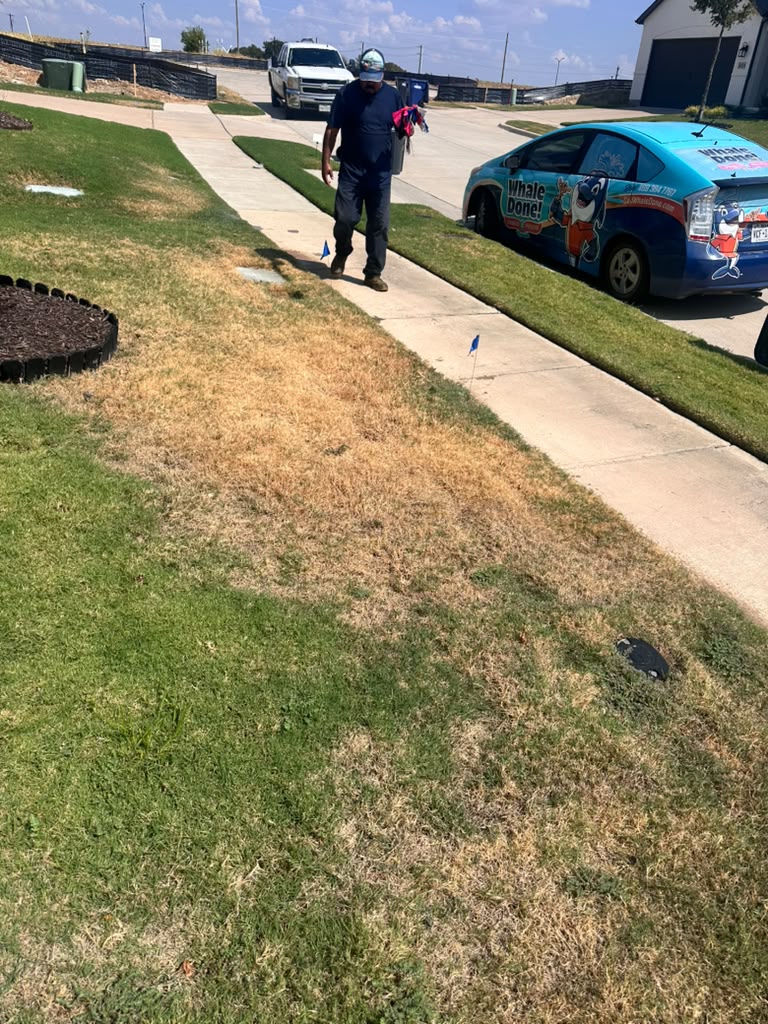
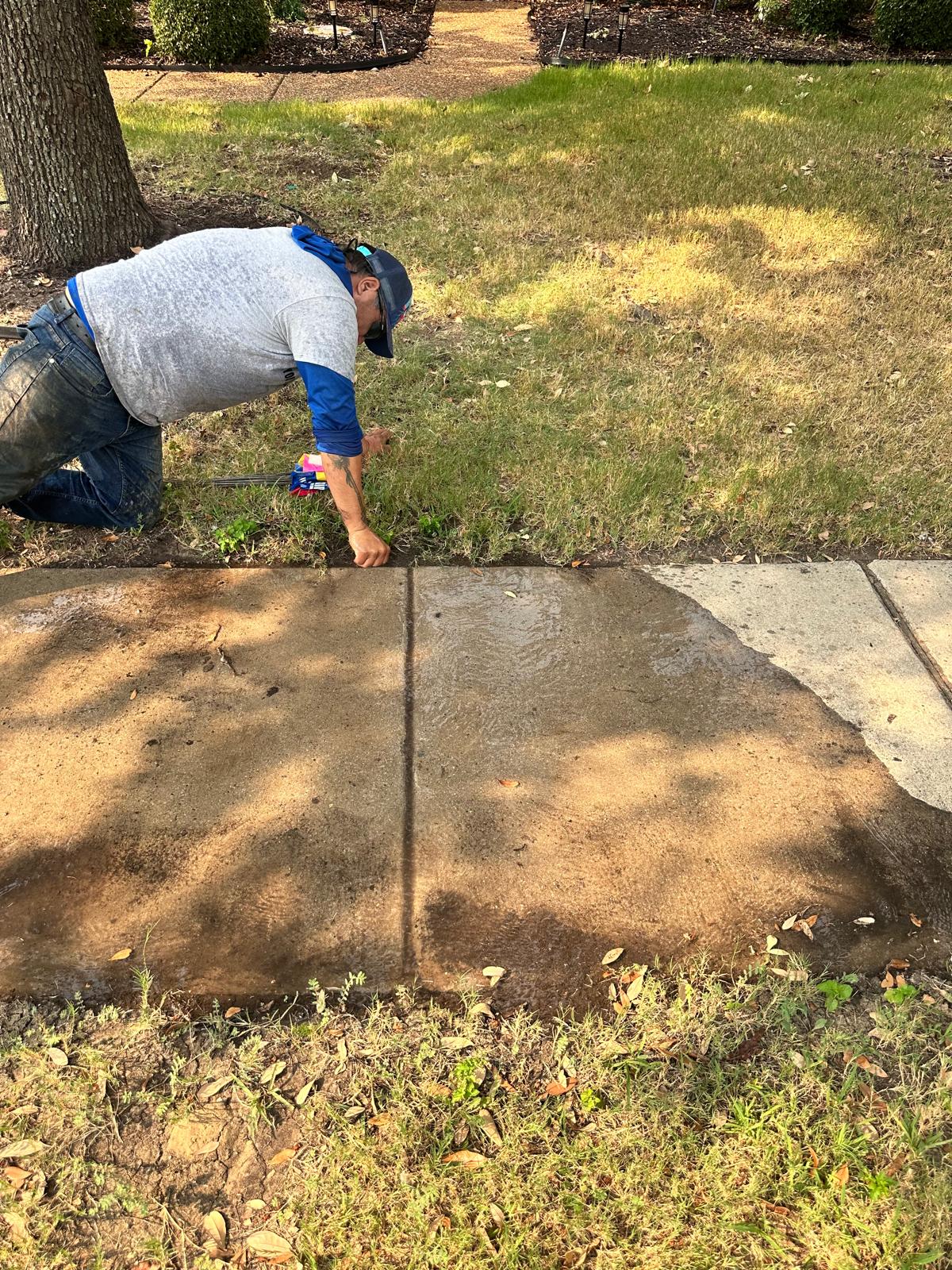
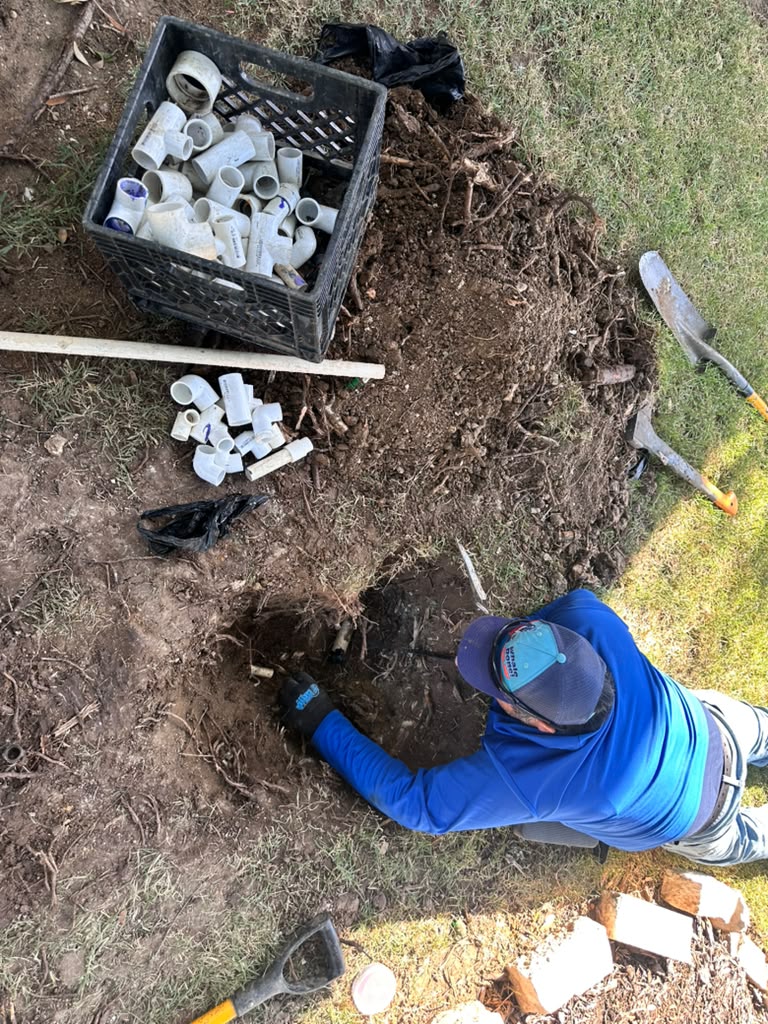
Uneven drip irrigation in Little Elm TX is most often caused by clogged emitters, inconsistent water pressure, kinked or damaged tubing, or a system that wasn’t designed with enough emitters for the plant bed size. Clay soil and hard water in North Texas make clogging and mineral buildup especially common. In many cases, homeowners can identify the cause by walking the line and checking emitters one at a time before assuming the entire system needs to be replaced.
At a Glance
- Difficulty: Easy to moderate
- Estimated Time: 30–60 minutes for inspection
- Tools Needed: Small screwdriver, garden hose, replacement emitters (if needed)
- Works For: Clogged emitters, low pressure, minor tubing damage
- May Not Solve: Valve failure, major leaks, poorly designed zones
Why Drip Irrigation Becomes Uneven
Drip systems rely on small emitters that release water slowly and consistently. Because the openings are so small, it doesn’t take much to disrupt the flow. Dirt, mineral deposits, and root intrusion can block individual emitters while the rest of the line keeps working normally, even when the zone appears to be operating correctly overall.
This is why one plant may look dry while the one right next to it looks perfectly watered. The difference often comes down to a single emitter rather than a problem with the entire drip zone. Homeowners sometimes assume the whole system has failed when really only one small point along the line needs attention.
Pressure changes also affect drip systems more than they affect traditional sprinkler heads. Drip emitters are calibrated to release water within a narrow pressure range, so even a modest shift can throw off how evenly water is distributed across a bed.
A small drop in pressure at the start of a line can mean emitters at the far end barely produce any water at all. This is especially common on longer runs or beds with many plants, where distance alone can create a noticeable gap between the first and last emitter.
Common Causes of Uneven Drip Irrigation in Little Elm TX
1. Clogged Emitters
Emitters have tiny openings, and North Texas water can carry mineral content that builds up over time. Dirt and organic debris in garden beds add to the problem. A clogged emitter may drip slowly, drip in one direction only, or stop completely.
What to check:
- Remove the emitter and inspect the opening
- Look for a white or gray mineral crust
- Check for dirt packed into the barb fitting
2. Low or Inconsistent Water Pressure
Drip systems are designed to run within a narrow pressure range, typically with a pressure regulator installed at the valve. If pressure is too high, emitters can be forced to release water unevenly. If pressure is too low, emitters at the end of a long line may not receive enough water to function.
What to check:
- Confirm a pressure regulator is installed
- Look for kinks or pinches earlier in the line
- Check whether other zones are running at the same time, which can pull pressure away from the drip zone
3. Kinked, Cracked, or Chewed Tubing
Tubes that have been buried, mulched over, or exposed to sun for several years can crack or become brittle. Squirrels and other animals are also a common cause of small holes in drip line, which reduces pressure to everything downstream.
What to check:
- Walk the entire line and look for wet spots in unexpected areas
- Check tubing where it bends sharply around beds or corners
- Inspect areas near tree roots, where tubing is more likely to be disturbed
4. Too Few Emitters or Poor Layout
Some systems were installed with fewer emitters than a plant bed actually needs, especially as landscaping matures and beds are expanded. A system that worked well for young plants may not keep up with a fuller, more established bed.
What to check:
- Compare emitter spacing to current plant size and root spread
- Look for bare or fast-draining soil that dries out faster than the rest of the bed
5. Clay Soil and Runoff
Much of Little Elm sits on dense clay soil, which absorbs water slowly. On a drip system, this can cause water to pool at the surface near one emitter and run off before it soaks in, while soil just a few inches away stays dry. This can look like an emitter problem even when the emitter itself is working correctly.
Local Considerations for Little Elm, TX
- Clay soil slows water absorption and can create surface pooling near emitters
- Summer heat increases evaporation, which makes minor pressure or clogging issues more noticeable
- Hard water in North Texas contributes to mineral buildup inside emitters over time
- Seasonal watering restrictions set by local municipalities may limit run times, making it more important that every emitter is functioning properly
- Wind, while less of a factor for drip than spray irrigation, can still affect evaporation rates in exposed beds
Common Mistakes Homeowners Make
- Assuming the whole system is broken instead of checking individual emitters
- Increasing run time to compensate for a clog instead of fixing the clog
- Burying tubing too deep, making it hard to inspect or repair
- Mixing emitter types (different flow rates) on the same line without adjusting for it
- Ignoring small leaks because “the plants still look okay for now”
Related Problems
If checking emitters, pressure, and tubing doesn’t resolve the unevenness, the cause may be elsewhere in the system:
- Low water pressure from the main irrigation supply
- A failing or partially closed valve
- Controller programming issues affecting run time
- Underground leaks in the supply line feeding the zone
A licensed sprinkler company can pressure test the zone and isolate exactly where the inconsistency is coming from.
Frequently Asked Questions
- Why is one section of my drip line dry while the rest works fine? This usually points to a clogged or disconnected emitter in that specific section rather than a system-wide problem.
- Can hard water really clog drip emitters? Yes. Mineral deposits from hard water are one of the most common causes of clogged emitters in North Texas.
- Should I just increase the watering time to fix uneven coverage? Not usually. Longer run times can mask a clog temporarily but often waste water and won’t fix the underlying issue.
- How often should drip emitters be inspected? Many licensed companies recommend a visual check each spring before the heavy watering season begins.
- Can tree roots damage drip tubing? Yes. As roots grow, they can shift or crack tubing, especially in beds with mature trees or shrubs.
Bottom Line
Uneven drip irrigation in Little Elm TX is often caused by clogged emitters, inconsistent water pressure, damaged tubing, or an irrigation layout that no longer matches the landscape. Over time, plant roots can grow, flower beds can expand, and soil conditions can change, affecting how water reaches different areas.
Clay soil, which is common in North Texas, can also influence how moisture moves through the ground, while hard water may contribute to mineral buildup inside emitters. A simple inspection can often reveal the problem. Walk along the irrigation line, check each emitter, and look for weak or missing water flow. This can help identify problem areas before they affect plant health.
Next Step
If a visual inspection does not reveal the cause of uneven watering, or if water pressure appears inconsistent throughout the entire irrigation zone, professional testing may be the best next step. A licensed sprinkler company can check system pressure, inspect valves and tubing, and test individual zones to determine where the problem begins.
Professional pressure testing can also help identify issues that may not be visible from the surface, such as partially blocked lines, damaged components, or pressure loss within the system. Addressing these problems early can help restore more consistent watering, reduce unnecessary water use, and prevent certain plants from becoming stressed because they receive too much or too little water.
Related Resources
- How to Adjust Sprinkler Heads in North Texas
- Signs of an Underground Irrigation Leak
- Understanding Irrigation Controller Programming
- When to Replace vs. Repair a Sprinkler Controller
Conclusion & Call to Action
Uneven drip irrigation in Little Elm TX is usually fixable once the actual cause is identified — most often a clogged emitter, a pressure issue, or damaged tubing. A simple inspection often solves the problem without any major repairs. If your beds are still watering unevenly after checking these areas, a licensed sprinkler professional can run a full diagnostic to find the source and get every emitter working the way it should.