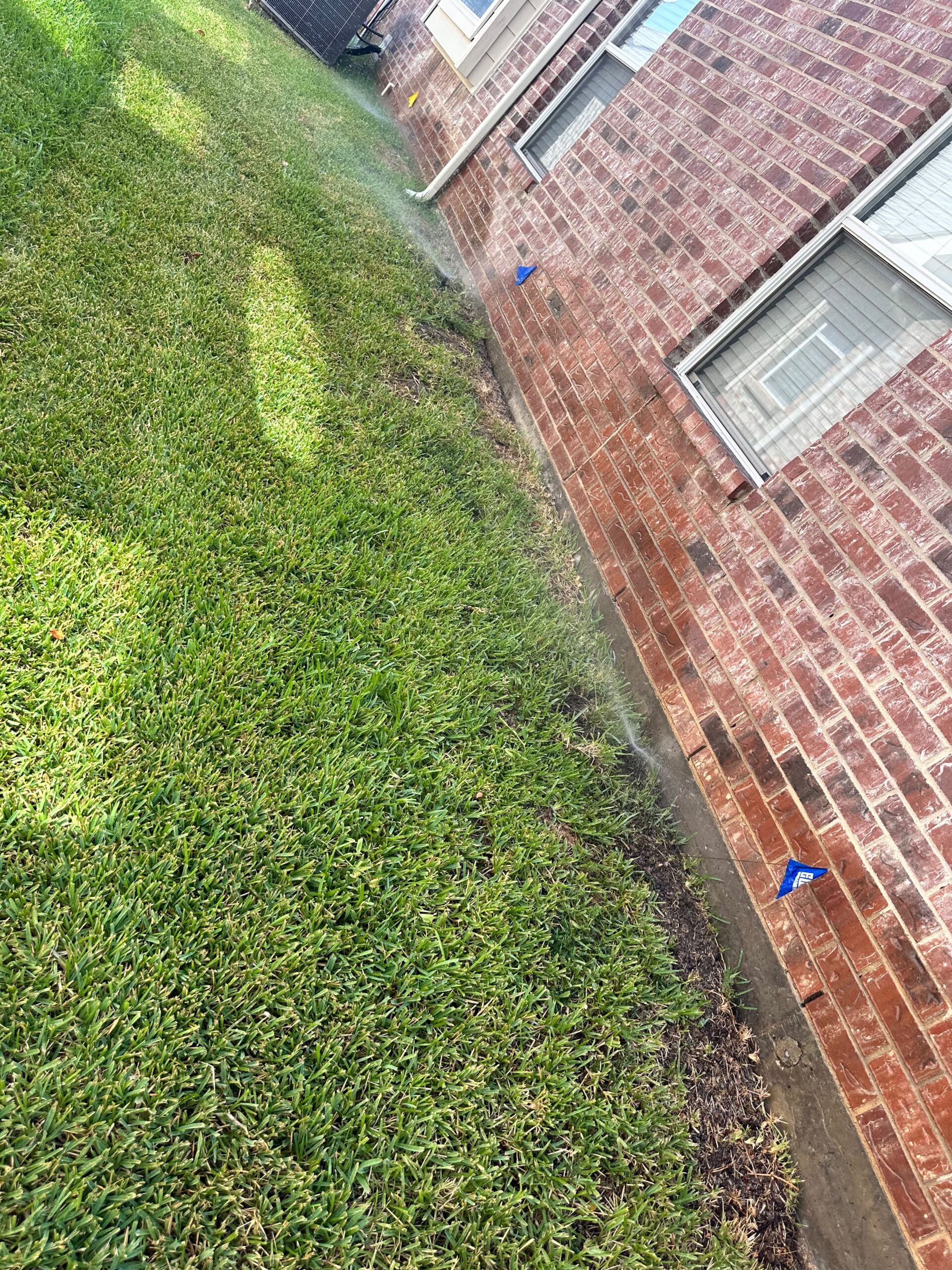
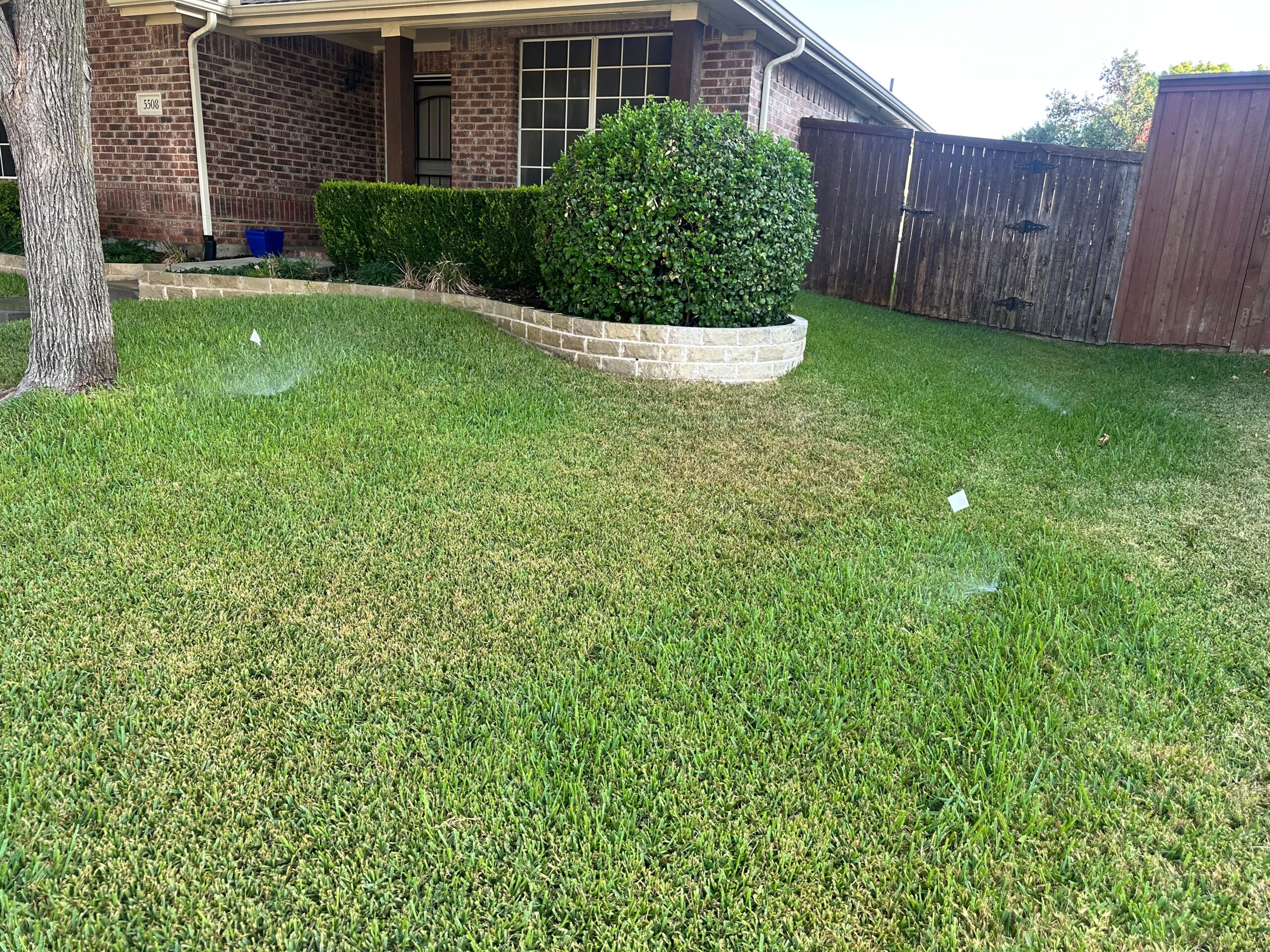
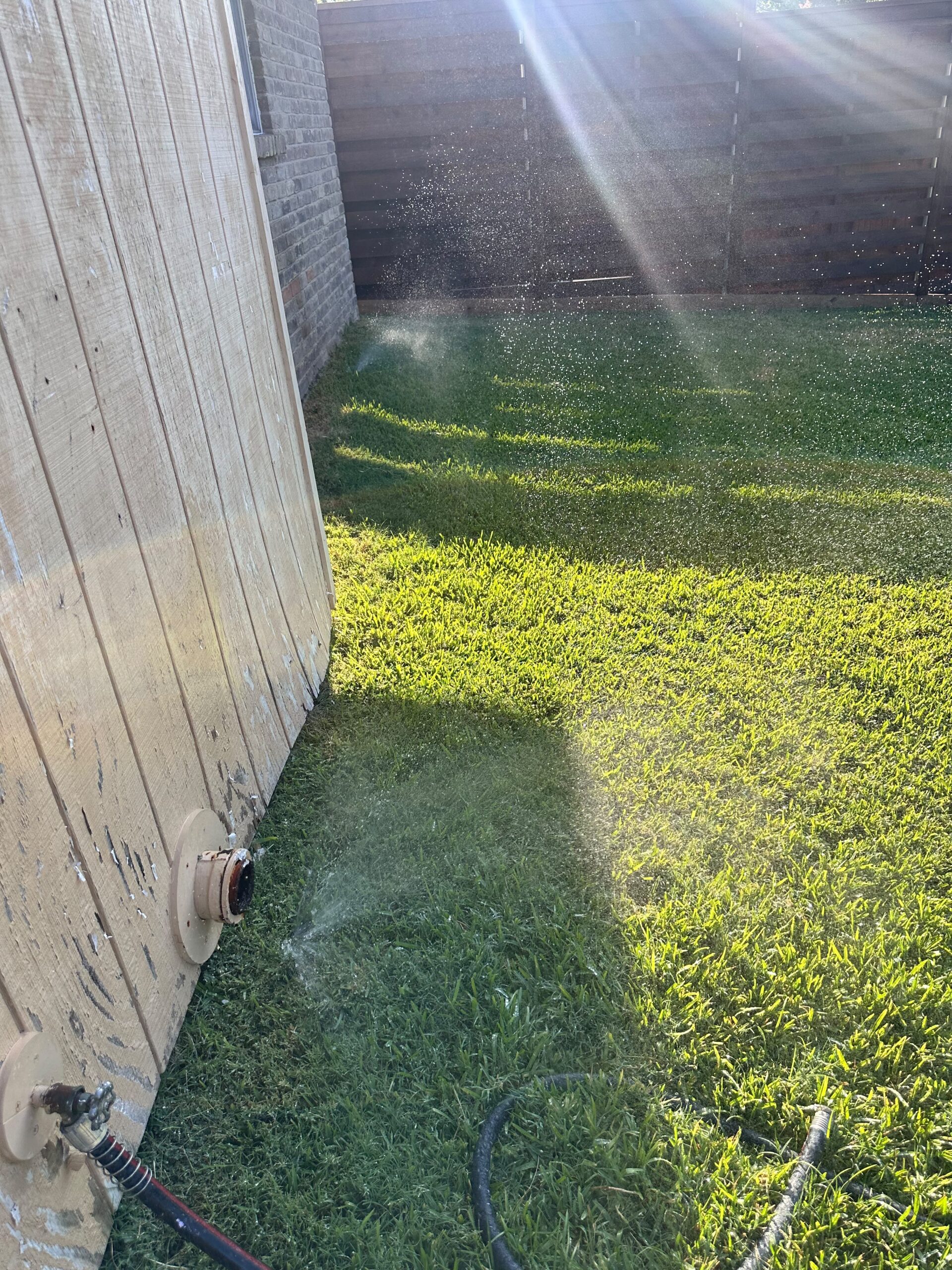
Underground irrigation leak in Anna TX can be difficult to detect because the problem often develops beneath the soil surface where it remains hidden from view. Unlike visible plumbing leaks, irrigation system leaks underground may continue for weeks or even months before homeowners realize something is wrong. During that time, water waste can increase utility costs, damage landscaping, and place unnecessary strain on irrigation equipment.
Anna, TX continues to experience residential growth, making efficient water management an important priority for homeowners. Irrigation systems play a vital role in maintaining healthy lawns and landscapes, but hidden leaks can undermine system performance and lead to costly repairs if left unaddressed.
Understanding the warning signs of underground irrigation leaks can help property owners identify problems early and take corrective action before significant damage occurs.
Why Underground Irrigation Leaks Occur
An irrigation system consists of multiple components working together to deliver water throughout a property. Pipes, valves, fittings, sprinkler heads, and control systems can all experience wear over time.
Several factors commonly contribute to underground irrigation leaks, including:
- Aging irrigation pipes
- Soil movement and settling
- Tree root intrusion
- High water pressure
- Improper installation
- Freeze and thaw cycles
- Damaged fittings or connectors
- Construction activities near irrigation lines
Even a small crack beneath the ground can allow substantial amounts of water to escape over time, creating issues that affect both the landscape and the irrigation system itself.
Unexpected Increases In Water Bills
One of the earliest indicators of an underground irrigation leak is an unexplained increase in water usage.
Many homeowners monitor their monthly utility statements and quickly notice when consumption suddenly rises without a corresponding increase in outdoor watering or household activities.
If your irrigation schedule remains unchanged but your water bill continues climbing, a hidden leak may be allowing water to escape underground.
Property owners can review their water usage trends through resources provided by local utilities and conservation organizations such as WaterSense, which offers valuable information about detecting water waste and improving irrigation efficiency.
Monitoring water consumption regularly can help identify abnormalities before larger issues develop.
Persistent Wet Areas In The Yard
A healthy lawn should display relatively uniform moisture levels. When certain sections remain wet long after irrigation cycles have ended, an underground leak may be present.
Common signs include:
- Constantly damp soil
- Muddy patches
- Soggy turf
- Standing water
- Areas that remain green while surrounding grass dries
Because water naturally follows the path of least resistance, a leaking irrigation line may saturate nearby soil and create localized wet spots.
Homeowners should pay special attention to areas where excess moisture persists despite warm temperatures and dry weather conditions.
Sudden Changes In Lawn Appearance
Landscape health often reveals hidden irrigation issues before homeowners notice other symptoms.
An underground leak can create uneven water distribution throughout the yard. Some areas may receive excessive water while others receive insufficient irrigation.
Warning signs may include:
- Bright green patches
- Rapid grass growth in isolated areas
- Yellowing turf
- Wilting plants
- Uneven lawn coloration
- Increased weed growth
When one section of the landscape appears significantly different from surrounding areas, it may indicate a hidden irrigation problem beneath the surface.
Reduced Water Pressure In Sprinkler Zones
A leak within the irrigation network can reduce the amount of water reaching sprinkler heads.
Homeowners may notice:
- Weak spray patterns
- Incomplete coverage
- Reduced sprinkler head rotation
- Lower operating pressure
- Uneven watering
Since leaking water escapes before reaching intended irrigation zones, the system may struggle to maintain adequate pressure.
The Irrigation Association provides educational resources explaining how pressure loss can affect irrigation performance and efficiency.
Regular observation of sprinkler operation can help homeowners detect these changes early.
Sinkholes And Soil Erosion
As water continuously escapes underground, it can gradually wash away soil surrounding irrigation lines.
Over time, homeowners may observe:
- Small depressions
- Uneven ground surfaces
- Soil settling
- Erosion patterns
- Developing sinkholes
These conditions often indicate that water is moving beneath the soil surface and carrying soil particles away from the affected area.
Ignoring these warning signs can lead to landscape instability and more extensive repair needs in the future.
Water Pooling Around Valves And Boxes
Valve boxes are designed to remain relatively dry and should only contain water briefly during normal irrigation cycles. If standing water is consistently present around valve boxes, backflow assemblies, irrigation manifolds, or control stations, it may indicate an underground irrigation leak nearby. Water pooling around these components is often a warning sign that should not be ignored, especially when the surrounding soil remains saturated for extended periods without recent rainfall.
Excess moisture can suggest that water is escaping from a damaged pipe, fitting, or valve beneath the surface. Over time, this hidden leak can lead to water waste, landscape damage, and higher utility costs. Performing routine inspections of irrigation equipment can help homeowners identify potential issues early and prevent more costly repairs.
Sprinkler Heads Bubbling Or Gurgling
Air entering irrigation lines through damaged or leaking pipes can cause several unusual behaviors within an irrigation system. Homeowners may notice bubbling sprinkler heads, gurgling sounds, inconsistent water flow, erratic spray patterns, or sudden pressure fluctuations during operation.
These symptoms often indicate that water is escaping from a hidden section of the underground irrigation network, allowing air to enter the system and disrupt normal performance. While bubbling sprinkler heads alone do not always confirm the presence of a leak, they should not be ignored. When combined with other warning signs, these issues warrant further inspection to identify and address potential underground leaks.
Unusual Sounds Underground
Many homeowners overlook strange noises coming from irrigation systems.
However, underground leaks may produce sounds such as:
- Hissing
- Running water
- Gurgling
- Bubbling beneath the soil
These sounds can become more noticeable during irrigation cycles when water pressure is highest.
If no visible source of water is present yet these sounds persist, an underground leak may be responsible.
Increased Weed Growth
Weeds thrive in environments where water is readily available.
When underground irrigation leaks provide a constant moisture source, nearby weeds often grow faster and appear healthier than surrounding vegetation.
Homeowners may notice:
- Dense weed clusters
- Unusual plant growth
- Excessive vegetation near irrigation lines
- Persistent green patches
These growth patterns can serve as valuable clues when diagnosing hidden irrigation problems.
Testing For A Possible Underground Leak
Homeowners can perform several basic checks before contacting a professional.
Conduct A Water Meter Test
Turn off all indoor and outdoor water fixtures.
Then:
- Record the water meter reading.
- Avoid using water for several hours.
- Recheck the meter.
If the reading changes despite no water use, a leak may exist somewhere on the property.
Run Irrigation Zones Individually
Operate each irrigation zone separately and observe:
- Spray consistency
- Pressure levels
- Wet spots
- Water pooling
Testing zones independently can help narrow down the location of a potential leak.
Inspect Visible Components
Examine:
- Sprinkler heads
- Valves
- Pipe connections
- Backflow devices
Visible damage may indicate larger issues within the underground system.
For additional water conservation guidance, homeowners can consult the Water Use It Wisely educational resource, which provides practical recommendations for identifying and preventing irrigation-related water waste.
Why Early Detection Matters
Detecting underground irrigation leaks early offers several advantages.
Reduced Water Waste
Even small leaks can waste thousands of gallons of water annually. Prompt repairs help conserve valuable resources.
Lower Utility Costs
Preventing water loss helps keep monthly water bills under control and improves irrigation efficiency.
Healthier Landscapes
Balanced irrigation supports healthy lawns, shrubs, flowers, and trees while preventing overwatering.
Protection Of Property
Excess moisture can contribute to:
- Foundation concerns
- Soil erosion
- Landscape damage
- Hardscape deterioration
Addressing leaks early helps minimize these risks.
Extended Irrigation System Life
Timely repairs reduce stress on pumps, valves, and other system components, helping maintain long-term performance.
The EPA WaterSense Outdoor Water Use program highlights the importance of efficient irrigation practices for protecting landscapes while reducing unnecessary water consumption.
Professional Leak Detection Methods
While homeowners can identify many warning signs, locating the exact source of an underground leak often requires specialized equipment.
Professionals may utilize:
- Pressure testing
- Acoustic listening devices
- Flow monitoring equipment
- Zone isolation testing
- Moisture detection technology
These methods allow technicians to pinpoint leaks accurately while minimizing disruption to the landscape.
Advanced diagnostic tools help reduce unnecessary digging and improve repair efficiency.
Preventing Future Irrigation Leaks
Although not every leak can be prevented, homeowners can reduce risk through routine maintenance.
Recommended practices include:
- Scheduling regular system inspections
- Monitoring water bills
- Checking sprinkler performance monthly
- Addressing pressure issues promptly
- Replacing aging components
- Adjusting watering schedules seasonally
- Repairing damaged sprinkler heads quickly
Consistent maintenance helps identify small issues before they evolve into larger and more expensive problems.
Conclusion
An Underground Irrigation Leak In Anna TX can remain hidden for extended periods, but homeowners who recognize warning signs such as rising water bills, wet spots, pressure loss, unusual lawn growth, and soil erosion can take action before significant damage occurs. Early detection helps conserve water, protect landscapes, and reduce repair expenses while maintaining efficient irrigation performance.
For professional assistance with irrigation system inspections and leak detection, contact Whale Done Sprinklers & Irrigation. Their experienced team can help identify and address irrigation concerns to keep your system operating efficiently.
Business Name: Whale Done Sprinklers & Irrigation
Phone: +1(469) 384-7767
Email: clientsupport@callwhaledone.com
By staying proactive and addressing issues promptly, homeowners can minimize the impact of an Underground Irrigation Leak In Anna TX and protect both their property and their investment.