A midseason inspection in Parker TX should cover spray head alignment, valve operation, controller programming, water pressure, and signs of leaks or uneven coverage across the lawn and beds. By midsummer, sprinkler systems have been running for months under heavy use, and small issues that started small in spring — a slightly misaligned head, a sticking valve, a clogged drip emitter — tend to become more noticeable as heat stress makes the lawn less forgiving. A short walk-through in July or August often catches problems before they turn into dead patches or a higher-than-expected water bill.
At a Glance
- Difficulty: Easy for a visual walk-through; moderate for valve or pressure testing
- Estimated Time: 30–45 minutes for a full-system check
- Tools Needed: None required for a basic check; a pressure gauge and multimeter for deeper testing
- Works For: Spray zones, rotor zones, drip zones, and controller settings
- May Not Solve: Underground leaks or mechanical valve failures, which often require professional repair
Why a Midseason Inspection Matters
Spring inspections catch issues left over from winter, but by midseason a system has been running under full summer demand for weeks. Heat, evaporation, and heavier watering schedules put more strain on every component.
A head that was slightly off in April can drift further out of alignment by July. A valve that was sluggish in spring can begin sticking fully open or closed. Catching these changes midseason prevents them from causing visible lawn damage during the hottest, most stressful part of the year for grass and plants.
Signs a Midseason Inspection Is Needed
A few signs typically point to a system that needs a closer look:
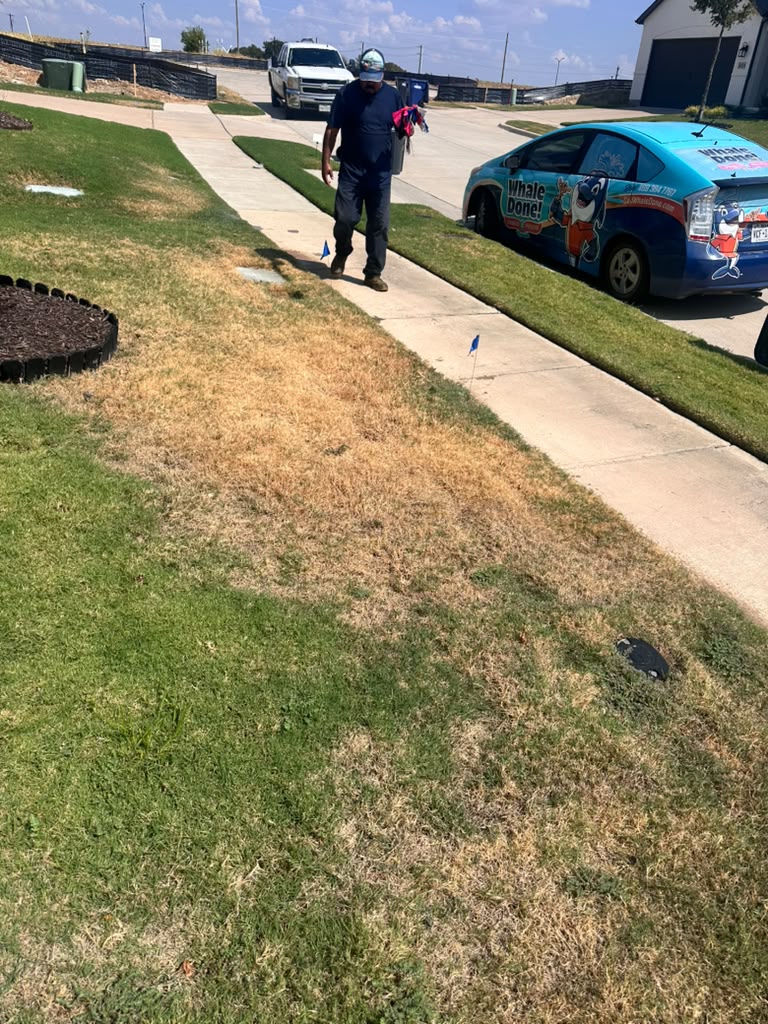
- Brown or dry patches appearing in specific areas of the lawn
- Water bills climbing faster than expected for the season
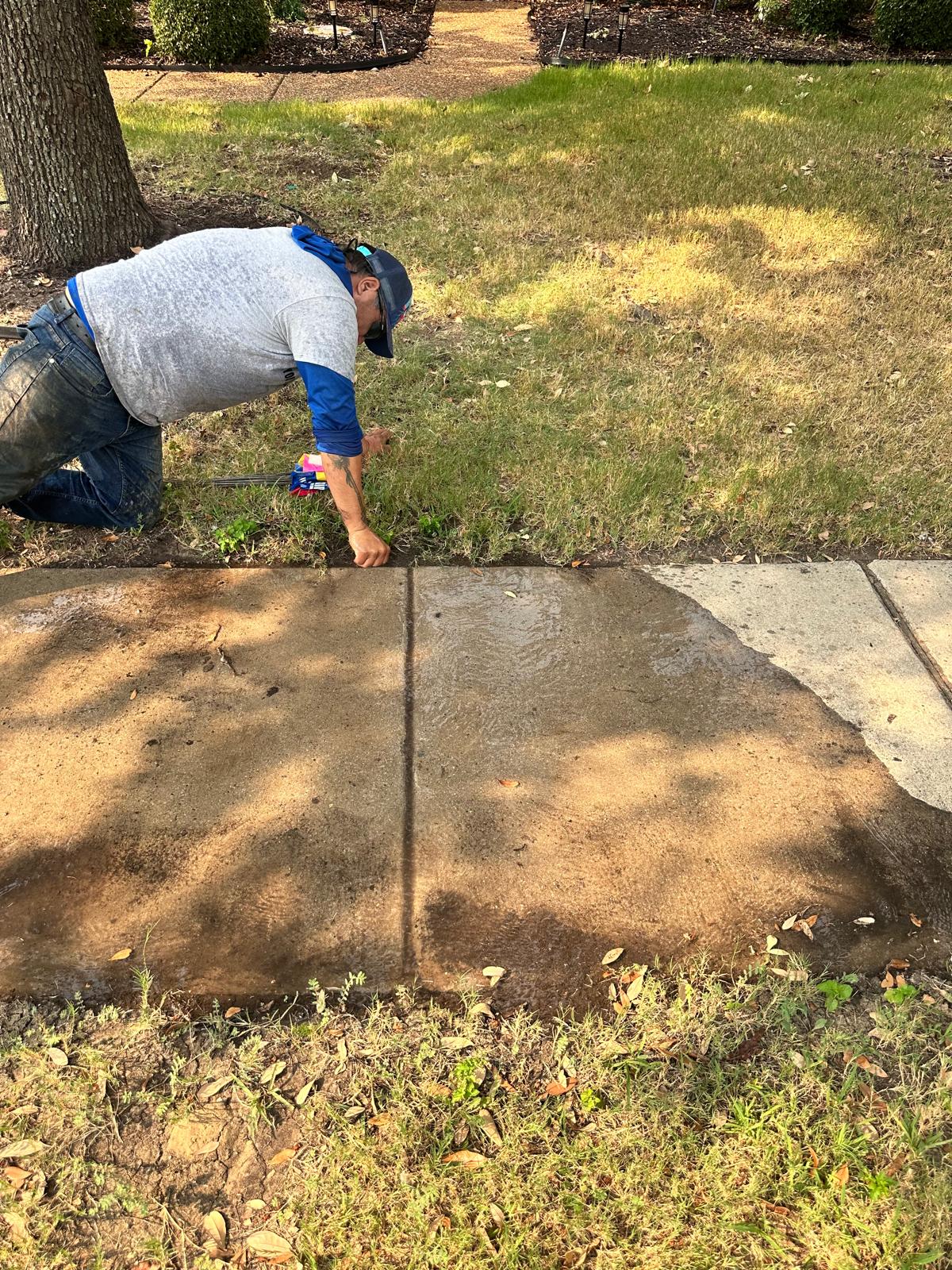
- Puddles or soggy spots forming in the yard between watering cycles
- Spray patterns hitting driveways, sidewalks, or siding instead of the lawn
- Zones running longer than programmed, suggesting a controller or valve issue
- Plants in drip zones looking stressed despite the system appearing to run normally
If any of these are showing up, a midseason check is worth doing sooner rather than later.
Step-By-Step: What to Inspect Midseason
1. Walk Each Zone While It Runs
Turn on each zone individually and watch it complete a full cycle. Look for heads that aren’t popping up fully, spray patterns that overlap or leave gaps, and any water pooling near valve boxes.
2. Check Spray Head Alignment and Height
Heads that have sunk into the soil, tilted from lawn equipment, or drifted out of position no longer cover their intended area. Straightening and adjusting them restores even coverage.
3. Test Valve Response
Each valve should open and close promptly when its zone is triggered. A valve that’s slow to activate, doesn’t fully shut off, or causes water hammer noises may be wearing out.
4. Review Controller Programming
Confirm run times, start times, and seasonal adjustments match current conditions. Many controllers retain spring settings that no longer match summer’s higher water demand.
5. Inspect Drip Zones Separately
Flush drip lines, check emitters for clogs, and confirm tubing hasn’t been damaged by mowing, edging, or animals since the system was last checked.
6. Check for Pressure Changes
Noticeably weaker spray, misting instead of a solid stream, or heads that barely reach their intended radius can indicate a drop in system pressure that’s worth investigating further.
Common Mistakes Homeowners Make
- Assuming brown patches always mean underwatering, when a broken or misaligned head is often the real cause
- Skipping drip zones during inspection, since problems there are less visually obvious than a lawn issue
- Leaving spring watering schedules unchanged even as summer heat increases water demand
- Ignoring minor puddling, which can point to a valve or underground leak before it becomes a bigger repair
- Not checking coverage after landscaping changes, such as new plantings or hardscape that blocks a spray pattern
Local Considerations in Parker, TX
A few conditions specific to Parker and the surrounding Collin County area make midseason inspections particularly useful:
- Summer heat in North Texas puts extra stress on lawns, so even minor coverage gaps become visible faster than they would during cooler, wetter parts of the year, making midseason the right time to catch small issues before they show up as dead grass.
- Clay soil, common throughout Parker, can mask underground leaks longer than sandy soil would, since water spreads slowly beneath the surface, which means a midseason pressure check can catch a leak that hasn’t yet created an obvious wet spot on the lawn.
- Water restrictions, often in effect across Collin County during peak summer months, make it especially important to confirm the system isn’t running longer than necessary or watering during restricted hours, since inefficient scheduling wastes water and may violate local ordinances.
- Foundation-adjacent zones deserve extra attention midseason, since inconsistent watering near the slab during Texas’s hottest, driest stretch can contribute to soil movement that affects the home’s foundation over time.
- Increased mowing and edging activity during summer raises the risk of physical damage to spray heads and drip tubing, so a midseason check is a good opportunity to catch equipment-related damage before it worsens.
Homeowners can review general guidance on efficient summer watering through the EPA WaterSense program and regional lawn care research from Texas A&M AgriLife Extension, both of which recommend regular system checks during peak growing season.
Related Problems That Aren’t Solved By a Midseason Inspection
A midseason walk-through catches most visible issues, but it won’t resolve:
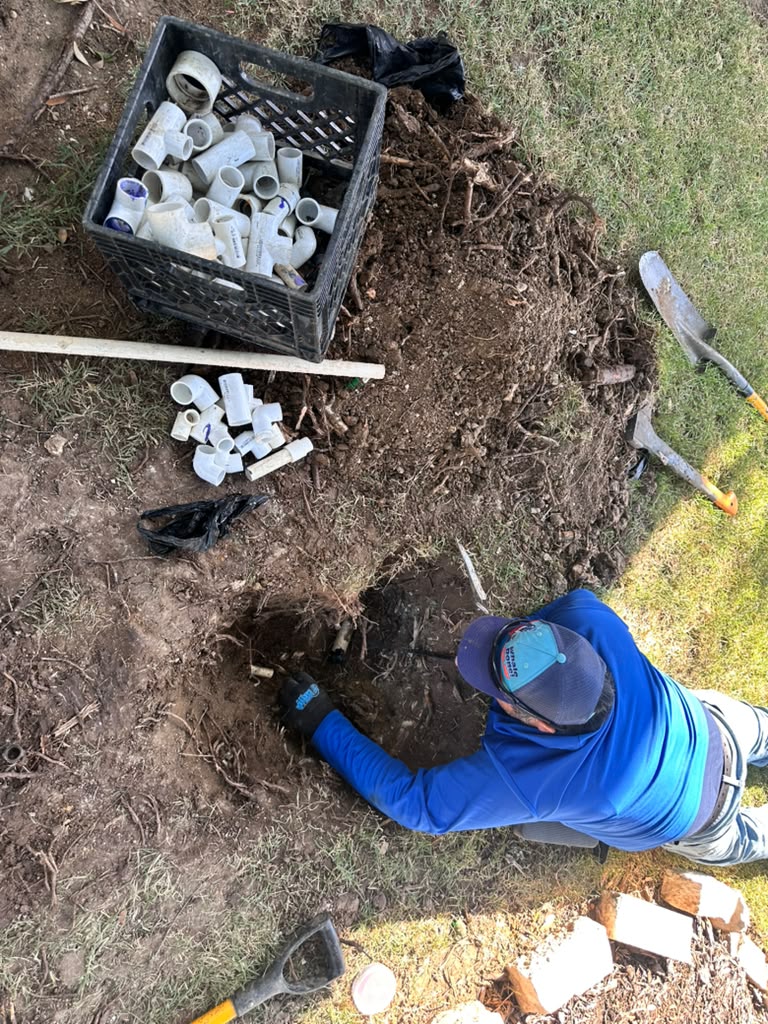
- Underground leaks in the main line, which often require excavation and professional repair to locate and fix properly.
- Mechanical valve failures, where a valve has physically worn out and needs replacement rather than adjustment.
- Controller hardware malfunctions, as opposed to simple programming errors, which may require a technician to diagnose.
- Low municipal water pressure, which originates outside the home’s irrigation system and isn’t something a homeowner or irrigation company can resolve directly.
If a midseason inspection reveals issues beyond basic adjustments, a full system evaluation can help determine the underlying cause.
Frequently Asked Questions
- When is the best time to schedule a midseason inspection in Parker, TX?
Late June through July is typically ideal, since the system has been running under full summer demand long enough for issues to surface, but there’s still time to make corrections before the hottest stretch of August.
- How long does a midseason inspection usually take?
A basic homeowner walk-through takes about 30 to 45 minutes, while a professional inspection with pressure testing and valve diagnostics may take slightly longer depending on the size of the system.
- Can a midseason inspection lower my water bill?
Yes, in many cases. Catching a stuck valve, a misaligned head, or an outdated watering schedule often reduces water waste significantly, which can be reflected in the next billing cycle.
- Do drip zones need a midseason check too?
Yes. Drip zones can develop clogged emitters or damaged tubing just like spray zones can drift out of alignment, and these issues are often less visually obvious without a direct check.
- What if everything looks fine during the walk-through but my water bill is still high?
This can indicate an underground leak or a pressure issue that isn’t visible on the surface, and typically requires a professional inspection to diagnose accurately.
Bottom Line
A midseason inspection in Parker TX is one of the most effective ways to catch small irrigation issues before summer heat turns them into dead grass, stressed plants, or unexpectedly high water bills. Walking each zone, checking valves and controller settings, and inspecting drip lines separately covers most of what tends to go wrong by midsummer. While not every issue can be caught or fixed with a simple walk-through, this kind of routine check goes a long way toward keeping a system efficient through the hottest part of the year, and it often reveals whether a bigger, less obvious problem needs professional attention.
Next Step
Homeowners who notice signs like uneven coverage, rising water bills, or stressed plants despite a normal-looking system may be dealing with an issue that requires more than a visual check, such as low pressure, a failing valve, or an underground leak. A licensed irrigation company can perform pressure testing, valve diagnostics, and a full controller review to identify the exact cause and recommend the right fix before the issue affects more of the landscape.
Related Resources
- Sprinkler System Services in Parker, TX
- How to Adjust Sprinkler Heads for Better Coverage
- Signs of Underground Irrigation Leaks
- Seasonal Watering Guide for North Texas Lawns
Conclusion & Call to Action
A midseason inspection in Parker TX helps catch misaligned heads, sticking valves, and outdated schedules before summer heat turns small issues into costly ones. A quick walk-through covers most problems, but pressure drops and underground leaks often need a closer look. If your system isn’t performing the way it should, a licensed irrigation professional can pinpoint the cause. Reach out to a trusted local irrigation team today.