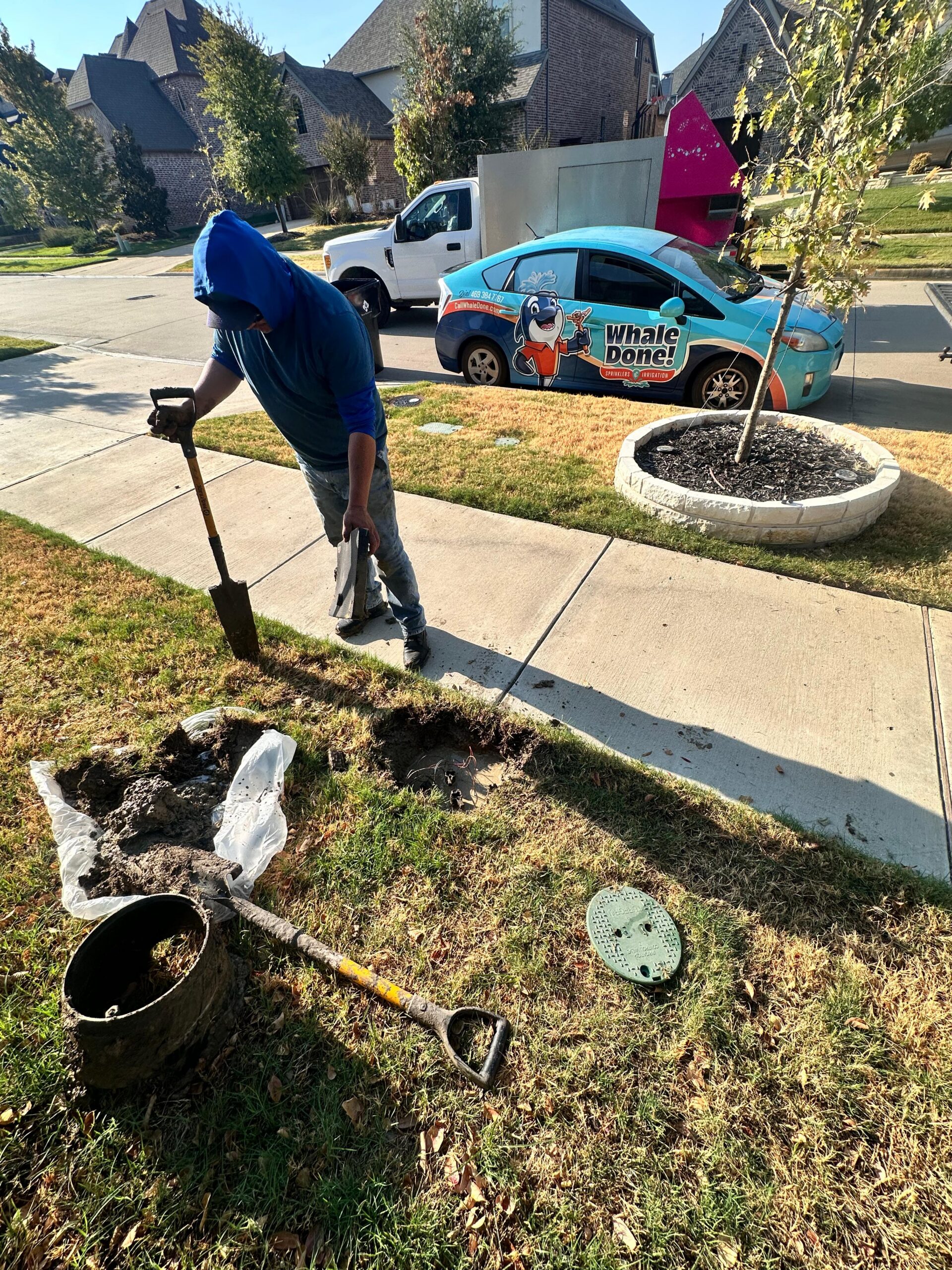
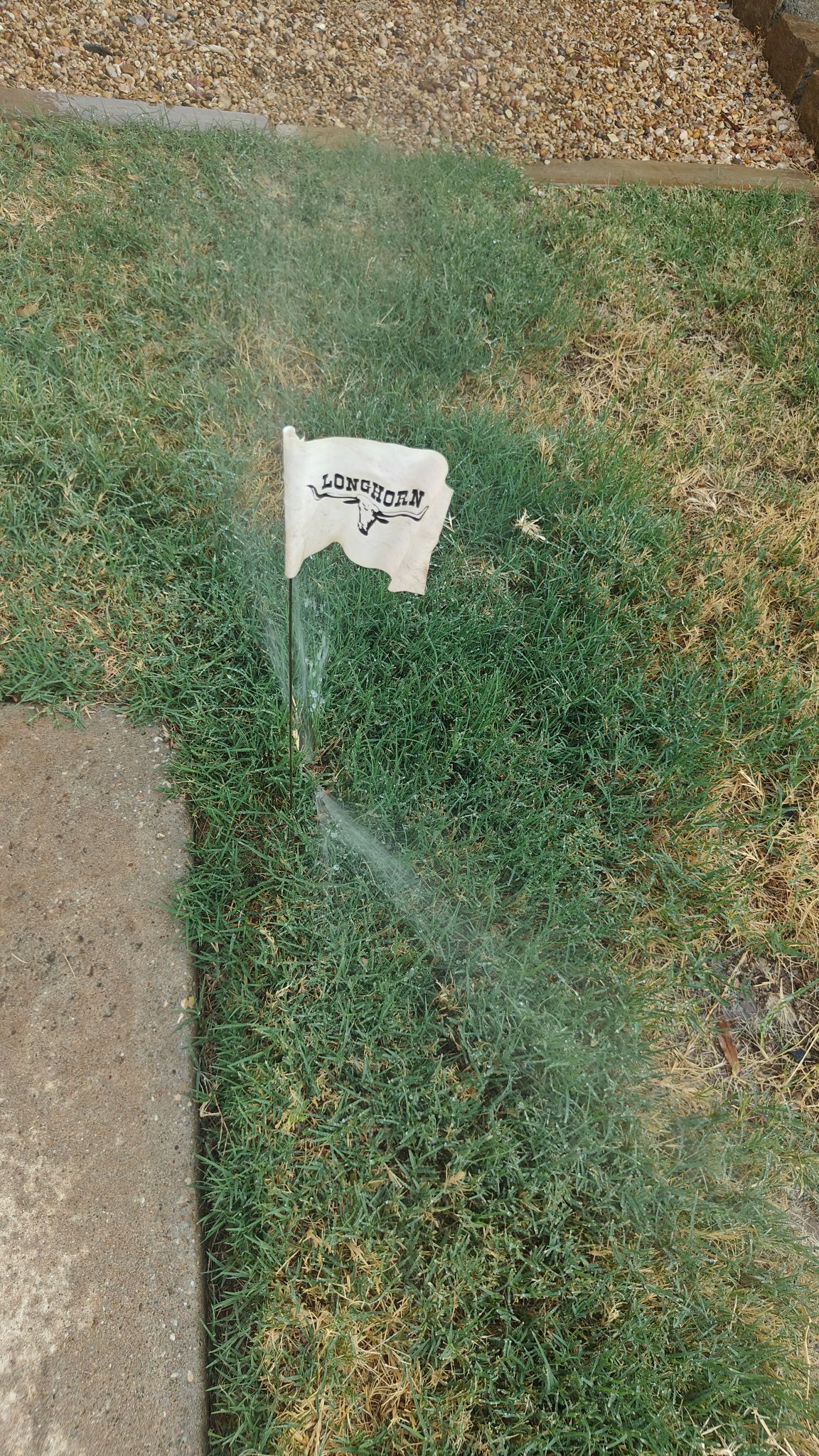
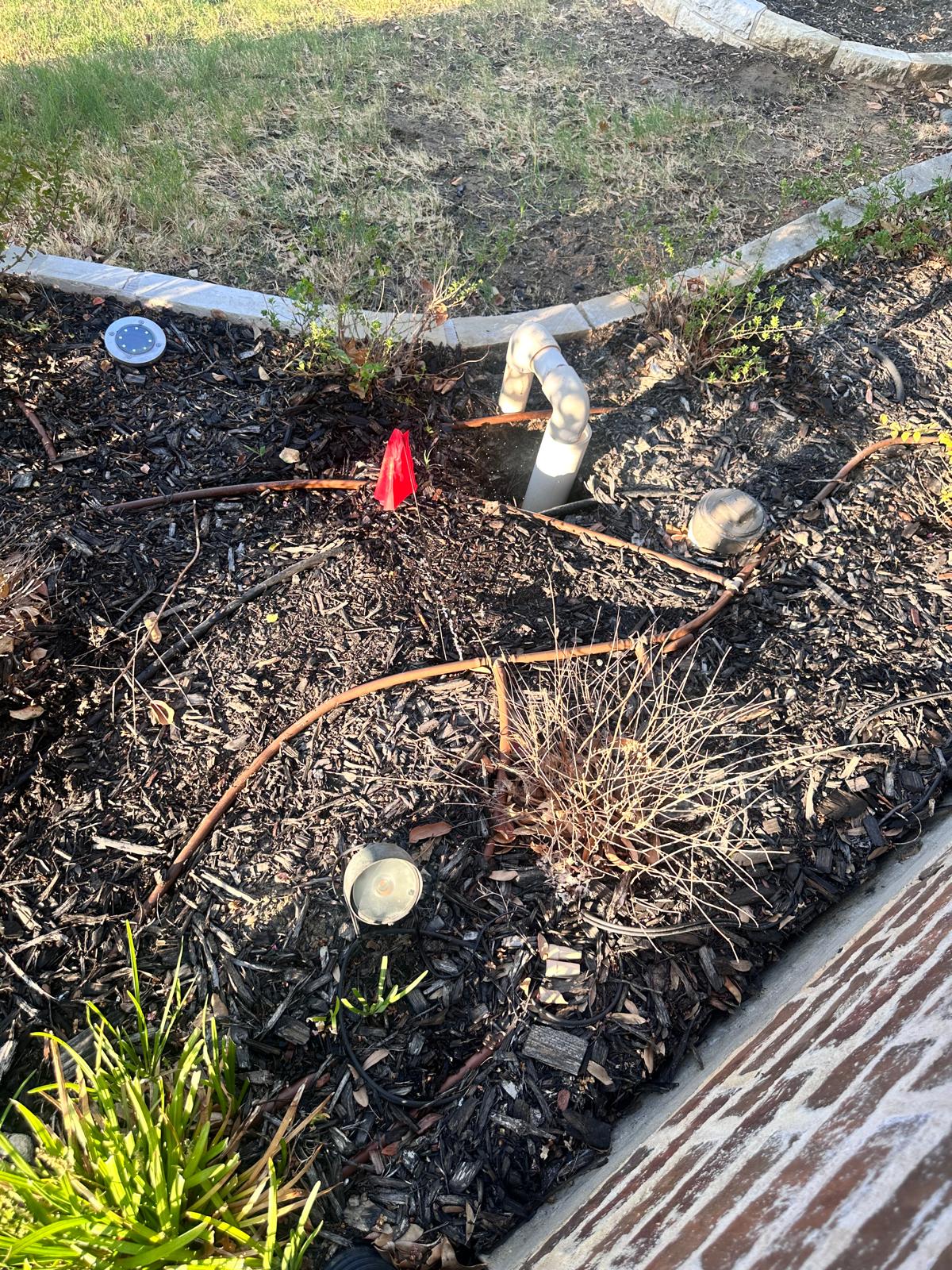
Most sprinkler issues can be fixed with targeted sprinkler repair in McKinney TX rather than a full system replacement. Problems like broken heads, clogged nozzles, minor leaks, and outdated controller programming are usually isolated issues that don’t affect the rest of the system. A full replacement is rarely necessary unless a system is very old, has widespread failures across multiple zones, or uses outdated piping that’s no longer reliable. In most cases, identifying which specific component is failing and repairing it directly is faster, cheaper, and just as effective.
At A Glance
- Difficulty: Easy to moderate for most individual repairs
- Estimated Time: 15 minutes to 1 hour depending on the issue
- Tools Needed: Screwdriver, replacement heads or nozzles, valve key, controller manual
- Works For: In-ground sprinkler systems, drip zones, and hybrid setups
- May Not Solve: Systems with widespread failure across most zones or piping near the end of its expected lifespan
Why Full Replacement Isn’t Always Necessary
A sprinkler system is made up of many independent parts, heads, valves, wiring, and a controller, that can each fail on their own without affecting the rest of the system. A single broken head or a stuck valve doesn’t mean the entire system is failing. It usually just means one component needs attention.
Replacing an entire system is a significant investment, and it’s rarely the right first step. In most cases, a technician can isolate the specific problem, repair it directly, and leave the rest of the system untouched. Understanding which problems are minor and fixable helps homeowners avoid unnecessary spending.
It’s easy to assume the worst when something goes wrong with a system that’s been reliable for years. But in practice, most service calls end with a single part replaced, not an entire system torn out and redone. Knowing this ahead of time can make the whole process feel far less overwhelming.
7 Sprinkler Problems That Usually Just Need A Sprinkler Repair in Mckinney TX
1. Broken Or Cracked Sprinkler Heads
A cracked head sprays water in the wrong direction or shoots straight up instead of across the lawn. This is one of the simplest and most common repairs, usually solved by replacing the single head.
Heads typically thread directly onto an existing riser, which means replacement often takes only a few minutes once the correct part is on hand.
2. Clogged Or Misaligned Nozzles
A clogged nozzle reduces coverage in part of a zone, while a misaligned one sprays water onto a driveway or sidewalk. Cleaning or replacing the nozzle typically resolves the issue quickly.
This is often confused with a pressure problem, but a quick check, cleaning debris out of the nozzle or adjusting its angle, is usually enough to confirm whether that’s actually the cause.
3. A Stuck Or Failing Valve
A valve that won’t fully open or close can cause a zone to run continuously or not water at all. Replacing the single valve is usually far less expensive than replacing the whole system.
Valves are typically housed in an accessible box, which makes this repair straightforward for a technician even though it requires more specialized knowledge than a head or nozzle swap.
4. Minor Underground Leaks
A small leak in one section of pipe can often be repaired by cutting out and replacing the damaged section, without needing to redo the entire irrigation line.
Catching a leak early, before it causes erosion or foundation issues nearby, keeps this kind of repair simple and contained to a small section of pipe.
5. Outdated Or Incorrect Controller Programming
A schedule that doesn’t match the season or a dead backup battery is a programming issue, not a sign the whole system needs to be replaced. This is often one of the fastest and cheapest fixes available.
In many cases, this repair takes only a few minutes and simply involves updating the run times or replacing a small battery inside the controller.
6. A Faulty Rain Sensor
If a system waters during or right after rainfall, the rain sensor may be disconnected or malfunctioning. Replacing or reconnecting the sensor solves this without touching any other component.
This is also a common issue after landscaping work, since sensors are sometimes accidentally disconnected during unrelated yard projects.
7. Low Pressure In A Single Zone
Low pressure limited to one zone often points to a partially closed valve or a blockage in that specific line, rather than a system-wide pressure problem requiring full replacement.
Comparing pressure readings between the affected zone and a neighboring one usually confirms whether the issue is localized or something that needs a broader look.
Common Mistakes Homeowners Make
- Assuming one problem means the whole system is failing. Most issues are isolated to a single component and don’t indicate a larger failure.
- Replacing parts without diagnosing the actual cause. Swapping a head repeatedly in the same spot without checking pressure may not solve the real issue.
- Delaying small repairs. A minor leak or a clogged nozzle left unaddressed can eventually stress nearby components.
- Overestimating repair costs. Many common repairs, like heads, nozzles, and rain sensors, are inexpensive compared to a full system replacement.
- Skipping a professional diagnosis before assuming replacement is necessary. A quick inspection often reveals that only one or two components actually need attention.
Local Considerations For McKinney TX
McKinney’s climate and soil conditions affect how these common problems show up:
- Clay soil, common throughout McKinney, can hide small leaks longer since water tends to pool at the surface rather than draining visibly.
- Summer heat puts extra strain on heads and nozzles, making clogs and misalignment more noticeable during peak watering season.
- Water restrictions set by the City of McKinney make it worth double-checking controller programming after any repair to confirm the schedule stays compliant.
- Wind, especially in more open or newer subdivisions, can worsen the effects of a misaligned nozzle by pushing spray even further off target.
- Freeze risk in winter can cause small leaks to appear in spring as ice thaws and reveals cracks that formed during a hard freeze.
- Foundation movement, a known concern in North Texas clay soil, is one more reason to address small leaks and uneven coverage quickly rather than letting them persist.
Homeowners can review current outdoor watering guidance through the City of McKinney’s water conservation page and general irrigation efficiency standards from the EPA WaterSense program.
Given how much McKinney’s neighborhoods vary in age, from newer developments to established properties with older systems, the right repair approach often depends as much on the specific system’s history as it does on the symptom itself.
When A Full Replacement Might Actually Be Needed
While most issues are repairable, a full system replacement may make sense if:
- Multiple zones are failing at the same time
- The piping is decades old and made from outdated materials
- Repairs on the same components keep recurring despite fixes
- The system was poorly designed from the start and never covered the yard evenly
Learn more in Whale Done’s guide to common sprinkler system problems.
Frequently Asked Questions
- How do I know if my sprinkler problem needs a repair or a full replacement?
Most single-zone or single-component issues, like a broken head or a stuck valve, are repairable. Replacement is usually only necessary when failures are widespread across the system.
- Is sprinkler repair in McKinney TX usually cheaper than replacement?
Yes, in almost all cases. Individual repairs like heads, nozzles, and valves cost significantly less than replacing an entire system.
- Can old sprinkler systems still be repaired instead of replaced?
Often, yes. Age alone doesn’t mean a system needs full replacement, especially if only one or two components are causing problems.
- What’s a sign that a system might actually need full replacement?
Widespread failures across many zones, outdated piping materials, or repeated recurring issues despite multiple repairs are stronger signs that replacement may be worth considering.
- How long does a typical sprinkler repair take?
Most individual repairs, like a broken head or a valve replacement, take under an hour. More involved repairs, like a leak in a buried line, may take longer.
Bottom Line
Most sprinkler problems, from broken heads to stuck valves to outdated programming, are isolated issues that don’t require replacing the entire system. Sprinkler repair in McKinney TX typically resolves these common problems quickly and affordably, saving homeowners from an unnecessary full replacement in most cases. Understanding which issues are minor helps set realistic expectations before calling for service, and it often means the fix is simpler, and cheaper, than homeowners initially assume.
When Professional Help May Be Beneficial
Diagnosing whether an issue is isolated or part of a larger system-wide problem often requires an experienced eye. A licensed sprinkler company can quickly identify which repairs are needed, confirm whether replacement is genuinely necessary, and avoid recommending unnecessary work. This kind of accurate diagnosis protects homeowners from overspending on a full system swap when a targeted repair would have solved the problem just as effectively.
Related Resources
Conclusion & Next Step
Most sprinkler issues don’t call for a full system overhaul. Sprinkler repair in McKinney TX usually solves broken heads, stuck valves, leaks, and programming problems quickly and affordably. Before assuming a full replacement is necessary, it’s worth getting an accurate diagnosis. A licensed sprinkler company can pinpoint the actual issue and recommend the most cost-effective fix.