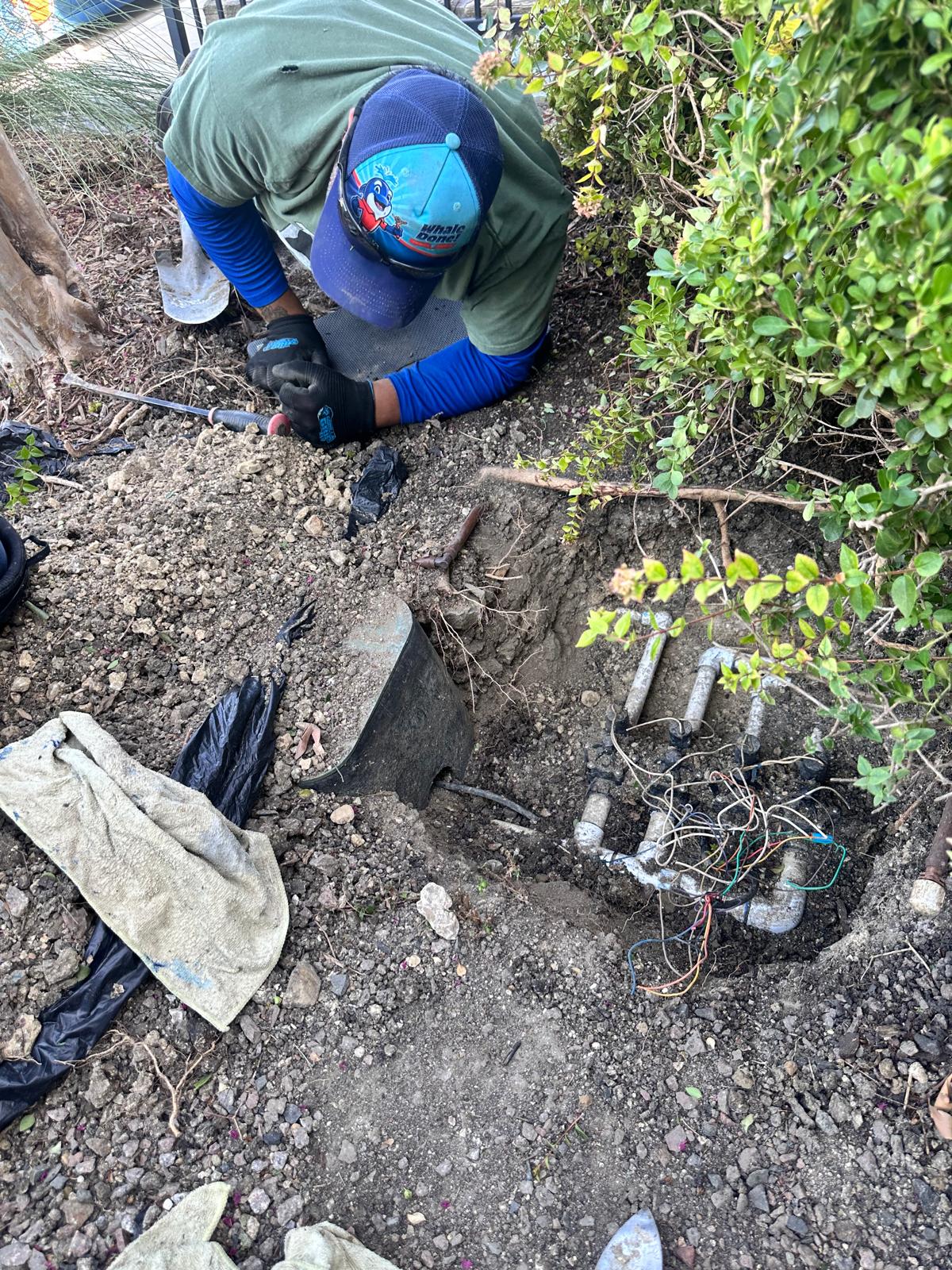
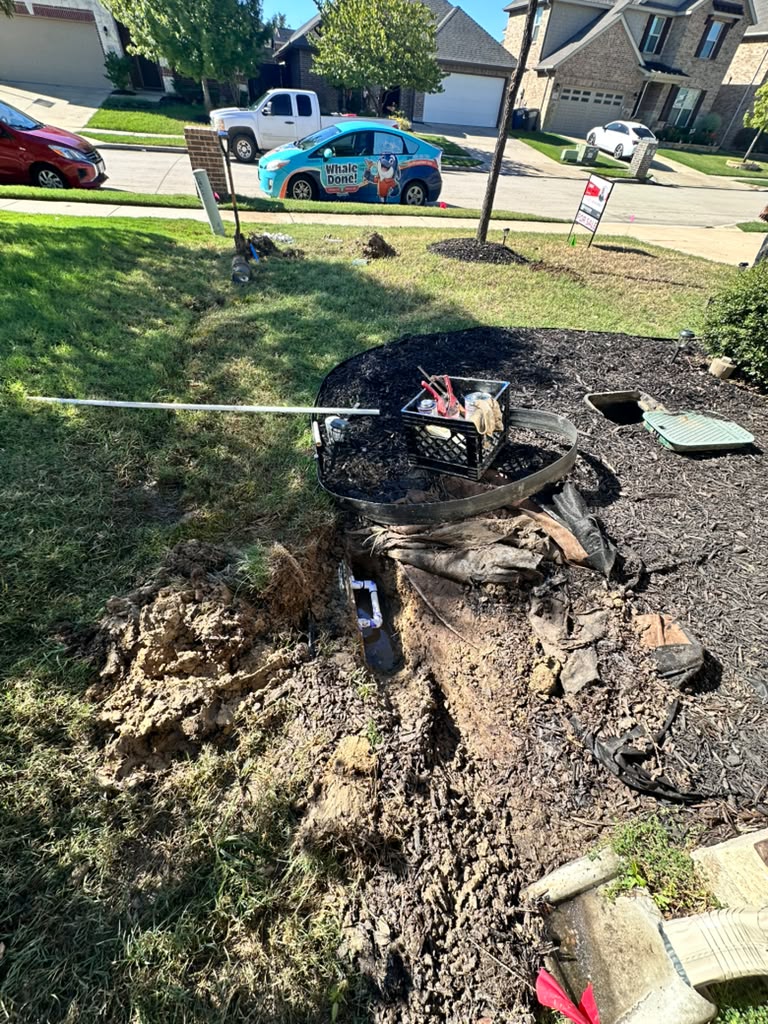
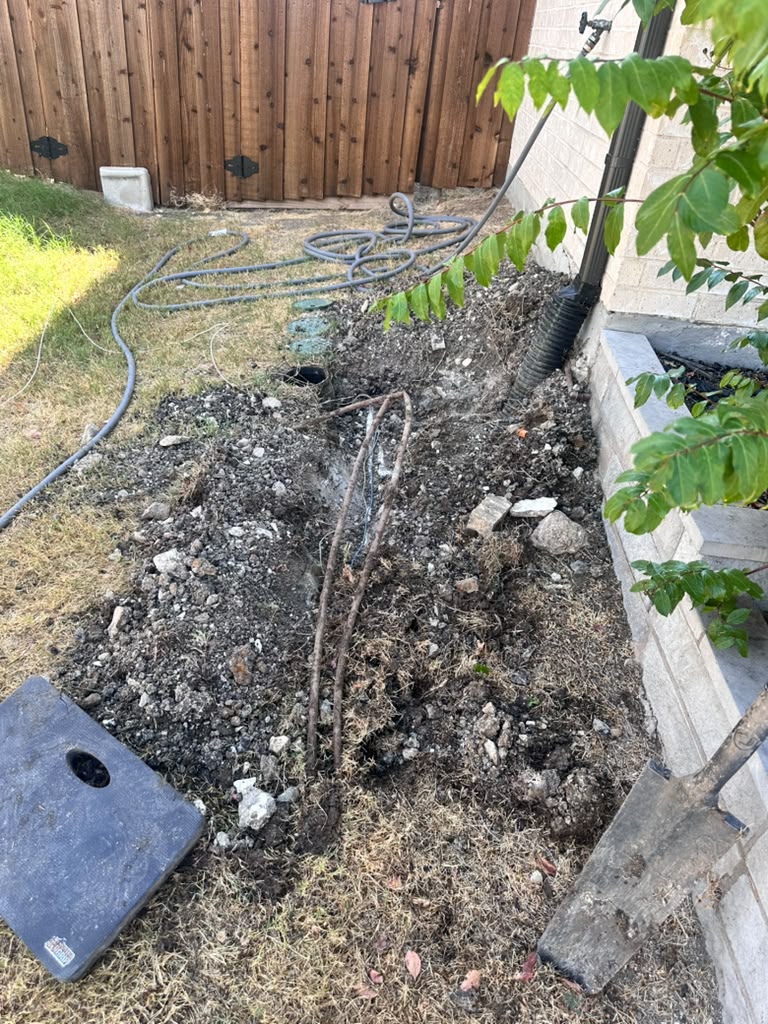
Sprinkler repairs in Frisco TX are easiest to plan by identifying issues early, separating urgent problems from ones that can wait, and scheduling non-urgent work during the off-season rather than waiting until peak summer demand. A little planning turns irrigation upkeep into a predictable part of home maintenance instead of a series of surprise expenses. This guide walks through a simple approach homeowners can use to stay ahead of repairs throughout the year.
At A Glance
- Difficulty: Easy—mostly organization and timing
- Time Required: 15–30 minutes per season to review the system
- Who Can Help: A licensed sprinkler technician for inspections and repair estimates
- Works For: Homeowners wanting to avoid emergency repairs or manage costs over time
- May Not Solve: Sudden failures like a burst pipe, which still require prompt attention regardless of planning
Why Planning Sprinkler Repairs In Frisco TX Makes A Difference
Irrigation systems tend to develop small issues gradually—clogged nozzles, minor leaks, aging valves—long before anything fails outright. Homeowners who check in on their system periodically catch these early, while those who wait for a visible problem often end up dealing with several issues at once.
Planning also spreads costs out more evenly across the year instead of concentrating them during the busiest, most expensive season for service calls.
It also reduces stress. Knowing that a small issue is scheduled for the next seasonal visit, rather than wondering whether it will turn into an emergency, gives homeowners more control over both their budget and their yard’s condition.
How To Plan Sprinkler Repairs Throughout The Year
1. Start With A Seasonal System Check
A quick walkthrough at the start of spring and fall helps catch issues before they become urgent. Run each zone briefly and look for uneven spray, dry patches, or heads that aren’t popping up fully.
2. Separate Urgent Issues From Ones That Can Wait
Not every problem needs immediate attention. A general rule of thumb:
- Fix now: Leaks, stuck valves, or anything wasting water continuously
- Fix soon: Dry zones, multiple broken heads, or pressure loss
- Schedule later: Minor coverage gaps, cosmetic wear, or controller updates
Sorting issues this way prevents overspending on emergency service for problems that could have waited for a routine visit.
3. Schedule Non-Urgent Repairs During The Off-Season
Late fall and winter tend to be slower seasons for irrigation companies in North Texas, since the system isn’t running as heavily. Scheduling non-urgent repairs during this window often means faster appointment availability and less competition with peak-season service calls.
4. Budget For An Annual Maintenance Visit
A routine seasonal inspection, even without a known problem, is one of the most effective ways to catch small issues before they grow. Many homeowners build this into their spring start-up service, since the system is already being activated for the season. This visit is also a good time to ask a technician for a written priority list of any findings, so nothing gets forgotten by the time the next season arrives.
5. Keep A Simple Repair History
Tracking what’s been repaired and when makes it easier to notice patterns, such as a specific zone that keeps needing attention. This also helps a technician diagnose problems faster during future visits, since they aren’t starting from scratch.
6. Plan Around Known Local Factors
Certain repairs are more predictable in North Texas than others. Freeze-related damage typically shows up in late winter, while pressure and coverage issues often surface during peak summer heat. Anticipating these patterns makes it easier to schedule preventive checks before problems appear, rather than reacting after a zone has already been affected.
Common Mistakes Homeowners Make When Planning Repairs
- Waiting until a zone completely fails before scheduling service. Early signs like weak spray or minor pooling are often easier and cheaper to address.
- Scheduling all repairs during peak summer. This is typically the busiest season for irrigation companies, which can mean longer wait times.
- Fixing only the most obvious issue. A full system check often reveals smaller problems that are cheaper to fix while a technician is already on-site.
- Not budgeting for routine maintenance. Treating irrigation care as “repair only” rather than ongoing maintenance often leads to more expensive fixes later.
- Ignoring minor issues because the system “still works.” Small inefficiencies compound over time, both in water waste and component wear.
- Not communicating priorities clearly to a technician. Explaining which issues feel most pressing helps ensure the visit addresses what matters most to you first.
- Assuming DIY fixes always save money. Some adjustments, like changing a spray pattern, are simple. Others, like valve or wiring repairs, can end up costing more if done incorrectly and needing to be redone.
Local Considerations For Frisco TX
A few regional factors are worth factoring into a repair planning schedule in this area:
- Clay soil: Common throughout Frisco, clay soil expands and contracts with moisture changes, which can gradually shift pipes and valve boxes. Seasonal checks help catch early signs of this kind of movement.
- Summer heat: Extended high temperatures put more strain on components and increase watering demand. Planning non-urgent repairs before summer helps ensure the system is running efficiently when it matters most.
- Water restrictions: Frisco, like much of North Texas, enforces watering schedules tied to address or day of week, especially during drought stages. Reviewing controller programming each season helps confirm ongoing compliance.
- Rapid residential growth: Frisco has seen significant new construction in recent years, and irrigation systems in newer neighborhoods sometimes experience settling-related issues in their first few years. Early seasonal checks can catch this before it becomes a bigger repair.
- Freeze events: Sudden North Texas freezes can damage above-ground components or backflow devices. Planning a post-freeze inspection each winter helps catch damage before the next watering cycle begins.
- HOA and community landscaping standards: Many Frisco neighborhoods have homeowners associations with specific lawn care expectations. Planning repairs ahead of inspection periods can help homeowners stay ahead of any landscaping compliance concerns.
Related Problems That Affect Repair Planning
Some issues are harder to plan for because they don’t show obvious warning signs right away. Homeowners should also watch for:
- A slow underground leak that gradually affects pressure across multiple zones
- Wiring damage between the controller and valves, often caused by yard work or digging
- A backflow preventer nearing the end of its typical service life
- Persistent low municipal water pressure unrelated to the irrigation system itself
- Root intrusion from nearby trees or landscaping affecting buried lines over time
Homeowners noticing these signs can review Whale Done’s guides on common irrigation problems and signs your sprinkler system needs repair for more detail.
Building A Simple Repair Calendar
A practical approach is to mark two check-in points on the calendar each year—typically early spring and late fall—paired with a quick walkthrough of the system. Between those visits, address urgent issues as they appear, and hold non-urgent items for the next scheduled check-in.
This rhythm turns sprinkler care into a predictable routine rather than a reactive scramble, and it usually costs less over time than waiting for problems to force an emergency call.
Some homeowners also find it helpful to align their repair calendar with other seasonal home maintenance tasks, such as HVAC servicing or gutter cleaning, so irrigation upkeep doesn’t get overlooked amid other priorities.
Frequently Asked Questions
- How often should I plan for sprinkler repairs?
A seasonal check-in, roughly twice a year, is a reasonable baseline for most homes, with urgent issues addressed as soon as they appear.
- What time of year is best for non-urgent sprinkler repairs?
Late fall and winter tend to have more appointment availability, since demand for irrigation service is typically lower during that time.
- Should I fix small issues even if the system still works overall?
Yes, when practical. Small issues like a clogged nozzle or minor leak often get more expensive to fix the longer they’re left unaddressed.
- Can I plan for freeze-related repairs in advance?
Not entirely, but scheduling a post-freeze inspection each winter helps catch damage early before it affects the next watering season.
- Is it worth budgeting for a repair fund each year?
Many homeowners find it helpful to set aside a small annual amount for irrigation upkeep, similar to budgeting for HVAC or water heater maintenance. Resources from the EPA’s WaterSense program and the Irrigation Association offer general guidance on maintaining an efficient system year-round.
Bottom Line
Sprinkler repairs in Frisco TX are easiest to manage by checking the system seasonally, separating urgent issues from ones that can wait, and scheduling non-urgent work during slower months. This approach keeps costs more predictable and reduces the chance of dealing with several problems at once.
Rather than waiting for a visible failure, homeowners who build a simple review into their spring and fall routine tend to catch small issues while they’re still inexpensive to fix. Over time, this habit also makes it easier to spot patterns, like a zone that keeps needing attention, before they turn into a larger, more disruptive repair.
Next Step
If your system hasn’t had a seasonal check-in recently, or if you’re dealing with more than one issue at a time, a licensed sprinkler technician can help assess priorities and build a simple repair schedule. This is especially useful heading into summer or after a hard freeze, when small issues are more likely to surface.
A technician can also point out which items are safe to monitor for now and which ones are worth addressing right away, giving you a clearer sense of what to expect before the next season’s watering demands begin.
Related Resources
Conclusion & Call To Action
Planning sprinkler repairs in Frisco TX comes down to catching issues early, prioritizing by urgency, and scheduling non-urgent work during slower months. A little routine attention goes a long way toward avoiding costly surprises. If your system needs a check-in or you’re facing more than one repair at once, a licensed sprinkler professional can help you build a clear, manageable plan.