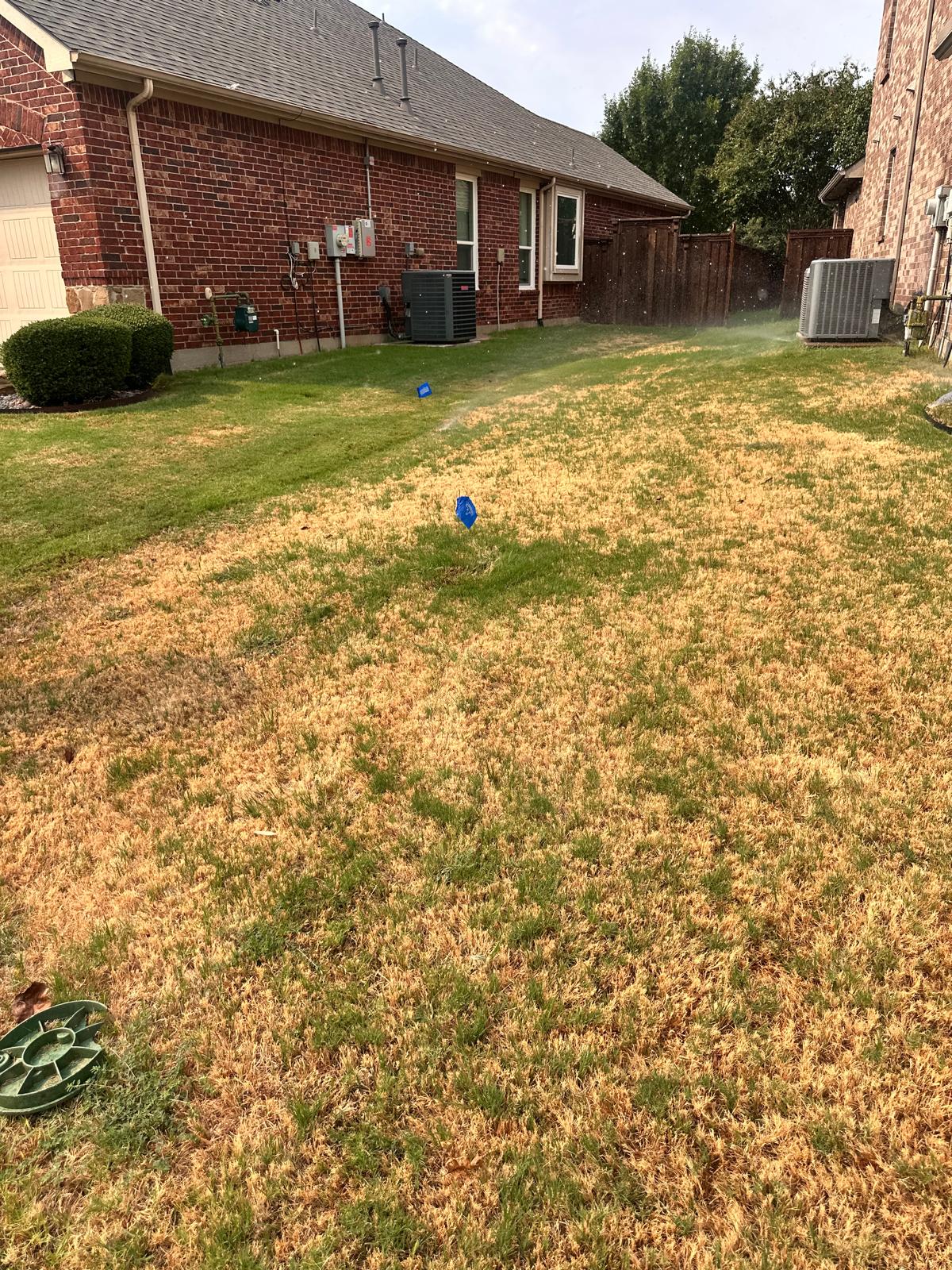
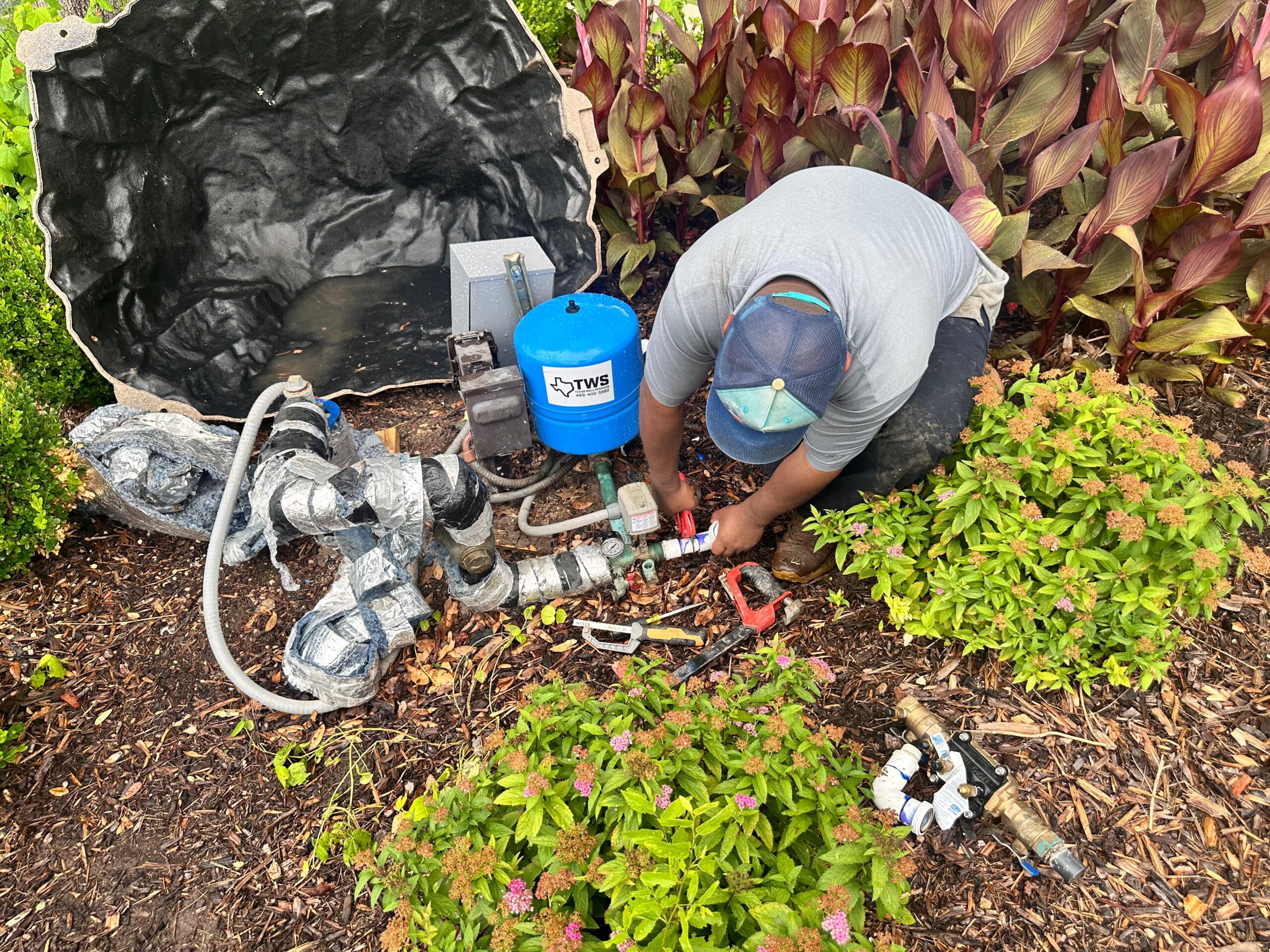
A fall irrigation inspection in Celina TX should cover four areas: confirming every zone still cycles and seals correctly, checking for active leaks at heads, valves, and visible piping, assessing the physical condition of components like nozzles, wiring, and the backflow preventer, and recording current controller settings before anything gets shut down for winter. The inspection isn’t the same appointment as winterization — it’s the diagnostic step that comes first, so any repairs can be scheduled and completed before the system is drained and blown out for the season.
At A Glance
- Difficulty: Moderate (zone cycling is DIY-friendly; leak and valve diagnosis benefits from a technician)
- Estimated Time: 30–60 minutes for a full walk-through, depending on zone count
- Tools Needed: Controller access, notepad or phone for recording settings, flashlight for valve box inspection
- Works For: In-ground sprinkler systems preparing for freeze shutdown, regardless of age
- May Not Solve: Damage that’s already occurred from a prior freeze, or pressure issues originating at the municipal supply
Why A Fall Inspection Matters Before Winterization
Winterization and inspection get treated as the same visit, but they serve different purposes. Winterization drains the system and protects it from freeze damage. It doesn’t evaluate whether the system was working well in the first place. If a valve was sticking, a zone was leaking, or a head was already cracked going into winter, none of that gets fixed by blowing air through the lines — it just gets frozen in place until spring.
Running the inspection first, as its own step, means any problems found can actually be repaired while the system still has water in it and zones can still be tested. Once winterization is complete, there’s no way to verify a zone’s performance until the system is turned back on months later, by which point a known issue is now a surprise repair during the busiest part of spring start-up season.
This sequence also protects the investment in winterization itself. There’s little value in paying to professionally drain and seal a system that still has an underlying problem — it simply preserves that problem until next year.
What A Fall Irrigation Inspection Should Include
1. Zone-By-Zone Operation Check
Run every zone individually, not just the first one or two, and watch the full cycle: start-up, spray pattern, and shutoff. A head that mists instead of spraying evenly, a zone that’s slow to start, or one that keeps running after the controller should have moved on are all signs worth noting before the system goes down for the season.
2. Active Leak Detection
Walk the property while zones are running and look for pooling water, unusually soft or soggy ground, or water surfacing well outside a head’s spray radius. Check visible piping, valve boxes, and the backflow assembly for moisture that shouldn’t be there. A slow leak is easy to miss in fall once watering frequency drops, but it’s still actively wasting water and stressing the system.
3. Component Condition Review
With zones running, inspect individual components: nozzles for clogging or cracking, heads for proper retraction, exposed wiring at valve boxes for fraying or corrosion, and the backflow preventer for visible wear. This step catches the kind of gradual deterioration that doesn’t cause an obvious failure yet, but will during the cold stress of a hard freeze.
4. Recording Current Controller Settings
Before winterization shuts everything down, write down or photograph the current program: run times, start times, and active days per zone. This record becomes the starting point for spring reprogramming, and it also helps confirm whether current settings were ever adjusted for fall’s lower water demand, or if the system has been running on an outdated summer schedule.
Common Mistakes Homeowners Make
- Combining inspection and winterization into one rushed visit. Problems found during winterization often go unaddressed because the system is already being drained.
- Only checking zones that are visibly used most. A rarely-used zone can mask a stuck valve or dead head for an entire season.
- Skipping the controller settings record. Without it, spring start-up becomes guesswork rather than a quick restoration.
- Assuming no visible problems means no problems. Slow leaks and early valve wear often show no obvious symptoms until they fail outright.
- Waiting until the first freeze warning to check anything. This leaves no time to repair issues before winterization needs to happen.
Local Considerations For Celina TX
Celina’s growth and climate both shape what a fall inspection should pay attention to:
- Rapid new-home development means system age varies widely street to street, so an inspection on a newer system still matters to confirm correct original installation.
- Clay soil, common across Celina and the wider Collin County area, can hide leaks longer since water tends to pool rather than drain away visibly.
- City of Celina irrigation requirements set standards for backflow prevention and system compliance, making the backflow check part of a fall inspection worth taking seriously, not just a formality.
- Sudden North Texas cold snaps mean the gap between a mild fall and the first hard freeze can be short, so scheduling the inspection early leaves room to actually complete repairs before winterization.
- Shared watering restriction schedules across Collin County mean a controller’s fall settings should already reflect current allowed watering days, not a carryover from summer.
Homeowners can review current local irrigation standards through the City of Celina’s irrigation ordinance information and general freeze-protection guidance from EPA WaterSense.
Turning Findings Into A Repair List
Once the inspection is complete, findings should be sorted by priority rather than addressed in the order they were noticed. A leaking valve or a cracked backflow component generally needs attention before the system is drained, since winter won’t fix either one. A misaligned head or a minor nozzle clog can usually wait, since it doesn’t affect the system’s ability to winterize safely or hold up through freezing temperatures.
Separating “must-fix-now” from “note-for-spring” keeps the inspection useful without turning it into an immediate full repair bill. It also gives the winterization appointment a clear, repair-free system to work with.
Related Problems A Fall Inspection Can Uncover
- A valve that’s been partially stuck for months without anyone noticing
- A slow underground leak masked by cooler, wetter fall weather
- Wiring that’s begun to corrode in a damp valve box
- A controller program left over from peak summer watering
Frequently Asked Questions
- Should the inspection and winterization happen on the same visit?
They can be scheduled back-to-back, but the inspection findings should be reviewed and any needed repairs completed before the system is drained, not after. - How far ahead of the first freeze should this be done?
Early-to-mid fall gives enough time to complete repairs before temperatures drop, rather than discovering problems the week of the first freeze warning. - Does a newer system still need this inspection?
Yes. A newer system can still have an installation issue, a developing leak, or settings that were never adjusted from the builder’s default program. - What happens if a problem is found but not fixed before winterization?
It typically gets frozen in place and surfaces again at spring start-up, often as a bigger repair than it would have been in fall. - Is this different from a spring start-up inspection?
The components checked are similar, but a fall inspection is focused on what needs fixing before freeze protection, while spring start-up confirms everything survived winter intact.
Bottom Line
A fall irrigation inspection in Celina TX gives homeowners a clear, prioritized picture of their system’s condition before it gets shut down for winter. Checking zone operation, active leaks, component wear, and recording current settings turns winterization from a routine shutdown into the final step of a system that’s already been confirmed to be in good shape. Treating the inspection as its own appointment, rather than folding it into winterization, means problems get caught while there’s still time to fix them.
A system that’s drained and sealed with an unresolved issue simply preserves that issue until spring, often turning a small fix into a larger one. Separating the two steps keeps both of them doing their actual job: one confirms the system is healthy, and the other protects it through the cold months ahead.
When Professional Help May Be Beneficial
Diagnosing a slow leak, testing valve function, or evaluating backflow preventer condition takes equipment and experience most homeowners don’t have on hand. A licensed sprinkler company can complete the inspection, prioritize any needed repairs, and schedule winterization as a separate, follow-up appointment once the system is confirmed to be in good working order.
This matters most for homeowners who’ve noticed a recurring issue without being able to pin down the cause, since a trained technician can often trace a symptom back to its source rather than treating it as an isolated repair. It’s also valuable for anyone unfamiliar with their system’s history, whether due to a recent move or simply not having tracked past repairs, since a professional inspection builds a dependable baseline to work from going forward.
Related Resources
- Sprinkler System Inspections
- Seasonal Sprinkler Maintenance
- Sprinkler Leak Detection
- Celina, TX Sprinkler & Irrigation Services
Conclusion & Next Step
Treating the fall inspection as its own appointment, separate from winterization, is what makes it useful. It gives homeowners in Celina time to address real issues before the system goes down for winter, rather than finding out about them at spring start-up. A licensed technician can walk the property, document findings, and put together a clear, prioritized plan before scheduling the winterization visit.