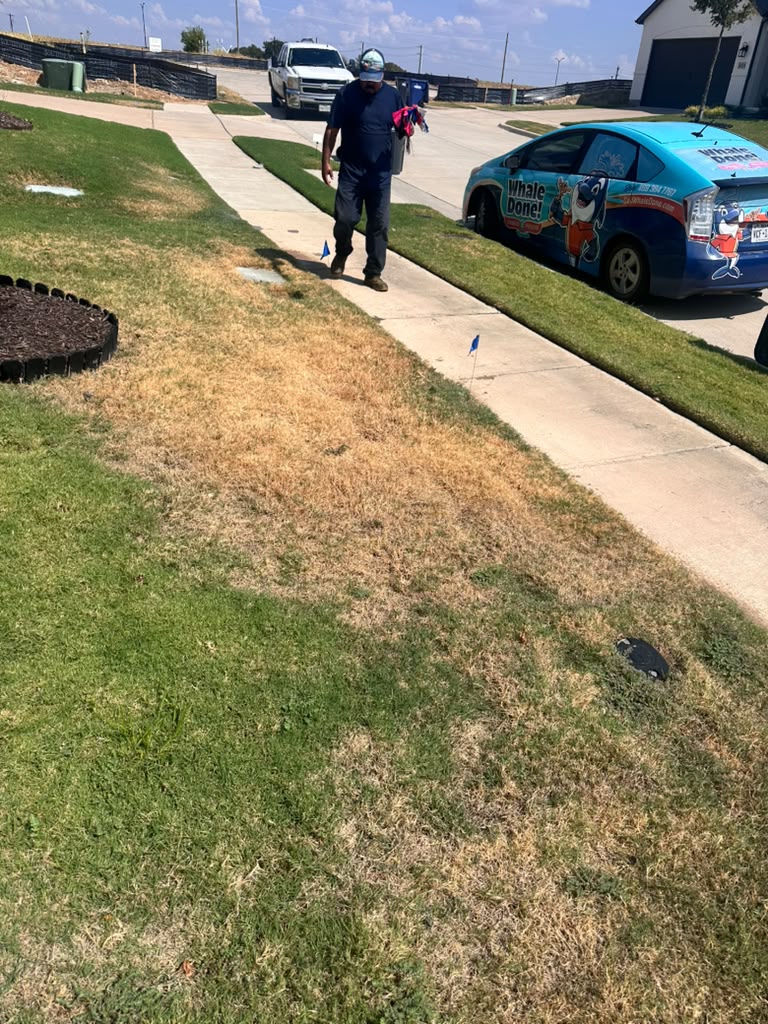
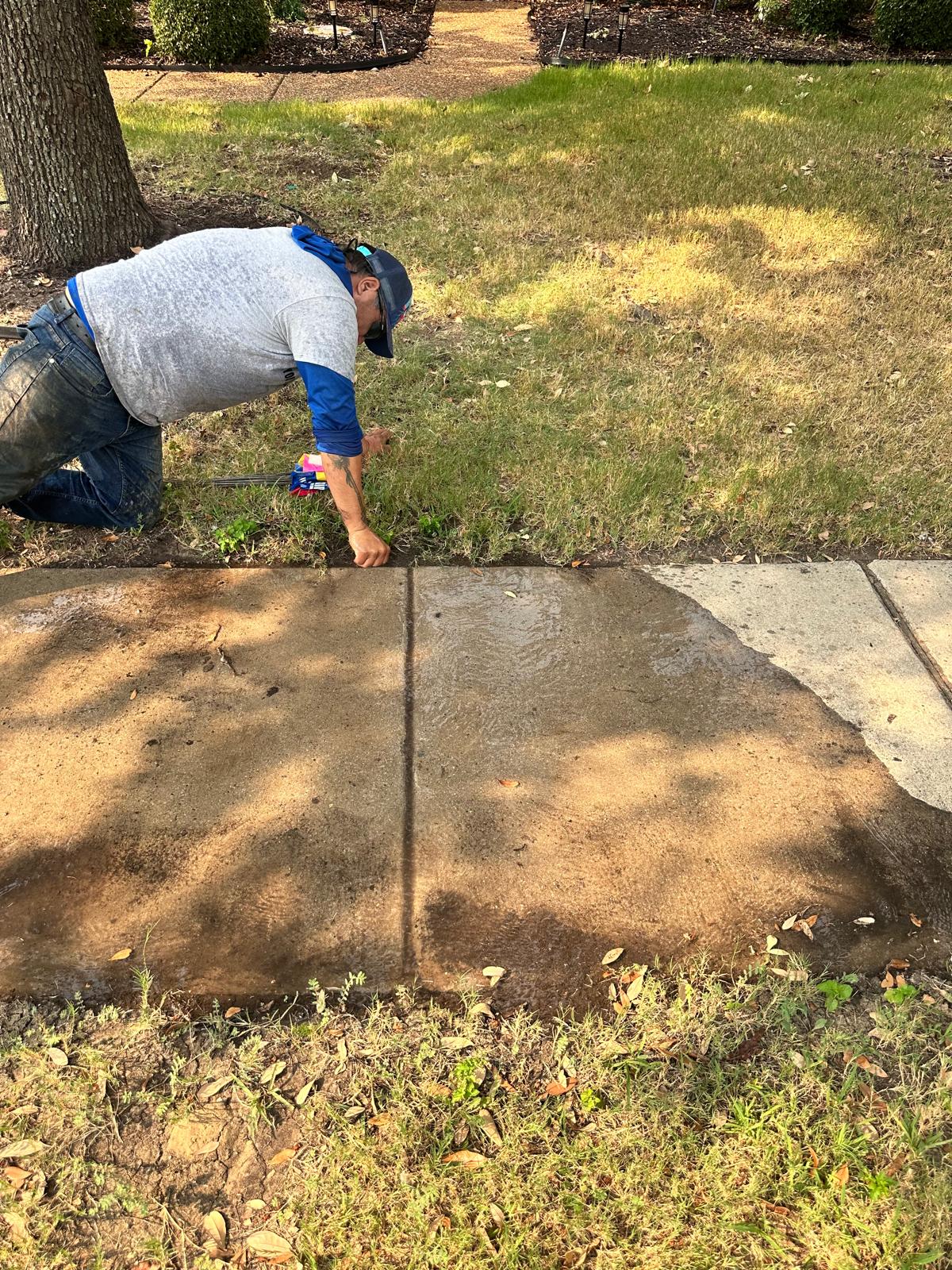
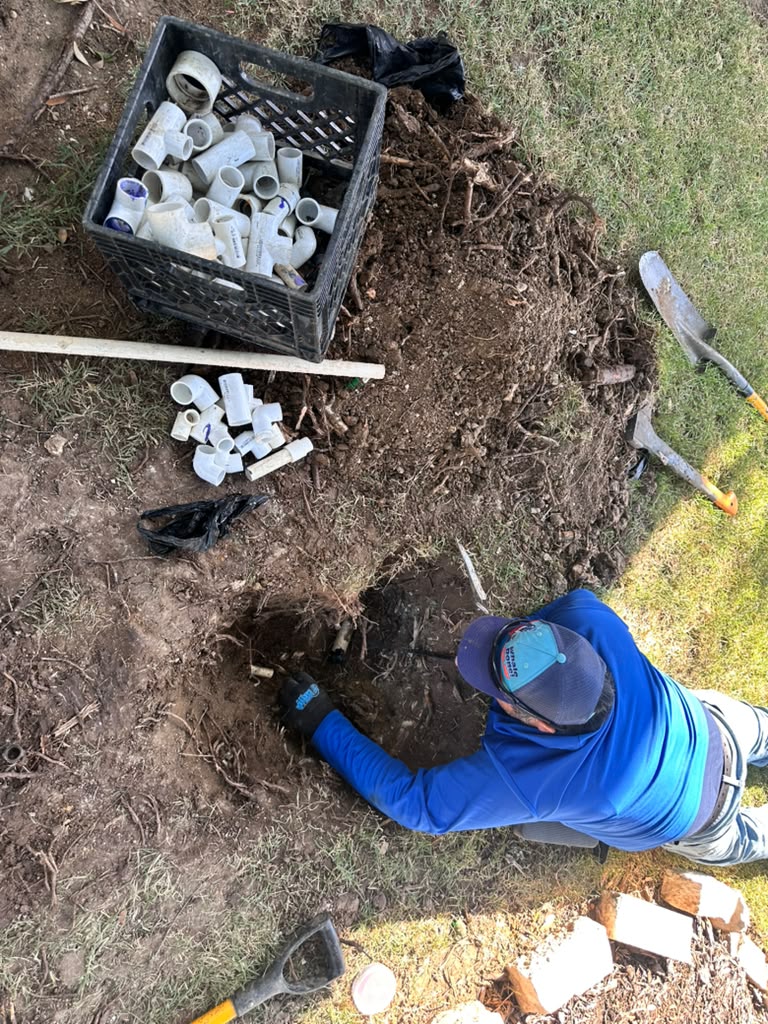
Sprinkler winterization in Oak Point TX depends on your system configuration because the way your system is built determines where water sits, how it can leave the pipes, and which parts are exposed to a freeze. A system with drain valves, one with drip zones, and one with an above-ground backflow preventer each hold water differently.
No single method fits every property. A licensed sprinkler company inspects the system first, then decides what level of protection or water removal makes sense.
At a Glance
- Difficulty: Understanding your setup: easy. Choosing and performing a method: best left to a licensed professional
- Estimated Time: 10 minutes to note your system’s features; service time varies by property
- Tools Needed: Your controller, a flashlight, and a phone for photos
- Works For: Understanding why two neighbors may need different winterization approaches
- May Not Solve: Existing leaks, worn valves, or damage from a past freeze
Why System Configuration Changes the Approach
Winterization is about the water left inside your system. Water that freezes expands, and that expansion can crack pipes, fittings, and valves.
How much water is trapped, and where, depends on how the system was designed and installed. Two homes on the same street can have very different setups.
That is why a one-size-fits-all approach rarely works. The right method follows the system, not a calendar date or a neighbor’s routine.
What Makes Up a Sprinkler System Configuration?
Configuration is the combination of parts, materials, and layout in your yard, and a few features have the biggest effect on how a system should be winterized. The backflow preventer matters most, since it may sit above ground or in a buried box, which changes how exposed it is to cold air and wind during a freeze. Drain points also count, because a system may have manual drain valves, automatic drains, or none at all, and that affects how easily water can leave the lines.
Pipe layout, including the slope of the land and how lines are routed, affects where water collects and settles in low spots after shutoff. Zone types, such as spray heads, rotors, drip lines, or a mix, hold and release water differently. Valve setup and controller features, like rain or freeze sensors, add further variation, so each one changes what a technician looks for during a professional assessment.
Comparing Common System Configurations
Here is how different setups can affect the decision. These are general comparisons, not instructions.
Systems With Built-In Drain Valves
Some systems are built with drain valves at low points in the lines. These let water leave the pipes with help from gravity.
If the drains are working, they can reduce how much water stays behind. A technician checks whether they are present, accessible, and functioning before relying on them.
Systems Without Drain Points
Other systems have no way for water to leave on its own. Water can stay in the lines unless something else removes it.
These systems often call for a closer look at the best way to clear water. A licensed company decides which approach fits the pipe type, layout, and condition of the system.
Systems With Drip Zones
Drip lines are common in flower beds and around trees. They use smaller tubing and fittings that behave differently from standard spray zones.
Because the components are different, a technician considers them separately. Mixed systems with both drip and spray zones may need more than one approach.
Systems With Above-Ground Backflow Preventers
The backflow preventer keeps irrigation water from flowing back into your drinking water. When it sits above ground, it is exposed to cold air and wind.
It is often the most vulnerable part of a system in a freeze. Protecting it is usually part of the plan, regardless of what else is done.
Systems With Buried Backflow Devices
Some homes have the backflow preventer in a buried box. The soil and box offer some insulation, though not complete protection.
A technician checks the box for water, debris, or cracks. The level of protection needed can differ from an above-ground setup.
Why a Professional Assessment Matters
Looking at a system from the surface only tells part of the story. A licensed technician sees how the pieces work together.
An assessment usually includes:
- Locating the irrigation shutoff valve
- Identifying the backflow preventer type and condition
- Checking valve boxes for cracks or standing water
- Confirming how many zones there are and what they contain
- Looking for signs of leaks or past freeze damage
- Recommending a method based on what the system needs
Many licensed companies explain their findings and options so the homeowner can decide. Some homeowners choose to ask for photos of what was found.
Why Winterization Is Not the Same as Changing the Timer
Switching your controller to “off” or “rain mode” is a useful step. It stops scheduled watering, which saves water during the cooler months and keeps the system from running during cold or wet weather.
It does not remove water from the pipes. It does not protect the backflow preventer, which is often the most exposed part of the system. It also does not tell you anything about the condition of your valves, lines, or fittings.
A controller only manages when the system runs. It has no effect on the water already sitting underground or in exposed parts above ground. That water is what can freeze, expand, and cause damage during a hard freeze.
Think of the timer as one piece of off-season care. Winterization is a separate job that deals with water and exposed parts. A licensed sprinkler company can look at your configuration and explain which steps make sense for your property.
Common Mistakes Homeowners Make
Most winterization problems come from assumptions. Here are the ones that come up often.
- Assuming your system matches a neighbor’s: Similar homes can have different layouts.
- Relying on the timer alone: Pipes still hold water.
- Skipping the backflow preventer: It is exposed in many systems.
- Following generic online instructions: What works for one system may not suit another.
- Waiting for a freeze warning: Schedules fill quickly when cold weather is forecast.
- Not knowing where the shutoff is: Find it ahead of time.
Local Considerations for Sprinkler Winterization in Oak Point TX
North Texas winters can swing from mild to freezing within a day. Local conditions also affect how a system holds up.
- Clay soil: It swells and shrinks, which can stress pipes and fittings over time.
- Heat: A long, hot summer can leave parts worn before winter starts.
- Wind: Cold wind can chill exposed devices faster than the air temperature suggests.
- Seasonal watering: Lawns need far less water in winter, so turning the system off is often reasonable.
- Water restrictions: Check with the city or your water provider for current rules.
- Foundation movement: Shifting soil near the house can strain nearby lines.
The Texas A&M AgriLife Extension offers helpful guidance on landscape and lawn care in Texas.
Related Problems to Watch For
Sometimes what looks like a winterization concern is a different issue. If you notice any of these, the cause may be something else.
- Low water pressure: May point to a partly closed valve or a leak.
- A zone that won’t shut off: Often a valve problem.
- Wet spots in the yard: Could be a broken pipe or head.
- Water running at the backflow preventer: May be a worn or cracked device.
The Irrigation Association offers general information on how irrigation systems work. If you suspect a leak, read our guide on finding an underground sprinkler leak. For zones that won’t behave, see our article on sprinkler valve problems.
Frequently Asked Questions
Do all sprinkler systems need the same winterization?
No. Drain valves, backflow preventer location, drip zones, and pipe layout all affect what a system needs. A licensed company decides after looking at the specific property.
Can I copy what my neighbor does?
It’s not a reliable shortcut. Homes built in the same neighborhood can still have different layouts, parts, and installation methods.
How do I know what type of system I have?
Look at your backflow preventer, valve boxes, and controller. A technician can identify the rest during an inspection and explain what they find.
When should I schedule winterization in Oak Point?
Ideally before the first hard freeze, often between November and December. Scheduling early avoids the rush when cold weather is in the forecast.
Is turning off my timer enough?
No. A timer only stops scheduled watering. Water can still sit in the pipes, valves, and backflow preventer.
Next Step and Bottom Line
Sprinkler winterization in Oak Point TX depends on your system’s drain points, backflow preventer, zone types, and layout. No single method fits every property. If you’re unsure what your system needs, a licensed sprinkler company can assess it and explain the options. Whale Done is happy to answer questions or schedule a visit, and our goal is to educate first.