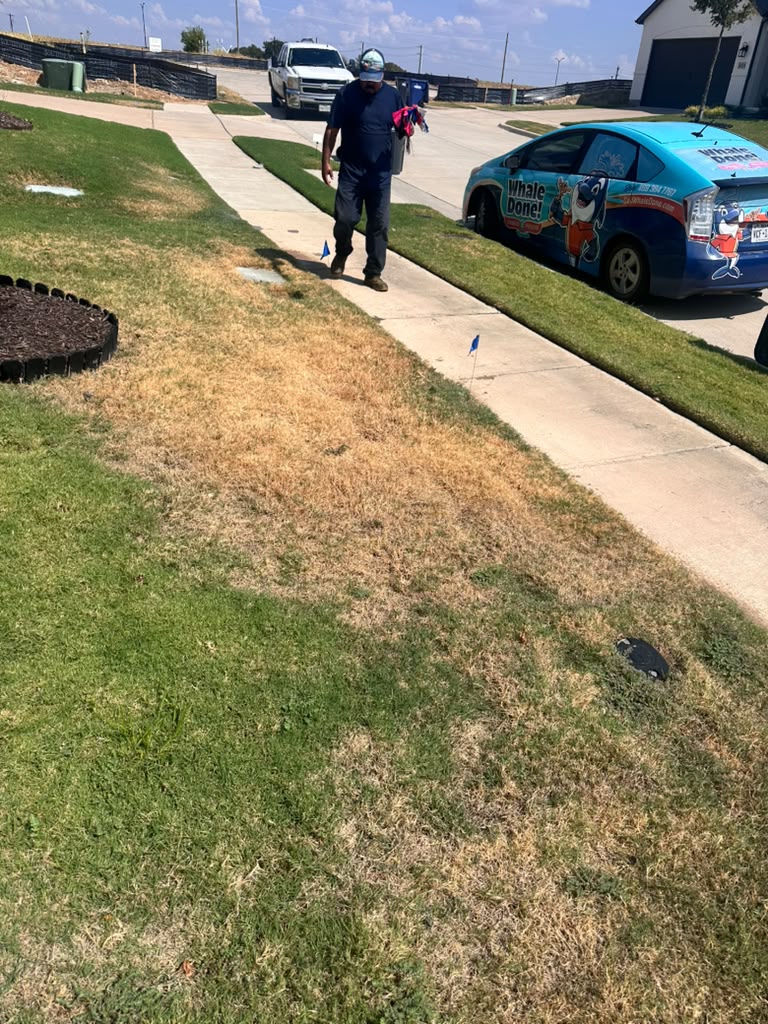
Yes, system size can affect sprinkler winterization cost in Melissa TX, but it is rarely the only factor. A system with more zones usually takes more time to service than one with a few. The condition of the system matters just as much, including leaks, damaged heads, and valves that don’t work reliably.
A licensed sprinkler company inspects the system first, documents what it finds, and then explains the scope of work. Because every property is different, an inspection is the most reliable way to get an accurate price.
At a Glance
| Difficulty | Understanding what affects cost: easy. Winterizing the system: best left to a licensed professional |
| Estimated Time | 10 minutes to gather your system details and notes |
| Tools Needed | Your controller, a phone for photos, notes on any problems you’ve seen |
| Works For | Understanding why quotes differ and what to ask before booking |
| May Not Solve | Repair costs, which are separate from winterization and depend on what is found |
How System Size Affects Winterization Cost
System size usually means the number of zones. Each zone is a separate group of heads or drip lines, and each one needs attention.
More zones generally mean more time on site. A larger property may also have longer pipe runs, more valve boxes, and more areas to check.
Size alone doesn’t set the price, though. Two homes with the same number of zones can need very different amounts of work.
What Else Affects Sprinkler Winterization Cost in Melissa TX?
Several factors besides size can change the scope of a service. Understanding them helps you compare quotes fairly.
- Number of zones: More zones mean more time.
- Zone types: Spray heads, rotors, and drip lines are handled differently.
- Backflow preventer setup: Above-ground devices may need extra protection.
- Drain points: Systems with and without drains may need different approaches.
- Access: Locked gates, dogs, and hidden valve boxes can add time.
- System condition: Leaks, damaged heads, and faulty valves can change the plan.
Many licensed companies explain which of these apply to your property when they give an estimate.
Why Documenting Problems Comes Before Winterization
Before a system is winterized, a technician looks for problems. This step shapes both the preparation and the cost.
Documenting issues first gives the homeowner a clear picture. It also prevents surprises, since a problem found in January is harder to deal with than one found in November.
Good documentation usually covers three areas:
- Leaks
- Damaged heads
- Unreliable valves
Step 1: Document Leaks
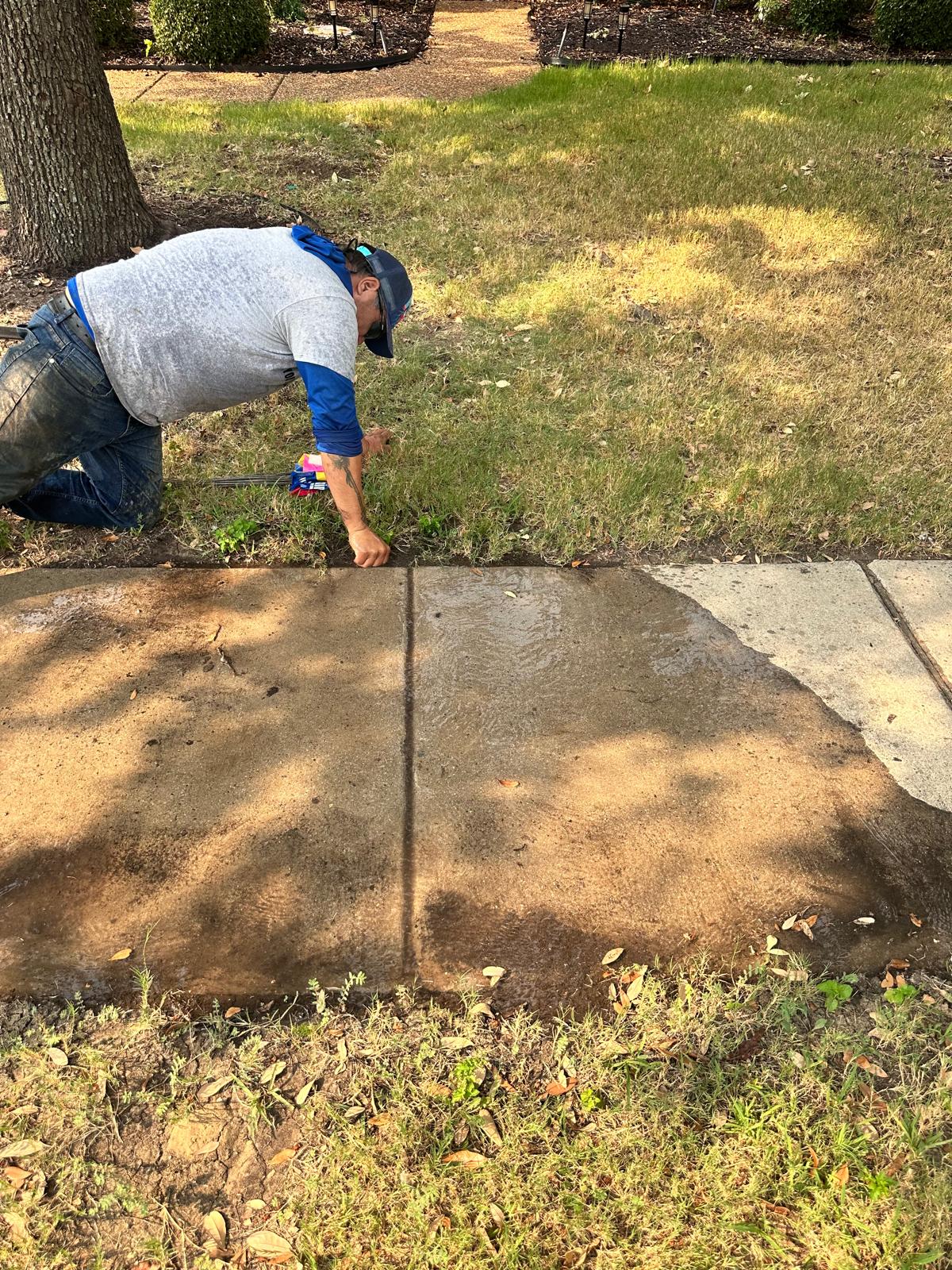
A leak can show up as a wet spot, low pressure, or a higher water bill. Leaks matter because water that escapes now can become a bigger problem in a freeze.
A technician typically notes:
- Where the leak appears to be
- Whether it happens when a zone runs or all the time
- Whether it involves a pipe, fitting, head, or valve
- Photos or notes on the surrounding soil
Homeowners can help by sharing anything they’ve noticed, even small details like a soggy patch by the fence.
Step 2: Document Damaged Heads
Heads are the most visible part of the system, and they get damaged easily. Mowers, foot traffic, and settling soil can all break them.
Common signs include:
- Heads that are cracked or sunken
- Spray that is uneven or blocked
- Heads that don’t pop up or won’t retract
- Nozzles that are missing or clogged
Noting these early helps separate cosmetic wear from problems that need repair before winter.
Step 3: Document Unreliable Valves
Valves control when water reaches each zone. When a valve is worn or stuck, the zone may not turn on, or it may not shut off.
A technician looks for:
- Zones that fail to start
- Zones that keep running or leak after shutoff
- Cracked valve boxes or standing water inside them
- Valves that respond slowly or inconsistently
An unreliable valve is worth recording even if the system seems to be working, because it may fail when water is turned back on in spring.
When Repairs Are Needed
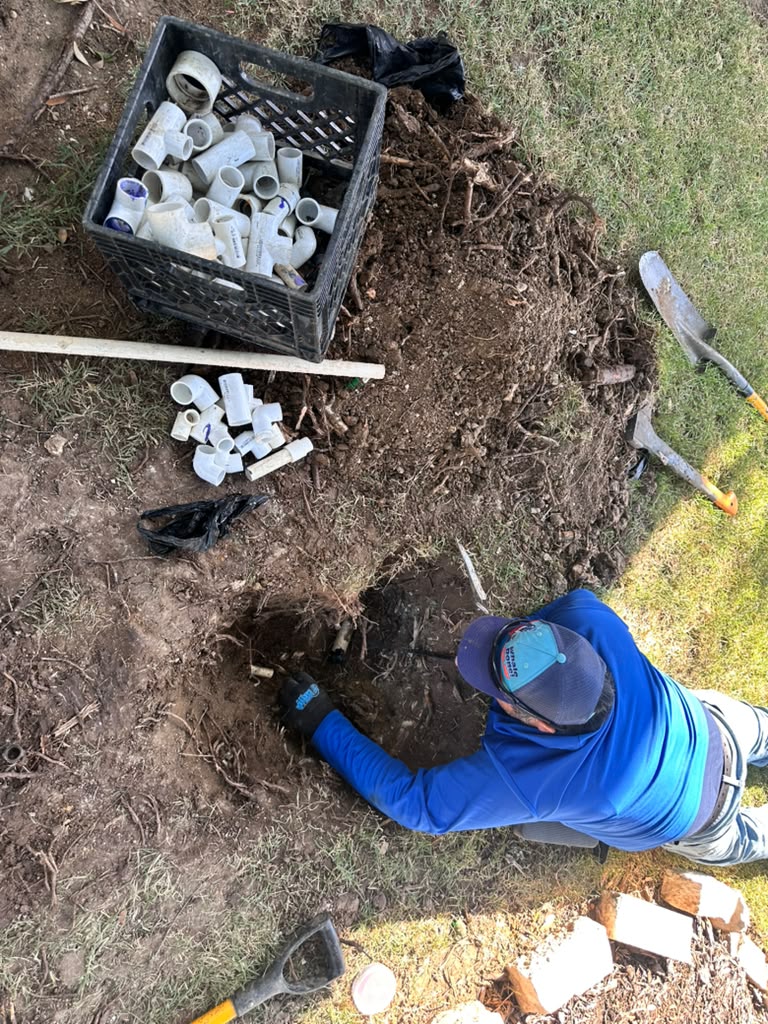
Not every sprinkler problem needs an immediate fix before winterization. A licensed technician can evaluate the system and group issues by urgency, helping homeowners decide what should be addressed now and what can safely wait until spring. This approach helps avoid unnecessary repairs while still protecting important components before freezing temperatures arrive.
Repairs are usually recommended before winterization when there is an active leak wasting water, a valve that is stuck open or will not close, or a cracked or worn backflow preventer component. Broken pipes and fittings may also need attention because trapped water can freeze, expand, and cause additional damage during cold weather.
Other issues, such as a single damaged sprinkler head, may be able to wait until spring without creating significant risk. Some homeowners may also choose to handle simple repairs themselves, which can be reasonable when the problem is straightforward and they are comfortable doing the work safely.
How Unresolved Defects Are Recorded
Sometimes a homeowner chooses to wait on a repair. In that case, the problem should still be written down.
A clear record usually includes:
- A description of the issue and its location
- Photos taken during the visit
- The date it was found
- Whether the technician recommended repair now or later
- Any risk noted, such as possible freeze damage
This record helps in several ways. It protects both sides, makes spring startup faster, and shows whether a problem has changed over time.
Common Mistakes Homeowners Make
Most cost surprises come from missing information. Here are the mistakes that come up often.
- Comparing quotes without comparing scope: Two prices may cover different services.
- Assuming size is the only factor: Condition and configuration matter too.
- Hiding past problems: Sharing them leads to a more accurate plan.
- Ignoring small leaks: They tend to get worse in cold weather.
- Skipping the written record: Without notes, it is hard to track deferred repairs.
- Waiting for a freeze warning: Schedules fill quickly when cold weather is forecast.
Local Considerations for Melissa and North Texas
North Texas winters can swing from mild to freezing within a day. Local conditions also affect how a system holds up.
- Clay soil: It swells and shrinks, which can stress pipes, fittings, and valve boxes.
- Heat: A long, hot summer can leave parts worn before winter starts.
- Wind: Cold wind can chill exposed backflow devices faster than the air temperature suggests.
- Seasonal watering: Lawns need far less water in winter, so turning the system off is often reasonable.
- Water restrictions: Check with the city or your water provider for current rules.
- Foundation movement: Shifting soil near the house can strain nearby lines.
The Texas A&M AgriLife Extension offers helpful guidance on landscape and lawn care in Texas.
Related Problems to Watch For
Sometimes what looks like a winterization concern is a different issue. If you notice any of these, the cause may be something else.
- Low water pressure: May point to a partly closed valve or a leak.
- A zone that won’t shut off: Often a valve problem.
- Wet spots in the yard: Could be a broken pipe or head.
- High water bills: A hidden leak may be the cause.
The EPA WaterSense program shares tips on finding leaks and using water efficiently. If you suspect a leak, read our guide on finding an underground sprinkler leak. For zones that won’t behave, see our article on sprinkler valve problems.
Frequently Asked Questions
Does a bigger system always cost more to winterize?
Usually, but not always. More zones take more time, yet condition, access, and configuration also affect the scope. An inspection gives the most accurate answer.
Why do quotes for winterization differ?
Services can include different steps, such as inspection, backflow protection, or water removal. Asking what each quote covers makes comparison easier.
Are repairs included in winterization?
Not necessarily. Winterization is usually separate from repairs. A licensed company can explain what is included before any work begins.
What if I decide to wait on a repair?
That is your choice. Ask for the issue to be documented with a description and photos so it can be addressed at spring startup.
When should I schedule winterization in Melissa?
Ideally before the first hard freeze, often between November and December. Scheduling early avoids the rush when cold weather is in the forecast.
Next Step and Bottom Line
Sprinkler winterization cost in Melissa TX depends on system size, but also on its configuration, accessibility, and the condition of components such as leaks, heads, valves, and backflow equipment. A larger or more complex system may require additional time to inspect and prepare properly. Documenting existing problems before service helps keep the plan clear and reduces unexpected costs.
If you’re unsure what your system needs before winter, a licensed sprinkler company can inspect the system and explain which repairs or services may be necessary. Whale Done is happy to answer questions and help homeowners understand their options. Our goal is to educate first, so you can make an informed decision about your irrigation system.