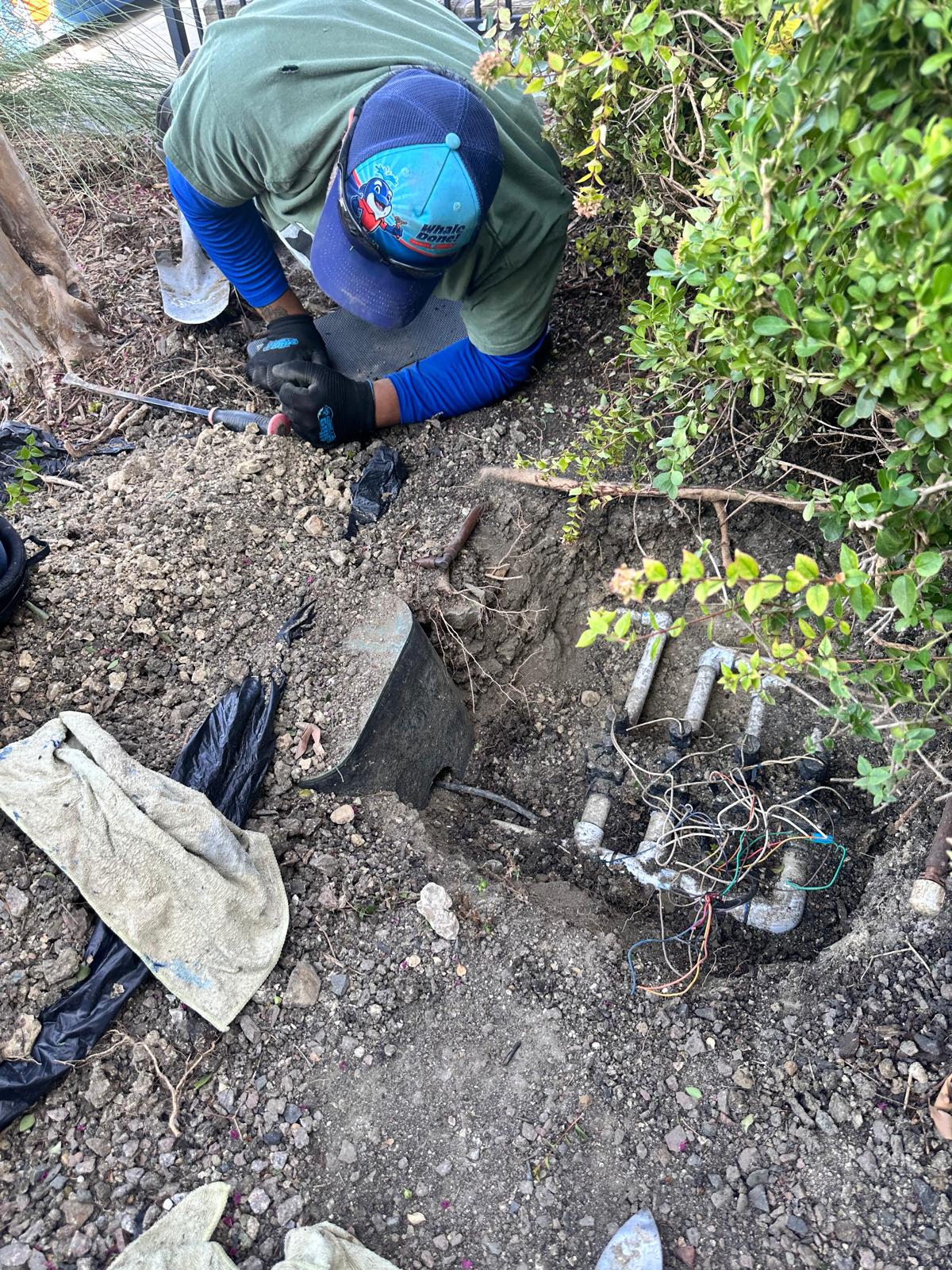
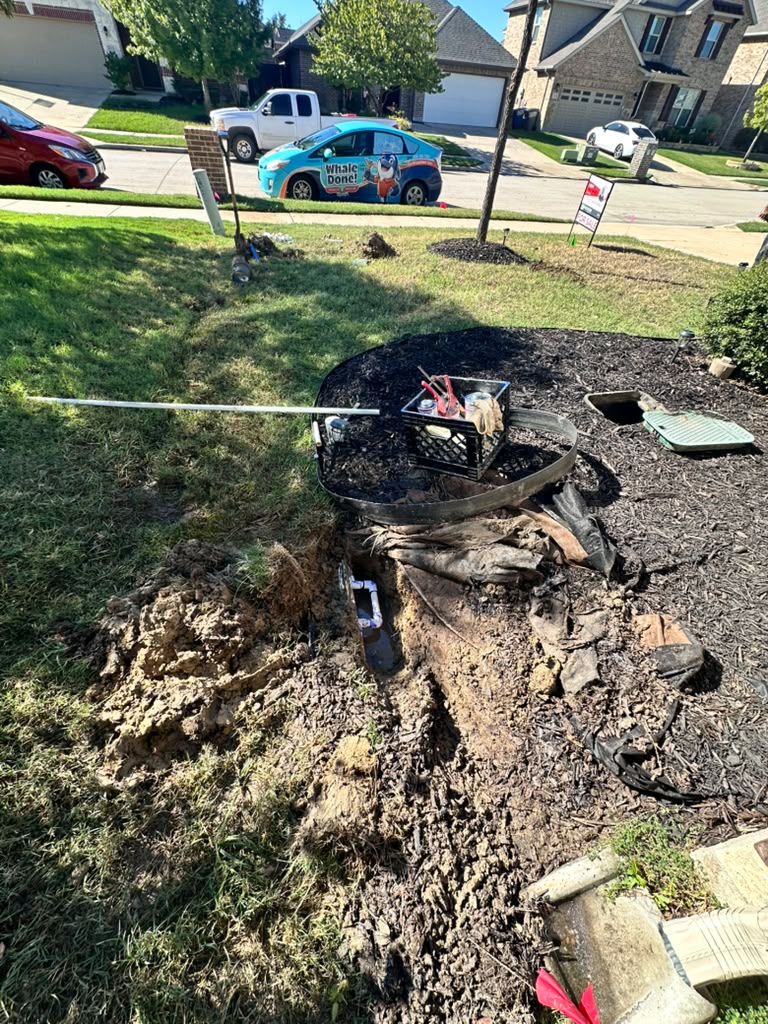
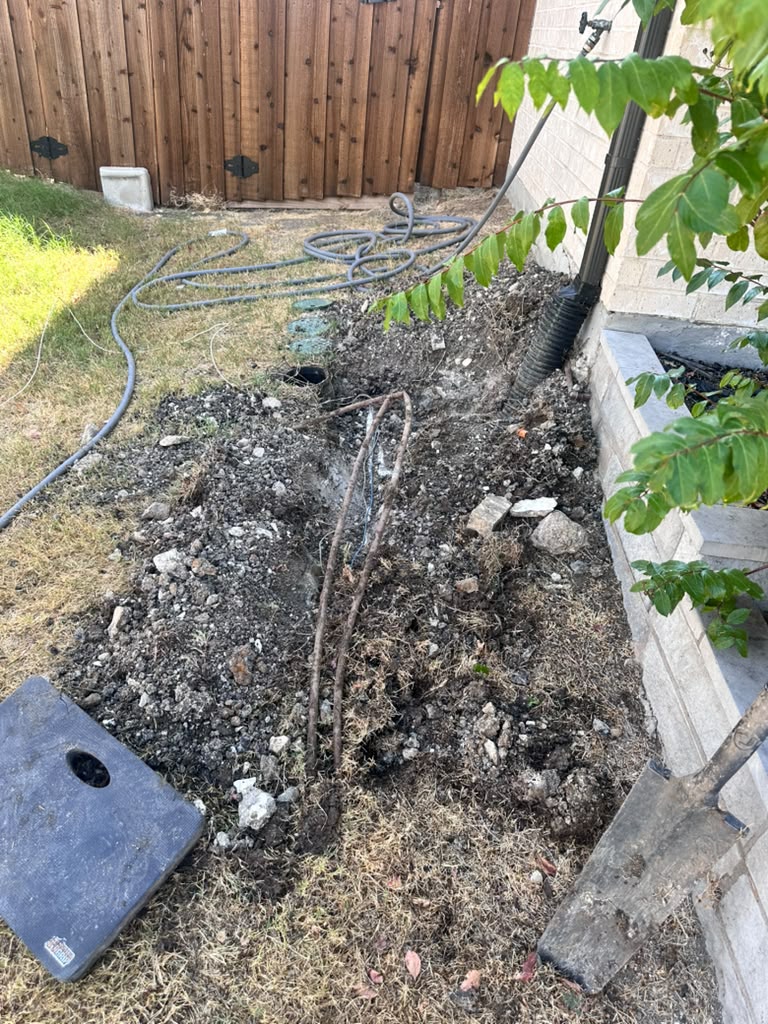
Sprinkler freeze protection in Oak Point TX should be rechecked after any repair that happens near the backflow preventer, valves, or exposed pipe. Repair work can move insulation covers, leave them wet, or damage them. It can also block the vents and drain openings that the equipment needs to work properly.
A quick visual check right after the repair is usually enough. If anything looks displaced, soaked, torn, or blocked, a licensed sprinkler company can inspect it.
At a Glance
- Difficulty: Easy for a visual check
- Estimated time: 10-20 minutes
- Tools needed: Flashlight, phone camera, notes app
- Works for: Confirming covers are in place, dry, and not blocking openings
- May not solve: Hidden cracks, internal damage, or incorrect valve settings
Why Repairs Can Disturb Freeze Protection
Freeze protection is usually simple. It often means an insulated cover over the backflow preventer and wrapped or covered exposed pipe. Anything that disturbs that setup can reduce how well it works.
Repairs can affect protection in several ways:
- Covers get moved: A technician or homeowner may lift the cover to reach a part.
- Covers get wet: Digging, testing, or leaks can soak insulation.
- Covers get damaged: Tools and handling can tear foam or pouches.
- Openings get blocked: A cover put back in a hurry can end up over vents or drains.
- Parts change: A new fitting or valve may not be wrapped like the old one.
None of this is unusual. It’s just a good reason to look again.
Why Wet Protection Matters
Insulation works best when it’s dry. A wet cover can hold moisture against the device and may freeze in cold weather. That can reduce the protection you thought you had.
Wet insulation can come from:
- Rain or irrigation overspray
- A leak near the device
- Testing the system during the repair
- Condensation trapped under a cover
If a cover is soaked, it’s worth checking where the water came from. Replacing or drying the cover may be needed, and a licensed company can advise.
Required Openings Need to Stay Clear
Backflow preventers have vents and drain openings that let the device operate as designed. Covering or plugging them can interfere with how it works. A cover should protect the assembly without blocking those openings.
Keep these points in mind:
- Look for manufacturer guidance: Different assemblies are built differently.
- Don’t plug vents or drains: Wraps, tape, and tight covers can block them.
- Avoid plastic bags: They can trap moisture and may cover openings.
- Check after repairs: A cover put back quickly may sit differently than before.
If you aren’t sure where the openings are on your device, a licensed company can point them out.
When Sprinkler Freeze Protection in Oak Point TX Should Be Rechecked
Timing matters. Here are the situations where a recheck makes the most sense.
Right After a Repair
Look at the cover, pipe wrap, and surrounding area before the technician leaves, or as soon as you can. Fix small problems while the work is fresh.
After Any Work Near the Backflow Preventer
Landscaping, fence work, and digging can disturb protection even if the sprinkler system wasn’t touched. Check again afterward.
After Rain or Irrigation Overspray
Wet weather can soak covers. A quick look after a rainy stretch helps catch saturated insulation.
Before a Forecast Freeze
A short walkthrough before a cold snap confirms everything is still in place. This is a good habit throughout winter.
After a Hard Freeze
Look for signs of leaks, ice, cracked fittings, or displaced covers. If anything looks wrong, note it and ask a licensed company to inspect.
Before Spring Startup
A final check helps you decide whether anything needs attention before the system is turned back on.
How to Recheck Freeze Protection
A visual check is enough for most homeowners. These steps take about 10 to 20 minutes.
Step 1: Look at the Cover
Check that it’s in place, dry, and not torn. Note any gaps or loose areas.
Step 2: Check for Moisture
Feel the cover from the outside. If it’s soaked or heavy, note it. Look for water on the ground nearby.
Step 3: Look at Vents and Drain Openings
Make sure nothing is covering or plugging them. If you can’t see them, don’t force the cover off. Ask a licensed company to check.
Step 4: Inspect Exposed Pipe
Look for wrap that has slipped, cracked pipe, or loose fittings. Take photos of anything unusual.
Step 5: Look at the Surrounding Area
Check for soggy soil, sunken ground, or new damage from yard work. Winter is usually dry, so unexpected moisture is worth noting.
Step 6: Review the Repair Notes
If a company did the repair, look at the notes. See whether they mention protection, open items, or things to watch.
Step 7: Write Down What You Found
Record the date and what you saw. Short notes help you compare later.
What We Don’t Recommend
Some details depend on the equipment and the situation. For that reason, we don’t give one-size-fits-all valve instructions here.
- Universal valve positions: Backflow assemblies vary, and what is right for one may not be right for another.
- Adjusting parts you don’t recognize: Moving the wrong valve can affect how the device works.
- Blocking openings to “seal” the device: Vents and drains need to stay clear.
- Running the system to test it in cold weather: Water in the lines raises risk.
If you’re unsure, a licensed sprinkler company can check the setup and explain what applies to your system. Texas also regulates backflow assemblies, so testing and repairs are best left to licensed professionals.
What to Do If Something Looks Wrong
Finding a problem doesn’t always mean damage. Take it step by step.
- Cover moved: Put it back without blocking vents or drains, then look for moisture.
- Cover wet: Note it and ask a licensed company whether it should be replaced.
- Cover torn: It may not insulate well. Ask about replacement options.
- Openings blocked: Uncover them carefully and note what was covering them.
- Visible cracks or leaks: Leave the device alone and call a licensed company.
When Repairs Are Needed
Some findings deserve prompt attention. Others can wait.
Usually worth addressing soon:
- A cracked or leaking backflow preventer
- Water near the foundation, slab, or retaining wall
- Visible ice or damage on exposed parts
- Leaks that continue with the supply off
Often fine to wait until spring:
- A slightly loose cover that can be reset
- Minor wear on pipe wrap
- A broken head on a zone that is shut off
If you aren’t sure, ask a licensed company to take a look.
How Unresolved Issues Are Recorded
If a problem can’t be fixed right away, write it down. A clear note keeps it from being lost before spring.
A useful note includes:
- What was found: A short description
- Where: Location or zone
- What was done: For example, the cover was reset
- What is still open: The repair that hasn’t happened yet
- What to check at startup: The first thing to test in spring
Many licensed companies include open items in their service notes. It’s reasonable to ask for those in writing.
Common Mistakes Homeowners Make
- Assuming repairs don’t affect protection. Work nearby can move or soak covers.
- Covering vents and drains. The device needs those openings to work.
- Using plastic bags. They can trap moisture.
- Skipping a recheck after rain. Wet insulation may not protect well.
- Adjusting valves without guidance. Settings vary by assembly.
- Expecting protection to prevent all damage. It lowers risk but doesn’t remove it. See our article on sprinkler winterization in Oak Point TX.
North Texas Considerations
Local conditions affect how often a recheck makes sense.
- Brief hard freezes: One night below freezing can crack exposed parts.
- Warm spells between freezes: Mild days can lead people to run the system.
- Clay soil: Oak Point’s clay swells and shrinks, which can shift pipe and fittings.
- Foundation movement: Soil near the house moves more, so nearby lines deserve a closer look.
- Wind and rain: Cold wind speeds up freezing, and rain can soak covers.
- Water restrictions: Check current watering rules with the City of Oak Point and your water provider.
Texas regulates irrigation work, and the TCEQ irrigation program explains licensing and backflow requirements. For general advice on outdoor water use, the EPA’s WaterSense outdoor resources are a useful reference.
Related Problems to Watch For
If your recheck turns up something unusual, the cause could be:
- A failing valve: See our guide on sprinkler valve repair.
- An underground leak: Read about sprinkler leak detection.
- A damaged backflow preventer: Cracks or leaks should be checked by a licensed professional.
- A controller problem: A schedule that restarts after a reset may need reprogramming.
- Plumbing leaks inside the home: A moving water meter doesn’t always mean a sprinkler issue.
Frequently Asked Questions
When should I recheck freeze protection after a sprinkler repair?
Check right after the repair, after rain, before a forecast freeze, and after a hard freeze. A final check before spring startup is also useful.
Can a wet insulation cover cause problems?
It can. Wet insulation may not protect as well and can hold moisture against the device. Note where the water came from and ask a licensed company whether the cover should be replaced.
Is it okay to cover the vents and drains on my backflow preventer?
No. Those openings need to stay clear so the device can work as designed. Check the manufacturer’s guidance or ask a licensed company where they are.
What position should my backflow valves be in during winter?
It depends on the assembly and how it was set up, so we don’t give one universal answer. A licensed sprinkler company can check your device and explain what applies.
Should I run my sprinklers to test them after a winter repair?
It’s best not to during cold weather. Water in the lines can freeze and cause damage. Wait for spring unless a licensed company advises otherwise.
Conclusion
Sprinkler freeze protection in Oak Point TX should be rechecked after any repair, since work near the backflow preventer can move, wet, or damage the cover. Look for displaced or soggy insulation, and make sure vents and drain openings stay clear. Don’t change valve positions unless you know how your assembly is meant to be set. A licensed sprinkler company can inspect the protection and explain your options. Our goal is to help you decide when a recheck makes sense.