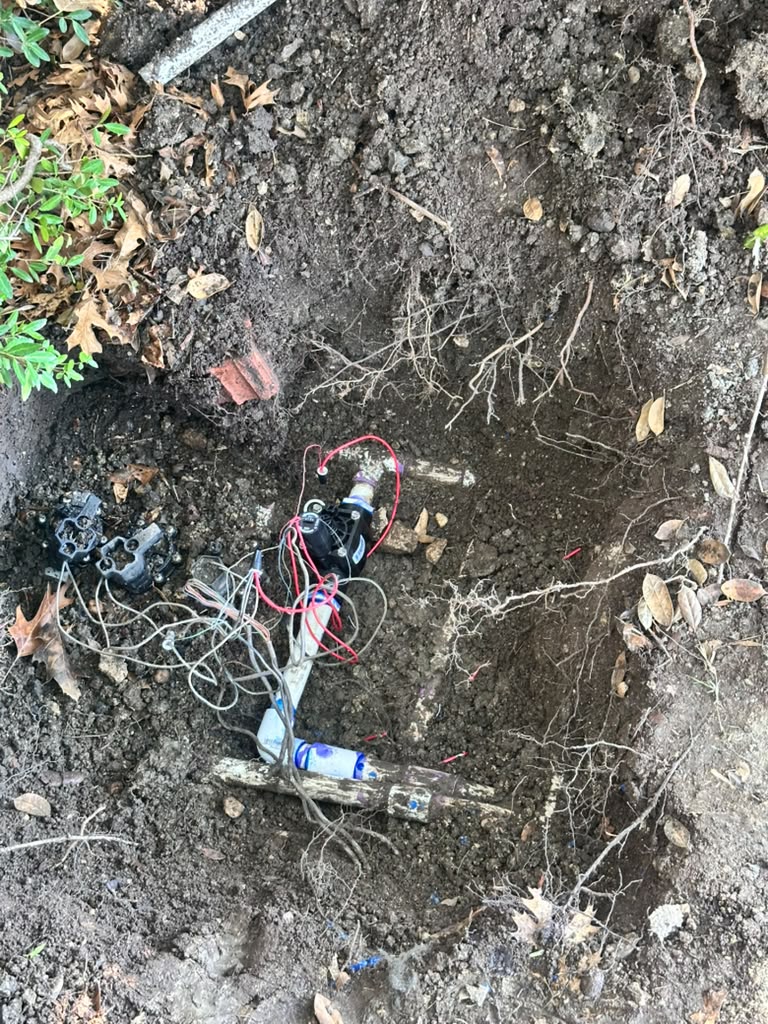
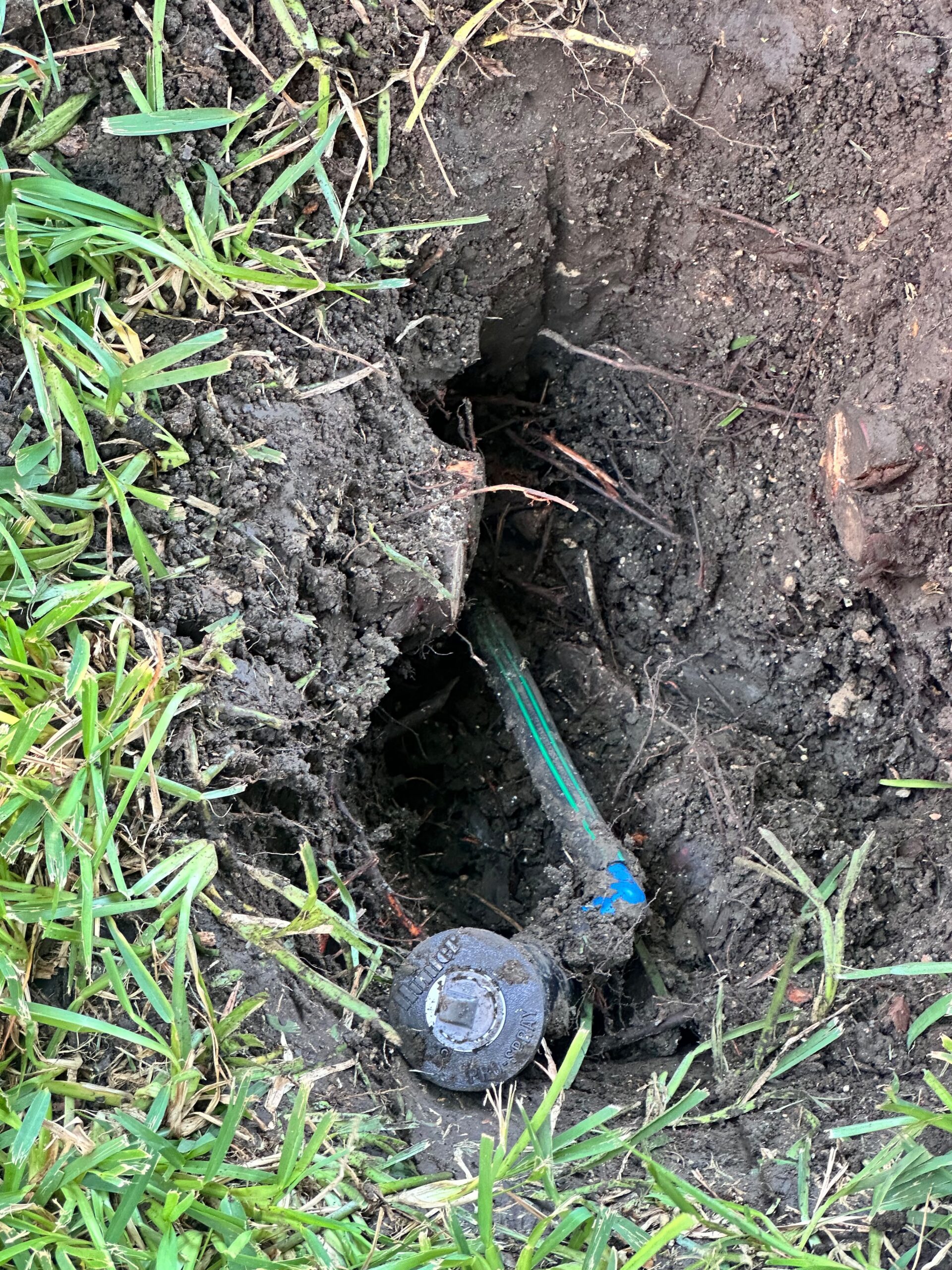
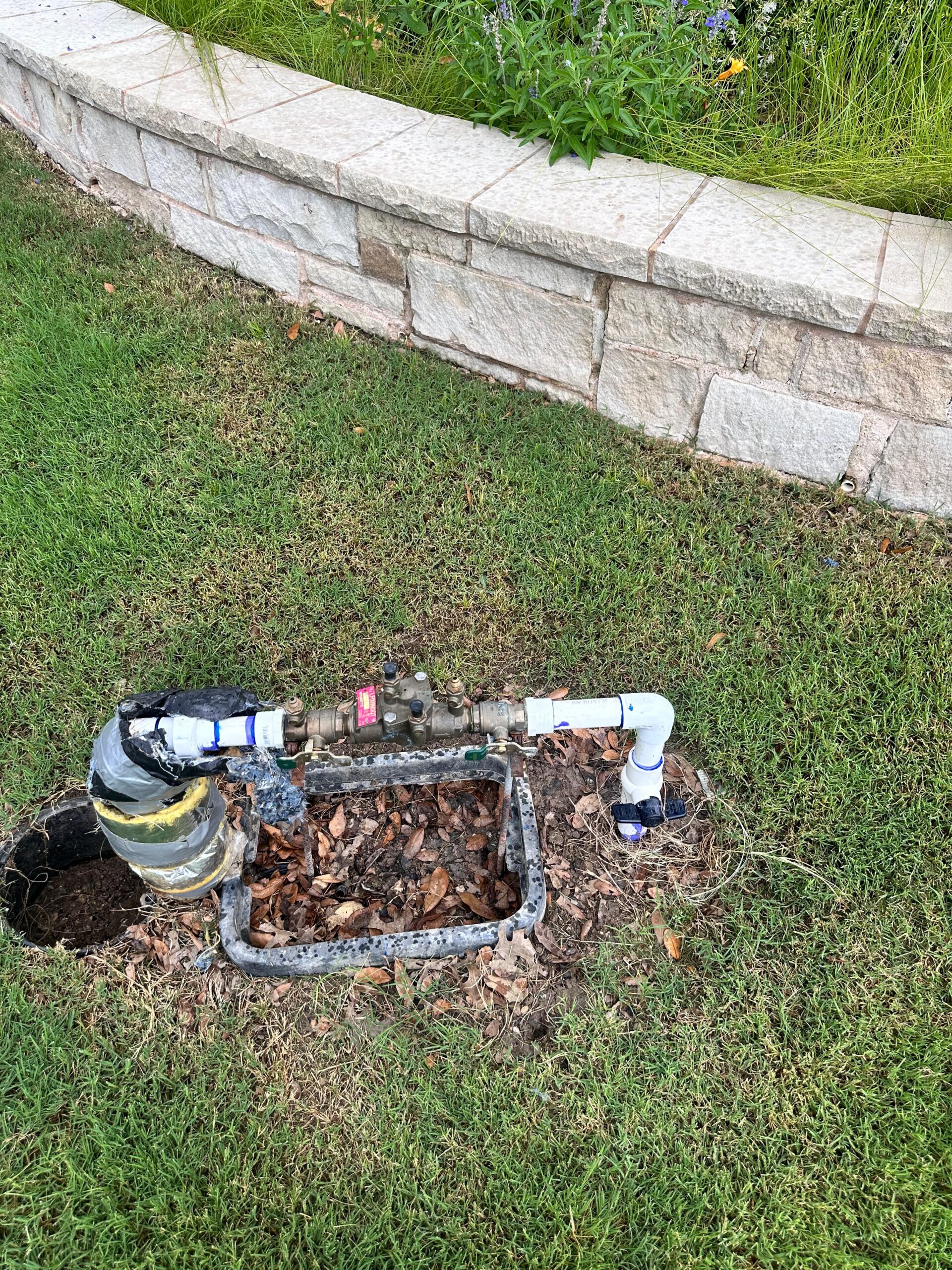
A sprinkler valve in Plano TX can wear out when its internal diaphragm becomes damaged, its solenoid stops operating correctly, or its seals and other components deteriorate. These problems can cause continuous water flow, weak sprinkler pressure, leaking, or a zone that will not turn on or off properly.
Some valves can be repaired by replacing the diaphragm or solenoid rather than replacing the entire assembly. However, a cracked valve body or a valve with extensive internal wear may need replacement. The right decision depends on the valve’s physical condition, the availability of compatible parts, and whether the repair will restore reliable operation—not simply how old the valve is.
At a Glance
| Consideration | Details |
| Common components that wear out | Diaphragm, solenoid, seals, and internal parts |
| Common symptoms | Continuous water flow, weak pressure, leaking, and zones failing to operate |
| Possible repairs | Diaphragm or solenoid replacement |
| When replacement may be needed | Cracked valve body or extensive internal damage |
| What determines the decision | Condition, compatibility, and repair effectiveness |
| Professional assessment | Helpful when the source of the problem is unclear |
What Happens Inside a Sprinkler Valve?
A sprinkler valve controls when water enters a specific irrigation zone. It receives an electrical signal from the sprinkler controller, opens to allow water through, and closes when the scheduled watering cycle ends.
Inside the valve, several components work together to regulate water flow. When one of these parts becomes damaged or worn, the valve may no longer open, close, or seal correctly.
The main internal components include:
- Diaphragm: A flexible rubber component that moves to control water flow through the valve.
- Solenoid: An electrical component that receives signals from the controller and helps operate the valve.
- Spring: Helps the diaphragm return to its closed position when the valve stops receiving an operating signal.
- Seals and O-rings: Help prevent water from escaping around connections and internal components.
- Valve body: The main housing that contains the internal components and directs water through the valve.
Each component has a different function, so identifying which one has failed is important before deciding whether to repair or replace the valve.
1. A Worn or Damaged Diaphragm
The diaphragm is a flexible rubber component that controls water flow by responding to pressure changes inside the sprinkler valve. Over time, repeated use, debris, and deterioration can damage its seal. Common signs include continuously running zones, slow leaks, inconsistent water flow, difficulty shutting off, and delayed valve closure.
Can it be repaired?
In some valve models, replacing the diaphragm can restore proper operation if the surrounding valve body and seating surfaces remain in good condition. However, a damaged diaphragm is not always the only problem, so the other internal components should also be inspected.
2. A Faulty or Worn Solenoid
The solenoid is the electrical component that activates the sprinkler valve when it receives a low-voltage signal from the controller. A damaged or obstructed solenoid may prevent a zone from operating correctly. Common signs include unresponsive zones, inconsistent operation, or failure during automatic watering. Checking the solenoid, wiring, and controller output helps identify the actual problem.
Can it be repaired?
A faulty solenoid can sometimes be replaced independently when the valve model supports that repair and the remaining assembly is in suitable condition. The replacement must be compatible with the valve.
3. Deteriorated Seals and O-Rings
Seals and O-rings prevent water from escaping around sprinkler valve components. Over time, these rubber parts can become brittle, flattened, or damaged, causing leaks near the solenoid, valve cover, or connections. A damaged O-ring may be replaceable, but technicians should first rule out cracked housings, loose fittings, or damaged pipes.
4. Debris and Mineral Buildup Inside the Valve
Dirt, sand, and small stones can enter the irrigation system and interfere with valve operation. Debris trapped between the diaphragm and seating surface may prevent proper sealing, causing continuous water flow, inconsistent pressure, or irregular operation. Mineral buildup can also affect internal components.
Does debris mean the valve needs replacement?
Not necessarily. If the valve body and internal components remain undamaged, cleaning may resolve the problem.
However, debris should not be the only thing checked. A damaged diaphragm, obstructed solenoid, or worn seating surface may continue causing problems after cleaning.
5. A Weak or Damaged Internal Spring
A sprinkler valve spring helps return the diaphragm to its closed position. If weakened, damaged, or corroded, it may cause slow closing or continuous water flow. Compatible replacement parts may resolve the issue, but a technician should inspect related components before recommending repairs.
6. Cracks or Damage to the Valve Body
The valve body is the main housing that holds the internal components together. Unlike a diaphragm or solenoid, damage to this structure can affect the entire assembly.
Cracks may develop because of freezing temperatures, physical impact, excessive pressure, or deterioration of the material.
Signs of a damaged valve body include:
- Water leaking directly from the valve housing.
- Visible cracks around the body or threaded connections.
- Persistent water accumulation inside the valve box.
- Water escaping even after internal components have been serviced.
Can a cracked valve body be repaired?
A cracked valve body generally needs replacement rather than a diaphragm or solenoid repair. Replacing individual internal components will not correct structural damage to the housing.
The replacement should match the irrigation system’s pipe connections, flow requirements, and operating specifications.
How Do You Know When a Sprinkler Valve Is Wearing Out?
A failing valve does not always show visible damage. In many cases, homeowners first notice changes in how their sprinkler system operates.
Here are common symptoms worth paying attention to:
| What You Notice | Possible Cause |
| Sprinklers continue running | Damaged diaphragm or debris |
| One zone will not activate | Faulty solenoid, wiring, or controller |
| Water leaks around the valve | Damaged seals, fittings, or valve body |
| A zone has inconsistent pressure | Valve restriction, leak, or water supply issue |
| Sprinklers drip when turned off | Debris or a damaged diaphragm |
| Valve closes slowly | Internal wear or a mechanical issue |
These symptoms are starting points for troubleshooting, not automatic proof that the valve needs replacement.
For additional guidance, the Irritrol valve troubleshooting guide explains common valve symptoms and their possible causes.
When Should You Repair or Replace a Sprinkler Valve in Plano TX?
Choosing between repairing and replacing a valve requires looking at the condition of the entire assembly.
Age alone does not determine whether a valve needs replacement. A relatively old valve may still have a serviceable body, while a newer valve may have a cracked housing or significant internal damage.
Here are some factors to consider.
When Repair May Be an Option
A component-level repair may be suitable when the valve body has no visible cracks, the diaphragm or solenoid is damaged, or seals and O-rings are worn but replaceable. Removing debris may also restore operation. However, replacement parts must be compatible with the existing valve model to ensure reliable performance.
When Complete Valve Replacement Makes More Sense
Complete valve replacement may be necessary when the body is cracked, internal components are extensively damaged, or compatible parts are unavailable. At Whale Done, we replace confirmed failed valves rather than install new solenoids into unreliable assemblies. Our goal is to assess the condition and recommend practical, necessary repairs.
Why Plano Homeowners Should Pay Attention to Valve Problems
Plano homeowners experience seasonal changes that can affect irrigation equipment and overall sprinkler performance.
Summer heat, occasional freezing temperatures, shifting soil, and changing watering requirements all make regular system observation important.
Here are three local considerations.
1. North Texas Soil Movement
Much of North Texas has clay-heavy soil that expands when wet and contracts as it dries.
Although soil movement does not automatically damage a sprinkler valve, changing ground conditions can affect underground pipes, fittings, and valve connections.
If you notice water collecting around a valve box, the problem could involve a leaking connection or underground pipe rather than the internal valve mechanism.
2. Summer Heat and Watering Demand
Plano’s hot summers often require more attention to irrigation schedules.
A valve that operates frequently must repeatedly open and close to control water flow. Existing weaknesses in diaphragms, seals, and other components may become more noticeable when the system is used regularly.
Homeowners should avoid assuming that every summer watering problem is caused by a failed valve. Controller programming, pressure, and sprinkler head performance should also be considered.
3. Winter Freeze Exposure
Freezing temperatures can damage exposed irrigation components and water-filled valve assemblies.
Cracks may develop when trapped water freezes and expands, particularly in components that are not adequately protected.
Before winter arrives, inspect exposed irrigation equipment and address visible damage. The EPA’s sprinkler maintenance recommendations also encourage homeowners to check irrigation equipment for leaks and damage.
What Can Homeowners Check Before Calling for Repairs?
You do not need to open the valve or remove internal components to identify useful warning signs.
Start with these observations:
- Check the controller. Make sure the affected zone is not programmed to run or operate under a manual watering setting.
- Observe the affected zone. Determine whether the sprinklers fail to turn on, continue running, or operate with inconsistent pressure.
- Inspect the valve box. Look for visible water accumulation, damaged connections, or obvious cracks without disturbing the valve.
- Compare other zones. Check whether the problem affects one zone or several areas of the irrigation system.
- Monitor the symptoms. Note whether the problem occurs during scheduled watering or continues after the system is switched off.
Avoid opening a pressurized valve or attempting electrical repairs without the proper knowledge. Internal valve inspection should begin only after the water supply and electrical controls have been safely isolated.
These observations can help a licensed irrigation professional narrow down the problem without unnecessary digging or part replacement.
Common Mistakes When Diagnosing Sprinkler Valve Problems
Misidentifying a valve problem can lead to unnecessary repairs and continued water waste.
Avoid these common mistakes:
- Replacing the solenoid immediately: A zone that will not activate could have a wiring or controller problem instead.
- Assuming every leak comes from the diaphragm: Cracked fittings, damaged pipes, and loose connections can create similar symptoms.
- Ignoring debris: A valve may fail to close because dirt is preventing the diaphragm from sealing.
- Replacing the entire valve based on age: Physical condition and compatibility matter more than age alone.
- Ignoring water pressure: Low pressure can result from an underground leak, supply restriction, or another irrigation problem.
- Overlooking low-head drainage: Water draining from the lowest sprinkler head after a cycle may be mistaken for a leaking valve.
Taking time to identify the actual cause helps prevent repairs that do not solve the original problem.
Related Problems That Can Look Like Valve Failure
A malfunctioning valve is only one possible explanation for irrigation problems.
Other components can create similar symptoms, which is why the entire affected zone should be evaluated.
Consider these related resources:
- Sprinkler Valve Repair – Understand common valve problems and how they are diagnosed.
- Sprinkler Repair Services – Learn about different irrigation problems that may require repair.
- Sprinkler System Inspections – Understand how a complete system inspection can identify leaks, pressure issues, and malfunctioning components.
Looking at the entire irrigation system helps determine whether the valve is actually responsible for the problem.
Frequently Asked Questions
1. What is the most common part to wear out inside a sprinkler valve?
The diaphragm is one of the main components that can wear out. It may develop tears, punctures, or sealing problems that prevent the valve from controlling water flow correctly.
2. Can I replace just the solenoid on my sprinkler valve?
Some valve models allow independent solenoid replacement. However, the valve body and remaining components must be in suitable condition, and the replacement must be compatible with the existing assembly.
3. Why does my sprinkler valve keep running after the controller turns off?
A damaged diaphragm, trapped debris, or a solenoid problem may prevent the valve from closing completely. A manually opened valve or low-head drainage can also create similar symptoms.
4. Does an old sprinkler valve automatically need replacement?
No. Age alone does not determine whether a valve needs replacement. Its physical condition, internal wear, compatibility with replacement parts, and ability to operate reliably should guide the decision.
5. How do I know if my sprinkler valve body is cracked?
Look for visible cracks, persistent water leaking directly from the housing, or moisture around the valve body. A professional inspection can confirm whether the housing is damaged and whether complete replacement is necessary.
Conclusion
A malfunctioning sprinkler valve in Plano TX does not always need complete replacement. The right solution depends on the diaphragm, solenoid, seals, and valve body’s condition. At Whale Done, we help homeowners understand the problem before recommending repairs. Schedule your Whale Done Assessment™ for a clear evaluation of your irrigation system. Call (469) 384-7767 or email clientsupport@callwhaledone.com to discuss your sprinkler concerns and make an informed decision.