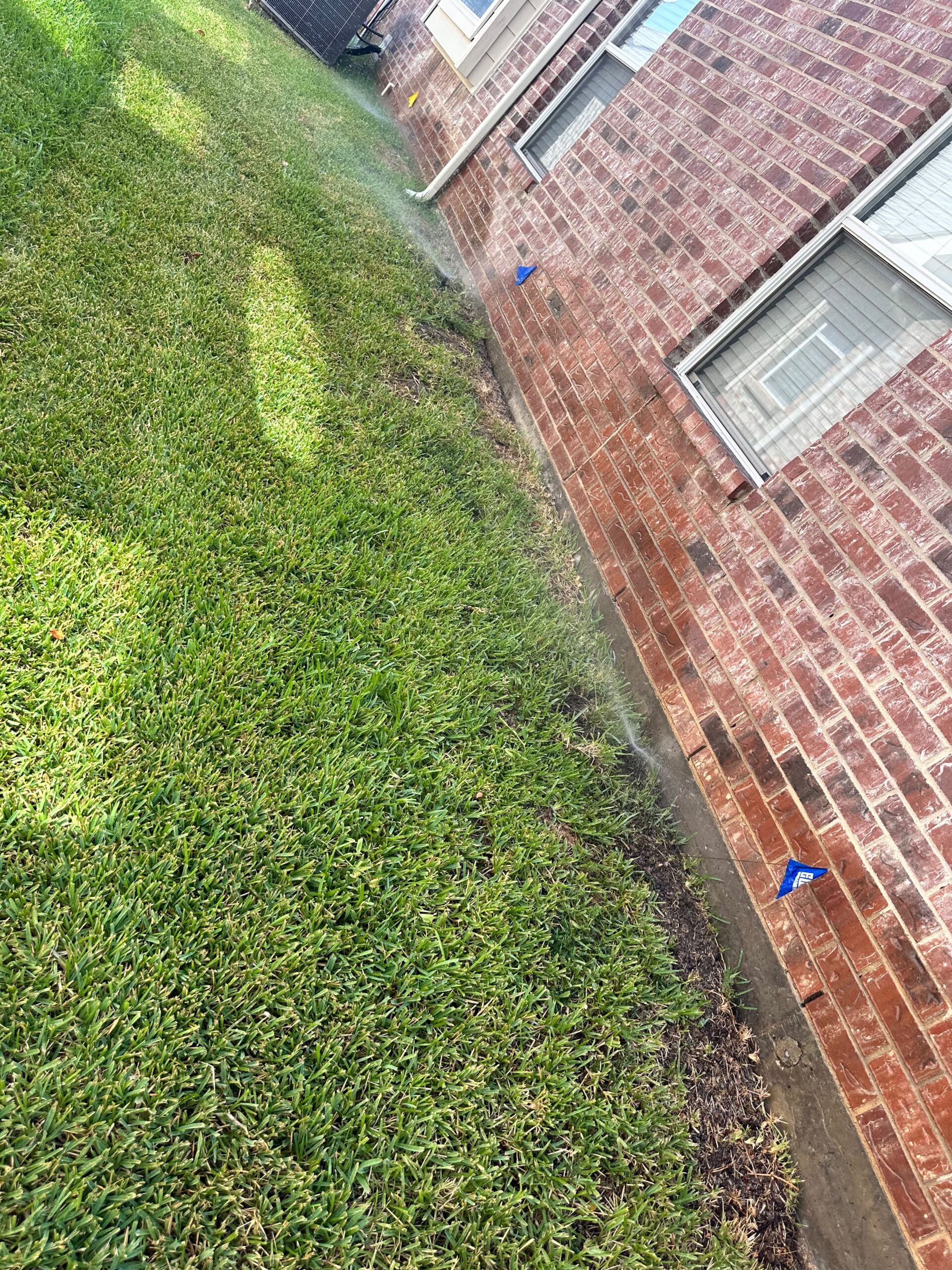
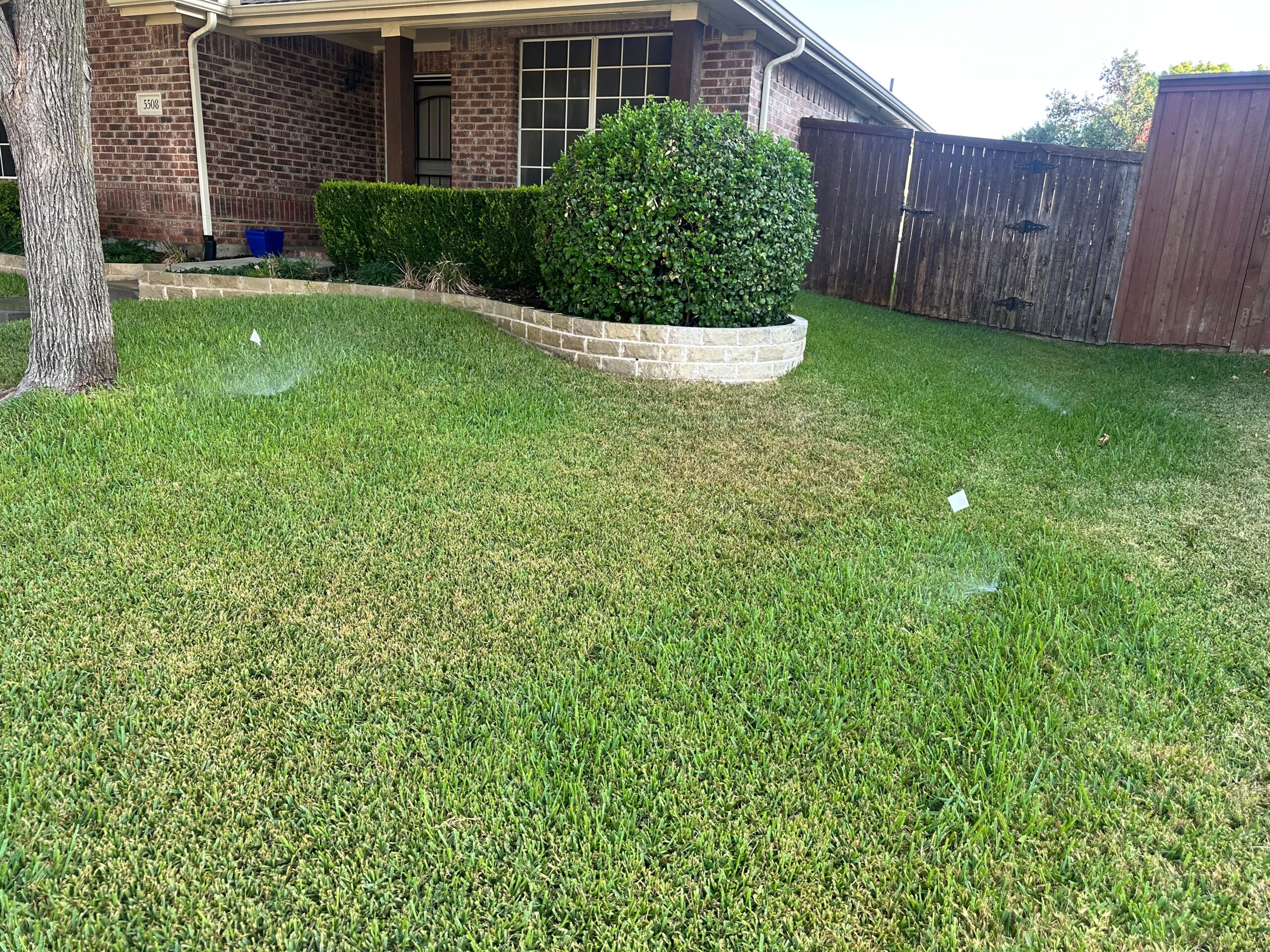
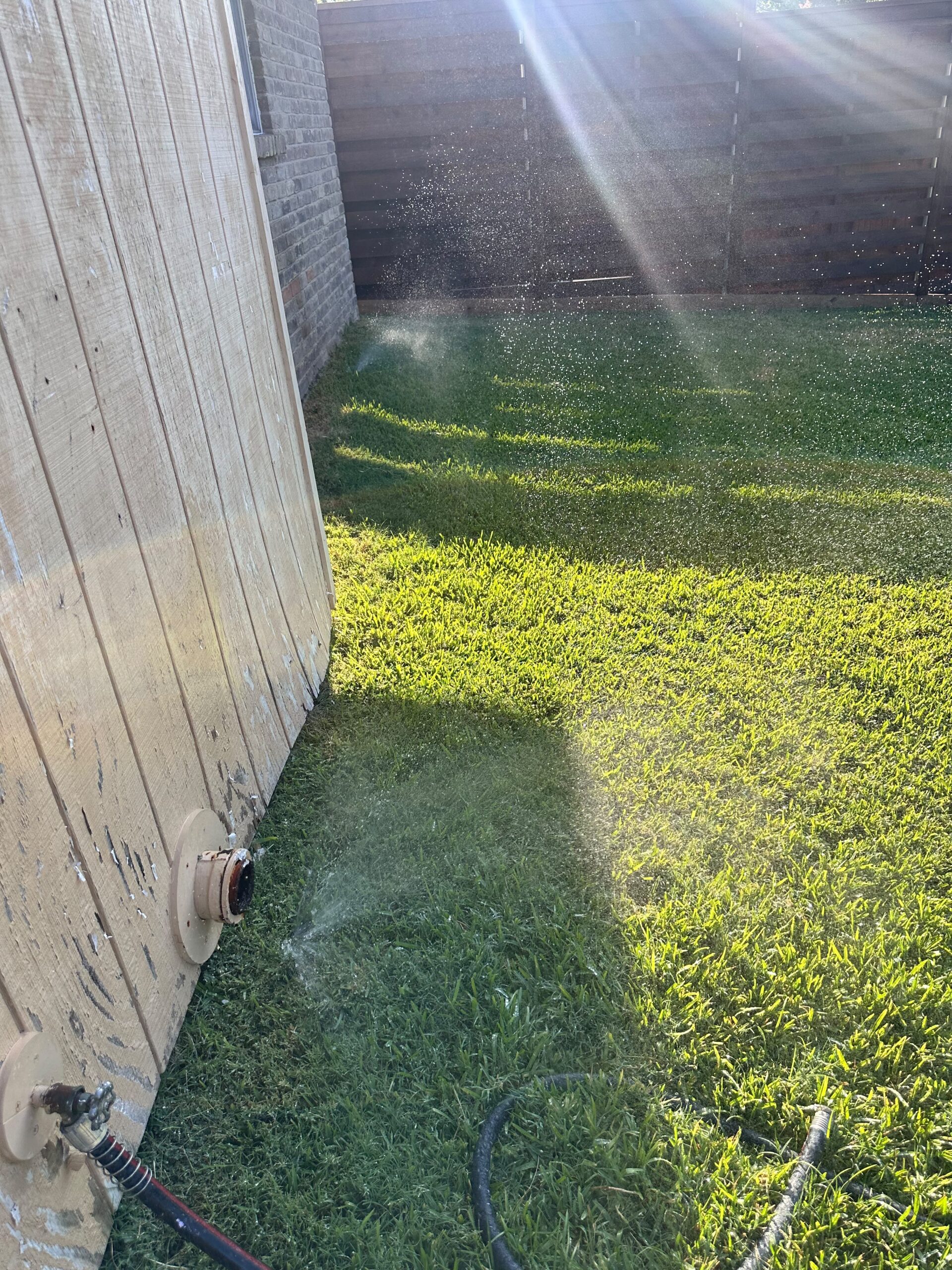
Yes. A sprinkler leak in Fairview TX can raise your water bill significantly, even if the leak is small and never produces visible puddles. Irrigation systems run on a schedule, often multiple times a week, so even a slow leak adds up fast over dozens of cycles. A leak that wastes just one gallon per minute can quietly add over 40,000 gallons to your usage in a single month if it runs during every cycle. If your water bill has jumped without an obvious explanation, a leak somewhere in the irrigation system is one of the first things worth checking.
At a Glance
- Difficulty: Easy to check, moderate to fix
- Estimated Time: 15–30 minutes to inspect
- Tools Needed: None to inspect; pipe cutter, fittings, and glue if repairing PVC
- Works For: Broken heads, cracked lateral lines, loose valve connections
- May Not Solve: Leaks below ground, backflow preventer leaks, or main line breaks near the meter
Why a Small Sprinkler Leak in Fairview TX Can Cause a Big Bill
Irrigation systems are designed to move a lot of water quickly, which is exactly why small leaks become expensive. A single zone can push out several gallons per minute. If a fitting cracks, a head snaps off, or a lateral line develops a pinhole leak underground, that water loss happens every single time the zone runs.
Unlike a dripping faucet indoors, which you notice and hear, an irrigation leak is often buried under sod, mulch, or landscaping. It can run for weeks before anyone notices soggy grass, a sunken area, or unusually green patch in the lawn. By the time it’s visible, it’s often already shown up on two or three water bills.
There’s also a timing factor that makes irrigation leaks especially costly. Most systems in Fairview run early in the morning, often between 4 a.m. and 7 a.m., which means the leak is doing its damage while nobody is home to notice it. A homeowner might walk past the yard mid-morning, long after the water has already soaked in or evaporated, and see nothing unusual at all.
Signs Worth Watching For
Before testing anything, it helps to know what a leak typically looks like above ground.
- A section of lawn that stays wet long after the system last ran
- Bubbling or hissing sounds near a valve box or sprinkler head
- Water pressure that seems to drop mid-cycle
- Mushrooms or unusually thick grass growth in one specific spot
- A musty smell near flower beds or foundation lines
None of these guarantee a leak on their own. But two or more together, especially alongside a higher bill, are worth investigating further.
How to Check for a Sprinkler Leak
1. Compare Your Water Bill to Past Months
Look at your usage in gallons, not just the dollar amount. A jump of several thousand gallons month over month, without a change in watering habits, is a strong signal.
2. Do a Meter Test
Turn off all water inside and outside the home, including irrigation. Check the leak indicator (small triangle or dial) on your water meter. If it’s still moving, water is flowing somewhere.
3. Run Each Zone and Watch
Walk the yard while each zone runs. Look for:
- Pooling water where there shouldn’t be any
- A head that sprays weakly or not at all
- Sunken or unusually soft ground
- A patch of grass that’s greener than the rest
4. Check the Valve Box
Open each valve box and look for standing water, even hours after the system last ran. Valves are a common source of slow leaks.
5. Listen for the System When It’s Off
With the controller off and no zones running, stand near the valve manifold and backflow preventer for a minute. A faint hissing or trickling sound often means water is passing through a valve that isn’t sealing completely.
6. Track Usage for a Few Days
If nothing is obvious right away, jot down the meter reading each morning for three or four days without changing your routine. A steady, unexplained climb points to a leak rather than normal seasonal use.
Common Mistakes Homeowners Make
- Assuming a higher bill is just seasonal. Summer usage does increase, but a leak causes a jump that doesn’t match your actual watering schedule.
- Only checking for leaks above ground. Many leaks happen on lateral lines several inches underground and never surface.
- Turning the system off and forgetting about it. This stops the water loss but doesn’t fix the underlying problem, and the leak is often still there when the system is turned back on.
- Not checking the backflow preventer. A slow leak here can waste water 24/7, not just during watering cycles.
- Ignoring a small pressure drop. A weaker-than-usual spray on one head is often dismissed as normal wear, but it can mean water is escaping somewhere upstream in the line.
- Waiting for the next bill to confirm it. By the time a second high bill arrives, the leak has often been running for six to eight weeks.
Local Considerations for Fairview, TX
North Texas conditions make irrigation leaks more likely and more expensive over time.
- Clay soil shifts significantly between wet and dry periods, which stresses PVC pipe joints and fittings underground.
- Extreme summer heat causes pipe material to expand and contract, which can loosen fittings over several seasons.
- Foundation movement, common in this region, can put pressure on lines running near the home.
- Water restrictions in Collin County mean unnecessary waste from a leak is both costly and, in some cases, against local ordinance limits on watering days and times.
- Freeze events in winter can crack exposed backflow devices or shallow pipes, which then leaks once the system is used again in spring.
- Frequent watering schedules during peak summer months mean a leaking zone runs far more often, which multiplies the water loss compared to cooler months when systems run less.
Because of these factors, many licensed sprinkler companies in the area recommend a system check each spring, before summer watering schedules ramp up, to catch small leaks before they become expensive ones.
Related Problems That Cause Similar Symptoms
A high water bill doesn’t always mean a sprinkler leak in Fairview TX. A few other issues can produce the same result:
- Low water pressure from a partially closed valve, which can make a leak harder to notice because the spray already looks weak
- A stuck or malfunctioning controller that runs zones longer than programmed, or runs them more than once
- Valve issues, where a valve doesn’t fully close and water continues to trickle through a zone
- Underground leaks in the main supply line, separate from the irrigation system entirely
If your bill is high but you can’t find a leak in the yard, it’s worth ruling out the controller settings and valve function before assuming the leak is underground. A quick way to separate these causes is to check your controller’s run log, if it has one, against how long you expect each zone to actually run. A zone that’s logged as running for twice its normal duration points to a controller or valve issue rather than a physical leak in the line.
Frequently Asked Questions
- How much can a small sprinkler leak actually add to my bill?
It depends on the flow rate and how often the zone runs, but even a minor leak of one gallon per minute can add tens of thousands of gallons over a billing cycle if it runs on a normal watering schedule.
- Can I have a leak even if I never see water pooling? Yes.
Underground leaks in clay soil, common in Fairview, are often absorbed before they ever reach the surface.
- Will turning off my irrigation system stop the extra charges?
It stops the ongoing waste, but it doesn’t repair the leak. The system will use the same amount of water once it’s turned back on unless the issue is fixed.
- Is a sudden jump in my water bill always a sprinkler problem?
Not always. Indoor plumbing leaks, a running toilet, or a main line issue can also cause a spike. Checking the meter with everything off helps narrow down where the water is going.
- Do I need a professional to find the leak, or can I check it myself?
Many leaks can be spotted with a simple meter test and a walk-through while each zone runs. Underground leaks that aren’t visible often require a licensed sprinkler company with pressure-testing equipment to locate, especially when the leak sits several inches below clay soil that hides surface signs well.
Bottom Line
A small sprinkler leak in Fairview TX rarely stays small on your water bill. Because irrigation zones run repeatedly on a schedule, even a minor leak multiplies fast, often showing up as an unexplained spike in gallons used rather than a visible puddle in the yard. Checking your meter, watching each zone run, and inspecting valve boxes are the fastest ways to confirm whether a leak is the cause.
Next Step
If you’ve checked the meter and walked the yard but still can’t locate the source, a licensed sprinkler company can pressure-test the system and pinpoint underground leaks without unnecessary digging. This is especially useful when the leak is on a lateral line beneath sod or landscaping, where it isn’t visible from the surface.
Related Resources
- How to Adjust Sprinkler Heads in Melissa, TX
- Why Is One Zone of My Sprinkler System Not Working?
- Understanding Your Irrigation Controller Settings
Conclusion
A sprinkler leak in Fairview TX doesn’t need to be dramatic to cost you money. A slow, hidden leak running on a normal watering schedule can add thousands of gallons to your bill before it’s ever visible. Check your meter, walk your zones, and inspect valve boxes first. If the source still isn’t clear, a licensed sprinkler company can pinpoint it quickly with proper testing equipment.