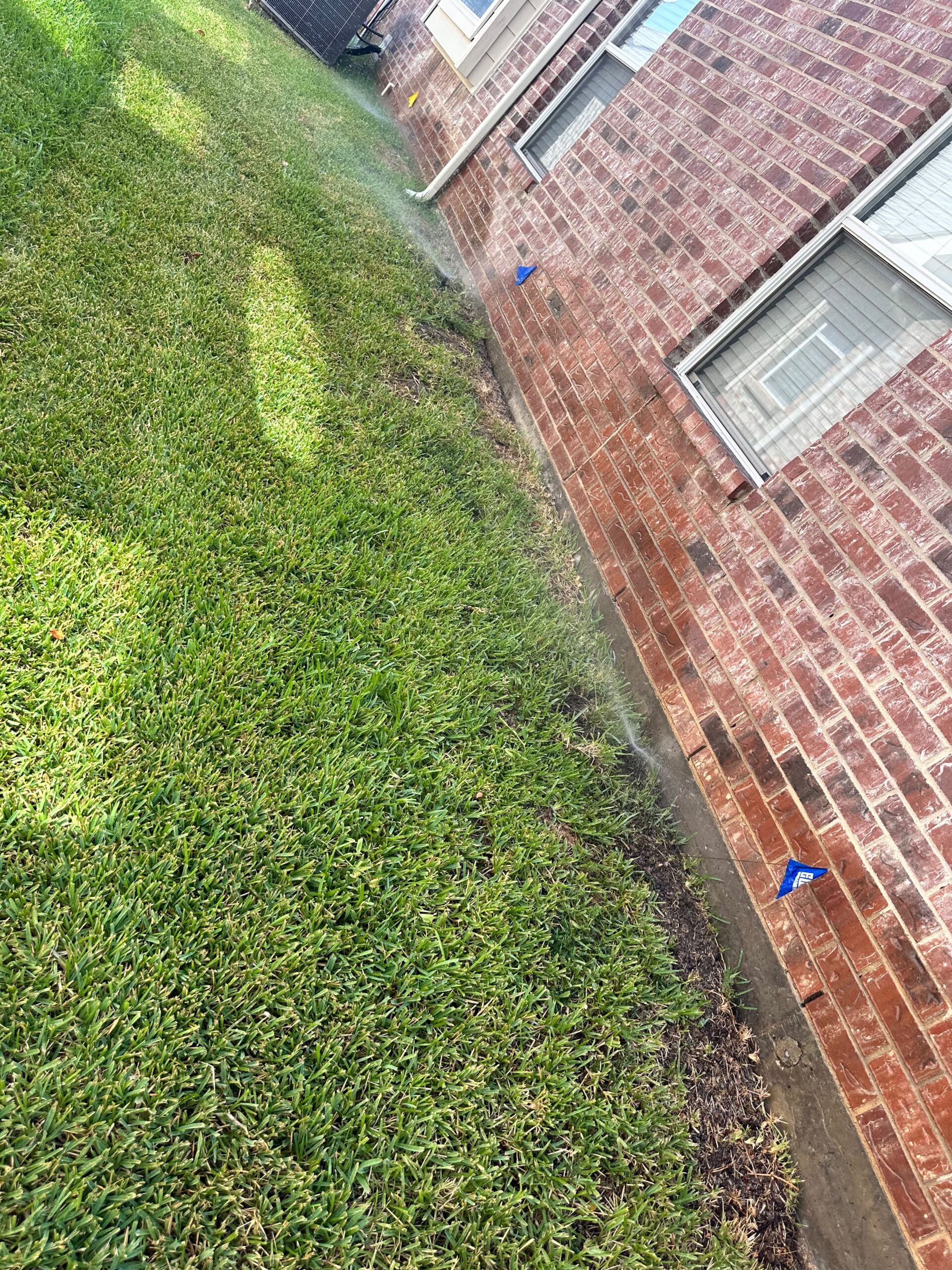
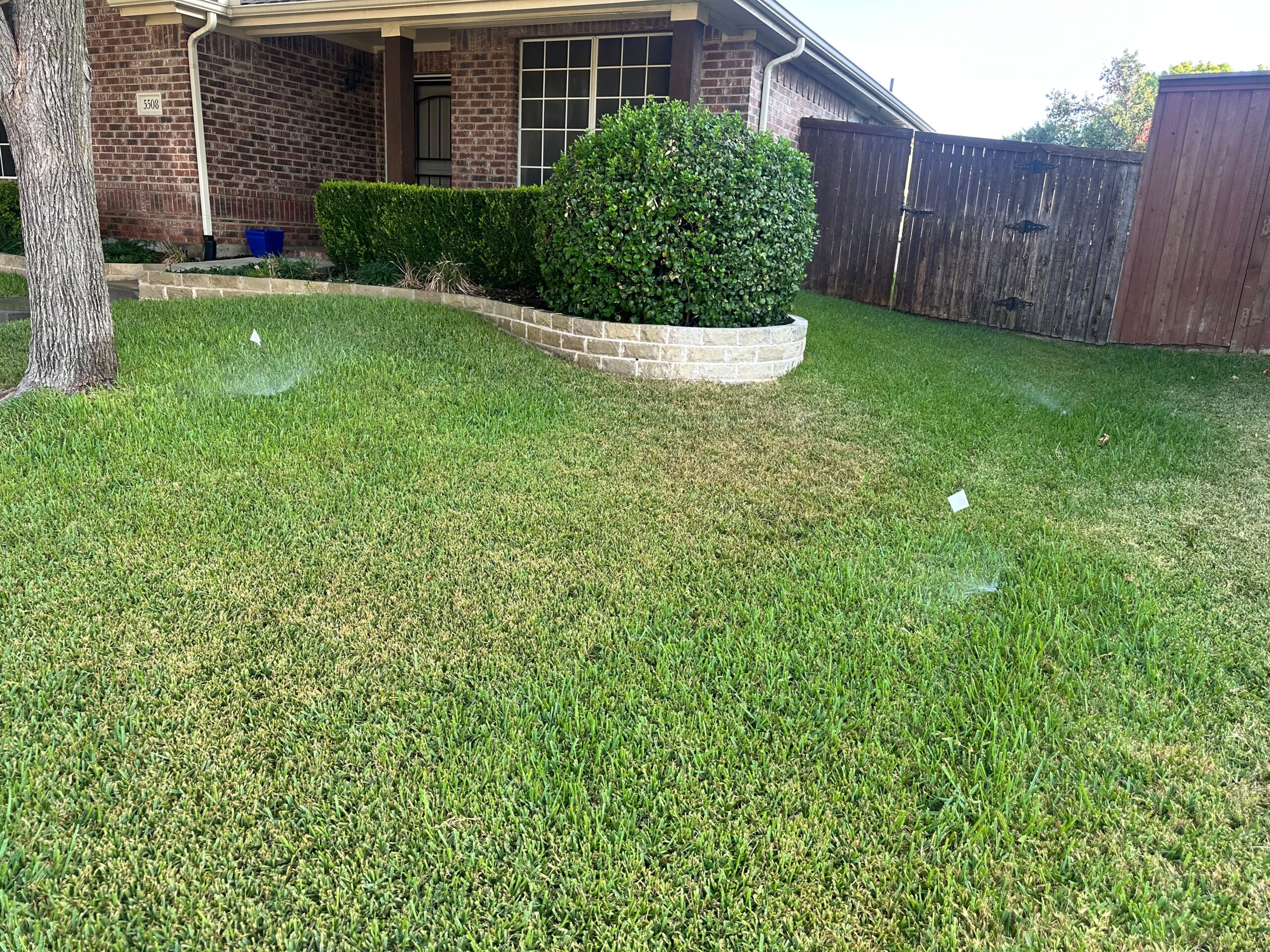
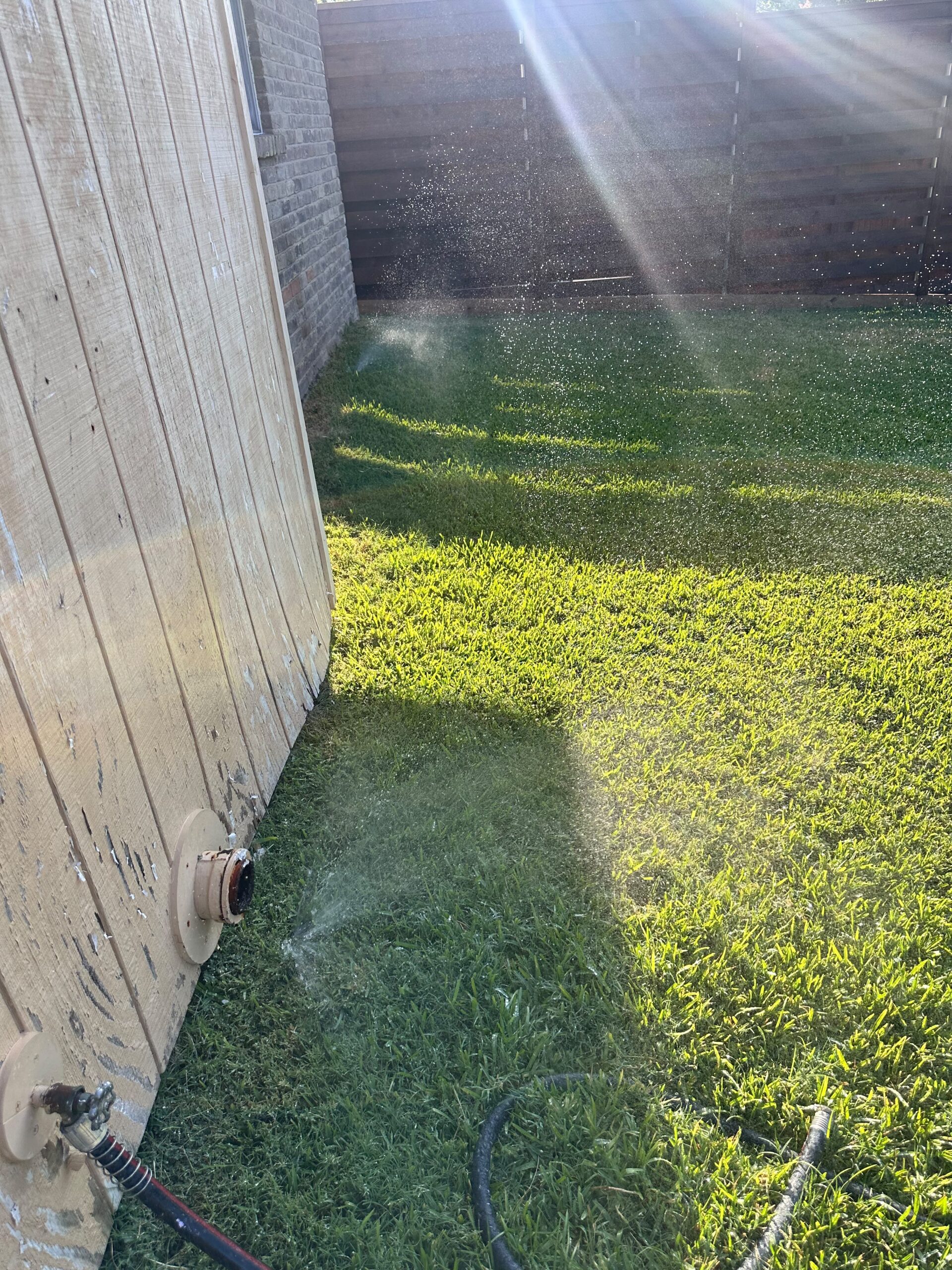
If you’re dealing with a sprinkler zone not working in Melissa TX, you’re likely wondering why one section of your irrigation system has stopped watering while every other zone continues to operate normally. This type of problem is more common than many homeowners realize and often points to a specific issue rather than a complete system failure. A malfunctioning zone can leave parts of your lawn dry, weaken plant health, and increase the risk of uneven landscaping. Understanding the possible causes can help you determine whether the issue is something simple or requires professional diagnosis.
Melissa, TX experiences long periods of warm weather, making irrigation systems an essential part of maintaining healthy lawns and landscapes. When one sprinkler zone fails, identifying the exact cause quickly helps prevent unnecessary water stress and avoids more expensive repairs later.
Understanding How Sprinkler Zones Work
Most residential irrigation systems divide the landscape into multiple watering zones. Each zone is controlled by an electric valve connected to the irrigation controller. When the controller activates a specific zone, it sends an electrical signal to open the valve, allowing water to flow through the underground pipes and out to the sprinkler heads assigned to that section.
Because every zone operates independently, a single malfunction usually affects only one area of the property. This makes troubleshooting much easier since the rest of the irrigation system continues functioning normally.
Several components must work together correctly for each zone to operate, including:
- Irrigation controller
- Electrical wiring
- Valve solenoid
- Control valve
- Underground pipes
- Sprinkler heads
- Water pressure
A failure in any one of these components may prevent that zone from operating.
Common Reasons Only One Sprinkler Zone Stops Working
Although the symptoms may appear similar, several different issues can cause one irrigation zone to fail.
Faulty Valve Solenoid
The valve solenoid acts like a small electrical switch. When energized, it opens the irrigation valve and allows water to flow.
If the solenoid burns out or becomes damaged:
- The valve never opens.
- No water reaches the sprinkler heads.
- Other zones continue working normally.
A technician can usually test the solenoid with a multimeter to determine whether it needs replacement.
Damaged Irrigation Valve
Even if the solenoid functions correctly, the valve itself may become clogged with debris or wear out over time.
Common valve issues include:
- Broken internal diaphragm
- Dirt preventing the valve from opening
- Cracked housing
- Mineral buildup
These problems restrict water flow or prevent the valve from opening entirely.
Broken Electrical Wiring
Underground irrigation wires connect each valve to the controller.
Over time, wiring may become damaged by:
- Landscaping projects
- Tree root growth
- Rodents
- Soil movement
- Construction work
A broken wire interrupts communication between the controller and the valve.
Controller Programming Errors
Sometimes the irrigation system itself is functioning perfectly.
Instead, the controller may have:
- Disabled the zone
- Incorrect start times
- Programming conflicts
- Seasonal adjustment settings
- Incorrect watering schedule
Reviewing the controller settings is often one of the first troubleshooting steps.
Clogged Sprinkler Heads
If every sprinkler head within one zone becomes blocked with dirt or debris, it may appear that the entire zone has stopped working.
Common causes include:
- Mud
- Sand
- Grass clippings
- Hard water deposits
Routine maintenance helps reduce these issues.
Underground Pipe Leak
A broken underground pipe can significantly reduce water pressure.
Signs include:
- Wet spots
- Standing water
- Soft soil
- Increased water bills
- Reduced sprinkler performance
Leaks may divert enough water that sprinkler heads no longer pop up properly.
Sprinkler Zone Not Working In Melissa TX: What Should You Check First?
When you notice a sprinkler zone not working in Melissa TX, avoid assuming the irrigation controller is the source of the problem. A careful, step-by-step inspection can often identify the issue much more quickly and help narrow down the possible causes. Begin by checking whether the controller is displaying any error messages and test if the affected zone can be activated manually.
Inspect all visible sprinkler heads for signs of damage, clogging, or misalignment, and examine the valve box for standing water, debris, or obvious wear. Pay attention to water pressure changes and look for damp soil or moisture around underground pipes that could indicate a hidden leak. Also, consider any recent landscaping or digging activity that may have disturbed irrigation components. These simple observations provide valuable information before scheduling professional service.
How Melissa’s Soil Conditions Can Affect Irrigation Zones
Melissa commonly experiences clay-rich soils that expand when wet and shrink during dry periods.
This constant soil movement places stress on irrigation systems by:
- Shifting underground pipes
- Loosening fittings
- Creating cracks
- Misaligning sprinkler heads
- Increasing pressure on valve boxes
During extended droughts followed by heavy rainfall, soil movement becomes even more noticeable.
Homeowners may see recurring irrigation problems in the same area if underground components have shifted over time.
Seasonal Changes Can Create Zone Problems
Seasonal weather also affects irrigation systems throughout North Texas.
Spring may introduce:
- Heavy rainfall
- Soil expansion
- Root growth
- Flooded valve boxes
Summer often causes:
- High system demand
- Heat-related wear
- Increased watering cycles
- Pressure fluctuations
Fall maintenance helps prepare systems for cooler temperatures, while winter freezes may damage exposed irrigation components if systems are not properly maintained.
Regular inspections before each irrigation season reduce unexpected breakdowns.
Water Pressure Problems May Affect One Zone
Water pressure problems do not always impact the entire irrigation system, and in many cases, only one sprinkler zone is affected. A single zone may experience low pressure, excessive pressure, or inconsistent operation due to several underlying issues. Common causes include a partially closed valve restricting water flow, blockages or pipe restrictions, hidden underground leaks that reduce available pressure, or a malfunctioning pressure regulator.
When water pressure is not properly balanced, sprinkler heads may fail to pop up completely, rotate correctly, or distribute water evenly across the landscape. This can result in dry patches, overwatered areas, and inefficient irrigation. Identifying and correcting the source of the pressure problem helps restore proper zone performance and promotes healthier, more consistent lawn irrigation throughout the property.
Tree Roots Can Damage Underground Irrigation
Mature trees develop extensive root systems beneath lawns that can gradually interfere with underground irrigation systems. As the roots expand, they may crush irrigation pipes, shift fittings out of alignment, damage control valves, or restrict water flow within a specific zone. Because this damage occurs slowly over time, homeowners often don’t notice a problem until one sprinkler zone begins performing poorly or stops working altogether.
Symptoms such as reduced water pressure, uneven watering, or dry patches may indicate root-related damage beneath the surface. Properties with mature shade trees benefit from routine irrigation inspections, as regular evaluations can detect hidden issues early, helping prevent costly repairs while ensuring the sprinkler system continues to operate efficiently and maintain a healthy landscape.
Why DIY Repairs Can Sometimes Make Problems Worse
Many irrigation components are buried underground.
Without proper diagnostic equipment, homeowners may unintentionally:
- Replace working parts
- Damage wiring
- Create additional leaks
- Misdiagnose valve issues
Professional irrigation technicians typically perform electrical testing, pressure testing, and valve inspections before recommending repairs.
Accurate diagnosis often saves both time and money.
Preventive Maintenance Helps Avoid Future Zone Failures
Routine maintenance is one of the most effective ways to keep your irrigation system operating efficiently and reduce the likelihood of unexpected zone failures. Regular inspections can uncover worn valves, aging solenoids, small underground leaks, controller programming issues, pressure irregularities, and broken or misaligned sprinkler heads before they develop into larger problems. Addressing these concerns early helps maintain even water distribution, supports healthier grass and landscaping, and prevents unnecessary water waste.
Preventive maintenance also reduces the risk of costly emergency repairs by allowing technicians to replace worn components before they fail completely. Scheduling periodic irrigation inspections throughout the year helps extend the lifespan of your sprinkler system while ensuring it continues to deliver reliable performance during every watering season, especially during periods of increased irrigation demand.
Signs It’s Time to Schedule Professional Service
Certain symptoms suggest professional evaluation is the safest option.
Watch for:
- One zone never activates
- Repeated controller error messages
- Low pressure in one area
- Constant wet spots
- Bubbling water
- Sprinklers that never pop up
- Valve boxes filled with water
- Unusually high water bills
Ignoring these warning signs may allow hidden damage to worsen over time.
Smart Irrigation Technology Can Improve Reliability
Modern irrigation controllers include advanced features that improve system performance.
Benefits include:
- Automatic weather adjustments
- Leak detection alerts
- Zone monitoring
- Remote smartphone access
- Seasonal watering schedules
These technologies help reduce unnecessary watering while making it easier to identify problems before they become major repairs.
EPA WaterSense program also provides valuable guidance on improving outdoor water efficiency and maintaining irrigation systems responsibly.
Routine Inspections Protect Your Landscape Investment
Your irrigation system plays a major role in preserving your lawn, flower beds, shrubs, and trees.
Routine inspections help ensure every zone delivers consistent coverage while reducing water waste. Periodic evaluations can also identify worn components before they fail completely.
Homeowners can also find helpful irrigation maintenance resources from the Irrigation Association, seasonal lawn care recommendations through the Texas A&M AgriLife Extension Service, and practical homeowner maintenance advice from Family Handyman.
Consistent maintenance not only extends the life of your irrigation system but also supports healthier landscapes and more efficient water use throughout every season.
Conclusion
If you’re experiencing a sprinkler zone not working in Melissa TX, identifying the underlying cause early can help prevent lawn damage, unnecessary water waste, and more extensive irrigation repairs. Whether the issue involves a faulty valve, damaged wiring, underground leak, controller problem, or clogged sprinkler heads, timely diagnosis is essential for restoring reliable system performance. For professional irrigation services, contact Whale Done Sprinklers & Irrigation at +1 (469) 384-7767 or email clientsupport@callwhaledone.com to schedule an inspection and keep your irrigation system operating efficiently.