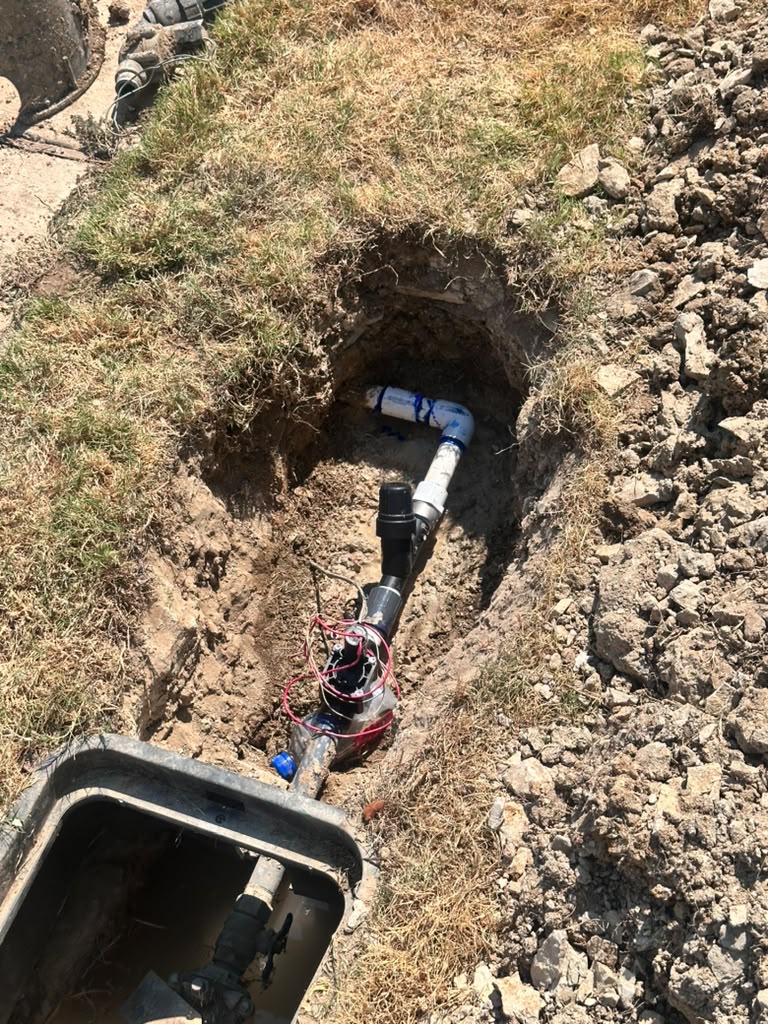
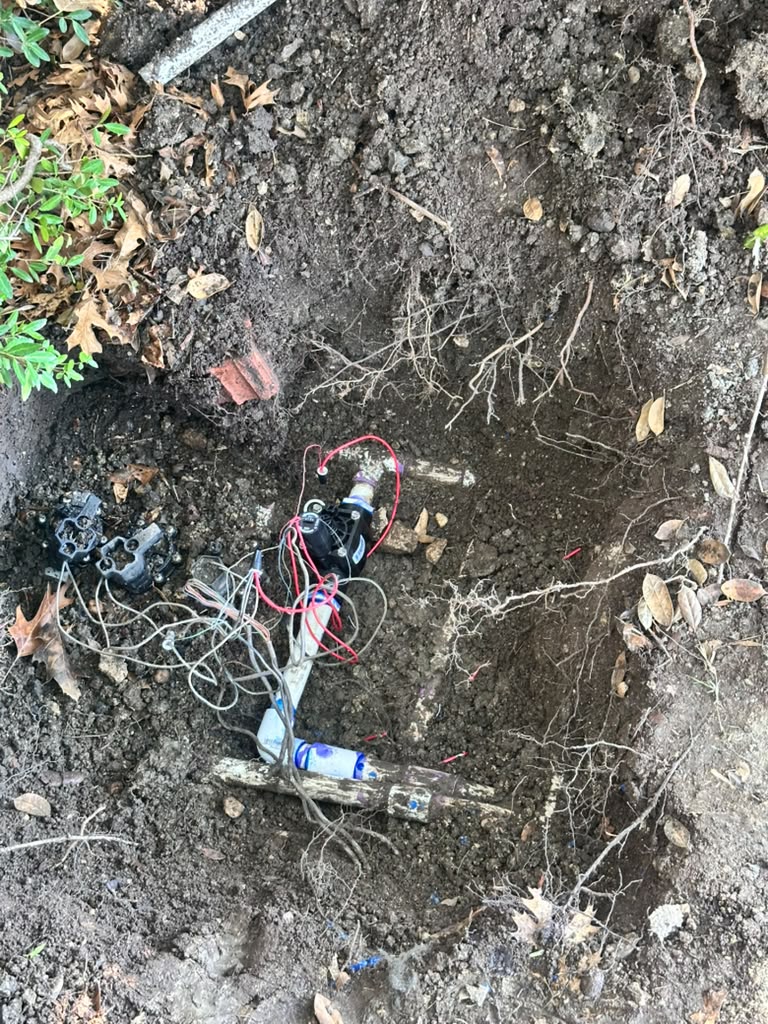
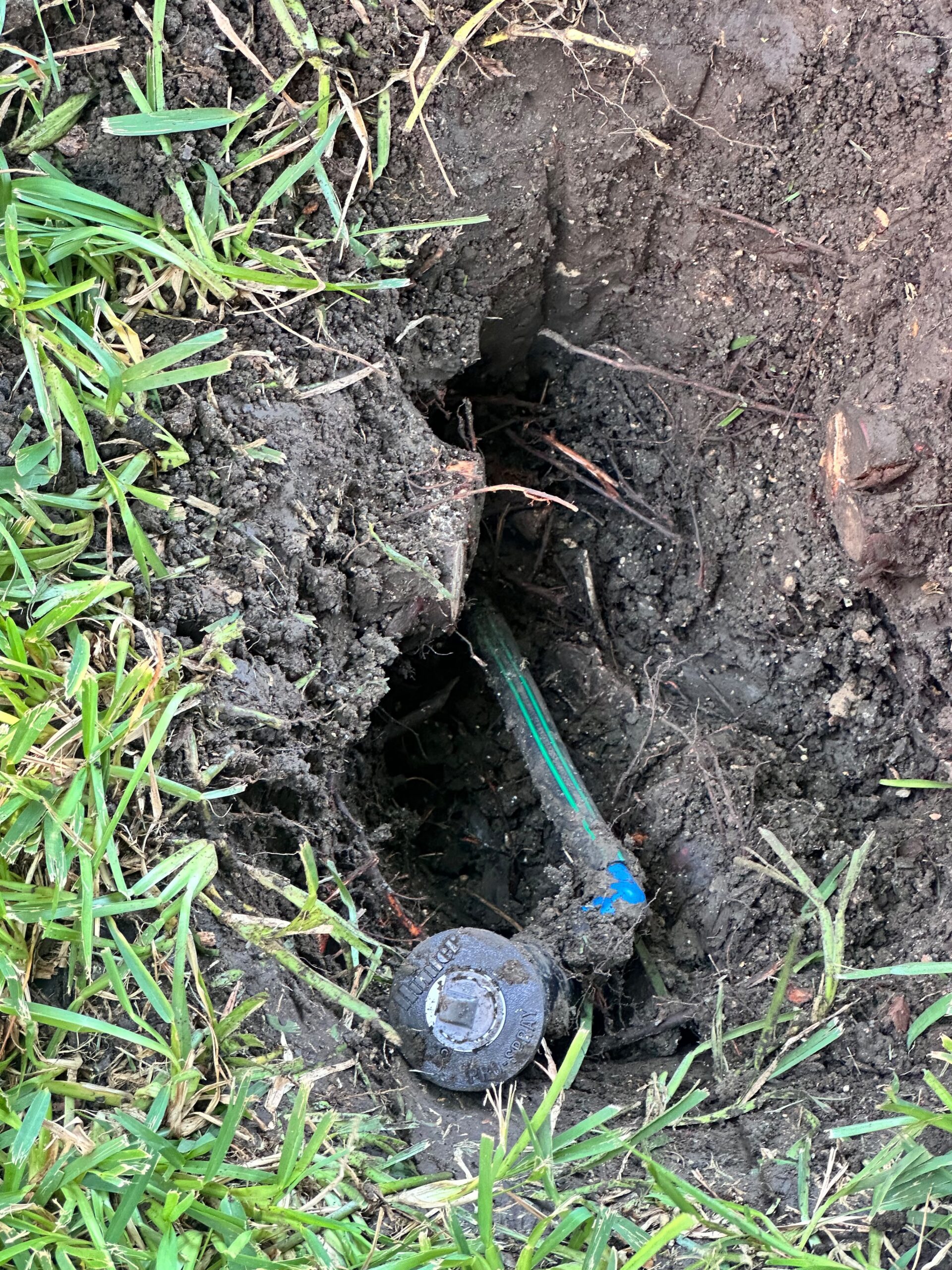
Yes. Damaged sprinkler wiring in McKinney TX can prevent one or multiple irrigation zones from turning on, even when the sprinkler controller appears to be working normally. Underground wires can become cut during digging, connections can corrode inside valve boxes, and failed solenoids can prevent valves from opening when they receive an electrical signal.
When several sprinkler zones stop working simultaneously, a damaged shared common wire is one possible cause. However, the controller, transformer, water supply, and other electrical connections should also be checked before assuming the wiring is responsible. Identifying the actual problem helps prevent unnecessary valve replacements and repairs.
At a Glance: Sprinkler Wiring Problems
| Category | Details |
| Difficulty | Moderate to advanced |
| Estimated Time | Depends on the location of the damage |
| Tools Needed | Flashlight, sprinkler controller manual, professional electrical testing equipment |
| Works For | Identifying possible wiring and electrical problems |
| May Not Solve | Mechanical valve failures, water supply problems, or underground pipe leaks |
Important: Homeowners can perform basic visual checks, but electrical testing and underground wire repairs are best handled by someone familiar with irrigation systems.
Why Does Sprinkler Wiring Matter?
An automatic sprinkler system relies on electrical connections to communicate between the controller and individual sprinkler valves.
When you select a watering schedule, the controller sends a low-voltage electrical signal through the wiring to activate a specific valve. The valve contains a small electrical component called a solenoid, which responds to that signal and allows water to flow through the designated sprinkler zone.
Most residential irrigation systems use two types of connections:
- Zone wire: Carries the electrical signal from the controller to an individual sprinkler valve.
- Common wire: Provides a shared electrical return connection for multiple sprinkler valves.
If either connection becomes damaged, the affected valve may not receive the electrical signal it needs to operate.
This explains why a sprinkler system can display an active watering schedule without actually delivering water to the lawn.
Common Causes of Damaged Sprinkler Wiring
Several problems can interrupt electrical communication between the controller and sprinkler valves. Understanding these causes can help homeowners recognize why their irrigation system suddenly stops working.
1. Underground Wires Cut During Digging
Sprinkler wiring can be accidentally damaged during landscaping or construction. Digging for trees, fence posts, lighting, drainage, or lawn improvements may cut underground wires. A severed zone wire can stop one zone, while a damaged shared common wire may affect several zones simultaneously.
2. Corroded Wire Splices Inside Valve Boxes
Sprinkler wire connections are often located inside underground valve boxes, where moisture, soil, and temperature changes can cause corrosion or loose connections. These problems may lead to intermittent operation, failed zones, or electrical communication issues. Using waterproof connectors and inspecting damaged wiring helps maintain reliable sprinkler system performance.
3. Failed Sprinkler Valve Solenoids
A sprinkler solenoid is an electrical component attached to the valve that controls water flow. When activated by the controller, it opens the valve to supply water. A faulty solenoid may cause zones to stop working, fail to respond automatically, or produce unusual buzzing sounds. Electrical testing helps distinguish solenoid failure from damaged wiring.
How to Recognize Sprinkler Wiring in Mckinney TX Problems
Not every sprinkler zone failure means the valve is broken. Sometimes the electrical connection is preventing the valve from receiving the signal it needs.
Here are several warning signs homeowners should recognize.
One Sprinkler Zone Stops Working
If the remaining zones operate normally but one section of the lawn stays dry, the problem may be isolated to that zone.
Possible causes include:
- A cut zone wire.
- A disconnected wire at the controller.
- A corroded connection.
- A failed solenoid.
- A malfunctioning controller terminal.
Start by checking whether the affected zone is programmed correctly. If the settings are correct, the wiring and valve may need further inspection.
Several Sprinkler Zones Stop Working Together
When multiple zones suddenly stop operating, consider whether they share an electrical connection.
Many irrigation systems use one common wire connected to several valves. If that wire becomes disconnected, cut, or corroded, multiple zones may lose their electrical return path.
This is an important diagnostic clue.
Instead of immediately replacing several sprinkler valves, have the shared wiring connection checked first.
The Controller Runs but Sprinklers Do Not Turn On
A controller may display an active watering cycle even when the valves are not responding.
This can happen when the electrical signal cannot reach the valve because of damaged wiring, a faulty solenoid, or a controller output problem.
However, check the irrigation water supply as well. A closed shutoff valve or another water supply issue can produce similar symptoms.
Sprinkler Zones Work Intermittently
Does a sprinkler zone work one day and stop the next?
Intermittent operation may indicate a loose connection, corroded splice, partially damaged wire, or failing solenoid.
Temperature changes, moisture, and movement around underground connections can make an existing electrical problem more noticeable.
Repeatedly resetting the controller may temporarily change the symptoms without correcting the underlying issue.
What Should Homeowners Check Before Calling for Repairs?
You do not need specialized electrical equipment to perform a few basic observations.
These checks can help narrow down the problem without disturbing underground wiring.
Step 1: Check the Controller Settings
Look at your sprinkler controller and confirm:
- The controller has power.
- The correct watering schedule is active.
- The affected zone is included in the program.
- The system is not in rain or off mode.
- The rain sensor is not preventing irrigation.
Sometimes a programming adjustment is all that is needed.
Step 2: Identify Which Zones Are Affected
Manually run each sprinkler zone through the controller’s normal testing function.
Write down which zones operate and which ones fail.
This information helps identify whether the problem is isolated to one zone or affects several valves sharing a common connection.
Step 3: Look for Recent Landscaping Work
Think about any digging, planting, fence installation, or outdoor construction completed recently.
If a sprinkler zone stopped working immediately after landscaping work, accidental wire damage may be responsible.
Avoid digging randomly to locate the damaged connection. Underground irrigation lines and electrical wiring can be difficult to identify without proper equipment.
Step 4: Visually Inspect Accessible Valve Boxes
If you can safely access the valve box, look for obvious signs of trouble.
Check for:
- Standing water.
- Loose or disconnected wires.
- Visible corrosion.
- Damaged connectors.
- Exposed or deteriorated wire insulation.
Do not pull apart unfamiliar connections or move wires between terminals.
Take a picture of anything unusual so a technician can better understand what you observed.
Step 5: Have the Electrical Connections Tested
If the basic checks do not identify the problem, electrical testing can help determine whether the issue involves the controller, wiring, or solenoid.
A licensed irrigation professional can use appropriate testing equipment to evaluate electrical output, wire continuity, and solenoid condition.
This helps identify the actual source of the failure instead of replacing components based on assumptions.
Common Mistakes When Troubleshooting Sprinkler Wiring
Some troubleshooting attempts can make an existing irrigation problem harder to diagnose.
Avoid these common mistakes:
Replacing multiple valves immediately: Several failed zones do not automatically mean several bad valves. A shared common wire may be responsible.
Ignoring recent digging: If the problem started after landscaping work, inspect the affected area as part of the diagnosis.
Using ordinary wire connectors underground: Connections exposed to moisture need appropriate waterproof irrigation connectors.
Assuming the controller is always responsible: The controller may be functioning correctly while a damaged wire prevents the electrical signal from reaching the valve.
Replacing the solenoid without testing: A failed solenoid and damaged wiring can produce similar symptoms. Confirm the cause before purchasing replacement parts.
Local Considerations for McKinney Homeowners
McKinney properties experience seasonal temperature changes, summer heat, occasional freezing conditions, and soil movement that can affect underground irrigation components.
North Texas also has expansive clay soils in many residential areas. These soils can shrink during dry periods and expand when moisture levels increase.
Over time, soil movement and landscaping changes may affect buried sprinkler pipes, wire connections, and valve boxes.
Homeowners should pay attention to irrigation performance after:
- Installing new landscaping.
- Completing outdoor construction.
- Aerating or renovating the lawn.
- Experiencing extended dry weather.
- Going through winter freezing conditions.
Routine inspections can help identify damaged connections and other irrigation problems before they affect multiple zones.
Other Problems That Can Look Like Damaged Wiring
Before concluding that the electrical system is responsible, consider other possible causes.
Sprinkler controller failure: A damaged controller terminal, faulty transformer, or internal electrical problem may prevent individual zones from activating.
Water supply interruption: A closed irrigation shutoff valve or supply issue can prevent water from reaching every zone.
Faulty sprinkler valve: A valve may become stuck because of debris, worn internal components, or mechanical damage.
Low water pressure: If the system operates but sprinkler heads do not rise properly, pressure problems may be involved.
Underground pipe damage: A broken irrigation pipe can affect water delivery even when the electrical components are working correctly.
For additional troubleshooting, homeowners can explore our guides to sprinkler repair services, sprinkler valve repair, and sprinkler system inspections.
For additional technical guidance, consult the Hunter Industries valve voltage testing guide and the EPA’s WaterSense Sprinkler Spruce-Up recommendations.
Frequently Asked Questions
1. Can a cut sprinkler wire stop an entire irrigation system?
Yes, depending on which wire is damaged. A cut zone wire typically affects one valve, while a damaged shared common wire can interrupt several zones connected to that circuit.
2. Why do multiple sprinkler zones stop working at the same time?
Several zones failing together may indicate a broken common wire, shared corroded connection, controller problem, transformer issue, or water supply interruption. Testing helps identify the actual cause.
3. How do I know if my sprinkler solenoid is bad?
A faulty solenoid may prevent a valve from responding to the controller. Electrical testing can help determine whether the solenoid has failed or whether damaged wiring is preventing it from receiving power.
4. Can sprinkler wiring be repaired without replacing the entire system?
Yes. If the damage is limited to a specific wire or connection, the affected section can often be repaired using appropriate waterproof connectors and compatible irrigation wiring.
5. Should I replace my sprinkler valve if the zone will not turn on?
Not immediately. A zone that refuses to operate may have a damaged wire, corroded splice, failed solenoid, controller problem, or mechanical valve issue. Proper diagnosis should come before replacement.
Conclusion
Damaged sprinkler wiring in Mckinney TX can prevent individual or multiple sprinkler zones from operating properly. Cut underground wires, corroded splices, and failed solenoids can create similar symptoms, making accurate diagnosis important. Start with simple controller checks and identify which zones are affected. If the problem continues, a professional inspection can pinpoint the cause. Whale Done helps McKinney homeowners understand their irrigation problems and make informed repair decisions. Call (469) 384-7767 or email clientsupport@callwhaledone.com to schedule an assessment.