Yes. One irrigation leak in Wylie TX can absolutely weaken an entire zone, because irrigation zones share a single supply line, and any water escaping before it reaches the heads reduces the pressure and volume available to every head downstream. This is why a single crack in a lateral pipe can cause multiple heads in a zone to underperform at once, even though only one point in the system is actually damaged. Homeowners often assume weak coverage across a zone means several heads are broken, when in reality, one leak upstream is usually the real cause.
At a Glance
- Difficulty: Easy to suspect; moderate to locate without proper equipment
- Estimated Time: Diagnosis can take 15–30 minutes; repair time varies by leak location
- Tools Needed: None for initial diagnosis; leak detection equipment and excavation tools for repair
- Works For: Spray zones, rotor zones, and drip zones sharing a common lateral line
- May Not Solve: Pressure issues caused by the main supply line or a failing valve
Why One Leak Affects an Entire Zone
Every irrigation zone operates on a shared supply of water and pressure. Water travels from the valve through a lateral pipe, branching off to each head along the way. If a crack, loose fitting, or broken connection allows water to escape anywhere along that path, the heads positioned after that point in the line receive less water and less pressure than they’re designed to work with.
This is different from a single malfunctioning head, which typically only affects its own small section of coverage. A leak upstream in the line has a ripple effect, reducing performance across every head that depends on water passing through that same section of pipe.
Signs a Single Leak Is Weakening a Zone
A few patterns tend to show up when one leak is affecting multiple heads in a zone:
- Several heads in the same zone spray weakly while heads in other zones perform normally
- Coverage is inconsistent along a specific section of the yard rather than evenly reduced throughout
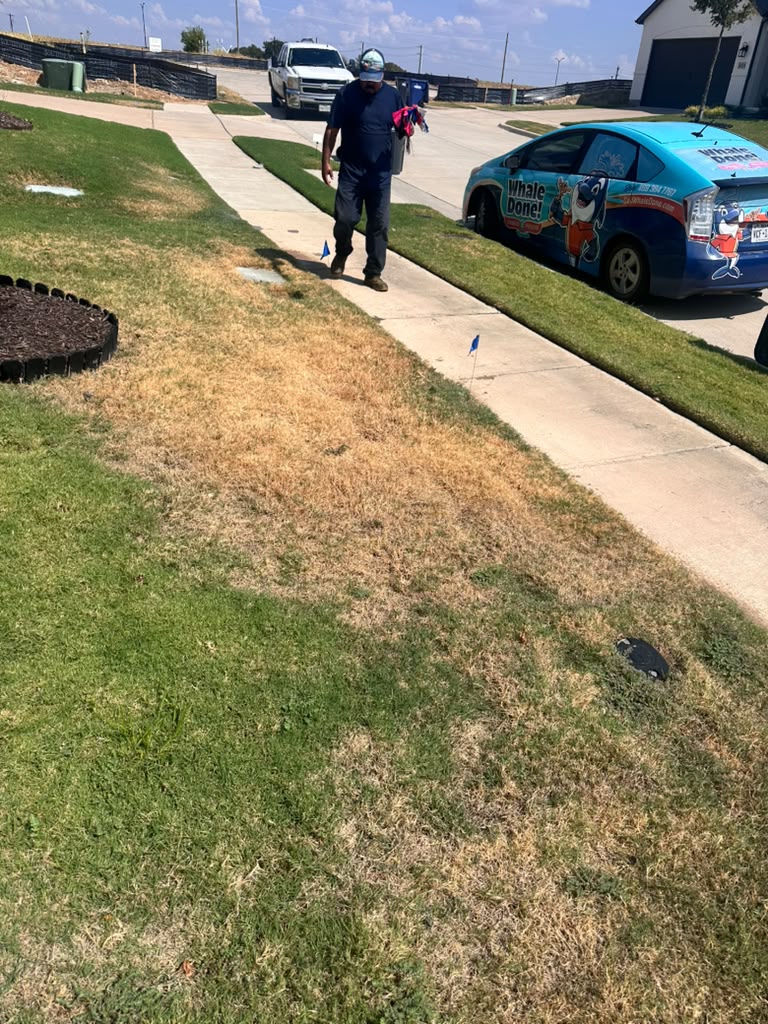
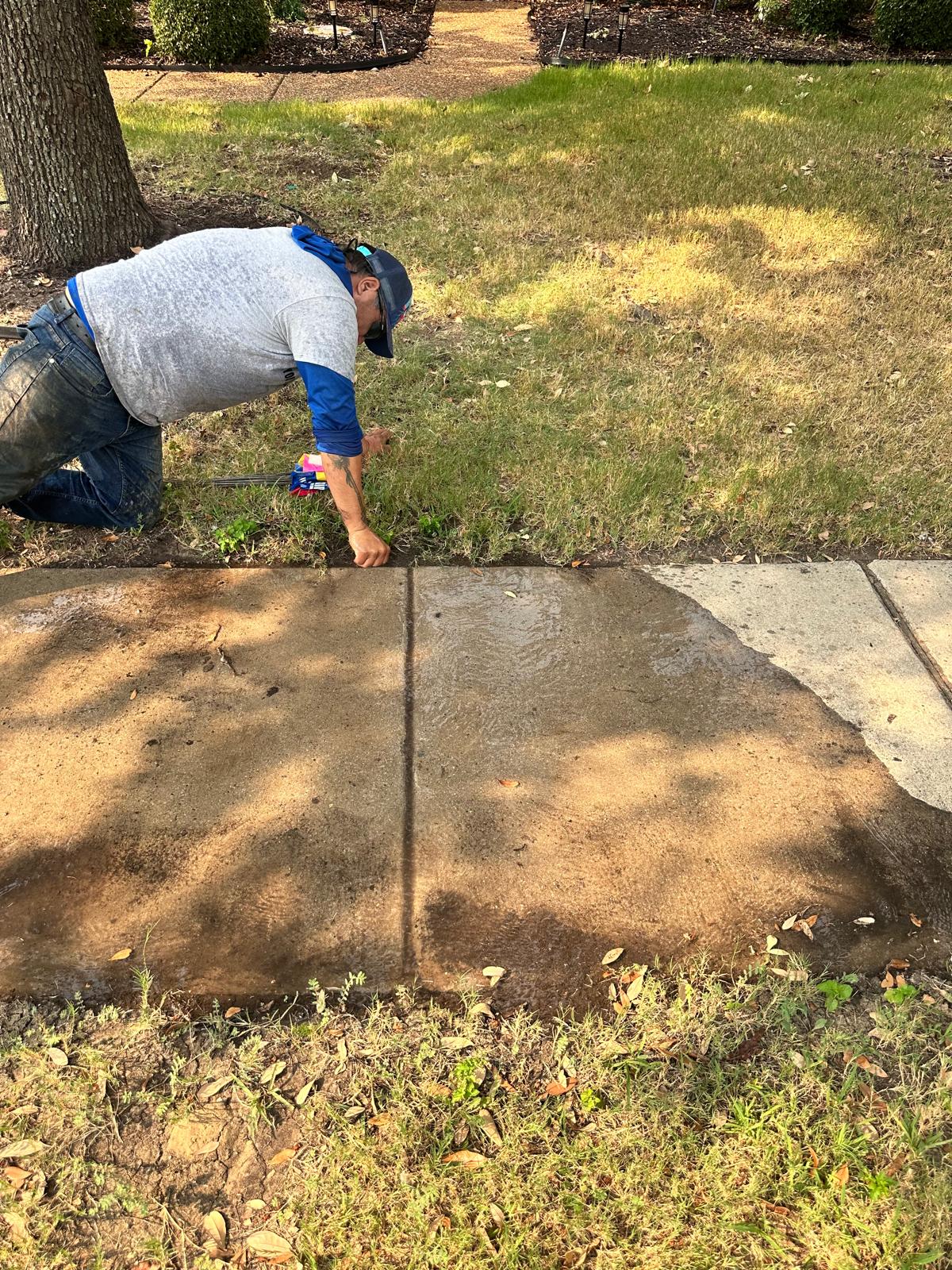
- A wet or soggy area exists somewhere between the valve and the affected heads
- The zone’s water bill contribution seems disproportionately high compared to its size
- Heads closer to the valve perform fine, while heads farther down the line are noticeably weaker
- Bubbling or pooling appears at a specific point in the lawn during the zone’s run cycle
How One Irrigation Leak In Wylie TX Reduces Pressure Across a Zone
Water Takes the Path of Least Resistance
Once water escapes through a crack or loose fitting, it no longer has to travel through the remaining pipe and out through the heads. This reduces both the volume and pressure reaching every head downstream of that leak.
Pressure Loss Compounds With Distance
The farther a head is positioned from the valve, and the farther it is past the leak point, the more pressure it tends to lose. This is why heads at the far end of an affected zone often show the most obvious symptoms.
Small Leaks Can Have an Outsized Effect
Even a leak that seems minor on the surface, such as a small crack or a slightly loose fitting, can be enough to noticeably drop pressure across an entire zone, especially in systems already operating close to their pressure limits.
Step-By-Step: How to Identify a Zone-Wide Leak
1. Run the Zone and Observe All Heads
Watch the entire zone complete a cycle and note which heads are underperforming. If multiple heads show reduced spray while others in different zones look normal, the issue is likely isolated to that zone’s supply line.
2. Check for Wet Spots Along the Line
Walk the general path of the zone’s piping, which usually runs in a relatively direct line between the valve and the heads, looking for soggy or unusually green patches that could indicate a leak point.
3. Compare Pressure Near the Valve vs. Far Heads
If heads closest to the valve perform normally but pressure drops off noticeably farther down the line, this pattern strongly suggests a leak somewhere between those two points rather than a problem with the valve itself.
4. Rule Out a Valve Issue
A valve that isn’t opening fully can also reduce pressure to an entire zone, so it’s worth confirming the valve is functioning correctly before assuming the issue is a leak in the line.
5. Use Professional Leak Detection if Needed
If the leak isn’t visible on the surface, professional equipment can trace pressure loss and pinpoint the exact location without unnecessary digging across the yard.
Common Mistakes Homeowners Make
- Replacing multiple heads before confirming whether a single upstream leak is the actual cause of weak performance
- Assuming low pressure zone-wide always means a main line issue, when it’s often isolated to one specific zone
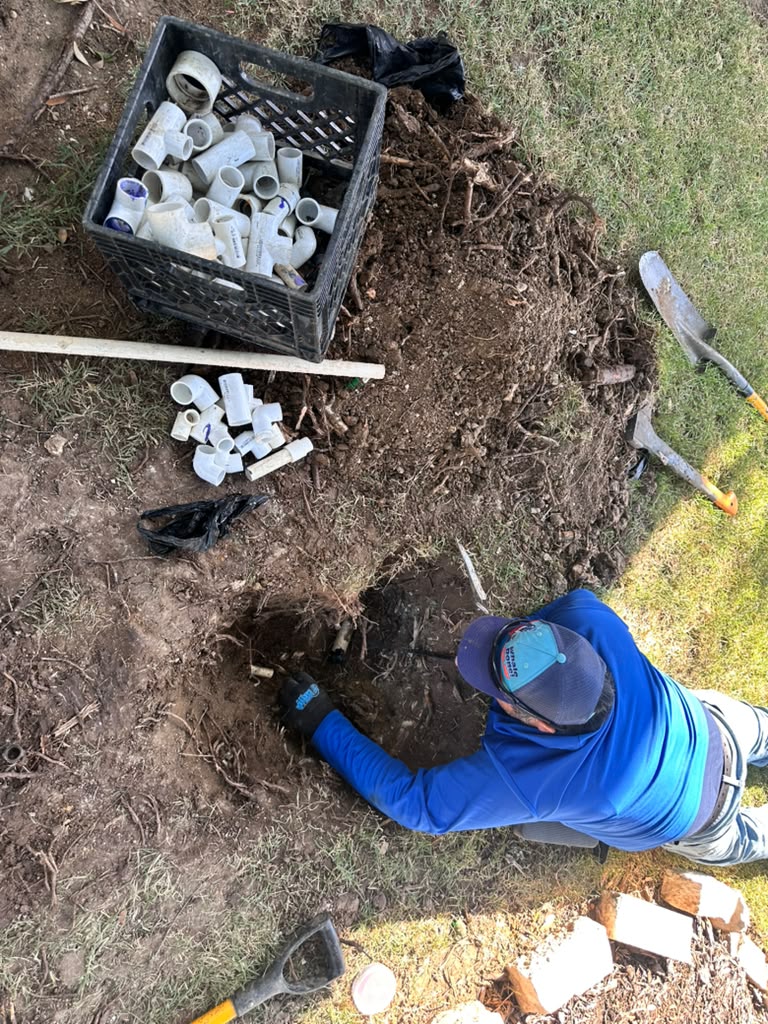
- Digging in several spots trying to find a leak instead of using the pattern of affected heads to narrow the location first
- Ignoring a wet patch in the yard that could be pointing directly to the leak’s location
- Delaying repair, which allows a small leak to erode more soil and potentially worsen the pressure loss over time
Local Considerations in Wylie, TX
A few conditions specific to Wylie and the surrounding Collin County area make this issue particularly relevant:
- Clay soil, common throughout Wylie, expands and contracts significantly with moisture changes, and this constant movement puts ongoing stress on buried pipes and fittings, making cracks and loose connections more likely to develop over time than in areas with more stable soil.
- Established landscaping and mature trees, found throughout many Wylie neighborhoods, mean root systems have had years to grow near or into irrigation lines, which is a common and often overlooked cause of the kind of pipe damage that leads to zone-wide pressure loss.
- Newer subdivisions across Wylie can still experience this issue from improperly glued fittings or lines that weren’t buried deep enough during construction, so a newer irrigation system isn’t automatically protected from developing a leak.
- Water restrictions, commonly enforced across Collin County during peak summer months, make prompt identification and repair especially important, since a continuously running leak wastes water throughout every cycle the affected zone runs.
- Seasonal wet-to-dry transitions typical of North Texas weather add ongoing stress to pipe joints and fittings, meaning a leak that develops gradually may not become obvious until a particularly dry or particularly wet stretch makes the ground shift more than usual.
Homeowners can review general guidance on system-wide water efficiency through the EPA WaterSense program and regional soil and landscape research from Texas A&M AgriLife Extension, both of which touch on how underground leaks affect irrigation efficiency.
Related Problems That Aren’t Solved By Fixing a Single Leak
Repairing an identified leak resolves pressure loss in that specific zone, but it won’t necessarily address:
- Low pressure across the entire system, which can stem from the municipal supply, a pressure regulator issue, or a problem in the main line feeding every zone rather than just one.
- A failing valve, which can restrict water flow to a zone independently of whether any leak is present in the lateral line.
- Additional leaks elsewhere in the yard, particularly in systems with aging pipe or extensive tree root growth, where more than one weak point may exist.
- Controller programming errors, which affect run times and scheduling and have nothing to do with physical leaks or pressure loss.
If pressure issues persist after a leak repair, or if it’s unclear whether the cause is isolated to one zone or affecting the system more broadly, a full evaluation can help identify the underlying issue.
Frequently Asked Questions
- How can one small leak affect an entire zone? Because all the heads in a zone share the same supply line, water escaping anywhere along that line reduces the pressure and volume available to every head positioned after the leak point.
- How do I know if it’s one leak or several broken heads? If the affected heads are clustered along a specific section of the zone’s line, or if performance drops off the farther a head sits from the valve, it’s more likely one upstream leak rather than multiple separate head failures.
- Can a leak in one zone affect other zones too? Generally no, since each zone typically operates on its own valve and lateral line, meaning a leak isolated to one zone usually doesn’t reduce pressure in unrelated zones.
- Is it worth trying to find the leak myself before calling a professional? Narrowing down which zone and general section of the yard is affected is helpful, but pinpointing the exact leak location often requires equipment most homeowners don’t have on hand.
- Will fixing the leak fully restore the zone’s original performance? In most cases, yes. Once the leak is repaired and pressure is restored to the line, the remaining heads typically return to their normal spray pattern and coverage.
Bottom Line
One leak in Wylie TX can absolutely be enough to weaken performance across an entire irrigation zone, since every head in that zone depends on the same shared line for pressure and volume. Recognizing the pattern, weak performance clustered in one zone or worsening toward heads farther from the valve, is often the fastest way to identify a single upstream leak rather than assuming multiple heads have failed independently. Addressing the actual leak, rather than replacing heads one at a time, is usually the more effective and cost-conscious path to restoring full coverage.
Next Step
Homeowners who notice several heads in the same zone underperforming, especially alongside a wet spot in the yard or a rising water bill, are likely dealing with a single leak rather than multiple unrelated head issues. A licensed irrigation company can use pressure testing and leak detection equipment to confirm the exact cause and location before any repair work begins, avoiding unnecessary digging or part replacement.
Related Resources
- Sprinkler System Services in Wylie, TX
- Signs of Underground Irrigation Leaks
- How to Adjust Sprinkler Heads for Better Coverage
Conclusion & Call to Action
Yes, one irrigation leak in Wylie TX can weaken pressure across an entire zone, since every head shares the same supply line. Clay soil and mature tree roots common throughout the area make this issue especially frequent locally. If several heads in one zone seem weak at once, it’s likely a single leak rather than multiple broken heads. Reach out to a trusted local irrigation team to get it diagnosed.