A sudden change in sprinkler pressure in Prosper TX is usually caused by one of a few things: a broken or leaking line diverting water before it reaches the heads, a clogged or partially closed valve restricting flow, a failing pressure regulator, or a temporary drop in municipal water pressure. Municipal supply issues tend to affect the whole house, while sprinkler-specific causes usually affect only certain zones. Identifying which pattern you’re seeing is the fastest way to narrow down the cause.
At a Glance
- Difficulty: Low to observe symptoms; moderate to diagnose the exact cause
- Estimated Time: 15–30 minutes to check zones and water meter
- Tools Needed: None for a basic check; pressure gauge for a precise reading
- Works For: Narrowing down whether the issue is system-wide, zone-specific, or municipal
- May Not Solve: Locating an underground leak without professional equipment
Why Sprinkler Pressure Drops Happen
Water pressure in a sprinkler system depends on a consistent, unobstructed path from the water supply through the valves, pipes, and out through each head. When pressure suddenly drops, something along that path is either restricting flow or allowing water to escape before it reaches the heads.
A few general categories explain most pressure drops:
- Water is escaping somewhere it shouldn’t be, such as through a crack or break in a line
- Something is restricting flow, such as a clogged filter, partially closed valve, or debris in a pipe
- The pressure regulator or backflow device is malfunctioning, affecting the whole system
- The municipal water supply itself is temporarily reduced, which is outside the sprinkler system entirely
Narrowing down which category applies is the key step before deciding whether a repair is needed.
Common Causes of Low Sprinkler Pressure in Prosper TX
Sprinkler pressure in Prosper TX can drop for a number of reasons, and the pattern of the drop often points toward the cause. A sudden, dramatic drop tends to suggest something different than a gradual decline over several weeks.
A Broken or Cracked Line
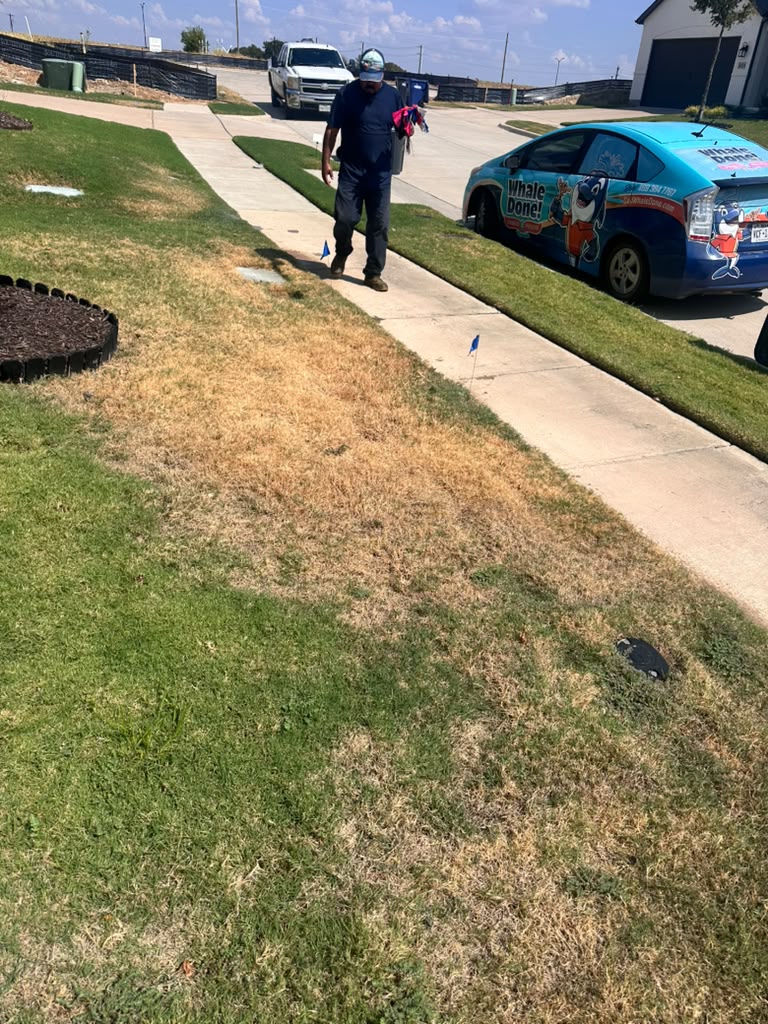
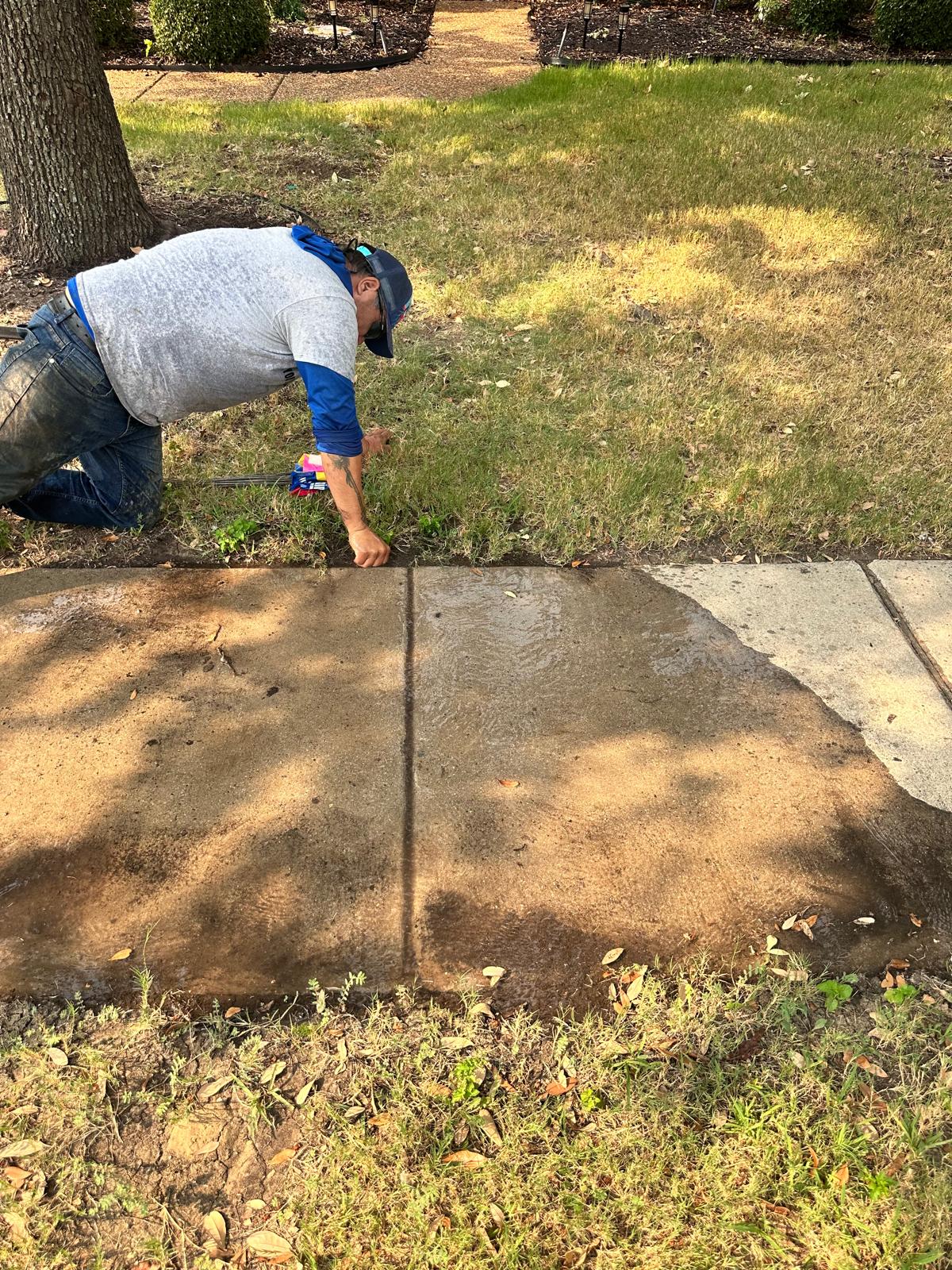
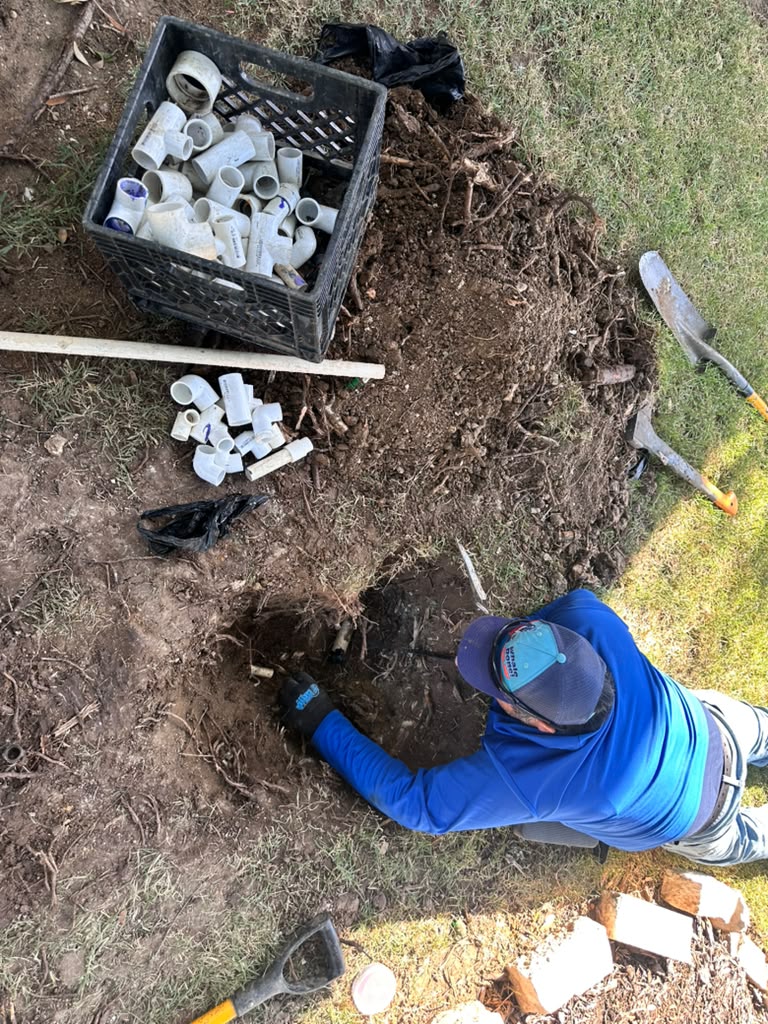
When a line breaks underground, water escapes before reaching the sprinkler heads, which reduces the pressure available to the rest of that zone. This often comes with a soggy patch of yard or an unusually green area nearby.
A Clogged or Failing Valve
Valves control flow to each zone, and a valve that’s partially stuck, clogged with debris, or beginning to fail can restrict water before it ever reaches the heads, even if the rest of the system is intact.
A Malfunctioning Pressure Regulator or Backflow Device
These components sit near the point where the sprinkler system connects to the main water supply. If either one is malfunctioning, it can reduce pressure across the entire system rather than just one zone.
Clogged Nozzles or Filters
Mineral buildup and debris can accumulate inside nozzles or filters over time, gradually restricting flow. This usually causes a slow decline in pressure rather than a sudden drop, but a large piece of debris can cause a more immediate change.
Municipal Water Supply Fluctuations
During periods of high demand, such as early morning hours when many residential systems run at once, municipal water pressure can temporarily drop. This affects the whole house, not just the sprinkler system, and typically resolves on its own once demand decreases.
A Recently Closed or Partially Closed Main Valve
If any work has been done near the water supply line recently, a main valve that isn’t fully open can restrict pressure to the entire irrigation system.
Step-by-Step: How to Narrow Down the Cause
Step 1: Check if the Drop Affects the Whole House or Just the Sprinklers
Run an indoor faucet and see if pressure seems normal there. If indoor pressure is fine but the sprinklers are weak, the cause is likely within the irrigation system itself rather than the municipal supply.
Step 2: Test Each Zone Individually
Run each zone separately and compare pressure and coverage. If only one zone is affected, the cause is likely isolated to that zone’s valve or line rather than the whole system.
Step 3: Look for Signs of a Leak
Walk the yard and check for soggy areas, bubbling water, or patches of grass that are noticeably greener than the rest of the lawn, particularly near the affected zone.
Step 4: Check the Water Meter
With all water use in the house and yard turned off, watch the meter for continued movement, which can indicate water loss somewhere in the system.
Step 5: Inspect the Backflow Device and Main Valve
Confirm the main water valve to the irrigation system is fully open and check the backflow preventer for visible signs of damage or malfunction.
Step 6: Note the Time of Day
If the pressure drop happens consistently during early morning hours, it may align with peak municipal demand rather than an issue within your own system.
Common Mistakes Homeowners Make
- Assuming every pressure drop is a leak. Municipal supply fluctuations and valve issues are just as common and don’t always involve water loss.
- Only checking one zone. A pressure issue affecting a single zone points to a different cause than one affecting the entire system.
- Ignoring gradual pressure loss. A slow decline over weeks is often written off as normal, when it can indicate a developing clog or small leak.
- Not checking indoor water pressure for comparison. This simple step helps determine whether the issue is isolated to the sprinkler system or part of a larger supply issue.
- Assuming the pressure regulator never fails. Like any mechanical component, regulators and backflow devices wear out and can be a source of system-wide pressure loss.
Local Considerations for Sprinkler Pressure in Prosper TX
A few things specific to the Prosper area are worth factoring into a pressure drop investigation:
- Clay soil movement. Prosper’s clay-heavy soil expands and contracts with moisture changes, which can gradually stress buried lines and fittings, making cracked or separated joints a common contributor to zone-specific pressure loss over time.
- Rapid residential growth. As Prosper continues to grow, increased municipal water demand during peak hours, particularly in newer developments, can lead to temporary pressure fluctuations that affect irrigation systems along with the rest of the house.
- Summer heat and extended run times. Longer, more frequent watering cycles during summer put additional strain on valves, regulators, and fittings, which is often when marginal components finally show signs of failure.
- Water restrictions. Prosper enforces designated watering days and time windows during peak season, so a pressure issue that limits coverage becomes more noticeable when there’s less flexibility to compensate with additional watering.
- New construction activity. Ongoing development and utility work throughout Prosper can occasionally affect nearby water lines or create pressure changes in the surrounding area, particularly in newer neighborhoods still undergoing infrastructure buildout.
Related Problems That Can Look Like Low Pressure
Not every coverage or performance issue is caused by a true pressure drop. Related causes to consider include:
- A controller programming issue causing zones to run for shorter periods than intended
- Clogged individual nozzles rather than a system-wide pressure problem
- A partially closed zone valve limiting flow to specific heads
- Head damage or misalignment unrelated to the pressure itself
A licensed sprinkler company can typically distinguish between these causes using pressure testing at different points in the system.
Frequently Asked Questions
Is a sudden sprinkler pressure drop always caused by a leak? No. While leaks are a common cause, valve issues, a failing pressure regulator, or temporary municipal supply fluctuations can also cause a sudden pressure change without any water escaping the system.
Why does my sprinkler pressure seem lower in the early morning? Municipal water demand tends to peak during early morning hours when many residential irrigation systems run at the same time, which can cause a temporary, system-wide pressure dip that typically resolves once demand decreases.
How can I tell if the pressure drop is isolated to one zone? Run each zone individually and compare performance. If only one zone shows reduced pressure while others seem normal, the cause is more likely isolated to that zone’s valve or line.
Can a pressure drop damage my sprinkler system over time? Persistent low pressure itself typically isn’t damaging, but the underlying cause, such as a leak or failing valve, can worsen over time and lead to more significant repairs if left unaddressed.
When should I call a licensed sprinkler company about a pressure issue? If a basic check doesn’t reveal an obvious cause, or if you suspect a leak, valve failure, or regulator problem, a licensed technician can use pressure testing to pinpoint the source more accurately than a visual inspection alone.
Bottom Line
A sudden change in sprinkler pressure in Prosper TX can come from several different sources, ranging from a broken line or failing valve to a temporary dip in municipal water supply. The pattern of the drop, whether it affects one zone or the whole system, and whether it happens suddenly or gradually, offers useful clues about the underlying cause. Most pressure issues can be narrowed down with a basic check of zones, the water meter, and indoor pressure before deciding whether a professional diagnosis is needed.
Next Step
If a basic check doesn’t explain the pressure change, or if you notice signs of a leak like a soggy area or unusually green patch of grass, a licensed sprinkler company can run pressure tests at different points in the system to identify the exact cause. Not every pressure drop requires major repair, and in some cases the fix is as simple as clearing a clogged valve or adjusting a regulator.
Related Resources
- Can Spray Heads Be Converted to Drip Irrigation in Prosper TX?
- What Is Included in a Drip Irrigation Inspection in McKinney TX?
- Sprinkler System Repair in Prosper TX
For additional guidance on water efficiency and municipal supply factors, the EPA WaterSense program and Texas Commission on Environmental Quality (TCEQ) both publish resources relevant to North Texas homeowners.
Conclusion
Sprinkler pressure in Prosper TX can drop suddenly for several reasons, from a broken line or failing valve to a temporary dip in municipal supply during peak hours. Checking which zones are affected and whether indoor pressure is normal helps narrow down the cause quickly. If the issue doesn’t resolve on its own or you suspect a leak, a licensed sprinkler company can pinpoint the source and recommend the right fix.