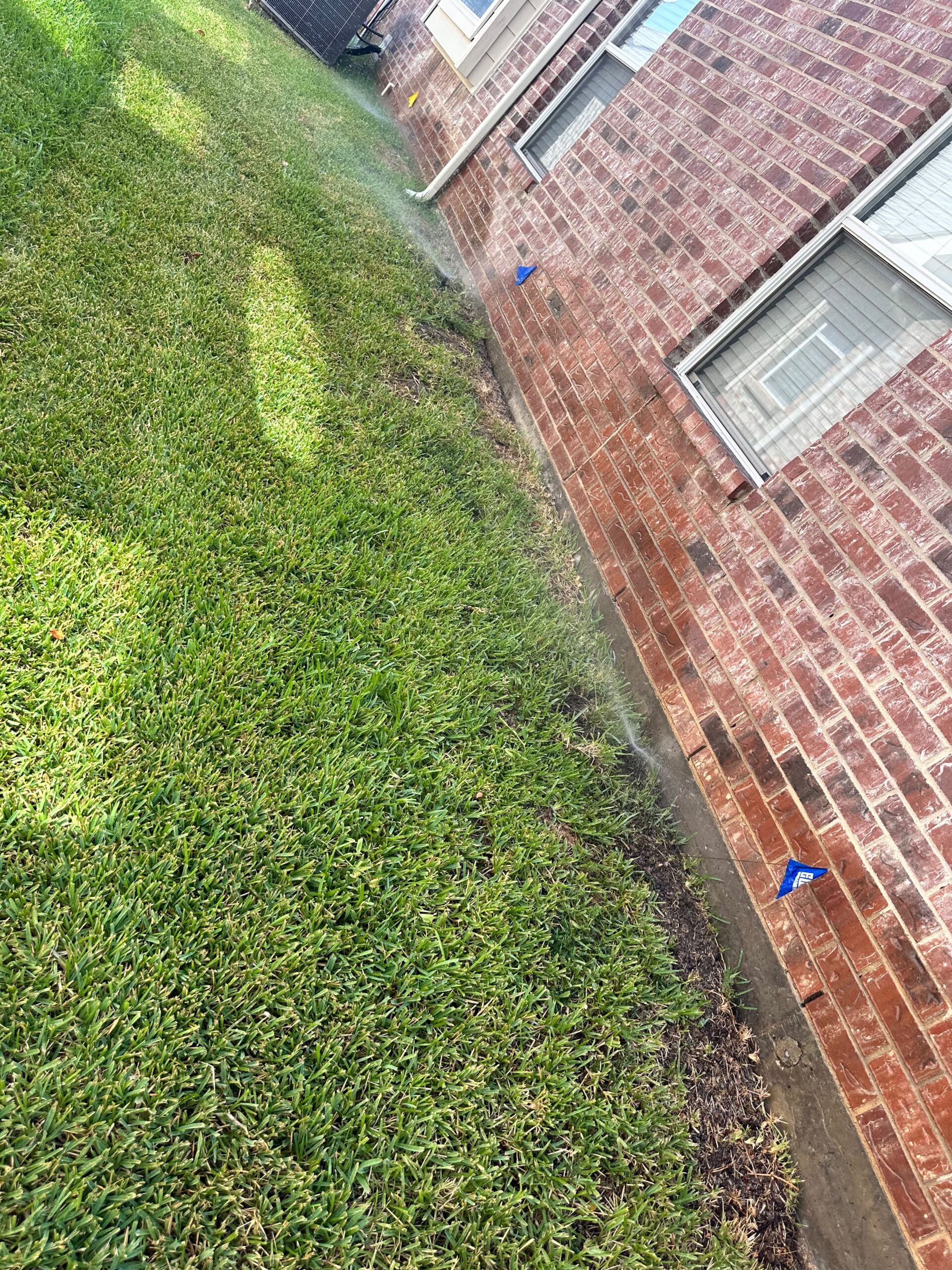
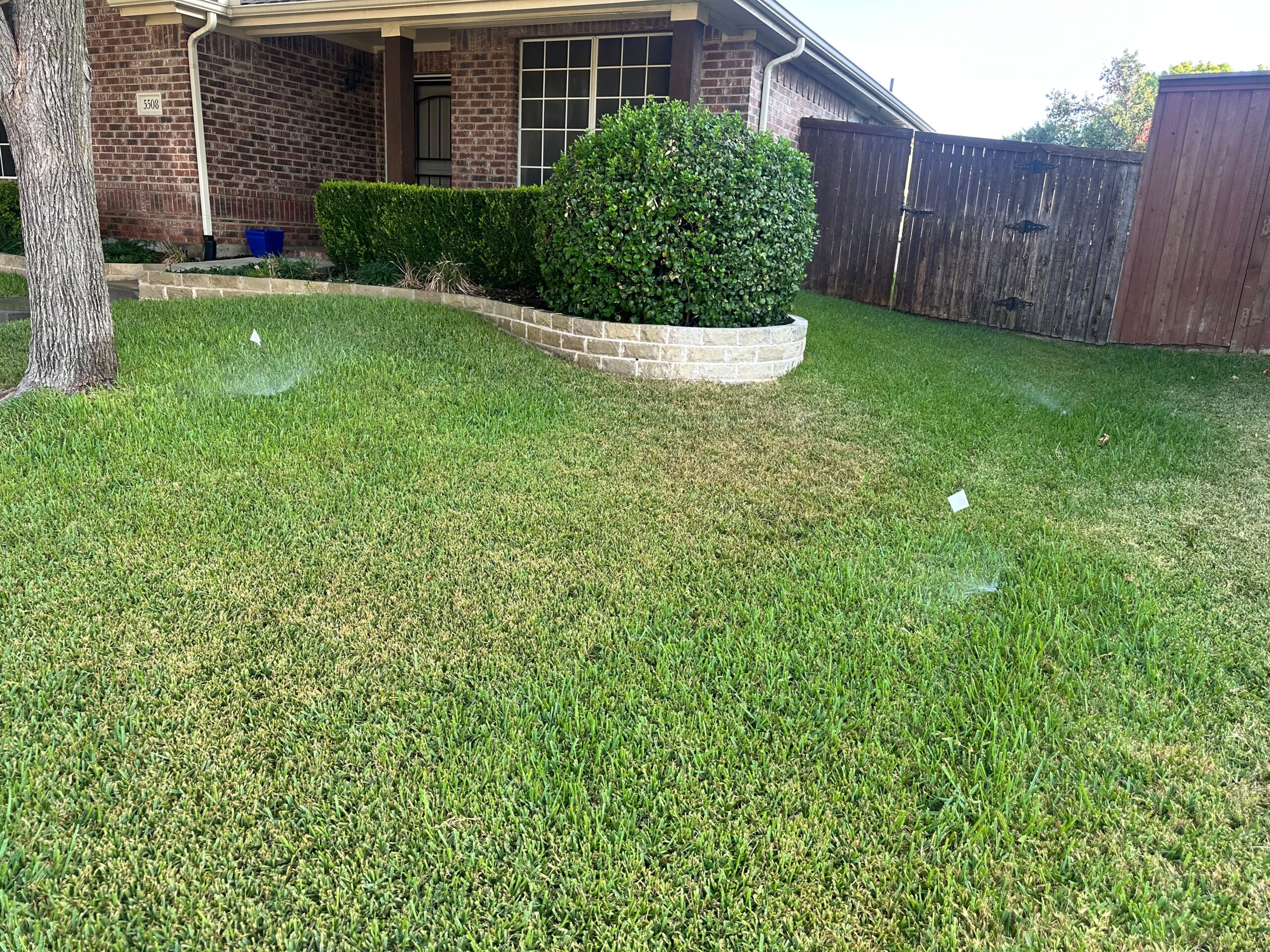
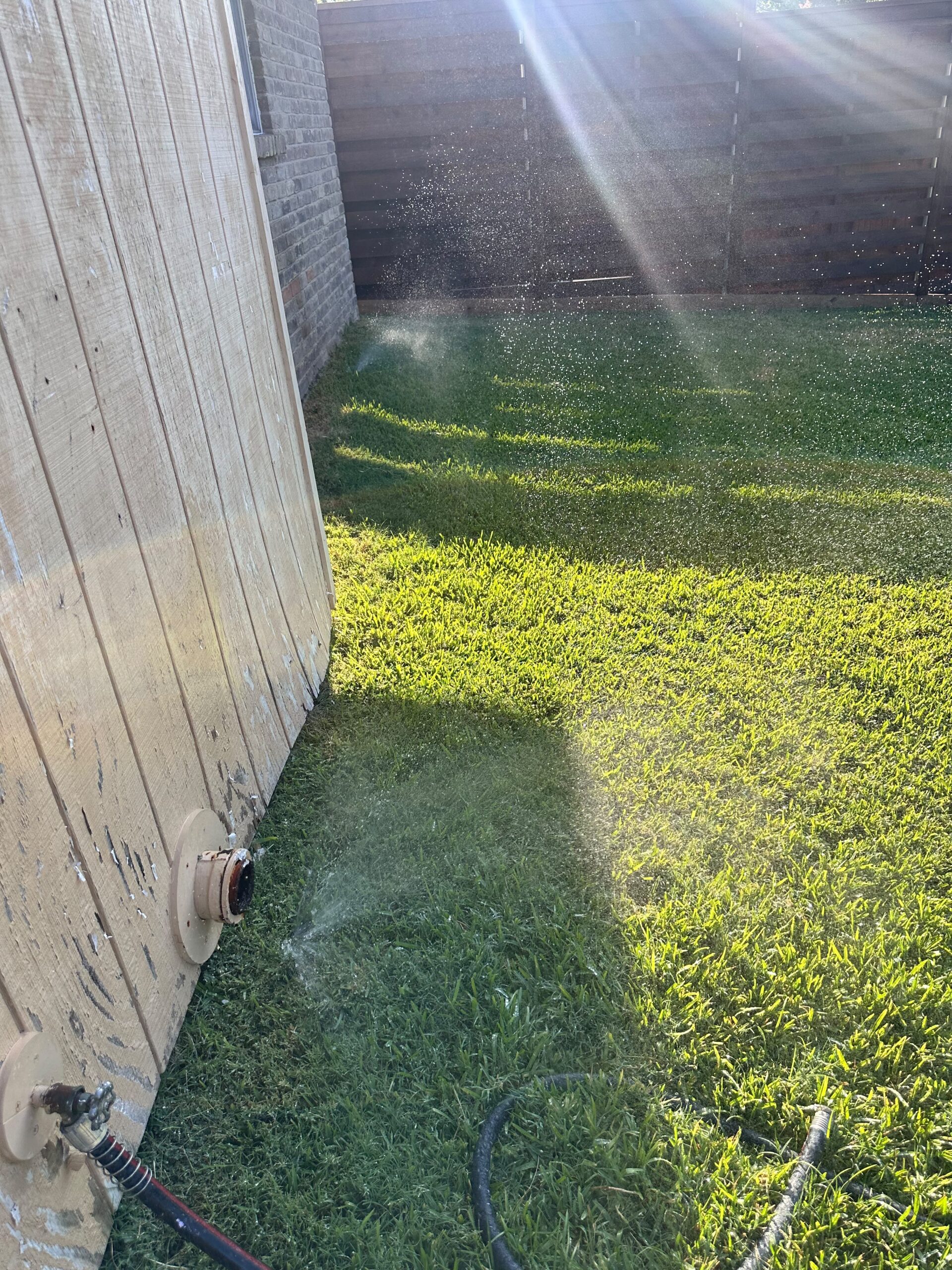
Installing a drip irrigation system in Anna TX is an effective strategy for maintaining a healthy, water-efficient landscape. This system provides precise watering to plants’ root zones, minimizing water waste while promoting stronger growth, healthier plants, and lower utility bills. In areas like Anna TX, where temperatures can fluctuate and water conservation is essential, drip irrigation has become a preferred choice for homeowners, commercial properties, and community gardens alike.
What is Drip Irrigation?
Drip irrigation is a highly efficient method of delivering water directly to the soil at a slow and controlled rate through a network of tubing, emitters, and valves, making it ideal for conserving water while supporting healthy plant growth. Unlike traditional sprinkler systems that spray water over a wide area, drip systems focus on delivering moisture precisely where it is needed—typically at the base of plants—ensuring minimal waste. This targeted approach significantly reduces evaporation, prevents unnecessary runoff, and helps maintain consistent soil moisture levels that promote deeper root development. As a result, plants receive a steady supply of water, improving their overall health while reducing water bills and supporting more sustainable landscaping practices.
Learn more about the benefits of drip irrigation and how it can transform your gardening practices.
Benefits of a Drip Irrigation System in Anna TX
1. Water Conservation
One of the most significant advantages of a drip irrigation system in Anna TX is its ability to conserve water. By delivering water directly to plant roots, drip irrigation minimizes evaporation and runoff, making it far more efficient than sprinklers. This is especially important in Texas, where drought conditions can occur, and water conservation is increasingly mandated.
2. Reduced Weed Growth
Because water is applied directly to the plant roots, surrounding areas remain dry. This limits weed germination and growth, reducing the need for chemical herbicides or manual weeding.
3. Enhanced Plant Health
Drip irrigation ensures that plants receive consistent moisture without waterlogging the soil, which can cause root rot and fungal diseases. Over time, this results in stronger, healthier plants that produce better yields, whether you’re growing ornamental plants, vegetables, or fruit trees.
4. Cost Efficiency
While the initial investment for a drip irrigation system may seem higher than traditional sprinklers, the long-term savings on water bills, reduced maintenance, and healthier plants make it a financially smart choice. Additionally, some regions in Texas offer rebates or incentives for installing water-efficient irrigation systems.
Explore Texas water efficiency programs for more information.
Components of a Drip Irrigation System
A well-designed drip irrigation system typically includes:
- Mainline Tubing: Delivers water from the source to different zones.
- Emitters: Control the flow of water to individual plants.
- Filters: Prevent clogging of tubing and emitters.
- Pressure Regulators: Ensure water pressure remains consistent to avoid system damage.
- Timers or Controllers: Automate watering schedules for maximum efficiency.
Each component plays a crucial role in ensuring the system functions properly and delivers optimal results. Regular maintenance, such as checking emitters and flushing lines, is necessary to sustain efficiency.
Designing a Drip Irrigation System for Your Property
When designing a drip irrigation system in Anna TX, several factors must be considered:
Plant Type and Layout
Different plants have varying water needs, so carefully mapping your garden layout is essential for efficient irrigation planning and consistent plant health. Grouping plants based on their water requirements allows you to deliver the right amount of moisture to each area, preventing overwatering or underwatering while improving overall landscape balance and long-term sustainability.
Soil Type
Soil type plays a crucial role in how water is absorbed and retained, directly affecting irrigation efficiency and plant health. Sandy soils drain quickly and require more frequent watering, while clay soils hold moisture longer and need less frequent application, making it important to adjust your watering schedule to match soil conditions.
Water Pressure
Drip irrigation systems operate best under lower water pressure compared to traditional sprinklers, making proper pressure regulation an important factor in system performance. Installing pressure regulators helps maintain consistent flow, prevents damage to tubing and emitters, and ensures water is distributed evenly across all plants for optimal efficiency.
Zoning
Zoning involves grouping plants with similar water needs into separate irrigation areas, allowing for more precise and efficient watering throughout your landscape. This approach reduces water waste, supports healthier plant growth, and makes it easier to manage irrigation schedules, ensuring each zone receives the appropriate level of moisture.
A well-planned system ensures that every plant receives the right amount of water, which prevents overwatering and promotes healthy growth.
Check out landscape design tips to complement your irrigation system.
Installation Process
Installing a drip irrigation system involves several steps:
- Planning: Determine your garden’s layout, plant types, and water source.
- Trenching or Surface Layout: Lay mainline tubing along planned zones.
- Emitter Placement: Position emitters near plant root zones.
- Connect Components: Attach filters, regulators, and controllers.
- Testing: Run the system to ensure even water distribution and check for leaks.
Professional installation is recommended for large properties or complex landscapes to guarantee optimal performance.
Maintenance Tips
Proper maintenance is critical to the long-term success of a drip irrigation system:
- Inspect tubing for leaks or clogs monthly.
- Flush the system at least twice a year to remove sediment.
- Replace damaged emitters promptly.
- Adjust watering schedules seasonally based on rainfall and temperature.
Following these maintenance routines ensures that your system continues to deliver water efficiently and supports healthy plant growth year-round.
Advantages Over Traditional Sprinkler Systems
Compared to conventional sprinklers, drip irrigation offers numerous advantages:
- Precision Watering: Delivers water exactly where needed by targeting the root zone of each plant, ensuring efficient moisture absorption, reducing waste, and promoting healthier growth while maintaining optimal soil conditions throughout your landscape.
- Reduced Evaporation: Minimizes water loss by applying moisture directly to the soil rather than spraying it into the air, making it far more efficient than overhead sprinklers, especially in hot and windy conditions.
- Healthier Plants: Provides consistent moisture levels without overwatering, helping plants develop stronger root systems, preventing stress, and reducing the risk of diseases commonly caused by uneven or excessive watering practices.
- Flexibility: Can be customized for different plant types and landscape layouts, allowing precise adjustments in water flow and placement, making it suitable for gardens, lawns, flower beds, and various irrigation needs.
These advantages make drip irrigation a superior choice for homeowners and commercial properties alike in Anna TX.
Sustainability and Environmental Impact
Drip irrigation supports sustainable landscaping by significantly reducing water consumption, minimizing soil erosion, and decreasing chemical runoff that can harm surrounding ecosystems. By delivering water directly to the root zone, it ensures plants receive the right amount of moisture without excess waste, which helps maintain soil structure and prevents valuable nutrients from washing away. When combined with native and drought-tolerant plants, drip systems become even more effective, as these plants naturally require less water and adapt better to local climate conditions. This thoughtful approach not only conserves resources but also promotes healthier plant growth and biodiversity. As a result, drip irrigation serves as an eco-friendly solution for both private gardens and public spaces seeking long-term sustainability.
Conclusion
A drip irrigation system in Anna TX is an excellent investment for anyone seeking water efficiency, cost savings, and healthier plants. For reliable installation, maintenance, and repair services, contact Whale Done Sprinklers & Irrigation at +1(469) 384-7767 or via email at clientsupport@callwhaledone.com. Their professional team ensures that your irrigation system performs optimally, keeping your garden lush and sustainable all year round.