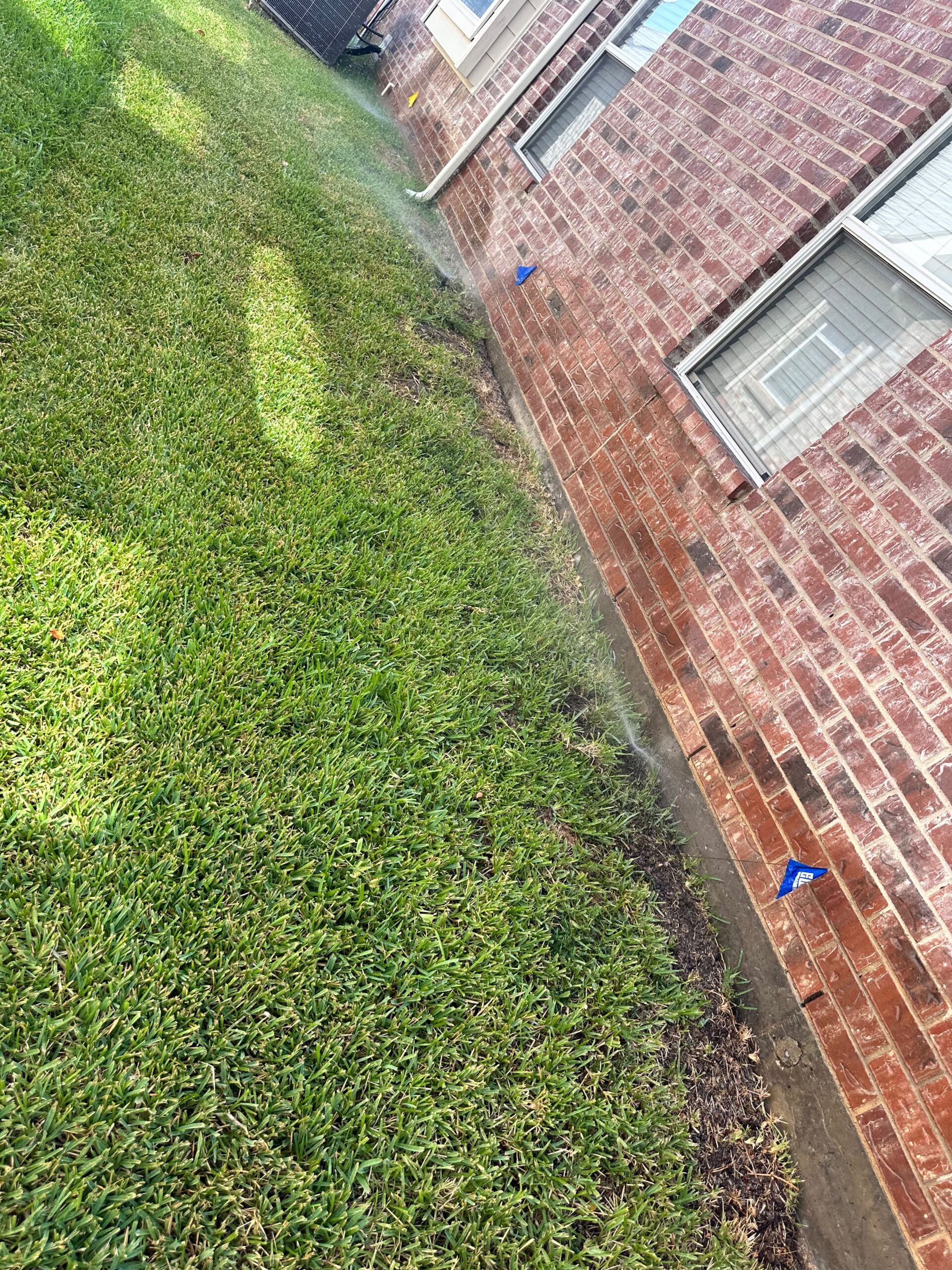
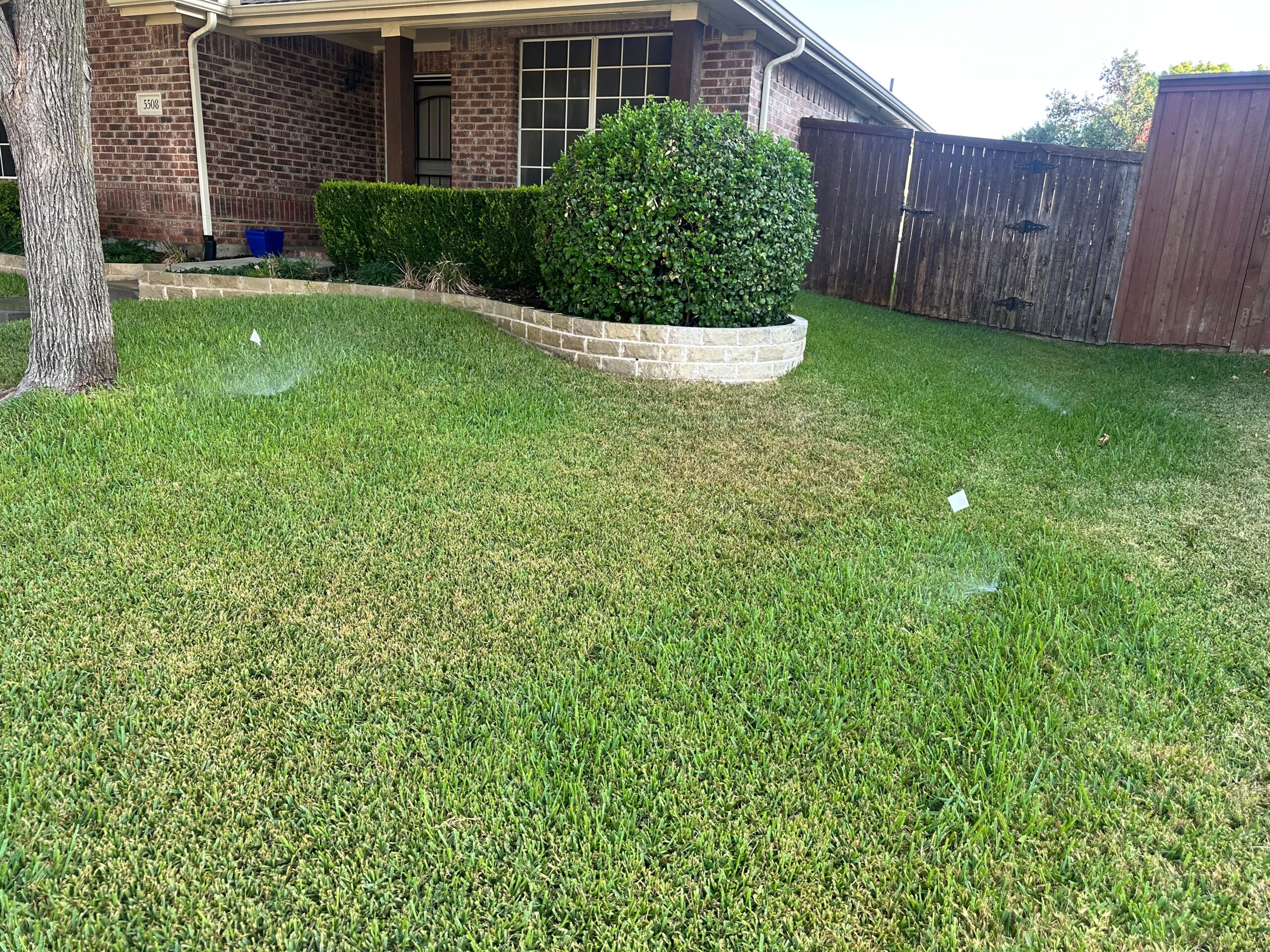
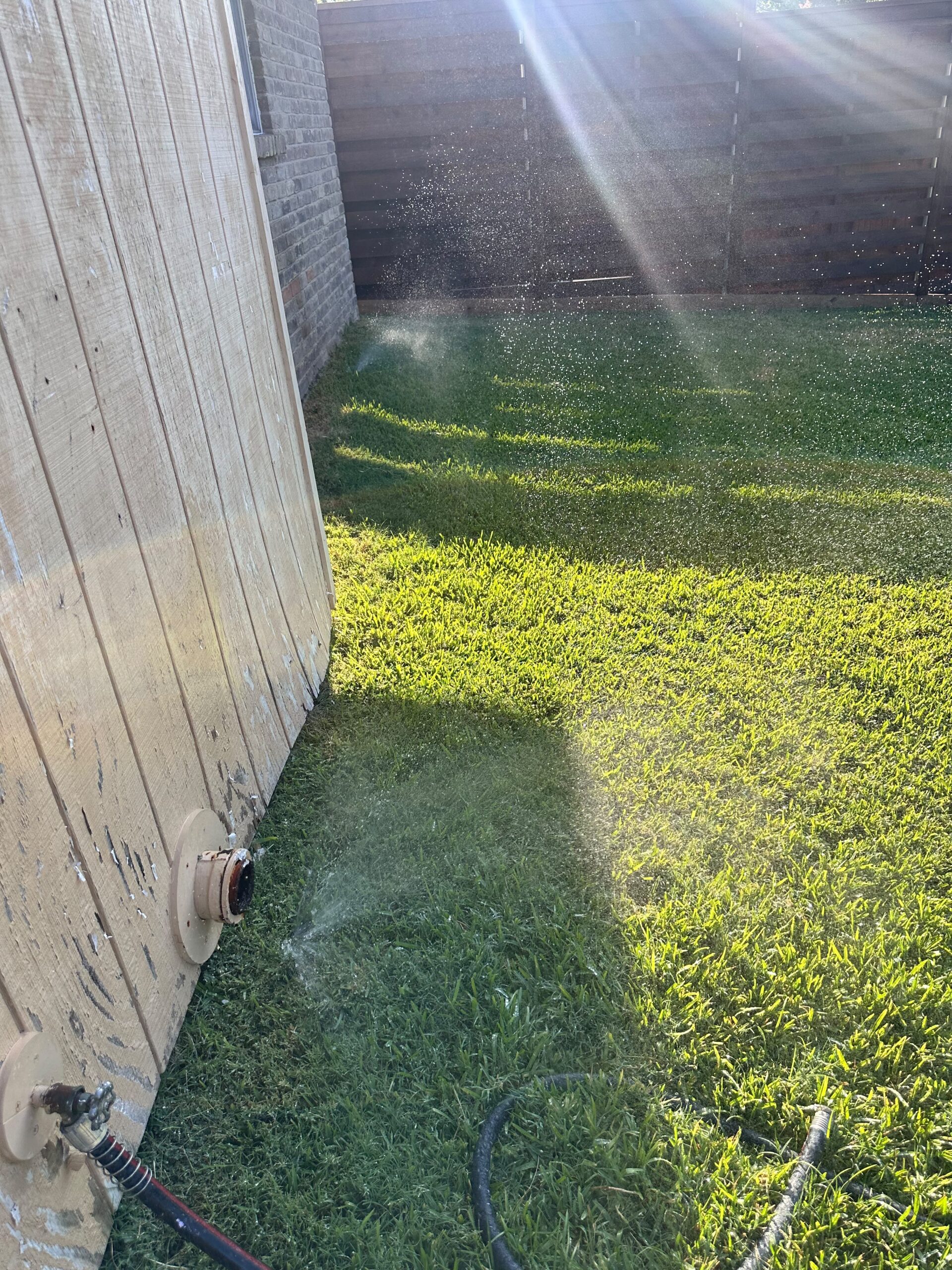
A sprinklers inspection in McKinney TX is one of the most effective ways homeowners can prepare their irrigation system before the watering season begins. While turning on your sprinklers may seem as simple as adjusting the controller, hidden issues such as damaged sprinkler heads, underground leaks, wiring problems, clogged nozzles, or incorrect watering schedules can quietly reduce your system’s performance and increase water waste. Taking time to inspect your irrigation system before regular use helps ensure your lawn receives even coverage while avoiding unnecessary repairs and higher utility bills.
For homeowners in McKinney, where seasonal weather changes can affect irrigation equipment throughout the year, routine inspections offer peace of mind. Whether your sprinkler system has been idle during colder months or has been operating continuously through changing weather, a comprehensive inspection allows you to identify small problems before they become expensive ones.
Why Seasonal Sprinklers Inspection in Mckinney TX Are Important
An irrigation system consists of numerous components working together. A single malfunctioning sprinkler head or leaking valve can reduce the efficiency of the entire system.
Before running your sprinklers regularly, homeowners should evaluate every major component to verify that water is flowing properly, pressure remains balanced, and every zone performs as intended.
Seasonal inspections can help:
- Detect hidden water leaks
- Improve watering efficiency
- Prevent landscape damage
- Reduce water waste
- Extend irrigation system lifespan
- Lower unexpected repair costs
Many irrigation issues develop gradually, making them difficult to notice until significant lawn damage appears. Routine inspections help identify these concerns early.
Begin With A Visual Walkaround
Before activating your sprinkler system, take time to walk around your entire property and inspect the irrigation system for visible signs of damage. Look for broken sprinkler heads, leaning spray heads, missing nozzles, exposed pipes, damaged valve boxes, soil erosion, or areas where the grass appears consistently wet, as these can indicate underlying issues.
Damage commonly occurs due to lawn mowing, landscaping work, heavy rainfall, or shifting soil over time. Also, check whether any sprinkler heads have settled below ground level, as they may need to be raised or adjusted to ensure proper spray coverage and efficient watering.
Inspect Every Sprinkler Head
Sprinkler heads are among the most frequently damaged parts of any irrigation system and should be carefully inspected before regular watering begins. Over time, they can become cracked, clogged with dirt or debris, misaligned, stuck in place, or damaged by lawn equipment such as mowers and trimmers. Turn on each irrigation zone individually and observe every sprinkler head while it operates.
Watch for water spraying onto sidewalks or fences, uneven spray patterns, weak water streams, heads that fail to pop up properly, or those that remain extended after the system shuts off. Every sprinkler should provide even coverage without excessive overspray to maximize watering efficiency and conserve water.
Check For Hidden Underground Leaks
Underground irrigation leaks often remain unnoticed because the damaged pipe stays below the surface.
Warning signs include:
- Constantly wet soil
- Sinking ground
- Greener patches of grass
- Unexpected increases in water bills
- Reduced sprinkler pressure
Running each irrigation zone separately makes these issues easier to detect.
The EPA WaterSense program recommends addressing irrigation leaks promptly since even small leaks can waste significant amounts of water over time.
Evaluate Water Pressure
Proper water pressure plays a vital role in keeping your irrigation system operating efficiently and ensuring your lawn receives consistent watering. When water pressure is too low, sprinkler heads may not spray far enough, resulting in uneven coverage and dry areas across your landscape. On the other hand, excessive water pressure can create fine mist that drifts away in the wind, damage sprinkler heads, and cause unnecessary wear on irrigation components over time. As each irrigation zone operates, observe whether every sprinkler head produces a steady, uniform spray pattern throughout the watering cycle. Inconsistent pressure may indicate underlying mechanical problems, valve issues, or plumbing concerns that should be addressed promptly.
Test Every Irrigation Zone
Many homeowners only verify that the sprinkler controller activates.
Instead, each irrigation zone should be tested individually.
Watch for:
- Zones that fail to start
- Zones that continue running
- Delayed valve operation
- Inconsistent watering patterns
- Partial zone coverage
Zone testing confirms that every valve, wire, and controller command functions correctly.
Problems affecting only one zone often indicate electrical or valve issues rather than system-wide failures.
Inspect The Controller Settings
Modern irrigation controllers provide many programming options, but settings can become outdated after weather changes or power interruptions.
Review:
- Current date
- Current time
- Start times
- Watering duration
- Active days
- Seasonal adjustments
Incorrect programming can easily lead to overwatering or underwatering.
The Texas A&M AgriLife Extension encourages homeowners to adjust irrigation schedules based on weather conditions instead of relying on fixed year-round schedules.
Make Sure Rain Sensors Work Properly
Rain sensors prevent irrigation systems from operating during or immediately after rainfall.
If the sensor fails, sprinklers may continue watering despite adequate natural moisture.
Test the sensor according to manufacturer instructions to verify it pauses irrigation when activated.
A properly functioning rain sensor helps reduce unnecessary water use while supporting healthier landscapes.
Look For Clogged Nozzles
Mineral deposits, sand, dirt, and debris gradually accumulate inside sprinkler nozzles.
Clogged nozzles often produce:
- Uneven spray
- Narrow streams
- Dry patches
- Reduced coverage
Cleaning or replacing clogged nozzles restores consistent water distribution.
Avoid using sharp objects that may permanently enlarge nozzle openings.
Verify Spray Coverage
Coverage is just as important as water pressure.
Observe whether sprinkler patterns overlap correctly.
Poor coverage often creates:
- Brown spots
- Oversaturated areas
- Dry edges
- Water runoff
Proper spacing ensures every section of your lawn receives adequate moisture without excessive watering.
Head-to-head coverage remains one of the most effective irrigation design principles.
Check Valve Boxes
Valve boxes protect critical irrigation components beneath the surface.
Open each valve box carefully and inspect for:
- Standing water
- Cracked fittings
- Insect nests
- Broken wires
- Mud accumulation
Water inside a valve box may indicate an underground leak requiring further investigation.
Keeping valve boxes clean also makes future maintenance easier.
Inspect Backflow Prevention Devices
Backflow prevention protects household drinking water from contamination.
Look for:
- Visible leaks
- Corrosion
- Cracked fittings
- Loose connections
These devices should remain accessible and protected from physical damage throughout the year.
The Irrigation Association recommends regular inspection of backflow assemblies as part of routine irrigation maintenance.
Examine Irrigation Pipes
Although most irrigation piping remains underground, exposed sections near valves or equipment deserve attention.
Inspect for:
- Cracks
- Loose fittings
- Signs of freezing damage
- Corrosion
- Soil movement
Even small pipe damage can gradually develop into significant underground leaks if left untreated.
Watch For Drainage Problems
An irrigation system cannot compensate for poor drainage.
While running each zone, observe how water behaves after reaching the soil.
Signs of drainage concerns include:
- Water pooling
- Runoff across sidewalks
- Standing puddles
- Soil erosion
Adjusting watering duration may reduce runoff, but drainage improvements may also be necessary in certain areas.
Evaluate Lawn Health During Inspection
Your lawn often reveals irrigation problems before the equipment does.
Pay attention to:
- Brown patches
- Thin grass
- Mushy soil
- Fungal growth
- Uneven grass color
Patterns within the lawn frequently correspond to sprinkler coverage issues.
Consistent observation helps identify developing irrigation concerns before they spread.
Don’t Forget Drip Irrigation Components
If your landscape includes flower beds, shrubs, or gardens, inspect every drip irrigation line.
Check for:
- Cracked tubing
- Loose emitters
- Clogged emitters
- Animal damage
- Sun-damaged tubing
Drip irrigation systems require routine inspections just as traditional sprinkler systems do.
Even small leaks can significantly reduce watering efficiency over time.
Inspect Wiring Connections
Electrical components are often overlooked until the irrigation controller displays an error or a sprinkler zone fails to operate correctly. As part of a routine inspection, carefully examine all visible wiring for signs of rodent damage, loose connections, corrosion, or damaged insulation, as these issues can interrupt communication between the controller and irrigation valves. Even minor wiring problems may lead to inconsistent watering, valves that fail to open or close, or complete system malfunctions.
Addressing electrical concerns early helps prevent unexpected irrigation failures and costly repairs. Maintaining healthy, secure wiring throughout the system ensures reliable performance, accurate zone activation, and efficient operation whenever your sprinkler system is in use.
Observe Sprinkler Operation Through A Full Cycle
Rather than shutting the system off after only a few minutes, allow each zone to complete its full watering cycle.
Extended observation helps reveal:
- Slow leaks
- Valve failures
- Pressure fluctuations
- Drainage issues
- Sprinkler heads sticking after operation
Some problems only appear after several minutes of continuous watering.
Completing a full cycle provides a more accurate picture of overall irrigation performance.
Consider Water Conservation During Every Inspection
Efficient irrigation benefits both your lawn and your monthly water expenses.
Simple adjustments can greatly improve water efficiency, including:
- Straightening sprinkler heads
- Cleaning clogged nozzles
- Repairing leaks quickly
- Updating controller schedules
- Eliminating overspray
- Replacing worn components
The Sprinkler Warehouse resource library also provides educational information about irrigation components and maintenance best practices that homeowners may find helpful.
Create A Regular Inspection Routine
Waiting until visible lawn damage appears often means irrigation problems have already progressed.
Instead, develop a regular inspection schedule that includes:
- Early spring startup inspection
- Mid-summer performance check
- Late-season inspection
- Post-landscaping inspection
- Inspection after severe storms
Routine evaluations reduce the likelihood of unexpected breakdowns while helping your irrigation system operate more efficiently throughout the year.
Maintaining written records of repairs, adjustments, and component replacements also helps identify recurring issues and simplifies future maintenance planning.
Conclusion
A sprinklers inspection in McKinney TX is one of the smartest preventive steps homeowners can take before running their irrigation system. By checking sprinkler heads, valves, controllers, water pressure, drainage, and overall system performance, you can reduce water waste, improve lawn health, and catch minor issues before they become costly repairs.
If you would like a professional sprinklers inspection in McKinney TX, contact Whale Done Sprinklers & Irrigation for expert service and dependable irrigation solutions.
Phone: +1 (469) 384-7767
Email: clientsupport@callwhaledone.com