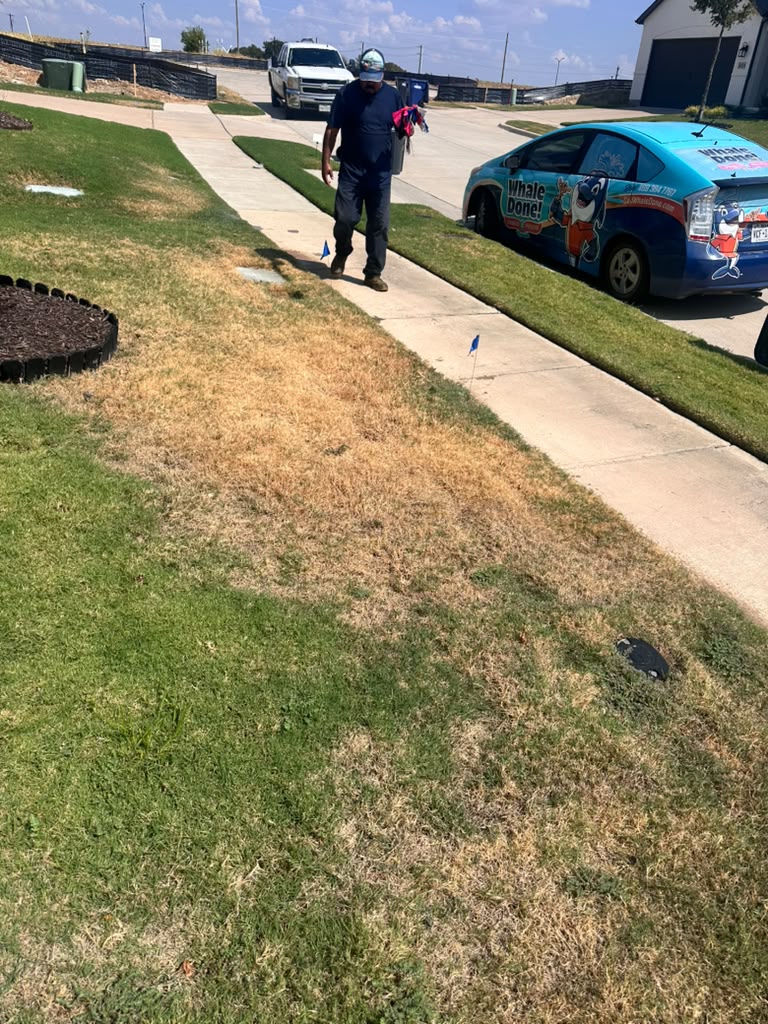
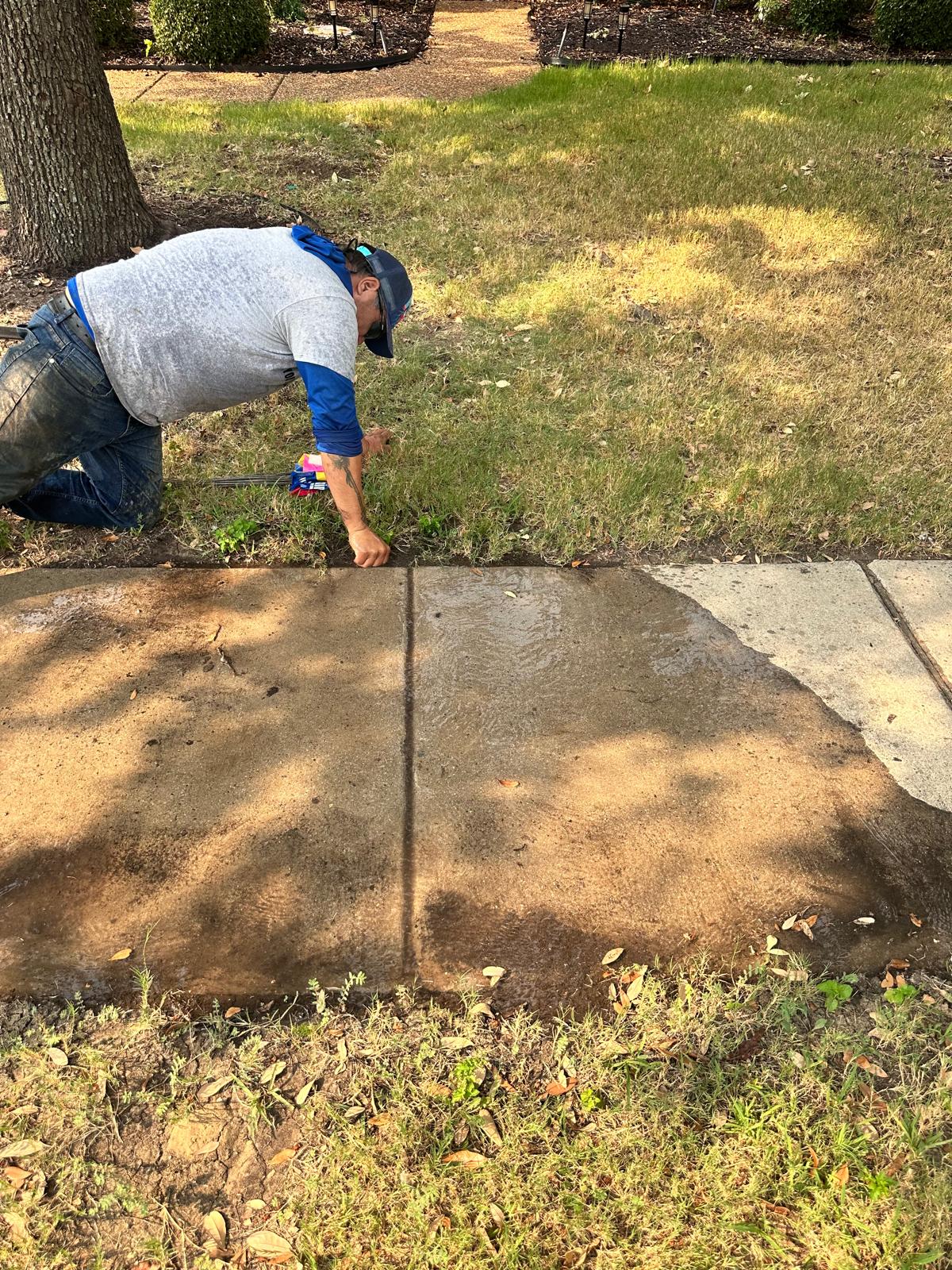
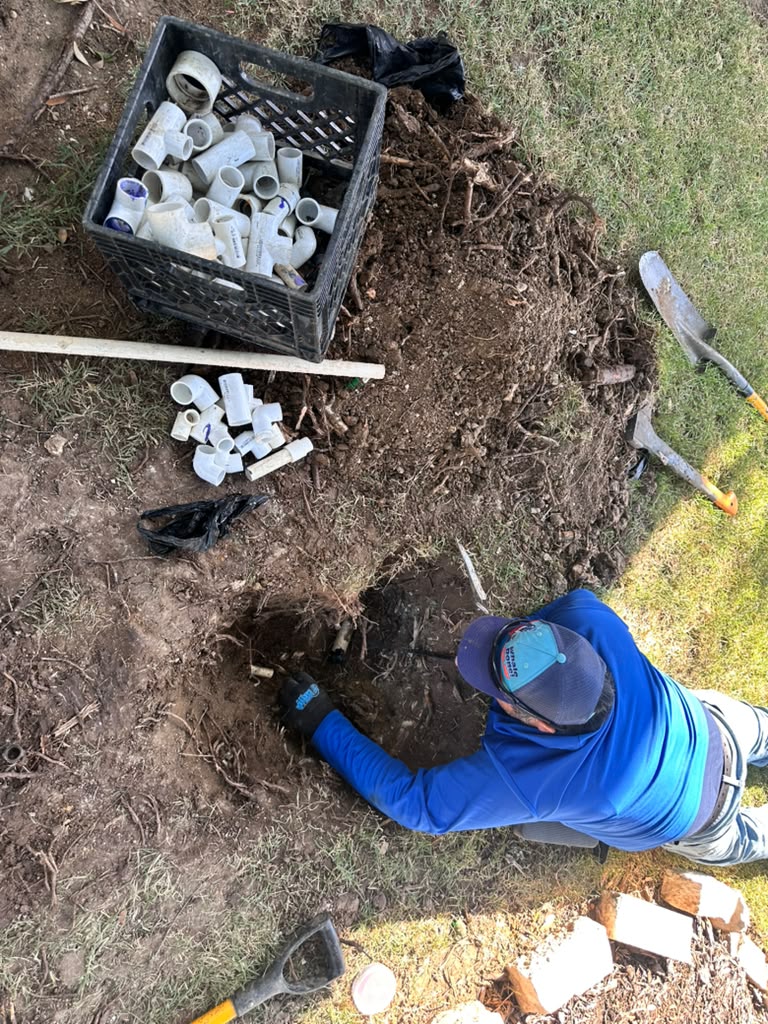
Irrigation system leaks in Celina TX are becoming a growing concern for homeowners who want to maintain healthy landscapes while controlling water costs. In a rapidly developing area like Celina TX, where residential irrigation systems are widely used, even a small leak can lead to significant water waste, property damage, and higher utility bills.
This guide explains everything you need to know about irrigation leaks, including their causes, warning signs, detection methods, repair solutions, and long-term prevention strategies tailored for homeowners in Celina TX.
Understanding Irrigation System Leaks
An irrigation system is designed to distribute water evenly across lawns, gardens, and landscaped areas. However, when any part of the system becomes damaged or worn out, leaks can occur underground or above the surface.
These systems typically include:
- Pipes and tubing
- Sprinkler heads
- Valves and controllers
- Backflow preventers
Even a minor defect in any of these components can lead to continuous water loss.
Reliable water management practices promoted by the EPA WaterSense Program highlight how small irrigation inefficiencies can waste thousands of gallons annually if left unaddressed.
Common Causes of Irrigation System Leaks in Celina TX
Understanding the root causes of leaks helps homeowners prevent recurring issues. In Celina TX, several environmental and mechanical factors contribute to irrigation system damage.
1. Soil Movement and Settling
The soil in North Texas is known for expanding and contracting as moisture levels change throughout the year. This constant movement can place stress on underground irrigation components, causing pipes to crack, separate, or shift out of alignment. Over time, these issues can result in hidden leaks and reduced system efficiency.
2. Aging Irrigation Components
As irrigation systems age, their components naturally experience wear and tear. Rubber seals can become brittle, valves may lose effectiveness, pipes can weaken, and sprinkler heads may deteriorate. These aging parts are more likely to develop leaks, reducing system performance and increasing water waste if not replaced promptly.
3. Improper Installation
An irrigation system that is not installed correctly may encounter problems much sooner than expected. Poor pipe connections, incorrect sprinkler placement, inadequate support, or the use of substandard materials can create weak points within the system. These flaws often lead to leaks, uneven watering, and costly repairs over time.
4. High Water Pressure
Excessive water pressure can place significant strain on irrigation systems, especially on pipes, fittings, valves, and sprinkler heads. Continuous exposure to pressure levels beyond system specifications can cause components to crack, loosen, or burst. Managing water pressure properly helps extend system life and reduce leak-related issues.
5. Seasonal Weather Changes
Seasonal weather fluctuations can have a major impact on irrigation systems. Freezing temperatures may cause water inside pipes to expand, while extreme summer heat can weaken materials over time. These repeated expansion and contraction cycles can create cracks, loosen connections, and increase the likelihood of leaks developing.
According to research from the USGS Water Use Data, outdoor irrigation accounts for a significant portion of residential water consumption, making leak prevention essential for sustainability.
Warning Signs of Irrigation System Leaks
Detecting leaks early can prevent expensive repairs and water waste. Homeowners in Celina TX should watch for the following indicators:
- Unusually High Water Bills: A sudden spike in water usage often signals hidden leaks.
- Soggy or Overly Green Patches: Areas of the lawn that are excessively wet may indicate underground pipe leakage.
- Low Water Pressure: Reduced sprinkler performance can be a sign of system damage.
- Visible Water Pooling: Water collecting around sprinkler heads or along pathways suggests surface leaks.
- System Cycling Issues: Irregular irrigation schedules or malfunctioning zones may indicate valve problems.
Recognizing these signs early allows homeowners to take action before the problem escalates.
How Irrigation System Leaks Are Diagnosed
Professional irrigation technicians use several methods to identify leaks accurately without unnecessary excavation.
Pressure Testing
Pressure testing is a reliable method used to identify leaks within an irrigation system. Technicians isolate specific sections of the system and measure pressure levels to determine where water may be escaping. A noticeable pressure drop often indicates a hidden leak that requires further inspection and prompt repair.
Visual Inspection
A thorough visual inspection helps identify obvious signs of irrigation system damage. Technicians carefully examine sprinkler heads, valves, fittings, and exposed pipes for cracks, wear, misalignment, or water accumulation. This process can quickly reveal issues that may be contributing to leaks, poor performance, or water waste.
Soil Moisture Analysis
Soil moisture analysis helps locate underground leaks that may not be visible from the surface. By checking moisture levels in different areas of the landscape, technicians can identify unusually wet spots. These patterns often indicate hidden pipe damage or leaks that require professional attention and repair.
Advanced Leak Detection Tools
Modern leak detection equipment enables specialists to locate irrigation leaks accurately while minimizing disruption to the landscape. Acoustic sensors, electronic detection devices, and other advanced tools help pinpoint hidden leaks beneath the ground. This technology reduces unnecessary digging and allows for faster, more efficient repairs.
Impact of Ignoring Irrigation System Leaks
Ignoring irrigation system leaks in Celina TX can lead to several serious consequences:
- Increased Water Bills: Even small leaks can waste thousands of gallons per month.
- Landscape Damage: Overwatering certain areas while starving others can harm plant health.
- Structural Issues: Underground leaks can weaken soil and damage nearby structures.
- Environmental Waste: Uncontrolled water loss contributes to unnecessary strain on local water resources.
Long-term inefficiency not only affects homeowners financially but also impacts the broader community.
Effective Repair Solutions
Fixing irrigation system leaks depends on the severity and location of the problem.
Pipe Repair or Replacement
Damaged irrigation pipes can develop cracks, holes, or weak connections that allow water to escape underground. Depending on the severity of the damage, technicians may seal minor leaks or replace entire sections of piping. This process helps restore system efficiency, prevent water waste, and maintain consistent irrigation performance.
Sprinkler Head Adjustment
Sprinkler heads that are misaligned, damaged, clogged, or worn out can lead to uneven watering and unnecessary water loss. Professional adjustment ensures proper spray direction and coverage, while replacement of broken components improves performance. Upgrading older sprinkler heads can also increase efficiency and provide better overall irrigation results.
Valve Replacement
Valves play a critical role in controlling water flow throughout an irrigation system. When valves become worn, damaged, or fail to operate correctly, leaks and pressure issues can occur. Replacing faulty valves restores proper system function, improves reliability, reduces water waste, and supports efficient landscape irrigation.
System Recalibration
Over time, irrigation systems may require recalibration to account for changes in landscape conditions, water pressure, and seasonal watering needs. Adjusting sprinkler timing, pressure levels, and watering schedules helps ensure even water distribution. Proper calibration improves efficiency, conserves water, promotes healthier plants, and reduces unnecessary runoff.
In some cases, upgrading older systems may be more cost-effective than repeated repairs.
Preventing Future Irrigation System Leaks
Preventive maintenance is the best way to avoid recurring issues.
Regular Inspections
Inspecting your irrigation system every few months is one of the best ways to prevent major problems. Routine checks can reveal worn components, minor leaks, clogged sprinkler heads, or pressure issues before they become costly repairs, helping maintain efficient water distribution and system performance.
Seasonal Adjustments
Weather conditions in Celina TX change throughout the year, affecting how much water your landscape needs. Adjusting irrigation schedules seasonally helps prevent overwatering during cooler months and ensures adequate moisture during hot periods, improving water conservation while keeping plants healthy and thriving.
Installing Pressure Regulators
Pressure regulators help maintain consistent and safe water pressure throughout an irrigation system. Excessive pressure can damage sprinkler heads, pipes, fittings, and valves, leading to leaks and premature wear. Installing a regulator helps extend system life while improving efficiency and overall irrigation performance.
Using Smart Irrigation Controllers
Smart irrigation controllers use weather data, soil conditions, and seasonal changes to automatically adjust watering schedules. These advanced systems help reduce water waste, improve landscape health, and eliminate unnecessary irrigation. By delivering the right amount of water, they promote long-term efficiency and cost savings.
Advanced water conservation techniques supported by the Texas Water Development Board encourage efficient irrigation practices across Texas communities.
Why Professional Maintenance Matters in Celina TX
While some minor irrigation issues can be handled by homeowners, professional maintenance ensures long-term system reliability. Technicians understand local soil conditions, climate patterns, and system designs specific to Celina TX.
Professional services also help:
- Extend system lifespan
- Improve water efficiency
- Reduce repair costs
- Ensure even landscape coverage
Routine servicing ensures your irrigation system performs optimally year-round.
Long-Term Water Efficiency in Celina TX
Water conservation is becoming increasingly important as communities grow. Properly maintained irrigation systems help reduce unnecessary water waste while keeping landscapes healthy.
Best practices include:
- Monitoring water usage monthly
- Upgrading outdated irrigation systems
- Using drought-resistant landscaping techniques
- Scheduling regular professional inspections
These steps not only reduce costs but also support sustainable water management in Celina TX.
Conclusion
Managing irrigation system leaks in Celina TX is essential for protecting your landscape, reducing water waste, and maintaining efficient outdoor watering systems. Early detection, timely repairs, and preventive maintenance can significantly reduce long-term damage and expenses.
For reliable support with irrigation system leaks in Celina TX, reach out to Whale Done Sprinklers & Irrigation at +1(469) 384-7767 or email clientsupport@callwhaledone.com for expert assistance and professional irrigation solutions tailored to your needs.