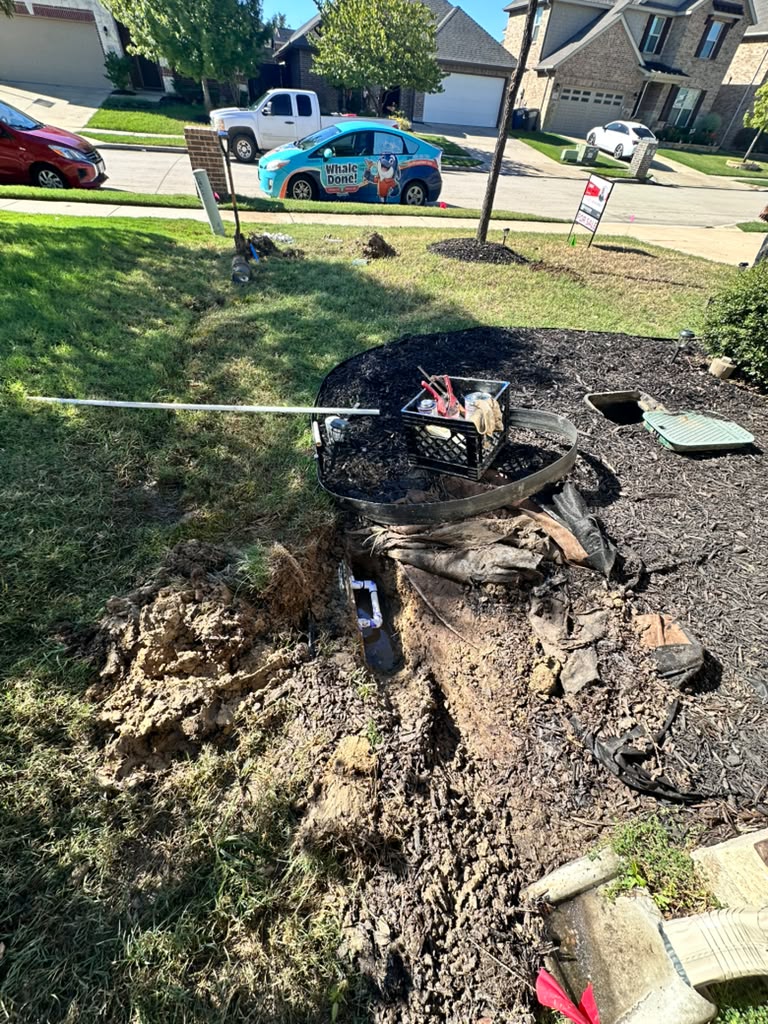
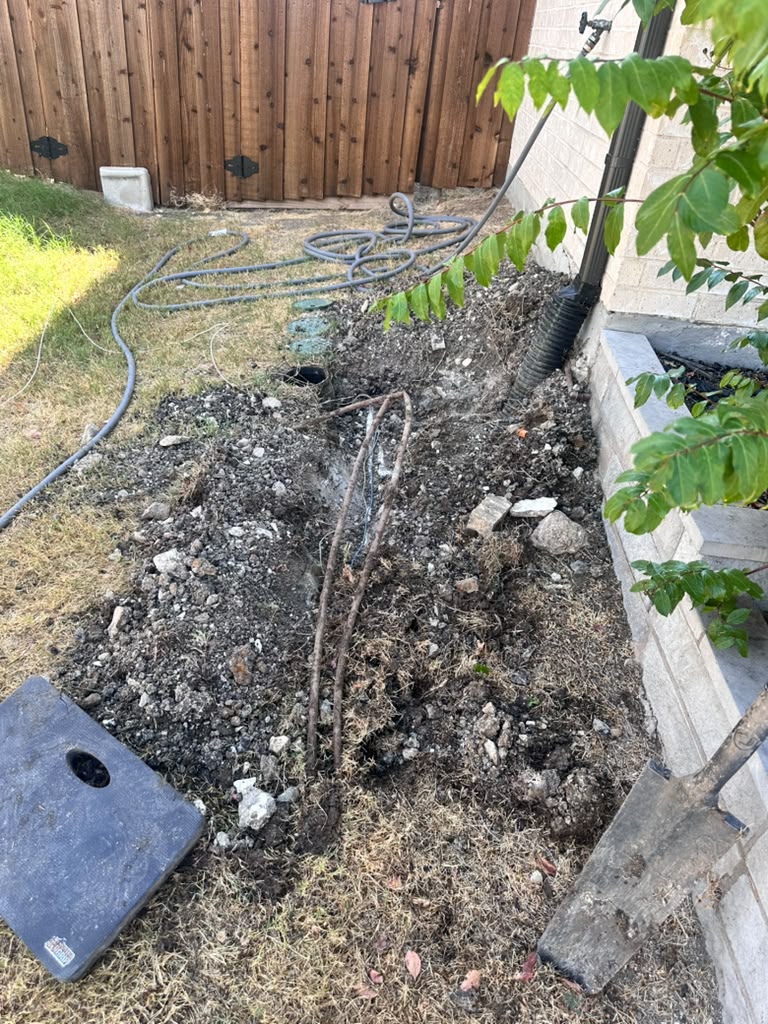
An irrigation review in McKinney TX is a complete evaluation of a sprinkler system that checks water pressure, zone coverage, valves, the controller, and the backflow preventer to confirm everything is working efficiently together. Unlike a quick repair visit that focuses on one issue, a whole-system review looks at how all the parts interact, since a problem in one area, like low pressure, can affect how every zone performs. The goal is to identify small issues before they turn into wasted water, uneven coverage, or costly repairs down the road.
At A Glance
- Difficulty: Moderate to advanced (best performed by a licensed technician)
- Estimated Time: 45–90 minutes for a full system review
- Tools Needed: Pressure gauge, multimeter, controller manual, moisture meter (professional-grade equipment)
- Works For: In-ground sprinkler systems, drip zones, and hybrid setups of any age
- May Not Solve: Municipal water pressure issues or problems originating outside the property’s water line
Why A Whole-System Irrigation Review In McKinney TX Matters
A sprinkler system is made up of many interconnected parts, and a problem in one area often shows up as a symptom somewhere else. Low water pressure at the source can look like a broken head at the far end of a zone. A failing valve can look like a controller programming error. Treating each symptom individually, without stepping back to look at the whole system, can lead to repeated repairs that never quite solve the underlying issue.
A whole-system review takes a different approach. Instead of reacting to one complaint, like a dry patch or a high water bill, it evaluates every component together to build a complete picture of how the system is actually performing. This makes it easier to catch problems that wouldn’t be obvious from a quick walk-through alone.
This kind of review is particularly useful for homeowners who’ve had the same repair done more than once without lasting results. If a head has been replaced twice in the same spot, for example, the real cause may be a pressure issue somewhere upstream that a single-repair visit wouldn’t have caught.
What Happens During A Whole-System Irrigation Review
1. Water Pressure Testing
A technician measures water pressure at the source and at individual zones. Pressure that’s too high causes misting and water waste, while pressure that’s too low leads to weak, uneven coverage.
Comparing pressure readings across zones also helps identify whether an issue is isolated to one area or affecting the whole system, which changes how the rest of the review is approached.
2. Zone-By-Zone Evaluation
Each zone is run individually to check spray patterns, coverage overlap, and head condition. This step often reveals heads that are clogged, sunk below grade, or misaligned toward hardscape instead of the lawn.
Running zones one at a time also makes it possible to compare actual coverage against the controller’s programmed run times, which sometimes reveals that a zone has been over- or under-watered for months without anyone noticing.
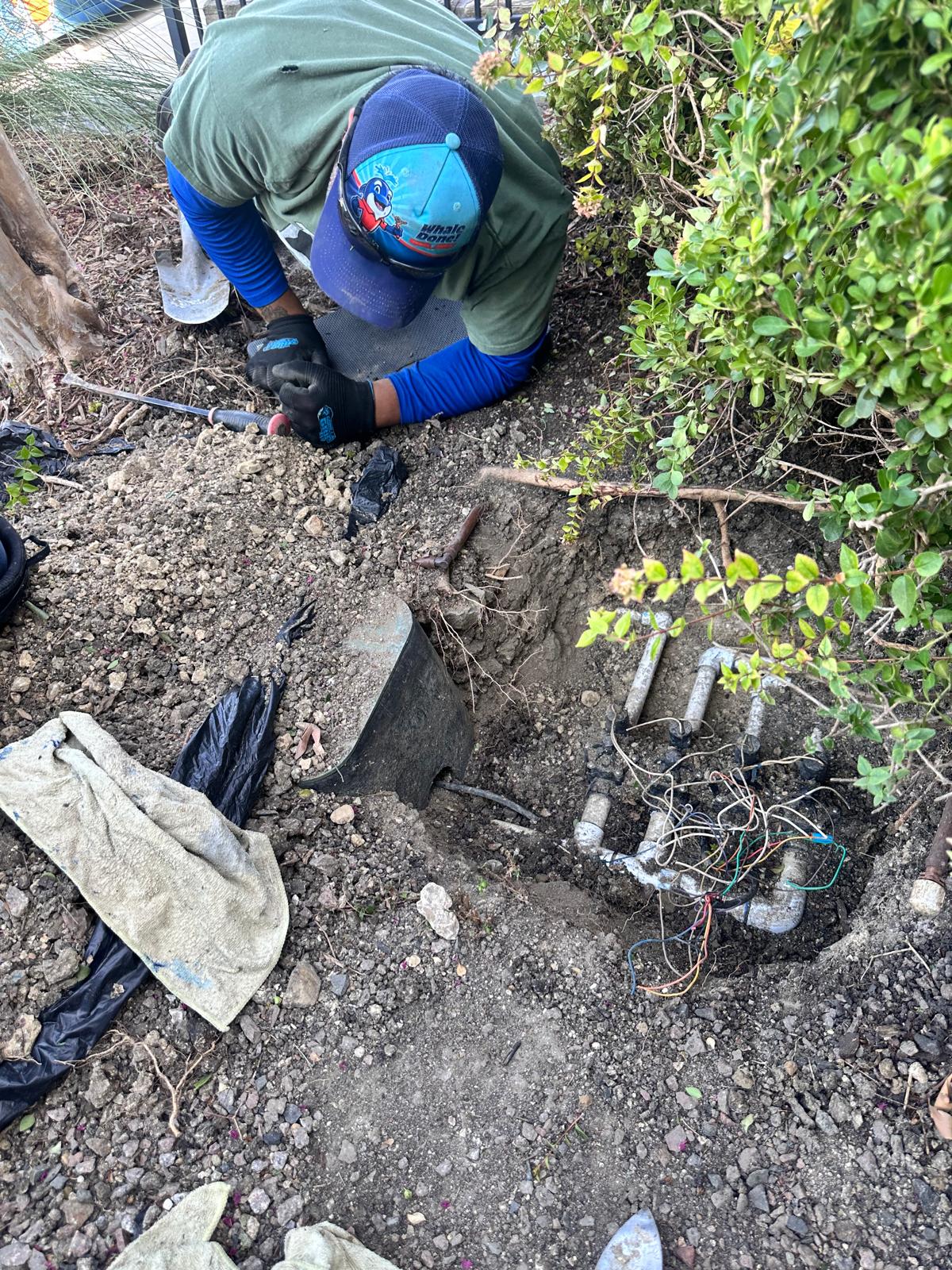
3. Valve And Wiring Inspection
Valves are tested to confirm they open and close fully, and wiring is checked for damage or loose connections that could cause a zone to fail intermittently.
Intermittent failures are some of the hardest problems for homeowners to diagnose on their own, since a zone that works fine one day and fails the next often points to a wiring issue rather than the valve itself.
4. Controller And Programming Audit
The controller’s schedule is compared against the season, soil type, and current water restrictions. This step also checks the backup battery and confirms the rain sensor, if present, is properly connected.
Older controllers are also checked for outdated settings left over from a previous season or a previous homeowner, which is one of the most common and easily overlooked sources of overwatering.
5. Backflow Preventer Testing
The backflow device is tested to confirm it’s protecting the home’s drinking water supply, a function that’s often required by local code and easy to overlook during routine maintenance.
6. Leak Detection Across The Property
The technician walks the entire property looking for soggy areas, unusually green patches, or signs of an underground leak that hasn’t fully surfaced yet.
7. Overall System Efficiency Assessment
Finally, all the findings are combined into an overall efficiency picture, identifying not just individual problems but patterns, like a system that’s overwatering certain zones while underwatering others.
Common Mistakes Homeowners Make
- Only addressing the most visible symptom. A brown patch might point to a head issue, but the root cause could be a pressure problem affecting several zones.
- Skipping the backflow check. This device protects drinking water and is often required by code, but it’s rarely thought about until it fails.
- Assuming a working system is an efficient one. A system can run daily without obvious problems while still wasting significant water due to pressure or programming issues.
- Waiting until a major problem appears. A whole-system review is most valuable as a preventive step, not just a response to a visible failure.
- Not reviewing the controller’s programming regularly. A schedule left unchanged for multiple seasons rarely matches the yard’s actual current needs.
- Treating each repair as unrelated to the last. Repeated issues in different parts of the system are sometimes connected to a single underlying cause.
- Putting off a review until a big problem appears. Waiting for a visible failure often means the issue has already been present, and wasting water, for some time.
Local Considerations For McKinney TX
McKinney’s climate and growth patterns make a whole-system review especially useful:
- Clay soil, common throughout McKinney, drains slowly and can mask leaks longer, since water often pools at the surface rather than disappearing visibly.
- A mix of new and established neighborhoods means system age varies widely across the city, affecting how thorough a review needs to be.
- Water restrictions set by the City of McKinney make it important to confirm the controller’s schedule stays compliant with current watering days.
- Summer heat increases water demand significantly, so pressure or coverage issues that seem minor in spring often cause visible stress by midsummer.
- Freeze risk in winter makes it worth including the backflow preventer and exposed piping in any review performed before the first hard freeze.
- Foundation movement, a known concern in North Texas clay soil, can be worsened by uneven watering patterns that a whole-system review is designed to catch.
Homeowners can review current outdoor watering guidance through the City of McKinney’s water conservation page and general irrigation efficiency standards from the EPA WaterSense program.
As McKinney continues to grow, homes in newer developments sit alongside properties with systems that are 10 or 15 years old, meaning review needs can vary significantly from one street to the next depending on system age and past maintenance history.
Related Problems A Whole-System Review Can Uncover
A full review often reveals issues that wouldn’t be obvious from addressing a single complaint, including:
- A slow leak in an underground line
- A partially stuck or failing valve
- Wiring problems causing intermittent zone failures
- Controller programming that no longer matches the season or yard’s needs
Learn more in Whale Done’s guide to common sprinkler system problems.
Frequently Asked Questions
- How often should a whole-system irrigation review be done?
Most systems benefit from a full review once a year, ideally in early spring before the summer watering season begins.
- How is a whole-system review different from a basic inspection?
A basic inspection often checks for obvious visible issues, while a whole-system review tests pressure, wiring, and valve function in detail across every zone.
- Can a whole-system review lower my water bill?
Yes, in many cases. Catching pressure issues, leaks, and outdated programming during a single review often leads to noticeably more efficient watering.
- Does every system need a whole-system review, even a newer one?
Newer systems can still benefit, especially to confirm the original installation was done correctly and the programming matches the current season and yard.
- Is an irrigation review in McKinney TX different from reviews in other cities?
The process is similar across North Texas, but McKinney’s specific water restrictions, soil conditions, and mix of system ages make local knowledge helpful when interpreting the results.
Bottom Line
An irrigation review in McKinney TX brings together pressure testing, valve inspection, controller programming, and leak detection into one complete picture of system health. Rather than reacting to a single symptom, it identifies patterns and root causes, catching issues that a quick repair visit might miss and helping the system run efficiently for years to come.
This matters because sprinkler problems rarely exist in isolation, a pressure issue at one valve can quietly affect coverage two zones away, and a review is the only way to see those connections clearly. Homeowners who invest in a full review often find that fixing one or two root causes resolves several smaller complaints at once, rather than chasing each symptom separately as it appears throughout the season.
When Professional Help May Be Beneficial
Testing water pressure, inspecting wiring, and checking a backflow preventer require specialized tools and training most homeowners don’t have on hand. A licensed sprinkler company can perform a full review efficiently, spot issues a homeowner might overlook, and explain the findings clearly, giving a complete picture of the system’s condition in a single visit.
This is especially valuable for systems that have changed hands between homeowners, since installation records and past repair history are often incomplete or missing entirely. A professional review also creates a useful baseline, making it easier to track the system’s condition over time and decide when a repair makes sense versus when it may be time to consider an upgrade.
Related Resources
- Signs Of A Sprinkler Valve Problem
- Understanding Water Pressure Issues
- Sprinkler Winterization Guide
- How To Adjust Sprinkler Heads
Conclusion & Next Step
An irrigation review in McKinney TX gives homeowners a complete, accurate picture of how their system is really performing, not just whether it’s running on schedule. Catching pressure, valve, and programming issues early keeps water bills predictable and the lawn healthy. A licensed sprinkler company can schedule a full review and walk through the results in plain, practical terms.