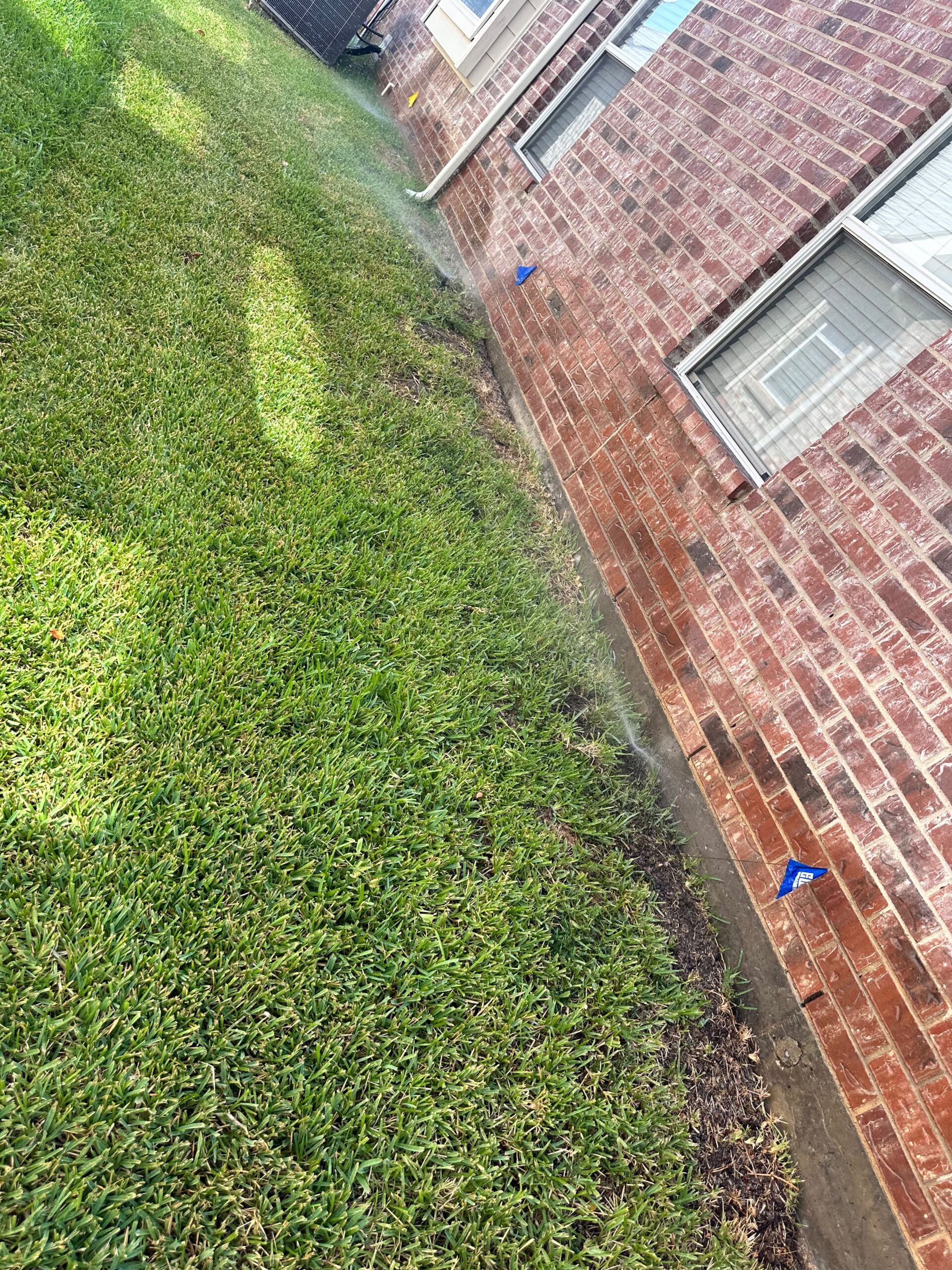
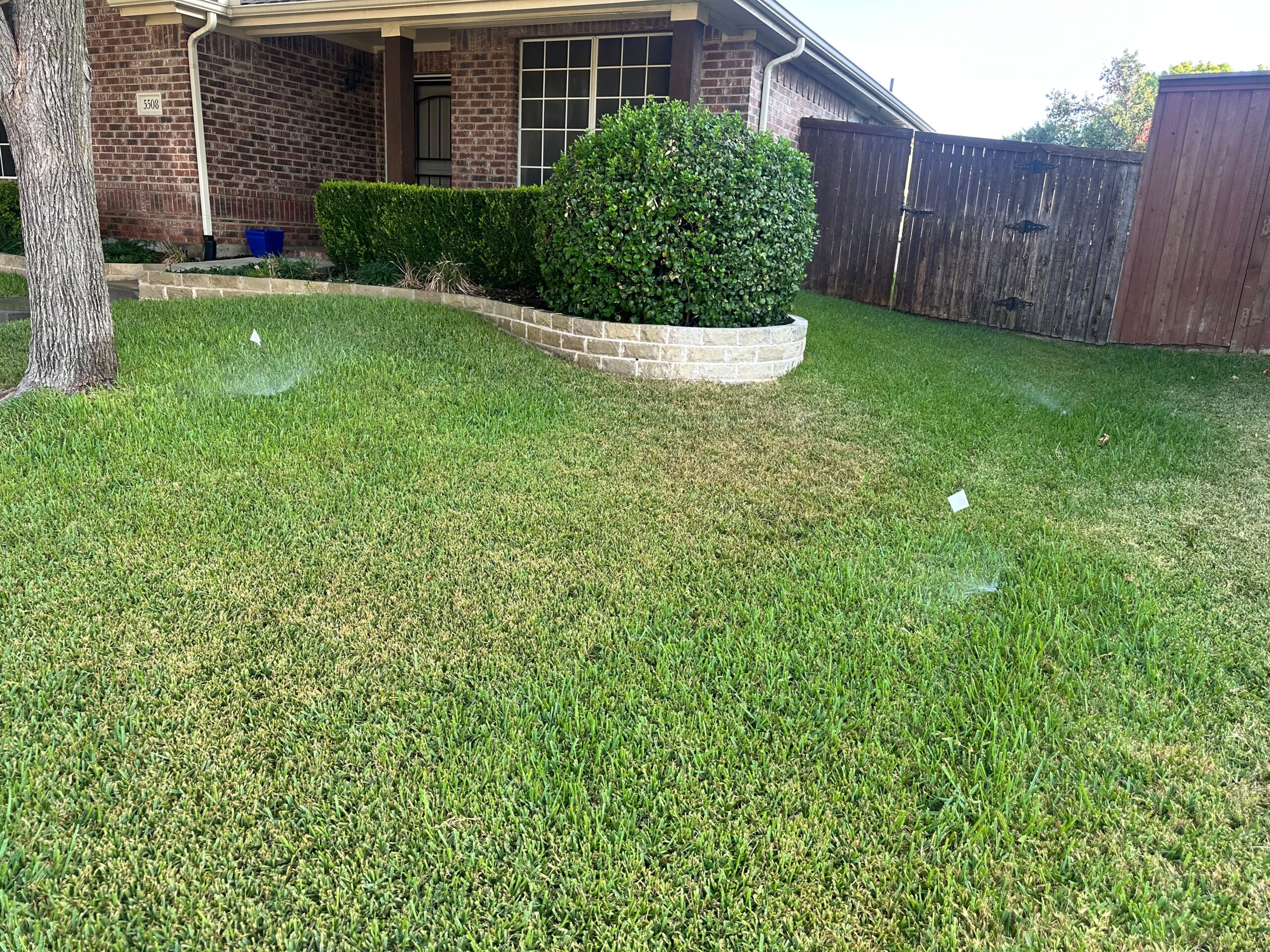
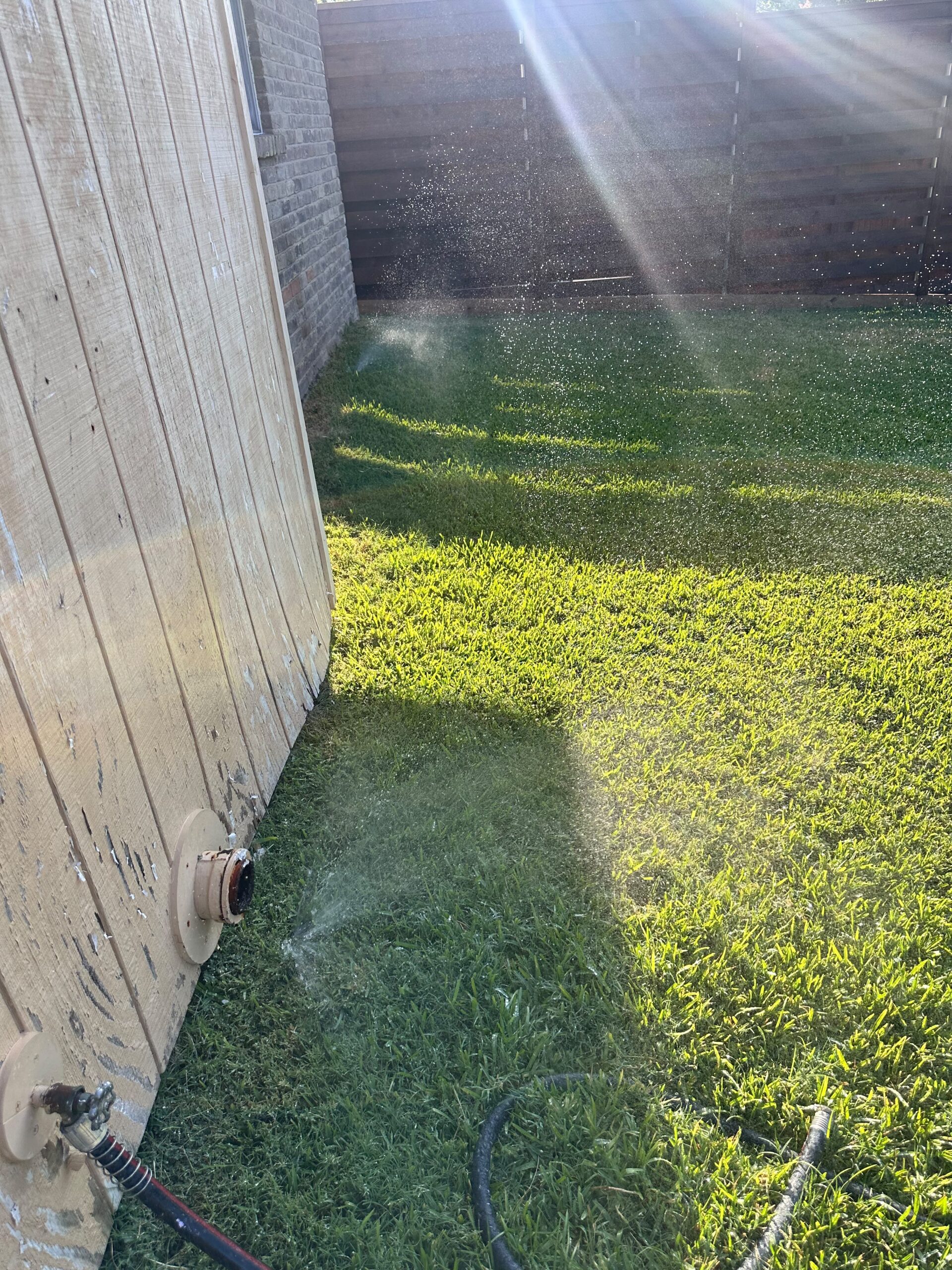
Professionals verify an irrigation repair in Allen TX by testing water pressure at the repair point, running the affected zone through a full cycle, checking for any remaining wet spots or bubbling, and confirming coverage matches the system’s original design. A repair isn’t considered complete just because the visible leak has stopped; a proper verification process confirms the fix holds under normal operating pressure and that no secondary issues were introduced or overlooked during the repair itself.
At a Glance
- Difficulty: Straightforward for a professional with the right equipment
- Estimated Time: 15–30 minutes after the physical repair is complete
- Tools Needed: Pressure gauge, visual inspection, sometimes a multimeter for valve or wiring repairs
- Works For: Pipe repairs, valve replacements, head replacements, and drip line fixes
- May Not Solve: Confirming long-term durability, which typically requires monitoring over subsequent watering cycles
Why Verification Matters After a Irrigation Repair in Allen TX
Fixing a leak or replacing a broken component is only part of the process. Pipes operate under continuous pressure once the system is running, and a repair that looks solid while the system is off can still fail once it’s back under full pressure.
Verification is the step that confirms the actual problem was correctly identified and resolved, rather than just addressing a visible symptom. This is especially important in cases where a leak was affecting an entire zone, since a proper fix should restore normal pressure and coverage across every head involved, not just stop the leak itself.
What Professionals Check During Verification
A thorough verification process typically covers several distinct checks rather than relying on a single test:
- Pressure at the repair point, confirmed with a gauge before the system is put back into full use
- The full zone cycle, watched from start to finish to confirm consistent performance across all heads
- Surrounding soil, checked for any new wet spots, bubbling, or soft ground near the repair
- Coverage and spray pattern, compared against how the zone should perform based on its original design
- Valve operation, tested to confirm it opens and closes properly if the repair involved a valve
- Controller response, checked to make sure the zone still triggers correctly on its programmed schedule
Step-By-Step: How Verification Typically Works
1. Pressurize the Line Gradually
Rather than immediately running the zone at full pressure, professionals often bring the system back online gradually to check the repair point for any sign of weakness before committing to a full test.
2. Run a Full Zone Cycle
The zone is run through its complete programmed cycle, allowing enough time to observe whether pressure remains consistent or drops off as the cycle continues.
3. Inspect the Repair Point Directly
The area around the physical repair, whether it’s a spliced pipe, a new fitting, or a replaced valve, is checked closely for any sign of moisture, seepage, or instability.
4. Check Heads Throughout the Zone
Rather than only checking the head nearest the repair, professionals typically observe multiple heads across the zone to confirm pressure has been restored evenly rather than only near the valve.
5. Backfill and Recheck
If the repair required digging, the area is often backfilled and then rechecked once more, since settling soil can sometimes reveal a fitting that wasn’t seated as tightly as it initially appeared.
6. Document the Fix
A clear record of what was repaired, where, and how it was verified gives homeowners a reference point if any related issue comes up again in the future.
Common Mistakes That Lead to Incomplete Verification
- Only checking the repair point itself without confirming pressure and coverage across the rest of the zone
- Testing at reduced pressure instead of the system’s normal operating pressure, which can mask a fitting that would fail under full load
- Backfilling immediately without a final check, missing a slow leak that only becomes visible once soil settles around the repair
- Skipping a full cycle test, relying instead on a short burst of water that doesn’t reveal issues that develop over a longer run time
- Not checking nearby heads, assuming the fix worked simply because the original leak point looks dry
Local Considerations in Allen, TX
A few conditions specific to Allen and the surrounding Collin County area affect how repairs are verified locally:
- Clay soil, common throughout Allen, can mask a slow leak longer than sandy soil would, since water spreads gradually beneath the surface, making a thorough pressure test more important than a quick visual check after backfilling.
- Seasonal ground movement, driven by North Texas’s wet-to-dry cycles, means a repair that holds firmly at the time of the fix can still be affected by shifting soil in the following months, which is part of why some professionals recommend a follow-up check after a season change.
- Mature landscaping and tree roots, found throughout many established Allen neighborhoods, can put renewed pressure on a repaired section of pipe over time, making it worth confirming the repair area is clear of nearby root growth during verification.
- Water restrictions in effect across Collin County during peak summer months make it especially important to confirm a repair has fully stopped water loss, since an incomplete fix continues wasting water on every cycle the zone runs.
- New construction areas across Allen sometimes have irrigation lines installed at inconsistent depths, so verification in these neighborhoods may include confirming the repaired section is buried appropriately to avoid future equipment damage.
Homeowners can review general guidance on water-efficient irrigation practices through the EPA WaterSense program and regional soil and landscape research from Texas A&M AgriLife Extension, both of which touch on how proper system maintenance affects long-term water use.
Related Problems That Verification Alone Doesn’t Solve
Confirming a repair held under pressure doesn’t rule out every possible issue. Verification typically won’t catch:
- A separate, unrelated leak elsewhere in the system, since verification is focused on the specific repair that was made, not the entire property.
- Gradual wear on aging components, which may pass a verification test today but fail again months or years down the line as materials continue to degrade.
- Low municipal water pressure, which originates outside the home’s irrigation system and wouldn’t be resolved by any repair or verification process on the property itself.
- Controller programming issues, which affect scheduling and run times independently of whether the physical repair itself was successful.
If new symptoms appear after a verified repair, a full system evaluation can help determine whether it’s related to the original issue or a separate problem.
Frequently Asked Questions
- How long does it take to verify an irrigation repair? Verification typically adds 15 to 30 minutes to the repair process, depending on how many zones and heads need to be checked to confirm consistent performance.
- Can a repair fail even after it’s been verified? It’s uncommon but possible, particularly if soil settling or root growth affects the repair area months later, which is why occasional follow-up checks can be worthwhile for older systems.
- Do professionals check other zones during verification, or just the one that was repaired? Verification usually focuses on the repaired zone, though a professional may note if something in a nearby zone looks worth a closer look during the visit.
- Why does the repair need to be tested at full pressure instead of a lower setting? Testing at full pressure is the only way to confirm a fitting or repair will hold up under the actual conditions the system operates under every time it runs.
- Is a follow-up visit ever necessary after a repair is verified? For most standard repairs, no, but in cases involving significant tree root damage or repairs made just before a seasonal transition, a follow-up check can offer extra peace of mind.
Bottom Line
Verifying an irrigation repair in Allen TX involves more than confirming the original leak has stopped. A proper process checks pressure, coverage, and the condition of the surrounding soil to confirm the fix will hold under the system’s normal operating conditions. This step matters because a repair that looks successful immediately after the work is done can still fail once the system returns to full, regular use, particularly in areas with clay soil and seasonal ground movement like Allen.
Next Step
Homeowners who’ve had a repair completed but continue noticing weak pressure, new wet spots, or inconsistent coverage should have the area rechecked rather than assuming the original fix is holding. A licensed irrigation company can confirm whether the issue is related to the original repair or a separate problem that’s developed since.
Related Resources
- Sprinkler System Services in Allen, TX
- Signs of Underground Irrigation Leaks
- Can One Leak Weaken an Entire Zone?
Conclusion & Call to Action
A proper irrigation repair in Allen TX isn’t finished until it’s been tested under full pressure and checked across the entire affected zone. Clay soil and seasonal ground shifts common in the area make this step especially important for long-term durability. If a past repair still seems off, it may not have been fully verified. Reach out to a trusted local irrigation team for a closer look.