A french drain in Aubrey TX is one of the most effective drainage solutions for homeowners dealing with standing water, soggy lawns, and poor yard drainage. While excess water may seem like a temporary inconvenience after heavy rain, it can gradually damage landscaping, weaken foundations, create muddy areas, and contribute to soil erosion. Understanding how a French drain works helps property owners make informed decisions about protecting their landscape and improving long-term drainage performance.
Aubrey experiences seasonal storms and periods of heavy rainfall that can overwhelm properties with poor drainage. Clay-rich soils common throughout North Texas tend to absorb water slowly, making drainage systems even more important. When water has nowhere to go, it collects in low areas, placing unnecessary stress on both the yard and nearby structures.
A properly designed French drain uses gravity to collect and redirect water before it becomes a problem. Rather than allowing water to remain on the surface, the system captures it underground and safely transports it to an appropriate discharge location.
Why Water Collects In Residential Yards
Before understanding how a French drain works, it is helpful to understand why water accumulates in the first place.
Several factors contribute to drainage issues, including:
- Heavy rainfall exceeding soil absorption rates
- Poor property grading
- Compact clay soils
- Low spots throughout the landscape
- Downspouts releasing water too close to the home
- Sloped neighboring properties directing runoff
- Hardscape features blocking natural water flow
Even newer homes can experience drainage challenges if water movement was not properly considered during construction.
When water consistently pools in one location, it rarely resolves itself naturally. Instead, each rainfall often makes the problem worse.
What Is A French Drain?
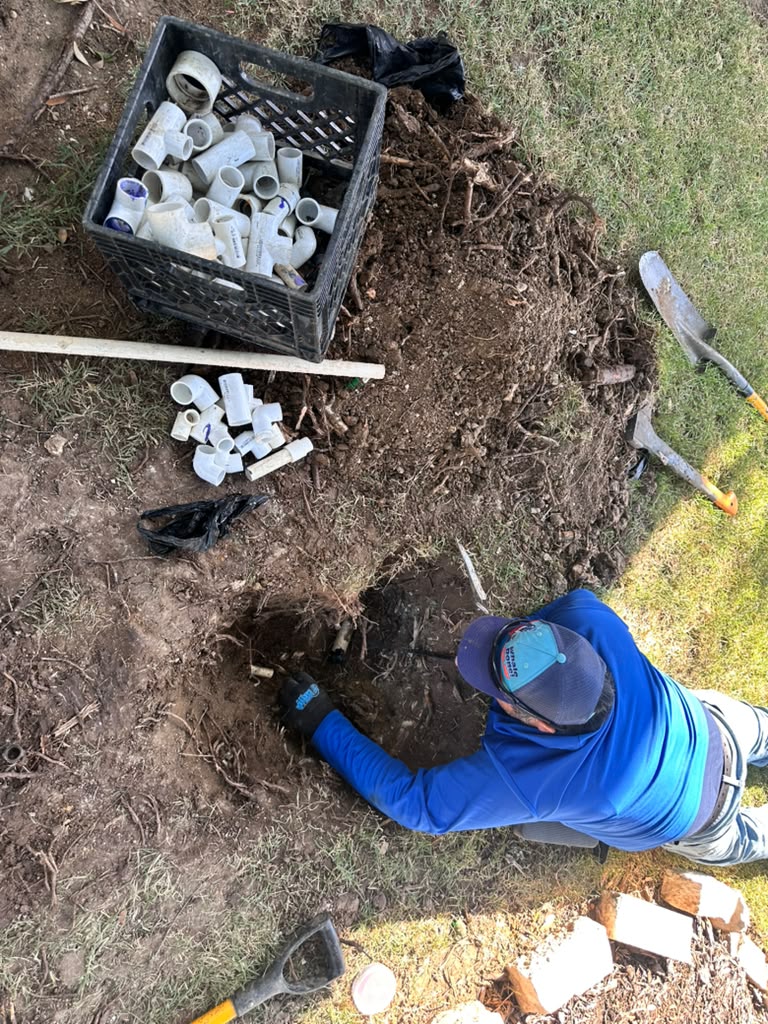
A French drain is an underground drainage system designed to collect groundwater and surface water before safely directing it away from areas vulnerable to water damage. It typically consists of a carefully excavated trench lined with landscape fabric, filled with clean drainage gravel, and fitted with a perforated drainage pipe before being covered with additional gravel and soil or decorative stone. Unlike surface drains that collect water from a single point, a French drain captures water along the entire length of the trench. The surrounding gravel creates a path of least resistance, allowing water to flow efficiently into the pipe instead of remaining trapped in the soil.
How Does French Drain In Aubrey TX Move Water Away From Your Yard?
The effectiveness of a French drain comes from combining proper engineering with natural gravity.
Step 1: Water Enters The Gravel
Instead of remaining on the surface, rainwater quickly filters into the gravel-filled trench.
Because gravel contains open spaces between stones, water moves through it much faster than compact soil.
This significantly reduces standing water after rainfall.
Step 2: Water Reaches The Perforated Pipe
Inside the gravel sits a perforated pipe.
Small holes along the pipe allow collected water to enter from all directions.
The pipe does not push water.
Instead, it simply provides a smooth pathway that encourages water to continue moving underground.
Step 3: Gravity Directs The Water
One of the most important design elements is slope.
The pipe is installed with a slight downward grade, allowing gravity to pull water toward the discharge point.
Even a small amount of slope is enough to keep water moving continuously.
Without proper grading, water could remain trapped inside the pipe.
Step 4: Water Leaves The Property
Eventually, the collected water exits through a safe drainage location such as:
- A drainage ditch
- Stormwater collection area
- Dry well
- Pop-up emitter
- Approved drainage easement
The discharge location depends on the property’s layout and local drainage requirements.
Common Signs Your Yard May Need A French Drain
Drainage problems often develop gradually.
Watch for signs including:
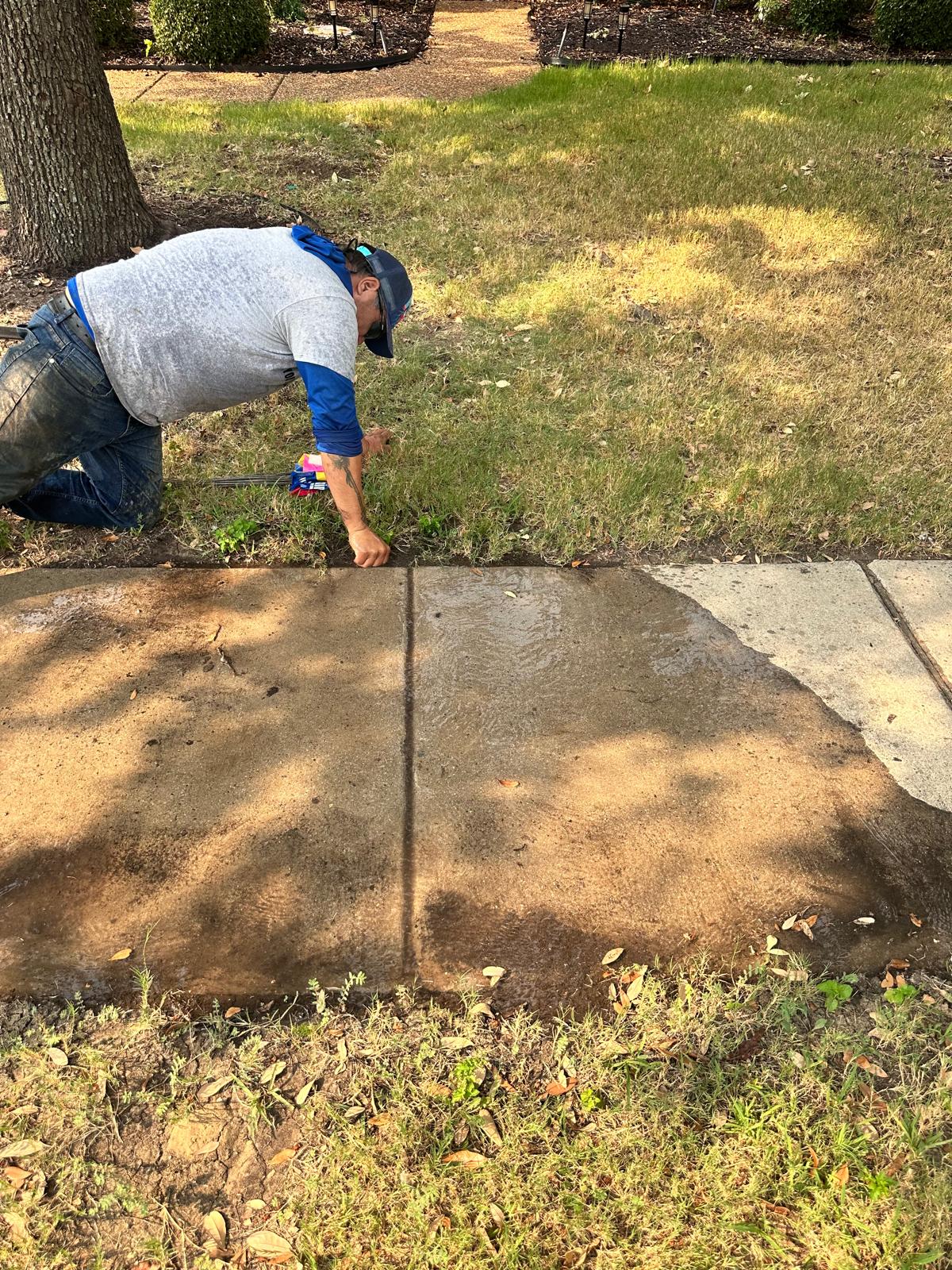
- Water remaining in the yard several days after rain
- Constant muddy areas
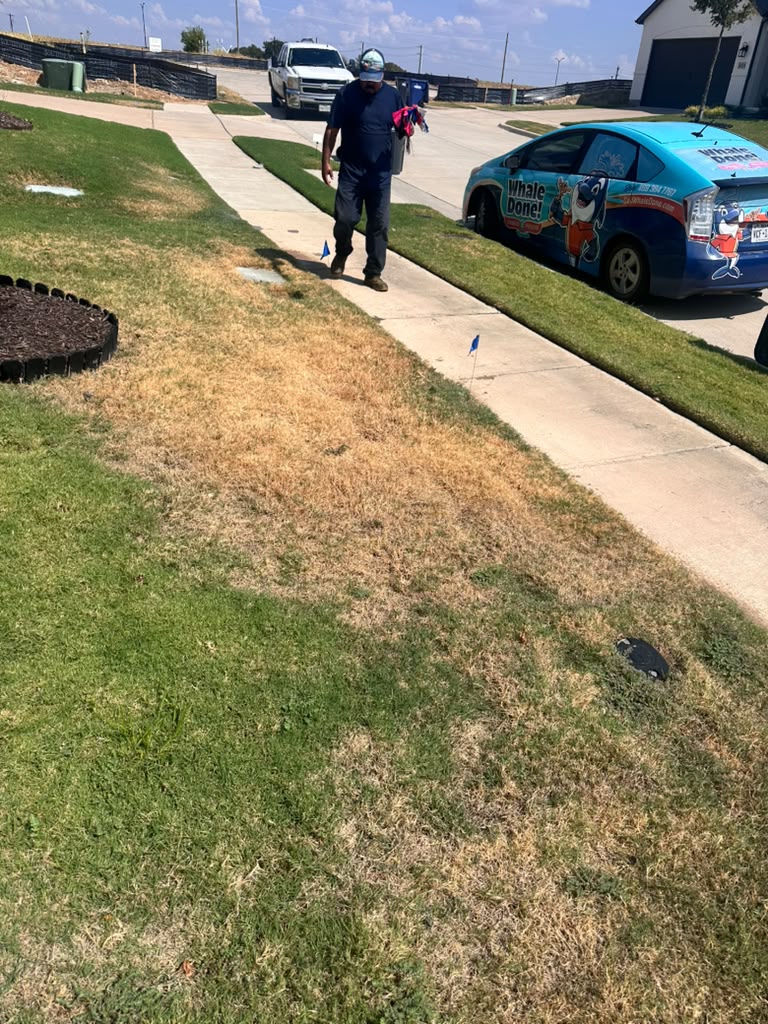
- Dead grass caused by oversaturated soil
- Soil washing away during storms
- Water flowing toward the home’s foundation
- Standing water around patios
- Landscape beds remaining soaked
- Mosquito activity increasing after rainfall
Ignoring these symptoms often allows drainage issues to become more expensive over time.
How Clay Soil Impacts Drainage In Aubrey
Many North Texas communities, including Aubrey, contain expansive clay soils.
Clay creates several drainage challenges because it:
- Absorbs water slowly
- Holds moisture for extended periods
- Expands when wet
- Shrinks during dry weather
- Restricts natural infiltration
Because of these characteristics, rainfall often remains on the surface instead of soaking into the ground.
This makes professionally designed drainage systems especially beneficial.
For more information about North Texas soils, visit Texas A&M AgriLife Extension.
Benefits Of Installing A French Drain
A properly installed drainage system offers long-term advantages beyond simply removing standing water.
Foundation Protection
Excess moisture around a home’s foundation can contribute to soil movement.
By directing water away from the structure, drainage systems help reduce unnecessary moisture fluctuations.
The EPA WaterSense program also highlights the importance of efficient outdoor water management.
Healthier Landscaping
Grass requires moisture—but not constant saturation.
Improved drainage helps create healthier growing conditions by preventing root suffocation caused by excessive water.
Plants are also less likely to develop fungal diseases when excess moisture drains properly.
Reduced Soil Erosion
Moving water naturally carries soil with it.
A French drain intercepts runoff before erosion removes valuable topsoil from landscaping.
This helps preserve flower beds, mulch, decorative stone, and lawn edges.
Fewer Mosquito Breeding Areas
Standing water creates ideal breeding conditions for mosquitoes.
Removing pooled water reduces opportunities for insects to reproduce near outdoor living spaces.
Improved Yard Usability
No homeowner enjoys walking through muddy grass after every rainfall.
Proper drainage allows homeowners to enjoy:
- Outdoor gatherings
- Children’s play areas
- Gardening
- Lawn maintenance
- Pet activities
without constantly dealing with wet ground.
Where French Drains Work Best
French drains are versatile systems that solve many drainage challenges.
Common installation areas include:
Along Foundations
Protecting the home’s perimeter from excess water remains one of the most common applications.
Side Yards
Narrow side yards often receive concentrated runoff from neighboring lots.
French drains help redirect that water before it accumulates.
Backyard Low Spots
Areas where water naturally settles benefit significantly from underground drainage.
Around Patios
Patios should remain usable after rainfall.
Installing drainage nearby helps reduce puddling around outdoor living spaces.
Landscape Beds
Flower beds that remain saturated may benefit from improved underground drainage.
Professional Design Matters
Although French drains may appear straightforward, proper installation requires careful planning and an understanding of how water moves across a property. Several factors influence the system’s performance, including soil type, trench depth, pipe diameter, gravel selection, slope calculations, outlet location, water volume, and existing drainage patterns. If any of these elements are overlooked, the drain may fail to function properly or even trap water underground, creating additional drainage problems. Before recommending a drainage solution, professionals typically assess the property’s elevation, landscape layout, and natural water flow to design a French drain that effectively redirects excess water and provides reliable, long-term drainage performance.
The Irrigation Association provides additional educational resources about landscape water management and drainage principles.
Maintenance Helps Keep French Drains Working
Even a properly installed French drain requires periodic maintenance to continue performing effectively over time. Regular care includes removing debris around discharge outlets to keep water flowing freely, inspecting the system after heavy storms for signs of damage or blockages, ensuring gutters are functioning properly to prevent excess runoff, cleaning nearby surface drains, monitoring outlet areas for erosion, and flushing the drain when necessary to remove accumulated sediment. Performing routine inspections allows homeowners to identify minor issues early before they develop into more serious drainage problems, helping extend the system’s lifespan while maintaining efficient water movement throughout the property.
Can A French Drain Be Combined With Other Drainage Solutions?
Yes.
Many properties require more than one drainage strategy.
A comprehensive drainage plan may combine:
- Surface drains
- Catch basins
- Channel drains
- Downspout extensions
- Dry wells
- Swales
- Proper grading
- Retaining walls
The right combination depends on each property’s unique drainage conditions.
Why Early Drainage Improvements Matter
Many homeowners wait until drainage problems become severe before taking action.
However, early intervention often prevents:
- Extensive landscape damage
- Foundation moisture concerns
- Expensive repairs
- Soil erosion
- Turf replacement
- Hardscape deterioration
Addressing drainage concerns sooner generally provides better long-term property protection.
Seasonal inspections also help identify developing issues before they become visible.
Choosing The Right Drainage Solution
Not every wet yard automatically requires a French drain, as drainage problems can stem from a variety of underlying issues. Improper sprinkler coverage, broken irrigation lines, clogged gutters, downspouts releasing water too close to the home, poor grading, or surface runoff from neighboring properties can all contribute to excess moisture in the yard. Installing a French drain without identifying the actual cause may not fully resolve the problem.
A professional drainage evaluation helps determine the source of the water issue and whether a French drain or another drainage solution is the most effective option. Since every property has unique soil conditions, grading, and water flow patterns, drainage recommendations should always be customized to the specific needs of the landscape rather than relying on a one-size-fits-all approach.
Conclusion
If your property experiences recurring standing water, saturated soil, or runoff that threatens your landscaping or foundation, installing a french drain in Aubrey TX can provide an effective long-term solution. By collecting excess groundwater and directing it safely away from vulnerable areas, a properly designed French drain helps protect your lawn, preserve soil stability, and improve the overall usability of your outdoor space. Every property has unique drainage characteristics, making a professional assessment essential for selecting the most appropriate solution. For expert guidance on drainage improvements, contact Whale Done Sprinklers & Irrigation at +1 (469) 384-7767 or email clientsupport@callwhaledone.com to discuss the best approach for protecting your Aubrey property.