A french drain in Wylie TX is an essential solution for homeowners facing persistent water problems on their property. Designed to redirect excess water away from foundations, driveways, and low-lying areas, a french drain provides a reliable method to prevent flooding, soil erosion, and landscape damage. Unlike traditional drainage systems, french drains utilize gravity to guide water through a perforated pipe surrounded by gravel, making them both efficient and low-maintenance.
Proper drainage is crucial for the longevity of a home. Water pooling near foundations can lead to structural issues, mold growth, and costly repairs. Installing a french drain not only protects your property but also maintains the aesthetic and health of your yard. For residents of Wylie, TX, where rainfall can vary significantly throughout the year, having a dependable drainage solution is more than a precaution—it’s a necessity.
How a French Drain Works
The principle behind a french drain is simple yet highly effective. Water naturally flows toward lower elevations, and when it accumulates near your home or in your yard, a perforated pipe buried beneath a layer of gravel channels this water away. The gravel acts as a filter, preventing debris from clogging the pipe while allowing water to pass freely.
There are various types of french drains, including trench drains, basement perimeter drains, and yard drains. Each type is designed to address specific drainage problems. For example, a basement perimeter drain is installed around the foundation to prevent water intrusion, whereas a yard drain focuses on surface water management in low-lying areas. Understanding the type that fits your property’s needs ensures maximum efficiency.
For technical insights on drainage solutions, visit The Spruce for a comprehensive guide.
Signs You Need a French Drain in Wylie TX
Identifying drainage issues early can save homeowners thousands in repair costs. Some common indicators include:
Pooling Water
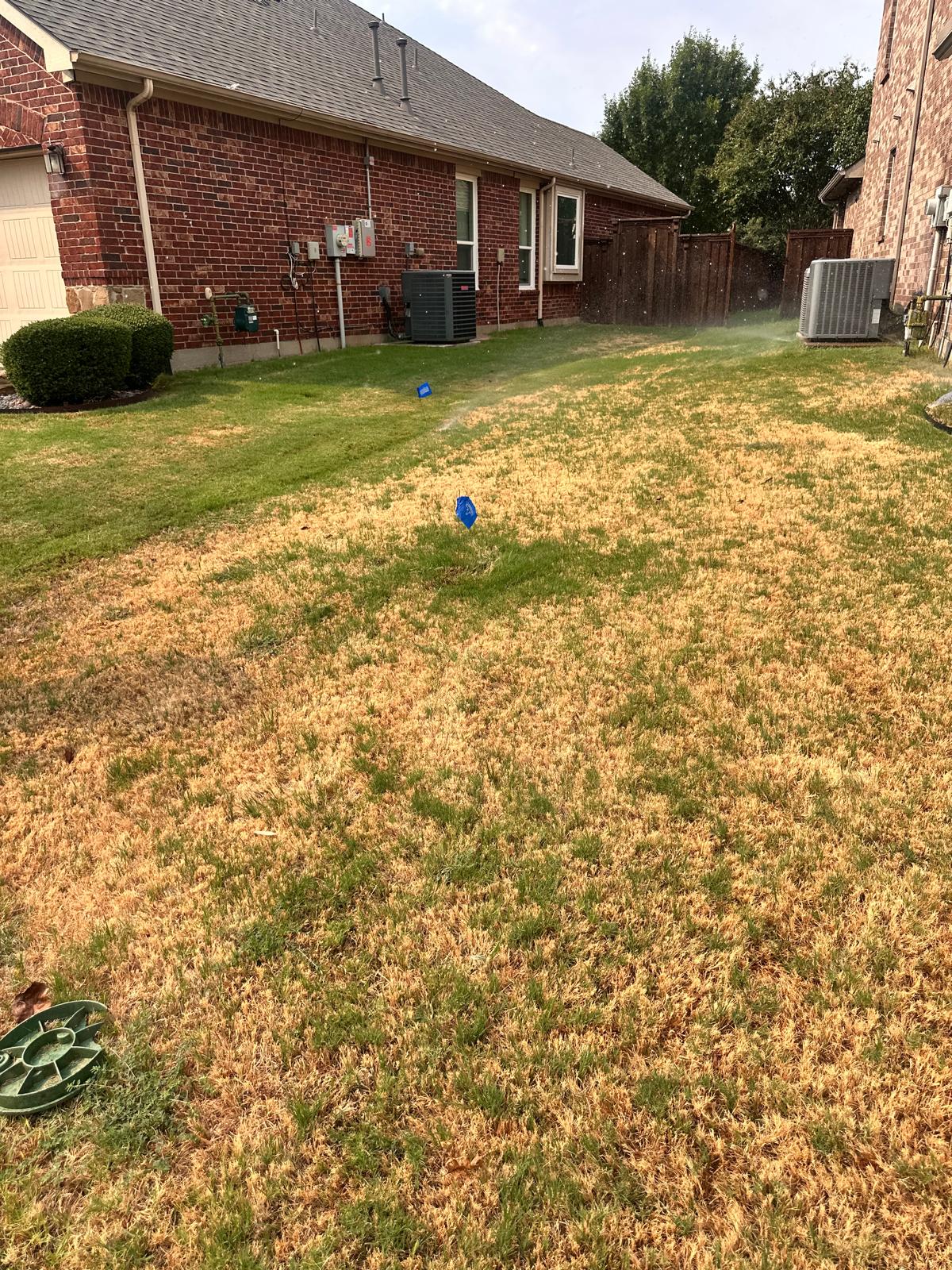
When rainwater consistently gathers in low spots of your yard after storms, it often points to poor drainage beneath the surface. Standing water can suffocate grass roots, attract pests, and weaken soil stability, making your landscape more vulnerable to long-term damage and unhealthy lawn conditions.
Soil Erosion
Noticeable channels, washed-out mulch, or exposed roots near flower beds or along your foundation are clear signs of erosion. These patterns indicate uncontrolled water movement, which gradually removes nutrient-rich topsoil, damages plants, and can compromise the grading meant to direct water safely away.
Basement Dampness
Damp walls, musty odors, or visible water seepage in your basement often suggest drainage problems outside your home. Excess groundwater pressure pushes moisture through foundation walls, potentially leading to mold growth, damaged insulation, and unhealthy indoor air quality if left unaddressed.
Foundation Cracks
Small or widening cracks in your foundation can result from persistent moisture buildup around your home. When water repeatedly saturates the soil, it causes expansion and contraction, placing stress on the foundation structure and increasing the risk of costly structural repairs over time.
If you notice these signs, a french drain installation may be the most effective solution to protect your property’s integrity.
Installation Process of a French Drain
Installing a french drain requires careful planning and execution. Here’s a step-by-step overview:
- Assessment & Planning: Determine the areas of water accumulation and plan the slope for effective water flow. A slope of at least 1% is ideal.
- Excavation: Dig a trench deep enough to accommodate the perforated pipe and gravel. Trenches typically range from 6 to 12 inches wide.
- Gravel Base: Lay a 2-3 inch layer of gravel at the bottom of the trench for drainage and support.
- Pipe Placement: Position the perforated pipe over the gravel, ensuring holes face downward to capture water efficiently.
- Covering: Fill the trench with additional gravel, leaving a few inches at the top for soil or landscaping materials.
- Optional Landscaping Fabric: A layer of landscape fabric can prevent soil and debris from entering the gravel while allowing water to flow freely.
Professional installation ensures proper grading and long-term functionality. For DIY guidance, Family Handyman provides practical tips on creating an efficient drainage system.
Benefits of a French Drain in Wylie TX
A french drain offers multiple advantages for homeowners:
Prevents Flooding
Redirects water safely away from your home’s foundation, basement, and crawl spaces, significantly lowering the risk of structural damage, mold growth, wood rot, and interior water intrusion during heavy rains or prolonged wet weather conditions.
Minimizes Soil Erosion
Controls the flow of excess runoff across your yard, helping preserve valuable topsoil, maintain stable ground surfaces, prevent unsightly washouts, and protect hardscapes like patios, walkways, and driveways from gradual shifting or sinking.
Protects Landscaping
Prevents oversaturation around gardens, flower beds, shrubs, and lawns, promoting healthier root systems, reducing plant stress, discouraging fungal diseases, and ensuring your outdoor spaces remain vibrant, balanced, and visually appealing throughout changing seasons.
Low Maintenance
Once professionally installed, French drains operate efficiently with minimal attention, typically requiring only occasional inspections and debris removal, making them a convenient, long-lasting drainage solution compared to complex surface systems or frequent manual water management.
Long-Term Cost Savings
By preventing foundation cracks, basement flooding, landscape damage, and structural deterioration, French drains help homeowners avoid costly repairs, insurance claims, and property value loss, making them a smart, proactive investment in home protection.
Understanding these benefits highlights why investing in a french drain is a smart decision for any property owner in Wylie, TX.
Common Mistakes to Avoid
Even with a professional design, errors can occur that reduce a french drain’s effectiveness:
- Incorrect Slope: Too steep or too flat a slope can hinder water flow or cause erosion.
- Poor Pipe Selection: Non-perforated or low-quality pipes may clog easily, requiring repairs.
- Ignoring Soil Type: Clay-heavy soil can impede drainage, requiring additional gravel or corrective measures.
- Skipping Maintenance: Leaves and debris can accumulate over time if the system isn’t occasionally inspected.
By understanding and avoiding these pitfalls, homeowners can ensure their drainage system works efficiently for years.
Maintenance Tips for Longevity
Although french drains are low-maintenance, periodic checks are necessary to maintain functionality:
- Inspect for Clogs: Remove debris from surface inlets and ensure the perforated pipe remains clear.
- Check for Silt Accumulation: Gravel can become clogged over time; adding fresh gravel can restore efficiency.
- Monitor Slope: Make sure the trench remains properly graded and hasn’t shifted due to soil movement.
- Seasonal Care: After heavy rains or winter freezes, inspect the system for damage or blockages.
Following these steps helps protect your investment and extends the lifespan of your drainage system.
For professional advice on drainage and landscaping integration, HGTV offers valuable resources.
Environmental Considerations
French drains not only protect your property but also contribute to sustainable water management, especially in growing communities like . By channeling excess water away from foundations, driveways, and landscaped areas, they help reduce soil erosion, minimize standing water, and prevent harmful pollutants from being washed into nearby storm drains and natural waterways. This proactive drainage approach supports healthier soil structure and preserves the integrity of your yard over time.
Homeowners who install French drains also play a role in managing local water flow more effectively, which becomes especially important during periods of heavy rainfall and seasonal storms. For additional insights on eco-friendly landscaping and responsible runoff control, explore the to better understand how proper drainage systems positively impact the environment.
Cost Factors
The cost of a french drain can vary widely depending on several factors:
- Length of Drain: Longer trenches require more materials and labor.
- Depth and Width: Deeper or wider trenches increase excavation time and material needs.
- Pipe and Gravel Quality: Higher-quality components ensure longevity but raise upfront costs.
- Labor: Professional installation ensures proper grading and compliance with local regulations.
While DIY installation can save money initially, professional installation often prevents costly errors and ensures optimal performance.
Conclusion
Installing a french drain in Wylie TX is a proactive measure that safeguards homes and landscapes from water damage. Whether addressing a soggy yard, basement seepage, or foundation concerns, this drainage solution offers efficiency, durability, and peace of mind.
For residents seeking professional installation and expert guidance, Whale Done Sprinklers & Irrigation provides comprehensive services in Wylie, TX. Contact them at +1 (469) 384-7767 or via email at clientsupport@callwhaledone.com to schedule a consultation and protect your property today.