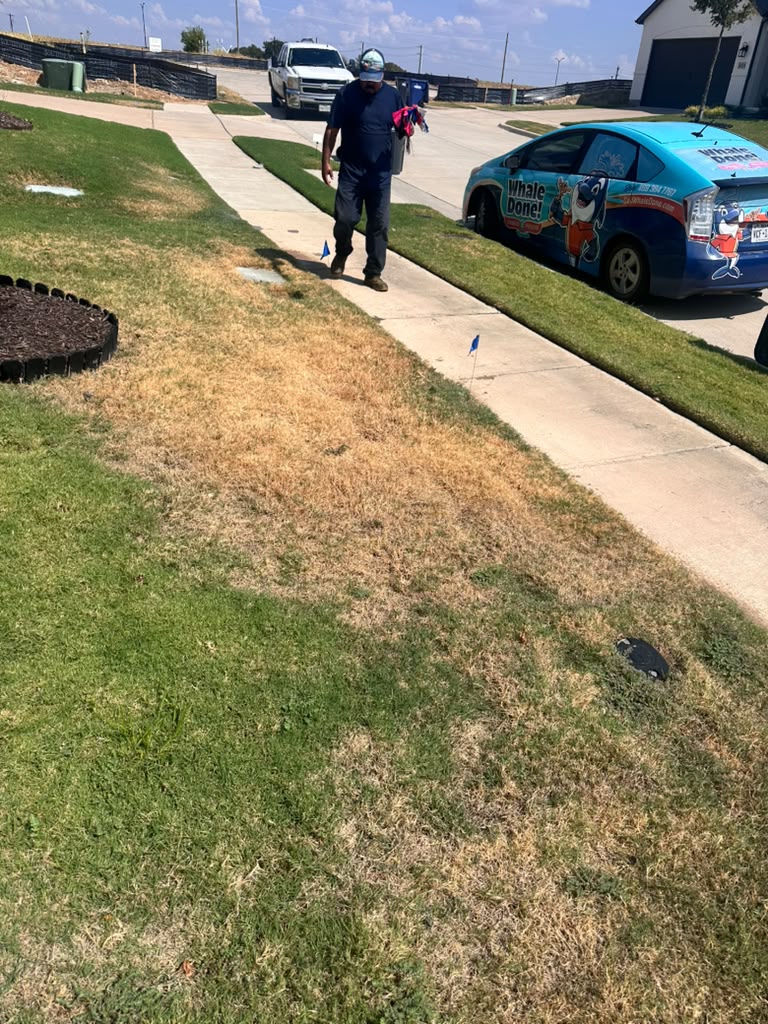
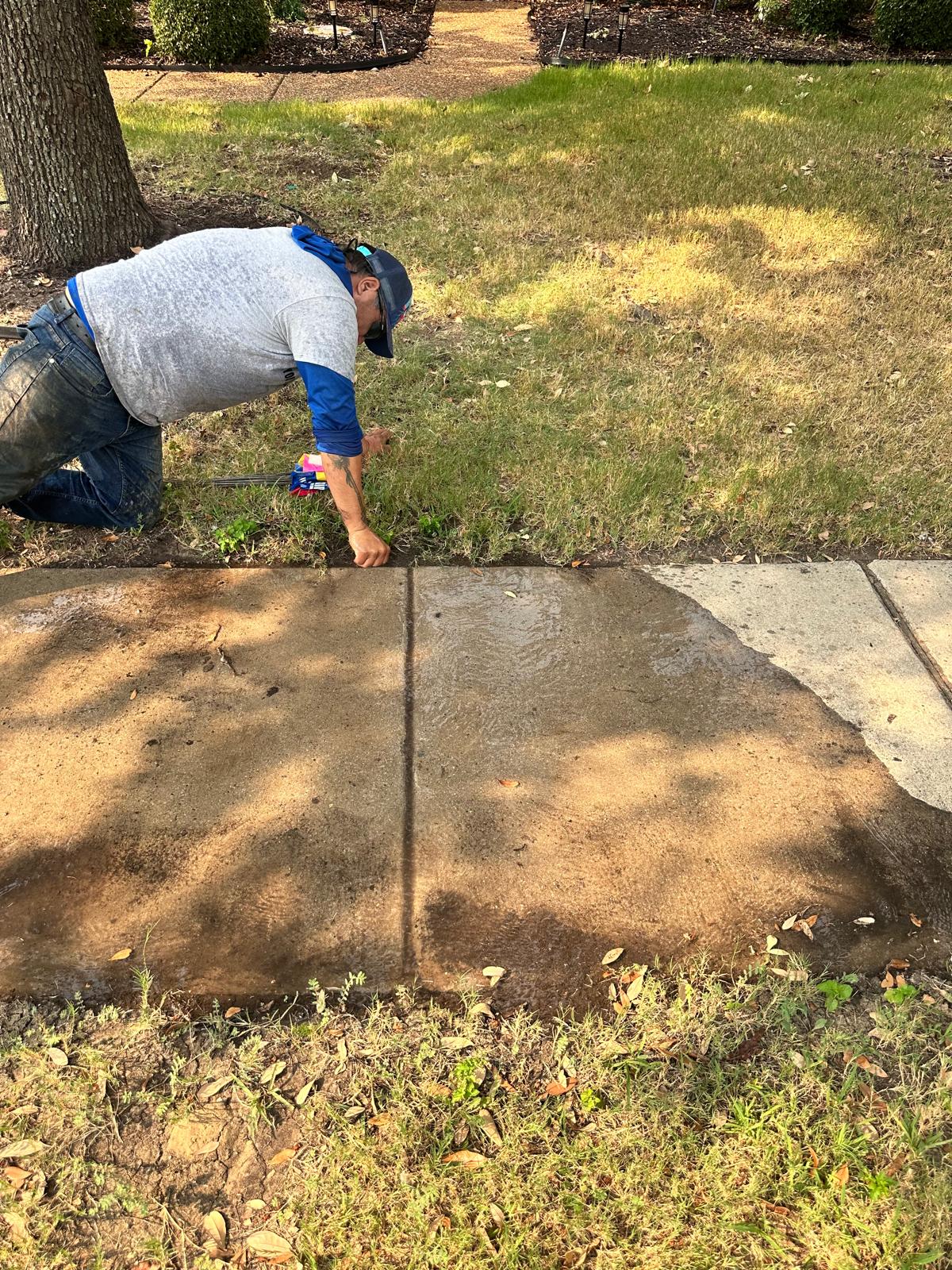
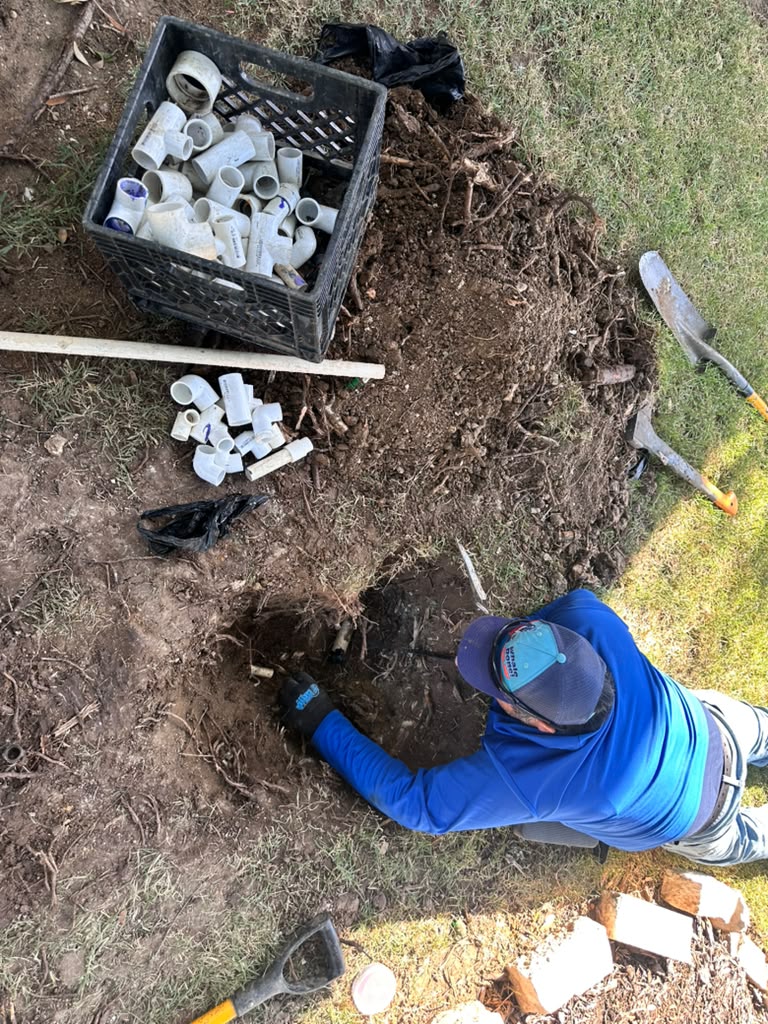
Drip irrigation in Anna TX works by delivering water slowly and directly to the base of plants through small tubes and emitters, rather than spraying it through the air like a traditional sprinkler system. Water drips out at a controlled rate, often measured in gallons per hour, allowing it to soak into the soil near the roots instead of evaporating or running off. This makes drip irrigation especially effective for garden beds, shrubs, and other planted areas where precise, low-volume watering is more useful than broad spray coverage.
At a Glance
- Difficulty: Easy to moderate, depending on whether it’s a simple kit or a custom-designed system.
- Estimated Time: A few hours for a basic garden bed setup; longer for larger or more complex layouts.
- Tools Needed: Drip tubing, emitters, a pressure regulator, a filter, and basic tools like scissors or a punch tool.
- Works For: Garden beds, shrubs, trees, and other planted areas that benefit from targeted, low-volume watering.
- May Not Solve: Watering needs for large open lawn areas, where traditional spray or rotor heads are typically more practical.
Why Drip Irrigation Works Differently
Traditional sprinkler heads spray water through the air across a wide area, which works well for lawns but can be inefficient for garden beds, where much of that spray lands on leaves, mulch, or bare soil rather than directly at the roots. Drip irrigation takes a different approach by placing water exactly where it’s needed, at a slow enough rate that the soil has time to fully absorb it.
This slower, targeted delivery reduces water lost to evaporation and runoff, which are two of the biggest sources of waste with overhead spray systems. It also reduces water sitting on plant leaves, which can contribute to certain fungal issues in some plant types.
This is part of why drip irrigation in Anna TX has become a popular option for garden beds and landscaped areas, even on properties that still use traditional spray zones for the lawn itself. The two systems often work well together, each handling the type of area it’s best suited for.
Beyond water efficiency, targeted delivery also tends to support healthier plant growth over time. Because water goes directly to the root zone rather than across the surface, roots are encouraged to grow deeper and stronger in search of moisture, rather than staying shallow near frequently wetted topsoil. This can make plants somewhat more resilient during periods of heat stress, since a deeper root system has access to moisture that surface watering alone wouldn’t reach as effectively.
Step-By-Step: How A Drip Irrigation System Functions
Step 1: Water Enters Through The Main Line
Water is typically diverted from an existing irrigation valve or a separate line into the drip system’s main supply tubing.
Step 2: A Pressure Regulator Adjusts The Flow
Drip systems operate at much lower pressure than spray heads, so a pressure regulator reduces the incoming water pressure to a level the tubing and emitters can handle safely.
Step 3: A Filter Removes Debris
Because emitters have very small openings, a filter helps prevent dirt, sediment, or mineral buildup from clogging the system over time.
Step 4: Tubing Distributes Water Throughout The Bed
Flexible tubing runs along garden beds or around individual plants, carrying water to wherever emitters are placed.
Step 5: Emitters Release Water Slowly
Individual emitters, often rated for a specific flow rate like one or two gallons per hour, release water directly onto the soil near each plant’s root zone.
Step 6: Water Soaks Into The Soil Gradually
Because the flow rate is so low, water has time to soak in fully rather than pooling on the surface or running off.
Step 7: The System Runs On A Separate Schedule
Drip zones typically run longer than spray zones, sometimes 30 minutes to an hour or more, since the slow flow rate requires more time to deliver an adequate amount of water.
Step 8: Mulch Helps Retain Moisture Around Emitters
Adding a layer of mulch around drip-irrigated plants helps hold moisture near the root zone longer and reduces evaporation from the soil surface between watering cycles.
Common Mistakes Homeowners Make
- Running a drip system for the same amount of time as a spray zone. Because drip systems apply water so slowly, they typically need to run significantly longer to deliver the same amount of water.
- Skipping the filter or pressure regulator. Without these components, emitters are much more likely to clog or fail prematurely.
- Not checking emitters periodically. Clogged or damaged emitters can go unnoticed since there’s no visible spray pattern to signal a problem.
- Using drip irrigation for large lawn areas. Drip systems are designed for targeted watering and generally aren’t practical for covering wide open turf areas.
- Ignoring plant spacing when placing emitters. Emitters need to be positioned close enough to each plant’s root zone to be effective, which sometimes requires more emitters than expected.
- Forgetting to adjust for plant growth. As plants mature and their root systems spread, emitters originally placed near a small seedling may need to be repositioned or supplemented.
Local Considerations In Anna, TX
North Texas conditions affect how drip irrigation performs in Anna specifically.
- Clay soil common in Anna absorbs water slowly, which actually works well with drip irrigation’s gradual delivery, since the slow flow rate matches the soil’s slow absorption.
- Summer heat increases evaporation for spray systems more than it does for drip systems, since drip emitters release water directly at the soil surface rather than through the air.
- Wind has little effect on drip irrigation since water isn’t sprayed, which makes it a more consistent option in exposed or open areas.
- Water restrictions in many North Texas municipalities apply to drip irrigation as well as spray systems, so it’s worth confirming a drip schedule still complies with local watering day and time rules.
- Seasonal watering needs still apply to drip systems, meaning run times may need periodic adjustment even though the delivery method itself stays the same.
Homeowners can review water-efficient landscaping guidance through the EPA’s WaterSense program or the Texas A&M AgriLife Extension for regional planting and irrigation information.
What Else Could Affect the Drip Irrigation in Anna TX Performance
If a drip system isn’t watering effectively, a few other factors may be involved:
- Clogged emitters, which can significantly reduce or stop water flow to individual plants
- Low water pressure, which can prevent the system from distributing water evenly across longer tubing runs
- A damaged or kinked tubing line, which can restrict flow to everything downstream of the damage
- An incorrectly sized filter or regulator, which can lead to inconsistent pressure throughout the system
- Mismatched emitter placement, where plants that have grown since installation may no longer be positioned near their original emitter
A licensed sprinkler company can help evaluate these issues if a drip system isn’t performing as expected.
Frequently Asked Questions
- Is drip irrigation better than traditional sprinklers?
It depends on the area. Drip irrigation is generally more efficient for garden beds and individual plants, while traditional spray or rotor heads are usually more practical for lawns.
- How long should a drip zone run compared to a spray zone?
Drip zones typically need to run much longer, often 30 minutes to an hour or more, since the flow rate per emitter is much lower than a spray head.
- Can drip irrigation be added to an existing sprinkler system?
Yes, many systems can be retrofitted with a drip zone by adding a separate valve, pressure regulator, and filter to an existing setup.
- How often do drip emitters need to be checked?
Checking emitters a few times a year helps catch clogs or damage early, since there’s no visible spray to signal a problem.
- Does drip irrigation work well in clay soil?
Yes. The slow, steady water delivery of drip irrigation generally matches well with how slowly clay soil absorbs water.
Bottom Line
Drip irrigation in Anna TX works by delivering water slowly and directly to plant roots through tubing and emitters, reducing the waste that often comes with overhead spray watering. It’s particularly well suited for garden beds and individual plants, though it isn’t typically used for larger lawn areas.
Many properties benefit from combining both systems, using drip irrigation for planted beds and traditional spray zones for turf, so each area receives the type of watering it’s best suited for. This combination approach tends to be more efficient overall than relying on a single watering method for the entire yard.
Next Step
Setting up a basic drip system for a garden bed is manageable for many homeowners using a simple kit. For larger or more complex layouts, or if an existing drip system isn’t performing as expected, a professional evaluation can help design or troubleshoot the setup.
For homeowners considering a first drip system, starting with a single garden bed is often a practical way to learn how the components work together before expanding to a larger area of the yard.
Related Resources
- Should I Repair Or Replace My Sprinkler Controller In McKinney TX?
- Is A Smart Sprinkler Controller Worth It In Prosper TX?
- How Do I Know If My Rain Sensor Works In Celina TX?
- How Often Should A Sprinkler Timer Be Reprogrammed In Melissa TX?
- Signs of Low Water Pressure in a Sprinkler System
Visit Whale Done to learn more about sprinkler system care in North Texas.
Conclusion
Drip irrigation in Anna TX offers a low-waste way to water garden beds and individual plants by delivering water slowly right at the roots. It works especially well alongside traditional spray zones for the lawn. If you’re considering adding drip irrigation or want help troubleshooting an existing system, Whale Done offers professional evaluations to help design the right setup for your yard.