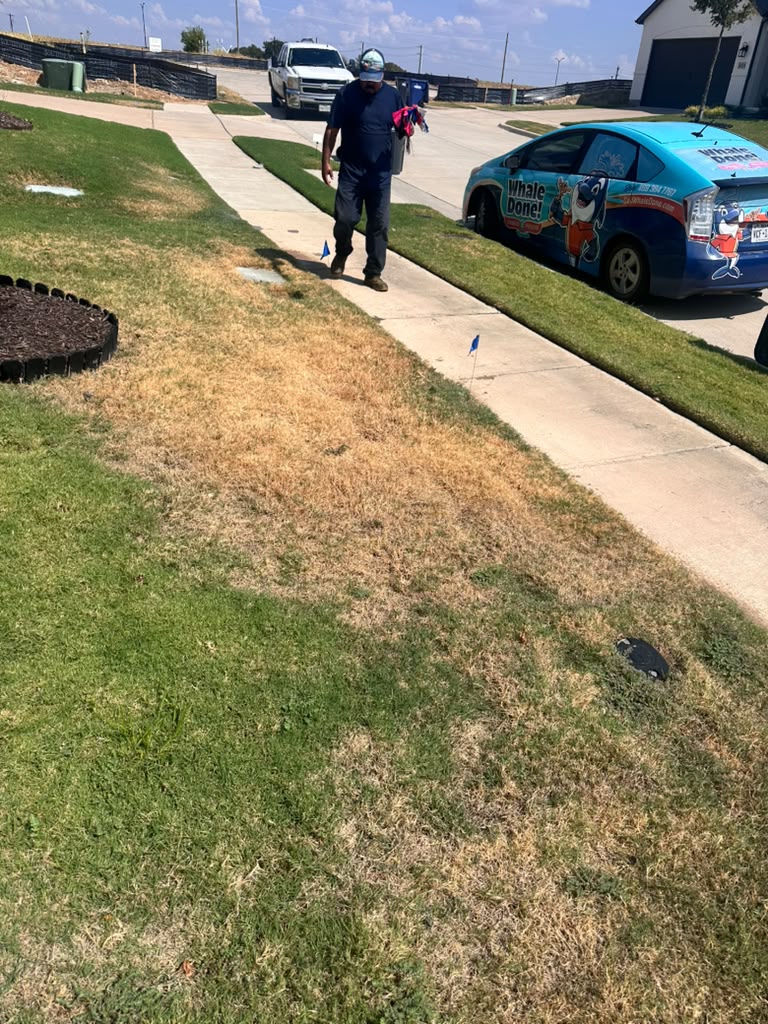
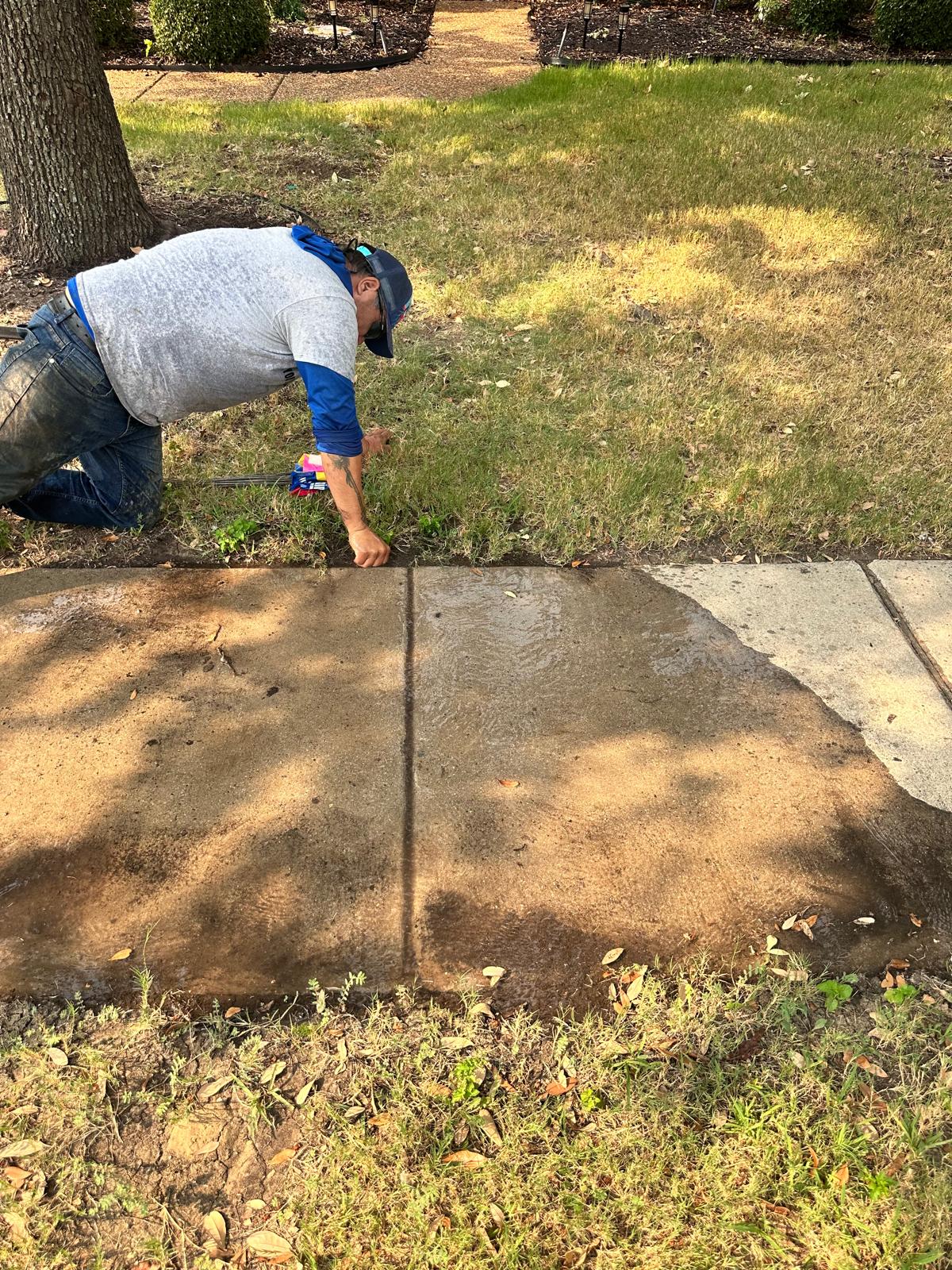
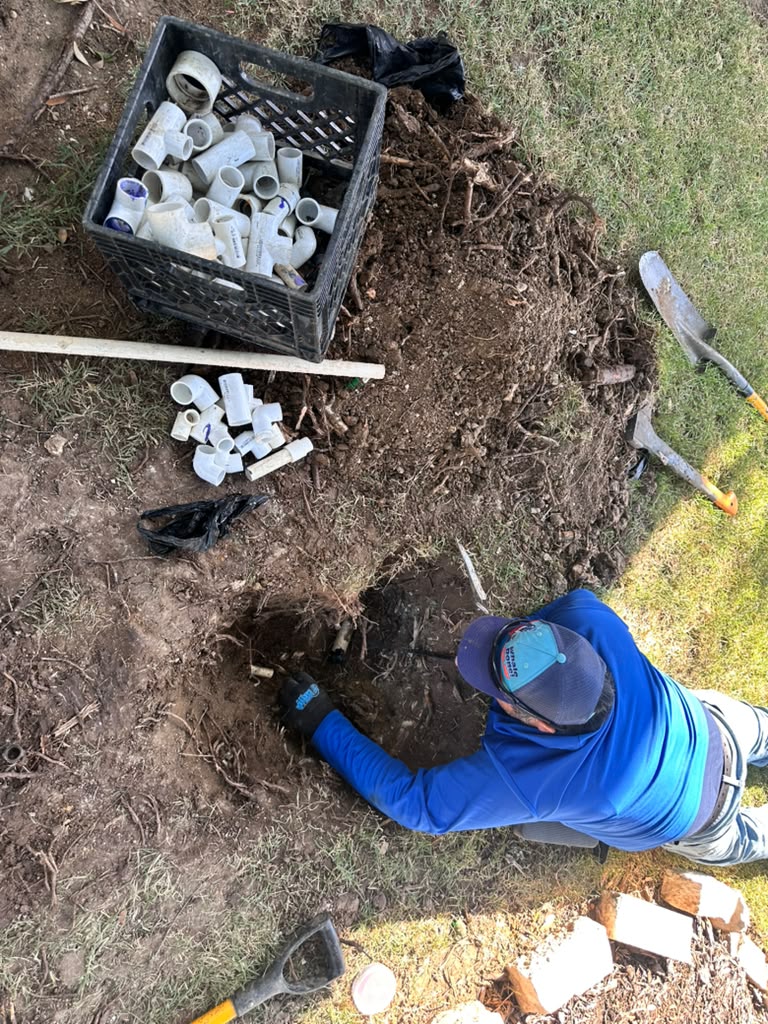
A sprinkler inspection in Frisco TX is one of the most effective ways to keep an irrigation system operating efficiently throughout the year. While many homeowners notice obvious problems such as broken sprinkler heads or dry patches, a professional inspection looks much deeper. It evaluates every major component of the irrigation system to ensure it delivers the correct amount of water while minimizing waste, preventing costly repairs, and supporting a healthier landscape.
Frisco homeowners invest significant time and money into maintaining beautiful lawns, gardens, and outdoor living spaces. However, even a well-installed irrigation system experiences wear over time due to seasonal weather changes, shifting soil, normal component aging, and frequent operation. Without regular inspections, small issues can gradually develop into expensive problems that affect both the landscape and water bills.
Understanding what professionals evaluate during an inspection can help homeowners appreciate the value of preventative maintenance and make informed decisions about caring for their irrigation systems.
Why Regular Sprinkler Inspection in Frisco TX Matter
An irrigation system operates through dozens of interconnected components working together. If just one part fails, the entire system’s efficiency can decline.
Routine inspections help identify problems before they become emergencies. Rather than waiting until large brown patches appear or unusually high water bills arrive, inspections allow professionals to detect hidden issues early.
Benefits of routine inspections include:
- Improved watering efficiency
- Reduced water waste
- Healthier grass and landscaping
- Longer equipment lifespan
- Lower repair costs
- Better compliance with local watering practices
Preventative inspections are often far less expensive than repairing major underground leaks or replacing damaged landscaping caused by irrigation failures.
Evaluating the Irrigation Controller
The irrigation controller serves as the system’s command center. During an inspection, professionals begin by reviewing its programming and operation.
They verify:
- Current watering schedules
- Seasonal run times
- Zone assignments
- Backup battery condition
- Date and time accuracy
- Manual operation functions
Programming that worked during spring may no longer be appropriate during hotter summer months or cooler fall weather. Adjusting schedules improves efficiency while preventing overwatering.
For homeowners using smart irrigation controllers, technicians also confirm that weather-based adjustments function properly.
Additional information about smart irrigation technology can be found through the EPA WaterSense program.
Inspecting the Backflow Prevention Device
Every irrigation system should include a functioning backflow prevention assembly that helps protect the household water supply.
Professionals inspect the device for:
- Visible leaks
- Corrosion
- Cracked fittings
- Proper operation
- Secure connections
A malfunctioning backflow preventer may not immediately affect lawn watering, but it can become a significant safety concern if left unaddressed.
Routine inspections help identify wear before failures occur.
Checking Water Pressure
Proper water pressure is critical for irrigation performance.
Too much pressure may cause:
- Mist instead of spray
- Broken sprinkler heads
- Pipe damage
- Excessive water loss
Too little pressure can result in:
- Poor coverage
- Weak spray patterns
- Dry landscape areas
- Uneven watering
Technicians measure operating pressure across different zones to determine whether adjustments or repairs are necessary.
Pressure regulation plays an important role in efficient irrigation design.
Testing Every Irrigation Zone
One of the most important parts of a sprinkler inspection involves activating every irrigation zone individually.
Professionals observe:
- Start-up performance
- Coverage consistency
- Water distribution
- Shutoff operation
- Spray direction
Running each zone allows technicians to identify issues that homeowners may never notice during automatic watering cycles.
Every zone should deliver even coverage without overspraying sidewalks, streets, driveways, or structures.
Examining Sprinkler Heads
Sprinkler heads experience constant exposure to mowing equipment, foot traffic, weather, and soil movement.
During an inspection, each head is evaluated for:
- Physical damage
- Proper alignment
- Full pop-up operation
- Correct spray pattern
- Adequate rotation
- Nozzle condition
Even slightly tilted sprinkler heads can create dry spots or oversaturated areas.
Professionals often make simple adjustments that significantly improve watering efficiency.
The Irrigation Association offers educational resources on irrigation best practices and system performance.
Looking for Hidden Leaks
Not every leak is visible on the surface.
Professionals inspect for signs such as:
- Constant moisture
- Soil erosion
- Pressure loss
- Unusually green patches
- Standing water
- Valve box flooding
Underground leaks can waste thousands of gallons of water annually if left untreated.
Early detection helps reduce repair costs while protecting landscaping.
Inspecting Irrigation Valves
Valves control water flow throughout the irrigation system.
Technicians inspect:
- Valve operation
- Electrical connections
- Solenoids
- Diaphragms
- Internal seals
- Valve boxes
A faulty valve may remain partially open or fail to activate altogether.
Valve problems often create inconsistent watering patterns that homeowners mistake for controller issues.
Evaluating Underground Pipes
Although underground piping cannot always be seen directly, professionals use system performance to evaluate pipe condition.
Warning signs include:
- Pressure fluctuations
- Air in sprinkler lines
- Wet ground
- Reduced coverage
- Unexpected sinkholes
Pipe inspections help detect developing issues before major excavation becomes necessary.
Checking Spray Coverage
Uniform water distribution is essential for maintaining healthy landscapes.
During inspections, technicians evaluate whether sprinkler heads overlap correctly.
They check for:
- Dry patches
- Overspray
- Water runoff
- Wind interference
- Obstructed spray patterns
Proper head-to-head coverage ensures every section of the lawn receives sufficient moisture without unnecessary waste.
Identifying Landscape Changes
As landscapes mature, changes such as newly planted trees, expanding shrubs, flower beds, fences, patios, and other outdoor features can interfere with your sprinkler system’s original watering pattern. These additions may block spray coverage or prevent water from reaching certain areas efficiently, leading to dry spots or excessive watering. During a professional inspection, technicians carefully evaluate how these landscape changes affect irrigation performance. If necessary, they recommend adjusting sprinkler head positions, replacing nozzles, or modifying spray patterns to restore proper coverage, improve water efficiency, and ensure every part of your landscape receives the right amount of irrigation.
Assessing Soil Conditions
Frisco commonly experiences clay-heavy soils that absorb water differently than sandy soils.
Professionals consider:
- Soil compaction
- Drainage characteristics
- Water infiltration
- Surface runoff
- Standing water
These observations help determine whether watering schedules should be adjusted for maximum efficiency.
Helpful lawn care and soil guidance is available from the Texas A&M AgriLife Extension.
Inspecting Drip Irrigation Components
Many landscapes include drip irrigation for flower beds, shrubs, or gardens.
During inspection, professionals examine:
- Emitters
- Tubing
- Filters
- Pressure regulators
- Connections
Small clogs can significantly reduce watering effectiveness.
Routine maintenance helps ensure drip systems continue delivering water directly to plant roots.
Reviewing Seasonal Adjustments
One watering schedule rarely works year-round.
Professional inspections include recommendations for seasonal programming based on:
- Temperature
- Rainfall
- Plant growth
- Daylight hours
- Soil moisture
Adjusting irrigation schedules throughout the year helps reduce unnecessary watering while supporting healthy plant growth.
Examining Drainage Around Irrigation Areas
Poor drainage can often resemble irrigation problems, making a thorough evaluation essential before any repairs are made. During an inspection, technicians look for signs such as standing water, low areas where water collects, soil erosion, saturated turf, and runoff patterns that indicate improper drainage. These conditions may not be caused by the sprinkler system itself but instead by grading or landscape drainage issues. Identifying the actual source of the problem helps avoid unnecessary irrigation repairs or replacement of properly functioning sprinkler components. Addressing drainage concerns appropriately improves water management, protects the landscape, and supports healthier, longer-lasting lawn conditions.
Testing Rain and Weather Sensors
Many modern irrigation systems include weather sensors that automatically suspend watering during rainfall.
During inspection, professionals verify:
- Sensor communication
- Mounting condition
- Battery status
- Proper shutdown operation
Faulty sensors can cause unnecessary watering despite recent rainfall.
Maintaining these devices contributes to long-term water conservation.
Confirming Electrical Components
Proper electrical communication is essential for an irrigation system to operate consistently and efficiently. During a professional inspection, technicians carefully evaluate wiring connections, controller outputs, solenoid resistance, voltage readings, and wire splices to ensure every component is functioning correctly.
Even minor electrical faults can disrupt communication between the controller and valves, causing zones to activate inconsistently or fail altogether. Because these symptoms often resemble mechanical problems, electrical issues may go unnoticed without a thorough inspection. Identifying damaged wiring or faulty electrical connections early helps prevent unnecessary repairs, improves system reliability, and ensures each irrigation zone performs as intended.
Inspecting Valve Boxes
Valve boxes protect critical irrigation components beneath the ground.
Professionals ensure they remain:
- Accessible
- Free from debris
- Properly sealed
- Structurally intact
Overgrown vegetation or accumulated dirt can make future repairs much more difficult.
Routine cleaning during inspections helps maintain easy access.
Reviewing Overall Water Efficiency
Rather than focusing only on repairs, professional inspections evaluate the irrigation system as a whole.
Recommendations may include:
- Nozzle upgrades
- Pressure regulation improvements
- Smart controller programming
- Zone modifications
- Water-saving adjustments
These improvements often enhance system performance while reducing monthly water usage.
The Sprinkler Warehouse learning center provides additional educational resources about irrigation components and maintenance.
Common Problems Found During Professional Inspections
Even systems that appear to work normally often contain hidden issues.
Some of the most common findings include:
- Misaligned sprinkler heads
- Broken nozzles
- Clogged filters
- Underground leaks
- Faulty valves
- Controller programming errors
- Excessive water pressure
- Low pressure zones
- Damaged wiring
- Poor spray overlap
Most of these problems are relatively simple to correct when identified early.
How Often Should Homeowners Schedule an Inspection?
Although every property differs, most irrigation professionals recommend scheduling a comprehensive inspection at least once each year.
Additional inspections may be beneficial when:
- Purchasing a new home
- Completing landscape renovations
- Experiencing unusually high water bills
- Seeing brown lawn areas
- Noticing standing water
- Preparing for seasonal changes
Annual evaluations provide peace of mind while helping maintain reliable irrigation performance.
Conclusion
Scheduling a sprinkler inspection in Frisco TX is a proactive investment in the long-term health of your landscape and irrigation system. A professional inspection goes far beyond checking whether sprinkler heads are spraying properly—it includes evaluating controllers, valves, pipes, water pressure, drainage, electrical components, coverage patterns, and overall system efficiency. By identifying small issues before they become major repairs, homeowners can reduce water waste, improve lawn health, and extend the life of their irrigation equipment.
If you’re looking for trusted service for a sprinkler inspection in Frisco TX, contact Whale Done Sprinklers & Irrigation.
Phone: +1 (469) 384-7767
Email: clientsupport@callwhaledone.com