Irrigation system leaks in Anna TX can lead to significant water waste, higher utility bills, landscape damage, and reduced system efficiency if they are not addressed promptly. Whether the leak is coming from a broken sprinkler head, damaged pipe, faulty valve, or worn connection, identifying and repairing the issue quickly can help homeowners protect their investment and maintain a healthy lawn.
As Anna continues to grow and more properties rely on automated irrigation systems, regular maintenance and timely repairs become increasingly important. Understanding the causes, warning signs, and repair methods for irrigation leaks can help property owners minimize water loss and avoid costly landscape damage.
Why Irrigation System Leaks Should Never Be Ignored
Many property owners underestimate the impact of a small irrigation leak. While a minor leak may seem harmless initially, it can quickly develop into a more serious issue.
Even a slow leak can:
- Increase monthly water bills
- Cause soil erosion
- Create muddy areas in the yard
- Promote weed growth
- Damage plant roots
- Reduce irrigation efficiency
- Lead to foundation concerns over time
According to the EPA WaterSense Program, outdoor water use accounts for a substantial portion of residential water consumption, making leak prevention essential for water conservation.
Common Causes of Irrigation System Leaks
Understanding what causes irrigation leaks is the first step toward effective repairs.
Broken Sprinkler Heads
Sprinkler heads are exposed to foot traffic, lawn equipment, vehicles, and weather conditions. Over time, these factors can cause cracks, breaks, or misalignment.
Common signs include:
- Water spraying unevenly
- Geyser-like water streams
- Pooling water around sprinkler heads
- Reduced water pressure
Damaged Underground Pipes
Underground irrigation pipes can crack due to:
- Soil movement
- Tree root intrusion
- Freezing temperatures
- Ground settling
- Construction activities
Because these pipes are hidden, leaks often remain unnoticed until visible damage occurs.
Faulty Valves
Control valves regulate water flow throughout the irrigation system. When a valve fails, it may remain partially open or leak continuously.
Symptoms may include:
- Zones running unexpectedly
- Constant water seepage
- Inconsistent watering schedules
Worn Seals and Fittings
Rubber seals, gaskets, and fittings naturally deteriorate over time. As these components age, water may escape through loose or damaged connections.
Excessive Water Pressure
High water pressure can strain irrigation components, eventually causing cracks, leaks, and premature system failure.
The Irrigation Association recommends maintaining proper operating pressure to maximize irrigation efficiency and equipment lifespan.
Warning Signs of Irrigation System Leaks
Early detection is critical when dealing with irrigation leaks.
Unusually High Water Bills
A sudden and unexplained increase in your monthly water bill can be a strong indication of a hidden irrigation leak. Even small leaks can waste significant amounts of water over time, leading to higher utility costs.
Soggy or Muddy Areas
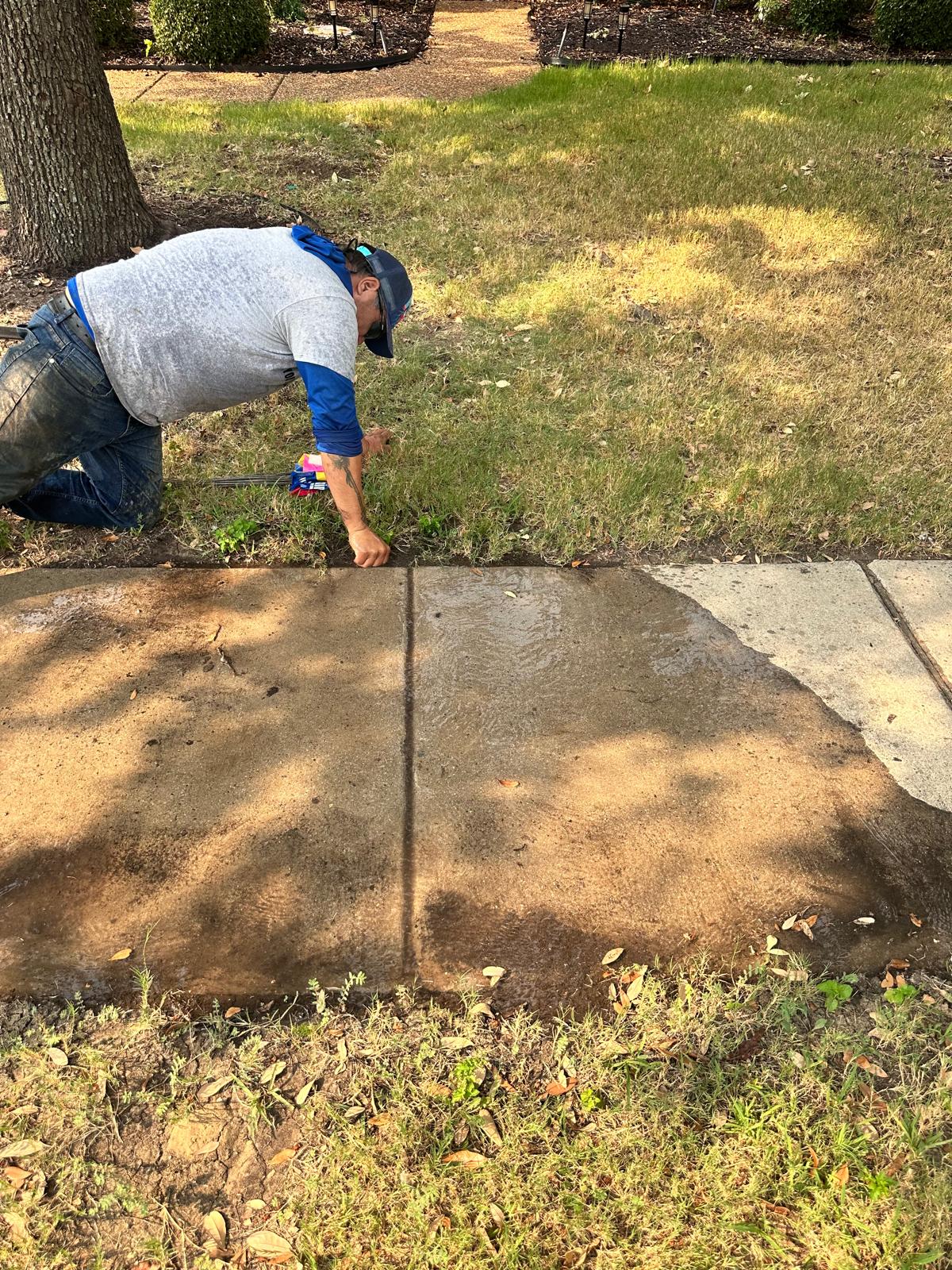
Persistent wet, muddy, or unusually soft spots in your yard may signal an underground pipe leak. These areas often remain damp long after irrigation cycles have ended, indicating continuous water loss beneath the surface.
Reduced Sprinkler Performance
When an irrigation system develops a leak, water pressure may decrease throughout the affected zone. This can result in weak spray patterns, uneven watering coverage, and reduced overall system efficiency across the landscape.
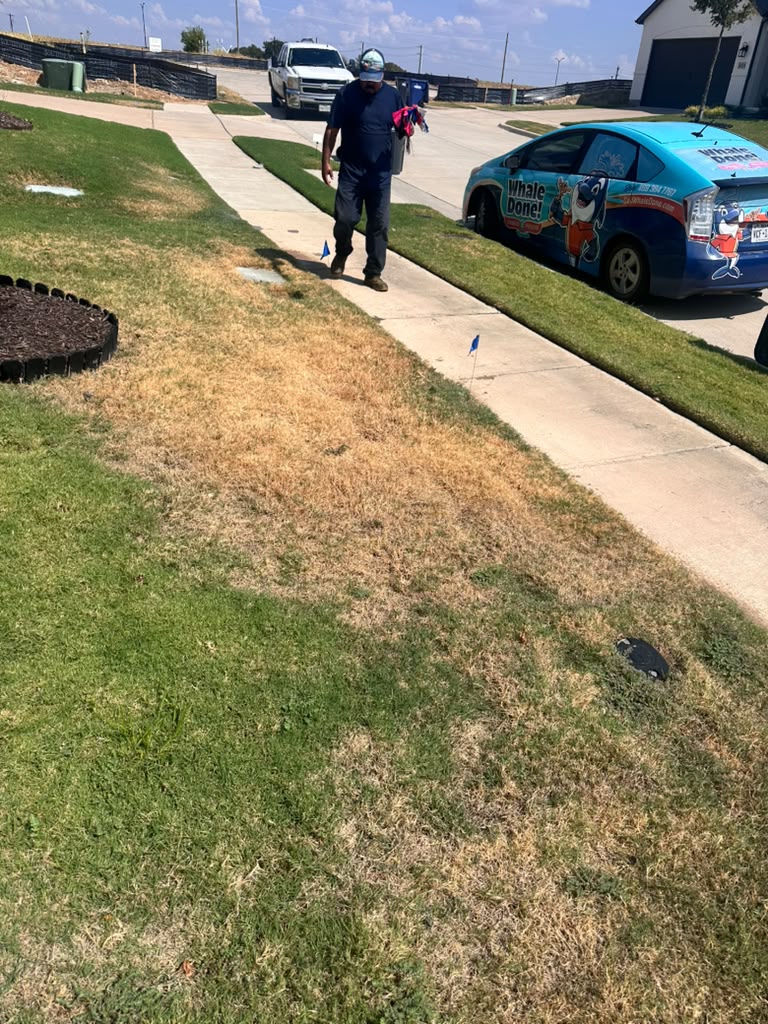
Dead or Overwatered Grass
Leaks can disrupt normal water distribution, causing some areas of the lawn to receive insufficient moisture while others become oversaturated. This imbalance often leads to patches of dead, yellowing, or excessively lush grass.
Water Pooling Around Components
Visible puddles or standing water around sprinkler heads, valves, pipe connections, or backflow preventers are common signs of leakage. These accumulations typically indicate damaged components that require prompt inspection and repair
Constantly Running Water Meter
If all indoor and outdoor water fixtures are turned off but your water meter continues registering usage, a hidden leak may exist. Irrigation system leaks are often responsible for unexplained water movement and waste.
How to Locate Irrigation System Leaks
Before beginning repairs, the exact leak location must be identified.
Perform a Visual Inspection
Walk through the property while the irrigation system is running.
Look for:
- Broken sprinkler heads
- Excessive spray patterns
- Water bubbling from the soil
- Standing water
- Damaged fittings
Inspect Individual Zones
Activate each irrigation zone separately.
This helps isolate the leak to a specific section of the system.
Check Valve Boxes
Open valve boxes and inspect for standing water, damaged components, or loose fittings.
Monitor Water Pressure
Pressure fluctuations often indicate hidden leaks within underground lines.
Use Professional Leak Detection Methods
Advanced leak detection tools can identify underground leaks without extensive excavation.
Many professionals use acoustic sensors, pressure testing equipment, and specialized diagnostic tools to locate hidden irrigation leaks efficiently.
For additional water conservation information, homeowners can review resources from the Texas Commission on Environmental Quality.
How to Fix Broken Sprinkler Heads
Broken sprinkler heads are among the easiest irrigation leaks to repair.
Step 1: Shut Off the Water
Turn off the irrigation system before beginning any repairs.
Step 2: Dig Around the Head
Carefully remove soil around the damaged sprinkler head.
Step 3: Remove the Damaged Component
Unscrew the broken head from the riser.
Step 4: Install a Replacement
Attach a new sprinkler head that matches the original specifications.
Step 5: Test the System
Turn the water back on and verify proper operation.
Replacing damaged sprinkler heads quickly prevents unnecessary water waste and restores proper coverage.
How to Repair Leaking Pipes
Underground pipe leaks often require more effort to repair.
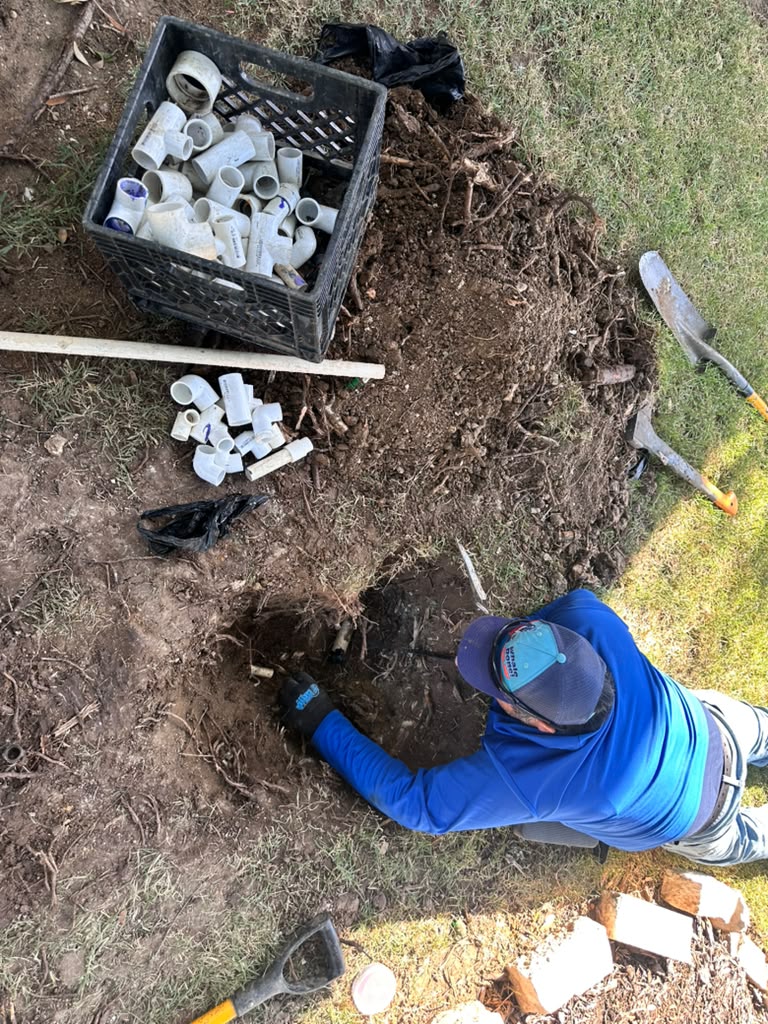
- Expose the Damaged Area: Carefully dig around the suspected leak location.
- Remove the Damaged Section: Cut out the cracked or broken portion of the pipe.
- Install a Repair Coupling: Use compatible repair fittings and pipe materials.
- Secure All Connections: Ensure fittings are properly sealed to prevent future leaks.
- Backfill Carefully: After testing the repair, replace the soil gradually to avoid damaging the pipe.
How to Fix Leaking Valves
Valve repairs vary depending on the extent and type of damage affecting the irrigation system. In many cases, minor valve leaks can be resolved by simply tightening loose components, connections, or fittings that may have shifted over time due to normal wear and operation. However, if the leak persists, worn seals, diaphragms, or internal valve parts are often the underlying cause and should be replaced to restore proper functionality.
These components naturally deteriorate with age and continuous exposure to water pressure. In situations where the valve has sustained significant internal damage, corrosion, or mechanical failure, installing a new valve is often the most effective and long-lasting solution to ensure reliable water flow control and prevent future leaks.
Preventing Future Irrigation Leaks
Preventive maintenance significantly reduces the risk of future irrigation problems.
Schedule Routine Inspections
Regular inspections help detect early signs of irrigation system issues such as small leaks, clogged nozzles, or pressure inconsistencies. Addressing these minor problems promptly prevents them from escalating into expensive repairs, improves system efficiency, and ensures consistent watering performance throughout the landscape year-round.
Monitor Water Usage
Tracking monthly water consumption provides valuable insight into irrigation system performance. Sudden spikes in usage often indicate hidden leaks or inefficiencies. Consistent monitoring helps homeowners quickly identify abnormal patterns, take corrective action early, reduce water waste, and maintain better control over overall utility costs.
Replace Aging Components
Sprinkler heads, valves, seals, and fittings naturally degrade over time due to constant exposure to water pressure and environmental conditions. Replacing these aging components as needed helps maintain system reliability, prevents unexpected failures, improves water distribution accuracy, and extends the overall lifespan of the irrigation system.
Maintain Proper Pressure
Maintaining correct water pressure is essential for efficient irrigation system performance. Installing pressure regulators helps prevent excessive stress on pipes, valves, and sprinkler heads. Proper pressure control reduces the risk of leaks, ensures even water distribution, and protects system components from premature wear and damage.
Protect Equipment During Landscaping Projects
Construction and landscaping activities can easily damage underground irrigation lines if their locations are not properly identified beforehand. Taking precautions before digging helps prevent costly repairs, system disruptions, and water loss. Marking irrigation zones ensures equipment safety and maintains uninterrupted system functionality during outdoor projects.
Upgrade Older Systems
Upgrading outdated irrigation systems improves efficiency, reduces water waste, and enhances overall performance. Modern systems often include smart controllers, advanced leak detection, and automated scheduling features. These improvements help optimize water usage, reduce maintenance needs, and ensure more precise and reliable irrigation across the entire landscape.
Homeowners interested in advanced irrigation practices can explore guidance from the Texas A&M AgriLife Extension Service.
When to Call a Professional
While some irrigation repairs can be handled by homeowners, certain situations require professional expertise.
Consider professional assistance if:
- The leak location cannot be identified
- Multiple zones are affected
- Underground pipes require extensive excavation
- Valve systems are malfunctioning
- Water pressure problems persist
- Previous repairs have failed
Professional irrigation technicians have the equipment, training, and experience necessary to diagnose and repair complex system issues efficiently.
Benefits of Prompt Irrigation Leak Repairs
Repairing irrigation leaks quickly offers several advantages.
Lower Water Bills
Stopping leaks prevents unnecessary water loss and reduces utility expenses.
Healthier Landscapes
Consistent water distribution supports stronger grass, plants, and trees.
Improved System Efficiency
A properly functioning irrigation system delivers water where it is needed most.
Reduced Environmental Impact
Water conservation benefits both homeowners and the local community.
Protection Against Property Damage
Addressing leaks early helps prevent erosion, foundation issues, and landscape deterioration.
Conclusion
Addressing irrigation system leaks in Anna TX quickly is essential for maintaining an efficient irrigation system, protecting your landscape, conserving water, and avoiding unnecessary repair costs. From broken sprinkler heads and damaged underground pipes to faulty valves and worn fittings, identifying problems early and taking corrective action can help ensure long-term system performance.
If you need professional assistance with irrigation system leaks in Anna TX, contact Whale Done Sprinklers & Irrigation for expert irrigation repair and maintenance services.
Whale Done Sprinklers & Irrigation
Phone: +1(469) 384-7767
Email: clientsupport@callwhaledone.com