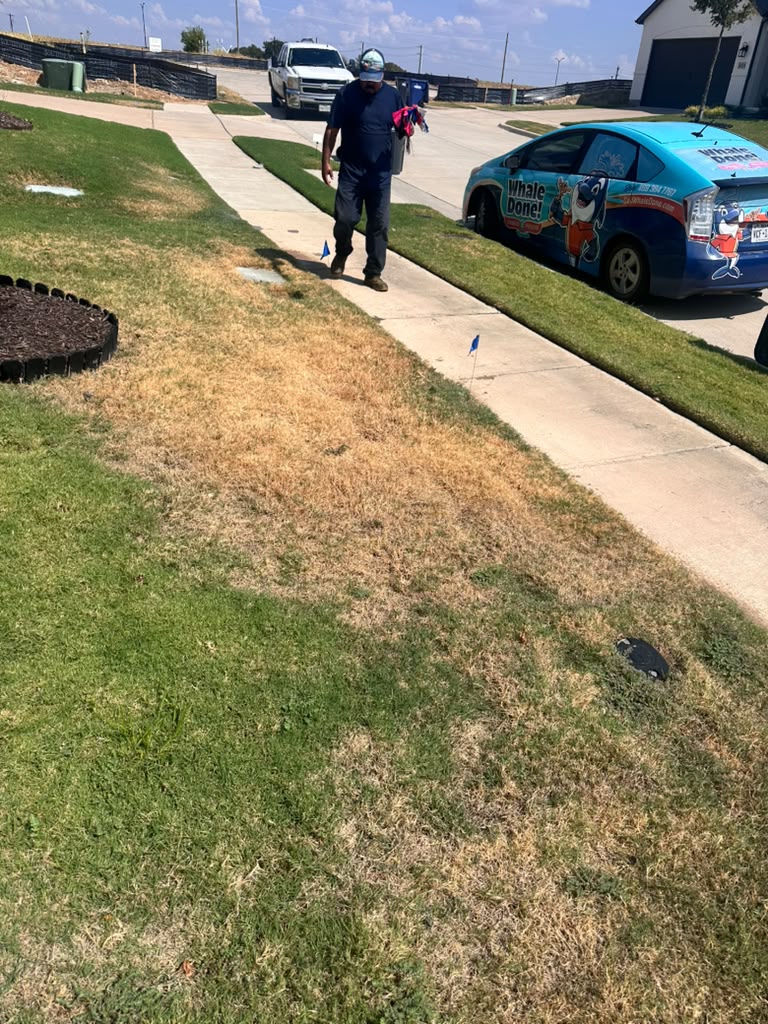
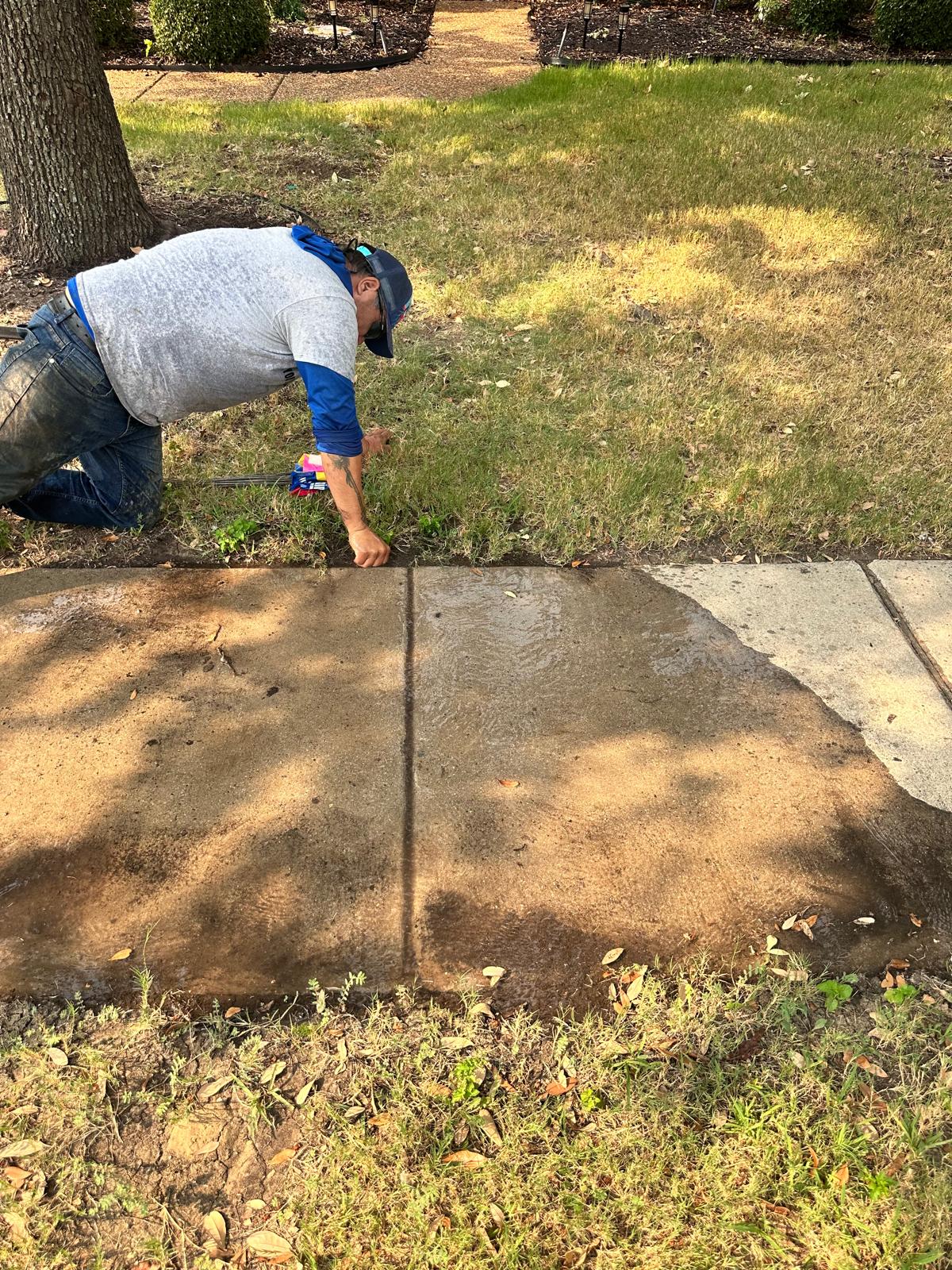
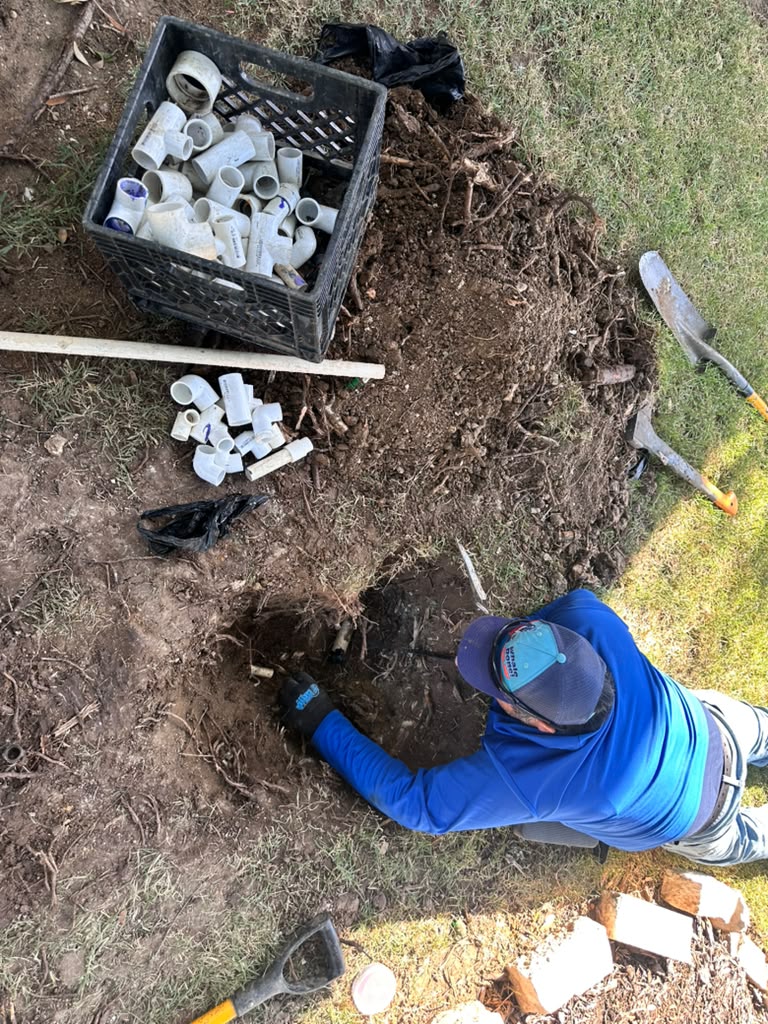
An irrigation drip company in Allen TX plays a crucial role in helping homeowners and businesses achieve efficient, water-saving landscape irrigation systems designed for long-term sustainability and plant health. In a region where weather conditions can shift from dry heat to heavy rainfall, drip irrigation has become one of the most reliable solutions for maintaining healthy lawns and gardens while minimizing water waste.
This comprehensive guide explores how drip irrigation works, why it matters in Allen, TX, what to look for in a professional service provider, and how modern irrigation technology is transforming outdoor water management.
Understanding Drip Irrigation and Why It Matters
Drip irrigation is a low-pressure watering system that delivers water directly to the root zone of plants through a network of tubes, emitters, and valves. Unlike traditional sprinkler systems that spray water over a wide area, drip irrigation minimizes evaporation and runoff.
This method is especially important in communities like Allen, TX, where water conservation is becoming increasingly essential due to seasonal drought conditions and rising utility costs.
According to the U.S. Environmental Protection Agency’s WaterSense program, efficient irrigation systems can reduce outdoor water use by up to 50% when properly designed and maintained. You can explore more about water-saving practices through EPA WaterSense, a national initiative promoting water efficiency standards.
Why Allen TX Homeowners Prefer Drip Irrigation
Allen, Texas experiences hot summers and periodic dry spells that can stress lawns and gardens. Traditional sprinkler systems often lead to overwatering, fungal growth, and uneven moisture distribution. Drip irrigation solves these issues by delivering water precisely where it is needed.
Here are key reasons why residents are switching to drip systems:
1. Water Conservation
Drip irrigation is one of the most water-efficient irrigation methods available. By delivering water directly to the root zone of plants, it minimizes runoff, overspray, and evaporation caused by wind and sunlight. This targeted approach helps conserve valuable water resources while maintaining healthy landscapes and reducing unnecessary waste.
2. Healthier Plant Growth
Plants benefit from a steady and consistent supply of moisture through drip irrigation systems. This controlled watering method reduces plant stress, promotes stronger root development, and encourages healthier overall growth. Consistent hydration also helps plants absorb nutrients more effectively, improving their appearance, resilience, and long-term health.
3. Lower Utility Bills
Because drip irrigation systems use water more efficiently than traditional sprinklers, homeowners often experience noticeable savings on monthly water bills. Reduced water consumption means less waste and lower operating costs. Over time, these savings can add up significantly while still supporting healthy lawns, gardens, and landscape features.
4. Reduced Weed Growth
Drip irrigation delivers water only where it is needed, limiting moisture in surrounding soil areas. Since weeds rely on available moisture to germinate and spread, this targeted watering approach helps reduce unwanted weed growth. As a result, landscapes require less maintenance and fewer resources to stay attractive and healthy.
How a Professional Irrigation Drip Company Helps
Working with an experienced irrigation drip company ensures proper system design, installation, and long-term maintenance. These professionals assess soil conditions, plant types, sun exposure, and property layout before designing a system.
A reputable company will typically provide:
- Site evaluation and irrigation planning
- Customized drip line installation
- Pressure regulation setup
- Filter and emitter configuration
- Seasonal maintenance and repair services
Industry experts from the Irrigation Association emphasize that properly designed irrigation systems improve efficiency, reduce system failures, and extend equipment lifespan.
Components of a Drip Irrigation System
Understanding the main components of a drip irrigation system helps homeowners appreciate its precision and efficiency.
Drip Tubing
Drip tubing serves as the primary pathway for transporting water throughout the irrigation system and delivering it directly to plants. Designed for efficiency, it helps distribute water evenly across landscaped areas while minimizing evaporation, runoff, and waste. Properly maintained tubing supports healthy plant growth and reliable system performance.
Emitters
Emitters are small but essential components that release water slowly and consistently at the base of plants. By delivering moisture directly to the root zone, they improve water efficiency, reduce evaporation, and help plants receive the precise amount of water needed for healthy growth and development.
Filters
Filters play a critical role in protecting drip irrigation systems by removing dirt, debris, and other particles from the water supply. Regularly cleaned and maintained filters help prevent clogs, improve water flow, protect emitters from damage, and ensure the entire irrigation system operates efficiently and reliably.
Pressure Regulators
Pressure regulators help maintain a steady and controlled water pressure throughout the drip irrigation system. Since excessive pressure can damage tubing and emitters, these devices protect system components, improve water distribution, extend equipment lifespan, and support consistent irrigation performance across landscaped areas.
Valves and Controllers
Valves and controllers automate irrigation schedules by regulating when and how much water is delivered to specific zones. These components improve watering consistency, conserve water, reduce manual effort, and help ensure plants receive the appropriate amount of moisture throughout changing seasonal conditions.
Modern systems often integrate smart controllers that adjust watering schedules based on weather conditions and soil moisture.
Role of Technology in Modern Irrigation Systems
Advancements in irrigation technology have significantly improved system efficiency. Smart controllers, soil moisture sensors, and weather-based automation systems are now commonly used in residential and commercial landscapes.
Organizations such as Texas A&M AgriLife Extension Service provide research-based guidance on irrigation best practices and water conservation strategies tailored to Texas climates.
Smart irrigation systems can automatically adjust watering schedules based on rainfall, temperature, and humidity, ensuring plants receive the right amount of water without waste.
Drip Irrigation vs Traditional Sprinklers
Choosing between drip irrigation and traditional sprinkler systems depends on landscape type and water efficiency goals.
Drip Irrigation Advantages:
- Highly efficient water usage
- Minimal evaporation loss
- Reduced runoff
- Ideal for gardens, shrubs, and trees
Sprinkler System Advantages:
- Better for large lawns
- Easier coverage of open areas
- Faster watering time
Many homeowners in Allen, TX choose a hybrid approach, combining both systems for maximum efficiency.
Common Problems in Irrigation Systems
Even well-designed irrigation systems may experience issues over time. Some common problems include:
- Clogged emitters due to sediment buildup
- Broken tubing from lawn equipment or root growth
- Uneven water distribution
- Pressure imbalance in system zones
- Timer or controller malfunction
Regular maintenance and seasonal inspections help prevent these issues and ensure consistent performance.
Maintenance Tips for Long-Lasting Efficiency
Maintaining a drip irrigation system does not require extensive effort, but it does require consistency.
- Inspect Regularly: Check for leaks, blockages, and damaged tubing.
- Flush the System: Flushing removes debris that can accumulate in lines.
- Adjust Seasonally: Watering schedules should change based on seasonal conditions.
- Clean Filters: Dirty filters reduce system efficiency and water flow.
- Monitor Plant Health: Wilting or overgrowth may indicate irrigation imbalance.
Environmental Benefits of Drip Irrigation
Drip irrigation is widely recognized as one of the most environmentally friendly watering methods available. It reduces water waste, limits soil erosion, and supports sustainable landscaping practices.
The Hunter Industries emphasizes smart irrigation technologies that reduce environmental impact while maintaining landscape beauty and efficiency.
By using drip irrigation, homeowners contribute to water conservation efforts and reduce strain on local water systems.
Cost Considerations and Long-Term Savings
While drip irrigation systems may require an initial investment, the long-term savings often outweigh the upfront cost. Reduced water bills, lower maintenance expenses, and healthier landscapes contribute to overall financial benefits.
Factors influencing cost include:
- Property size
- System complexity
- Soil conditions
- Number of irrigation zones
- Technology integration
Over time, many homeowners see significant reductions in water consumption and landscape maintenance costs.
Choosing the Right Irrigation Professional in Allen TX
Selecting the right service provider is essential for system performance and longevity. Here are key qualities to look for:
Experience and Certification
Choose professionals with proven experience and proper certification in drip irrigation design, installation, and repair to ensure accurate work, system efficiency, and reliable long-term performance for your landscape needs.
Local Knowledge
Understanding Allen, TX climate patterns, seasonal changes, and clay-heavy soil conditions is essential for building efficient irrigation systems that perform well and reduce water waste throughout the year.
Custom Design Approach
Avoid one-size-fits-all solutions by selecting irrigation professionals who design systems tailored to your specific landscape layout, plant needs, and water requirements for better efficiency and healthier growth.
Maintenance Support
Ongoing maintenance and support services help ensure your irrigation system continues to operate efficiently, preventing leaks, improving performance, and extending the lifespan of all system components over time.
Transparent Pricing
Clear and upfront pricing helps homeowners understand service costs in advance, avoid unexpected charges, and make informed decisions when choosing irrigation repair or installation services.
Future of Irrigation Systems in Texas
The future of irrigation is rapidly shifting toward automation, sustainability, and data-driven technology that improves efficiency and reduces water waste. Smart irrigation controllers are now widely used, allowing homeowners and property managers to adjust watering schedules automatically based on real-time weather conditions and soil moisture levels.
In addition, AI-based systems and remote monitoring tools are making it easier to track performance, detect issues early, and optimize water usage across different zones. As water conservation becomes an even higher priority across Texas, drip irrigation will continue to play a major role in both residential and commercial landscapes, offering precise watering, improved plant health, and long-term environmental benefits.
Conclusion
Choosing the right irrigation system can significantly impact water efficiency, plant health, and long-term landscape sustainability. A trusted irrigation drip company in Allen TX ensures proper system design, installation, and maintenance tailored to local environmental conditions.
For professional irrigation solutions and expert assistance, contact:
Business Name: Whale Done Sprinklers & Irrigation
Phone: +1(469) 384-7767
Email: clientsupport@callwhaledone.com