Sprinkler head repair in McKinney TX is the right fix when a dry spot stays dry after you’ve checked your schedule, your coverage, and your soil. It isn’t the answer to every brown patch. Many fall dry spots come from watering times that no longer fit the season, compacted clay, shade, or slopes that shed water.
Start with a simple test. Run the zone and watch the heads, then measure how much water each area actually receives. If one head is broken, clogged, or tilted, repair it. If every head works but the spot is still dry, adjust the schedule or address the soil instead.
At a Glance
| Difficulty | Easy (testing and schedule changes); moderate (replacing heads) |
| Estimated Time | About 1 hour for a zone-by-zone check, plus 2-3 weeks to judge results |
| Tools Needed | Flags or stakes, 4-6 shallow containers (tuna cans work), ruler, screwdriver, phone camera |
| Works For | Isolated dry spots, uneven spray, clogged or crooked heads, schedule mismatches |
| May Not Solve | Compacted or sloped soil, low pressure, valve problems, tree root competition |
Why Fall Dry Spots Show Up
Fall is when small problems become visible. Cooler nights and shorter days change how much water your lawn needs. A system that worked fine in July may now over-water some areas and under-water others.
Dry spots also appear because lawns use water unevenly. Sun, shade, slope, and soil type all change how fast an area dries out. Two neighbors can run the same schedule and get very different results.
Here are the most common causes of a dry patch:
- A broken, clogged, or misaligned sprinkler head
- A schedule that runs too briefly or at the wrong time of day
- Compacted clay that sheds water before it soaks in
- Heads spaced too far apart to overlap properly
- Slopes where water runs off
- Tree roots or shade changing how the turf grows
Only some of those are sprinkler faults.
Schedule, Coverage, or Soil: What’s Actually Going On?
It helps to think of three separate questions. Is the lawn getting water at the right times? Is the water reaching every part of the lawn? Can the soil hold what it receives?
Schedule Problems
A schedule problem affects a broad area, not one small spot. The whole zone may look stressed, or the dry areas may follow sun exposure rather than head locations. If dry spots are scattered and don’t line up with your heads, timing is a likely cause.
Coverage Problems
A coverage problem follows the sprinkler layout. Dry areas sit between heads, directly beside a head, or at the edge of a spray pattern. The lawn looks like it has a pattern of missed spots.
Soil Problems
A soil problem follows the ground. Hard, compacted clay can repel water, and slopes can send it past the dry area. Water may puddle in one spot while a few feet away stays bone dry.
Quick Comparison
| Clue | Likely Cause |
| Whole zone looks stressed | Schedule |
| Dry spots line up with heads or gaps between heads | Coverage or a faulty head |
| Water pools or runs off, but soil below is dry | Soil or slope |
| Dry spot under a tree or along a fence | Shade, roots, or blocked spray |
When Is Sprinkler Head Repair in McKinney TX the Right Fix?
A head repair makes sense when the head itself is clearly the problem. You can often see it in the spray pattern. The fix is usually simple and inexpensive.
Look for these signs:
- The head doesn’t pop up fully or sticks
- The spray is weak, misting, or uneven
- Water sprays in the wrong direction or at the sidewalk
- A cracked body leaks water around the base
- Grass or debris blocks the spray
- A mower clipped the head
If you see any of these, repairing or replacing the head is worth doing before you change your schedule. Otherwise, you may end up adding water to cover for a broken part.
Sometimes the head is fine but its position is wrong. A head that’s sunk below the turf or tilted sideways can throw water where the lawn doesn’t need it. Adjustment may solve the problem without any new parts.
Step-by-Step: How to Diagnose a Dry Spot
Step 1: Observe Before You Change Anything
Take photos of the dry spots and mark them with flags. Note whether they’re in sun or shade, on a slope, or near a tree. This gives you a pattern to work with.
Step 2: Run the Zone and Watch
Run the zone and walk it. Look for heads that don’t pop up, weak spray, or blocked nozzles. Check that spray patterns overlap, since each head should reach the next one.
Step 3: Do a Catch-Can Test
Place several shallow containers across the zone, including the dry area. Run the zone for 15 minutes. Measure the water depth in each container.
Big differences between containers point to coverage problems. Similar amounts in every container suggest the water is arriving evenly and the issue may be schedule or soil.
Step 4: Check the Soil
Push a screwdriver into the ground a day after watering. If it goes in easily in some areas and stops quickly in others, compacted soil may be the issue. Dig a small plug to see how deep moisture reaches.
Step 5: Change One Thing at a Time
Fix any obvious head problems first. Then adjust the schedule for the affected zone only. Wait two to three weeks before judging the result.
Changing everything at once makes it impossible to know what worked.
Common Mistakes Homeowners Make
Most dry-spot mistakes come from guessing. Here are the ones to avoid:
- Adding more watering time for the whole yard. This wastes water in zones that were fine.
- Copying a neighbor’s schedule. Soil, sun, and slope differ from yard to yard.
- Assuming every dry spot is a broken head. Test first.
- Watering daily in short bursts. Shallow watering encourages shallow roots.
- Ignoring runoff. If water leaves the lawn before soaking in, more time won’t help.
- Judging results after two days. Lawns respond slowly.
North Texas Considerations for McKinney Homeowners
McKinney’s soil and weather affect how dry spots form and how you fix them. Keeping these in mind helps you avoid the wrong repair.
Clay Soil
North Texas clay absorbs water slowly and can crust over. Water may run off the surface before it reaches the roots. Many homeowners water in shorter cycles with breaks in between so the soil can absorb each round.
Fall Heat and Wind
Early fall can still bring hot, dry days. Wind can push spray away from its target and make healthy heads look like they’re failing. Watering early in the morning reduces wind loss and evaporation.
Seasonal Watering
Lawn water needs to drop as temperatures cool. A schedule that fit August is usually too much by November. The EPA’s WaterSense watering tips explain how to match watering to the season rather than a fixed calendar.
Water Restrictions and Turf Type
Check your water provider for current watering rules, since restrictions can change. Grass type matters too. The Texas A&M AgriLife Extension offers turfgrass guidance for North Texas lawns, including how different grasses respond to fall conditions.
Foundation Movement
Clay shifts as it swells and shrinks. That movement can tilt heads or stress buried lines over time. If heads keep sinking or leaning, the soil around them may be moving.
Related Problems That Look Like Head Failure
Some dry spots point to a bigger issue than a single head. If repairs and schedule changes don’t help, consider these:
- Low water pressure: Weak spray across a whole zone may come from a valve or supply issue
- Valve problems: A valve that only partly opens can starve a zone
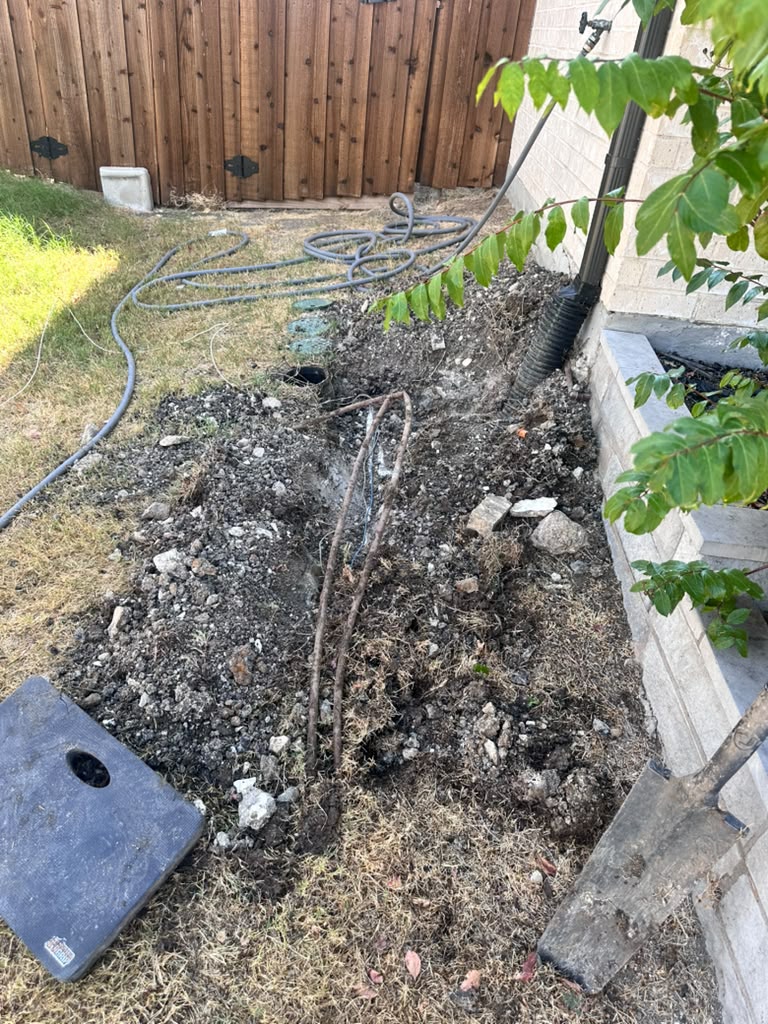
- Underground leaks: Soggy areas near dry ones can signal a pipe break
- Poor head spacing: Older systems may not overlap enough for even coverage
- Controller errors: Wrong start times or duplicate programs can throw off the schedule
- Turf disease or grubs: Brown patches can be a lawn health issue, not a watering one
Our guides on sprinkler valve repair and sprinkler system repair cover several of these.
Frequently Asked Questions
How do I know if a dry spot is a sprinkler problem or a watering problem?
Check the pattern. Dry spots that line up with heads or gaps between heads point to coverage. Dry areas across a whole zone, or in sun and on slopes, often point to schedule or soil.
How long should I run my sprinklers in fall?
It depends on your soil, grass type, slope, and sprinkler type. A catch-can test shows how much water each zone delivers, so you can set run times based on your yard instead of a general rule.
Can I fix a sprinkler head myself?
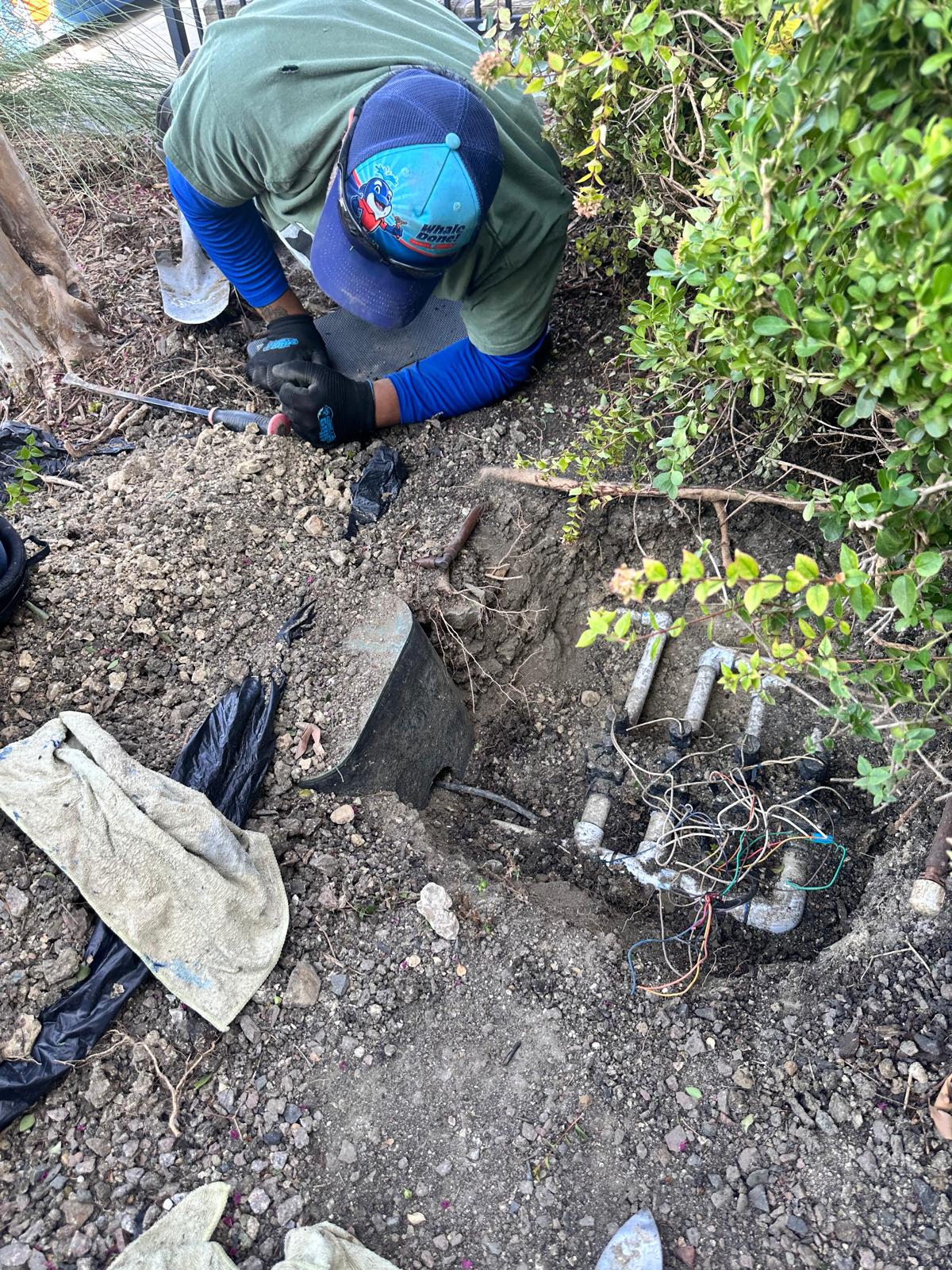
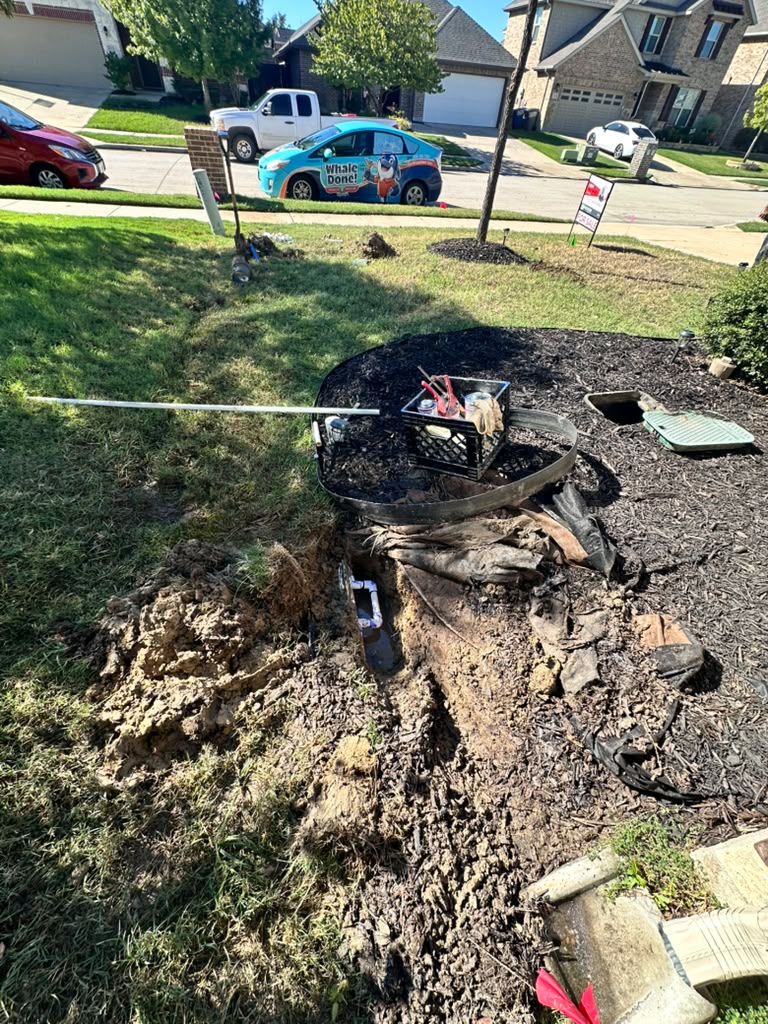
Often, yes. Replacing a cracked head or clearing a clogged nozzle is usually a manageable job. Turn the zone off, dig carefully around the head, and watch for buried lines.
Why does one area stay dry even after I water more?
Compacted clay, slopes, or blocked spray may be keeping water from reaching the roots. Extra time can make runoff worse. Try shorter cycles with breaks, and check for spray blockage.
When should I call a professional?
Call if you’ve tested coverage and adjusted the schedule but the spot remains dry. Also call if you suspect valve trouble, low pressure, or underground leaks. A licensed sprinkler company can check coverage and soil conditions together.
Bottom Line and Next Step
Sprinkler head repair in McKinney TX makes sense when a dry spot points to a broken, clogged, or misaligned head. If the spot comes from scheduling, compacted clay, or shade, adjusting your routine will do more than replacing parts. Test first, change one thing at a time, and give the lawn a couple of weeks to respond. If you’re still unsure, Whale Done can evaluate your coverage and soil conditions. Call us or visit callwhaledone.com to schedule a visit today.