Yes. Repairing sprinkler leaks in Celina TX before fall is generally worth doing rather than waiting until spring. Leaks left unaddressed through fall and into winter are more likely to worsen once freezing temperatures arrive, since water sitting in a compromised pipe or fitting can freeze, expand, and cause additional cracking. Fixing a leak in the fall also means the system enters winter shutdown in better condition, rather than carrying an unresolved problem into a season when the system isn’t running and issues are harder to notice.
At a Glance
- Difficulty: Varies (from a simple fitting swap to more involved pipe repair)
- Estimated Time: 30 minutes to a few hours, depending on the leak’s location and severity
- Tools Needed: None for the homeowner; a licensed technician typically handles diagnosis and repair
- Works For: Preventing minor leaks from worsening over winter
- May Not Solve: Leaks tied to a failing valve or backflow preventer that may need full replacement
Why Timing Matters for Leak Repairs
A leak that seems minor in September doesn’t necessarily stay minor. Continuous water flow, even in small amounts, can erode soil around a pipe, widen an existing crack, or put pressure on a fitting that’s already compromised. Left alone for months, a small leak in early fall can become a larger repair by the time spring arrives.
Freezing temperatures add another layer of risk. Water remaining in an already-leaking section of pipe can freeze and expand, turning a small crack into a larger break. This is especially relevant for leaks near the surface or in exposed sections of piping, which are more exposed to temperature swings than deeper, buried lines.
It helps to think of a leak the same way you would a small crack in a driveway. On its own, it might not seem urgent, but water finding its way into that crack and then freezing is often what turns a minor cosmetic issue into a much larger repair. The same principle applies underground, just less visibly.
What Happens If You Wait Until Spring
The Leak May Get Worse
Without repair, many leaks gradually worsen due to constant water exposure, shifting soil, or added pressure on damaged components. What starts as a slow drip in the fall can become a steady leak by spring.
Water Waste Continues All Winter
Even if a system isn’t actively running full watering cycles in winter, a leak in the main line or a valve that isn’t sealing can continue wasting water regardless of whether zones are scheduled to run.
Freeze Damage Becomes More Likely
A pipe or fitting already weakened by a leak is more vulnerable to freeze-related cracking than an intact one. Repairing the leak before winter reduces this risk significantly.
Spring Repairs Often Take Longer
By spring, many homeowners are scheduling irrigation start-up services at the same time, which can mean longer wait times for non-emergency repairs. Addressing a known leak in the fall, when demand is often lower, can mean a faster turnaround.
The Full Extent of Damage May Not Be Visible Until It’s Worse
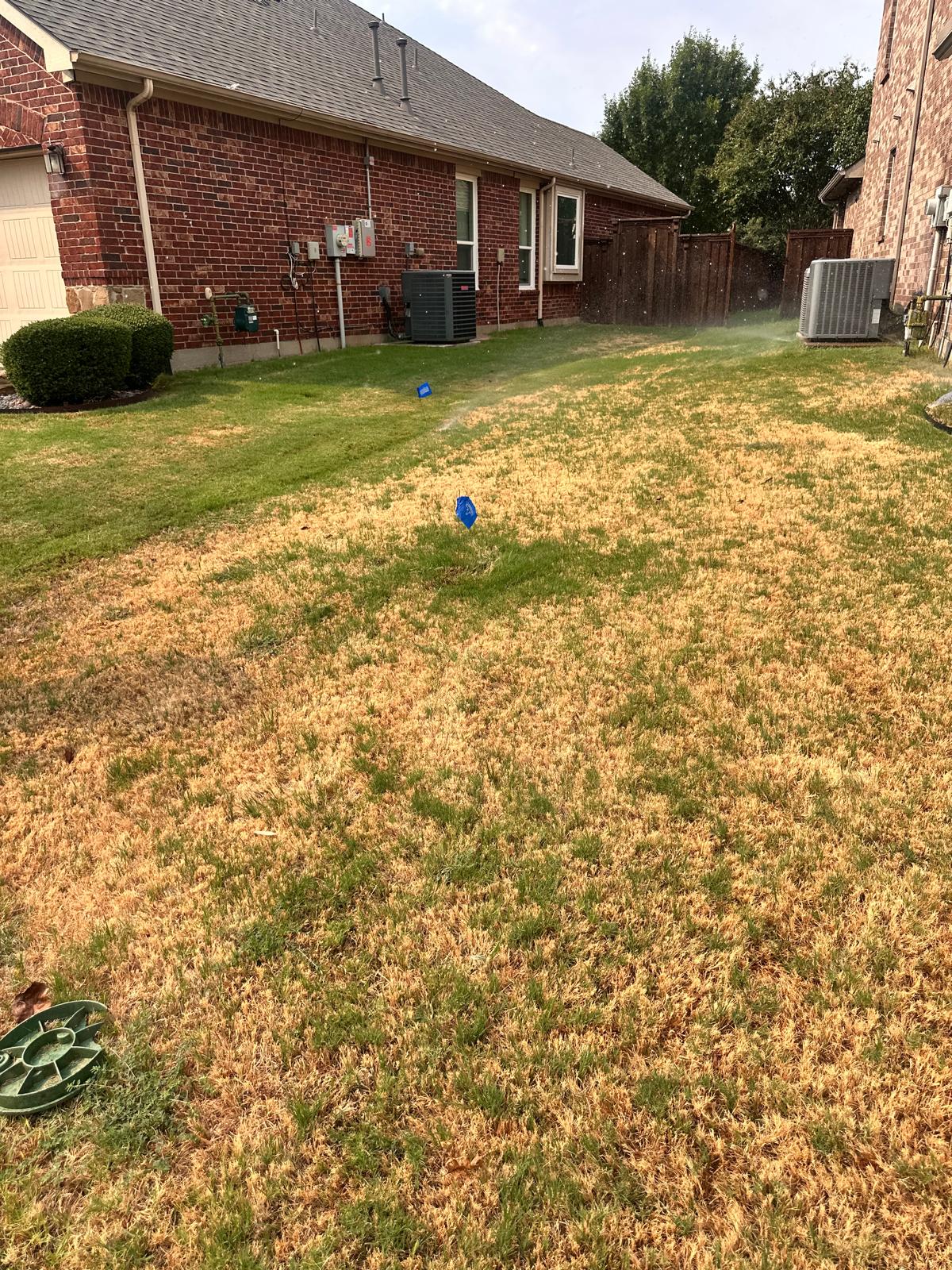
Some leaks are easy to spot immediately, but others develop gradually and aren’t fully apparent until the surrounding area is significantly affected, such as a section of lawn that dies back or soil that erodes visibly.
Step-by-Step: What to Do If You Suspect a Fall Leak
Step 1: Confirm the Leak
Check your water meter for movement while the system is off, and look for wet or soggy areas that don’t dry out between watering cycles.
Step 2: Note the Location and Zone
Identify which zone or area of the yard is affected, since this information helps a technician diagnose the issue more efficiently.
Step 3: Avoid Running That Zone Unnecessarily
If you suspect a leak in a specific zone, limiting how often that zone runs until it’s repaired can reduce water waste and prevent the issue from worsening in the short term.
Step 4: Schedule a Repair Before Winterization
If your system needs to be winterized for the season, scheduling the leak repair beforehand ensures the technician can properly drain and prepare a system that’s actually in working condition, rather than winterizing around an unresolved problem.
Step 5: Confirm the Repair Before the System Is Shut Down
Once repaired, running the affected zone briefly can confirm the leak has been resolved before the system goes into its winter shutdown period.
Common Mistakes Homeowners Make
- Assuming a small leak isn’t worth fixing before winter. Even minor leaks can worsen with freezing temperatures and continued water exposure.
- Waiting for spring because the watering season is ending. A leak doesn’t stop causing damage just because the system is watering less.
- Not mentioning a suspected leak before winterization. A technician winterizing a system without knowing about an existing leak may not address it as part of that visit.
- Ignoring a rising water bill in the off-season. A leak can continue wasting water in fall and winter even when the system isn’t running full cycles.
- Digging around a suspected leak without confirming its exact location. This can cause additional damage to the pipe that wasn’t actually part of the problem.
- Assuming all leaks are equally urgent. A leak on an exposed above-ground component generally poses more immediate freeze risk than one deep underground, so understanding the location helps prioritize repairs.
Local Considerations for Celina, TX
Celina experiences several hard freezes most winters, even though overall temperatures in the region are relatively mild. These freeze events are often brief but are enough to turn an existing leak into a larger crack if water is still present in the affected section of pipe.
Celina’s clay soil also plays a role in how leaks develop and how quickly they become noticeable. Clay tends to hold moisture near the surface rather than allowing it to drain away quickly, which means a leak can sometimes go unnoticed longer in this soil type compared to sandier ground, since the surrounding area may not show obvious pooling right away. The EPA’s WaterSense program notes that even a small, undetected irrigation leak can waste a significant amount of water over the course of several months, which adds up quickly if a leak sits unresolved through an entire winter.
Seasonal watering restrictions in the Celina area may also limit how often you can test a suspected zone for confirmation before scheduling a repair, so it’s worth checking allowed watering days before running extended diagnostic cycles on your own.
Celina’s continued growth also means a fair number of relatively new systems throughout the area, which can sometimes lead homeowners to assume leaks are less likely in a newer installation. While newer systems are generally less prone to age-related wear, they aren’t immune to fitting failures, accidental damage from landscaping work, or issues introduced during the original installation.
Related Problems That Can Look Like a Leak
If you’re not sure whether what you’re seeing is actually a leak, a few other issues can produce similar symptoms:
- Overwatering from a run time that’s too long for current weather conditions
- Runoff caused by slope or clay soil rather than an actual leak
- A stuck valve, allowing water to flow even when the zone isn’t scheduled to run
- Normal seasonal moisture from rainfall rather than irrigation
If you’ve ruled these out and still suspect a leak, a licensed sprinkler company can confirm the issue and recommend repair before winter sets in. Guidance from the Irrigation Association on system maintenance notes that addressing leaks promptly, rather than waiting for a convenient season, is one of the most effective ways to prevent more extensive damage.
Frequently Asked Questions
- Is it really worth fixing a small leak before winter?
Yes. Even small leaks can worsen with freezing temperatures and continued water exposure, making fall repair generally more cost-effective than waiting until spring.
- Can a leak get worse even if my system isn’t running much in fall?
Yes, particularly if the leak is on the main line or involves a valve that isn’t fully closing, since these can continue leaking regardless of the watering schedule.
- Should I repair a leak before or after winterization?
Repairing a known leak before winterization is generally recommended, since it allows the technician to properly drain and prepare a fully functional system.
- How do I know if a wet spot is a leak or just normal soil moisture?
A wet area that persists even during dry stretches, or that doesn’t correspond to a recent watering cycle, is more likely to indicate a leak than normal moisture.
- Will waiting until spring cost more in the long run?
It can. A leak that worsens over winter, combined with potential freeze damage, may result in a larger repair than addressing the same issue in the fall.
Bottom Line
Repairing sprinkler leaks in Celina TX before fall gives the system a better chance of making it through winter without additional freeze-related damage. Waiting until spring often means dealing with a larger repair, continued water waste, and longer scheduling delays during the busy spring start-up season.
Next Step
If you suspect a leak and haven’t had it evaluated yet, addressing it before your system is winterized can prevent a small issue from becoming a larger one once freezing temperatures arrive.
Related Resources
- How Can I Check My Sprinkler System For Leaks In Melissa TX?
- What Should A Fall Sprinkler Inspection Include In Anna, TX?
- Why Is My Sprinkler Water Running Into The Street In Celina TX?
Conclusion & Call to Action
Fixing sprinkler leaks in Celina TX before fall gives your system a much better chance of making it through winter freezes without further damage. Waiting until spring often means a bigger repair, more wasted water, and longer scheduling delays during peak season. If you suspect a leak, no matter how small it seems, Whale Done can confirm it and get it resolved before winterization, so your system heads into the colder months in good working order.