A thorough sprinkler inspection in Anna TX during the fall should include checking each zone for proper coverage, testing water pressure, inspecting heads and valves for damage, reviewing controller settings for the season change, and preparing the system for winter through proper shutdown or winterization steps. The goal is to catch small issues before freezing temperatures turn them into cracked pipes or damaged backflow preventers. Most fall inspections take 30–45 minutes and end with either a clean bill of health or a short list of items to address before winter.
At a Glance
- Difficulty: N/A (performed by a technician, though homeowners can do a basic visual check)
- Estimated Time: 30–45 minutes for a full residential inspection
- Tools Needed: None for the homeowner; technicians use pressure gauges and, for winterization, an air compressor
- Works For: Catching leaks, damaged heads, and freeze risks before winter
- May Not Solve: Existing pipe damage that requires repair rather than inspection alone
Why Fall Inspections Matter
Sprinkler systems in North Texas run for months without a break during the hot summer, which puts wear on heads, valves, and seals. By the time fall arrives, components that were holding up fine in July can be closer to failing. Left unaddressed going into winter, minor issues often turn into bigger ones once freezing temperatures arrive.
Water left inside exposed pipes, backflow preventers, or above-ground components can freeze and expand, cracking fittings that seemed perfectly fine all summer. A fall inspection catches these vulnerabilities while there’s still time to fix them, rather than discovering a cracked pipe in the middle of a freeze.
There’s also a practical scheduling reason for fall inspections. Once temperatures drop and grass growth slows, the system’s watering needs change significantly. An inspection at this transition point is a natural opportunity to both check the physical condition of the system and adjust how often and how long it runs, rather than treating those as two separate tasks later in the season.
What a Fall Sprinkler Inspection in Anna TX Should Include
Step 1: Zone-by-Zone Coverage Check
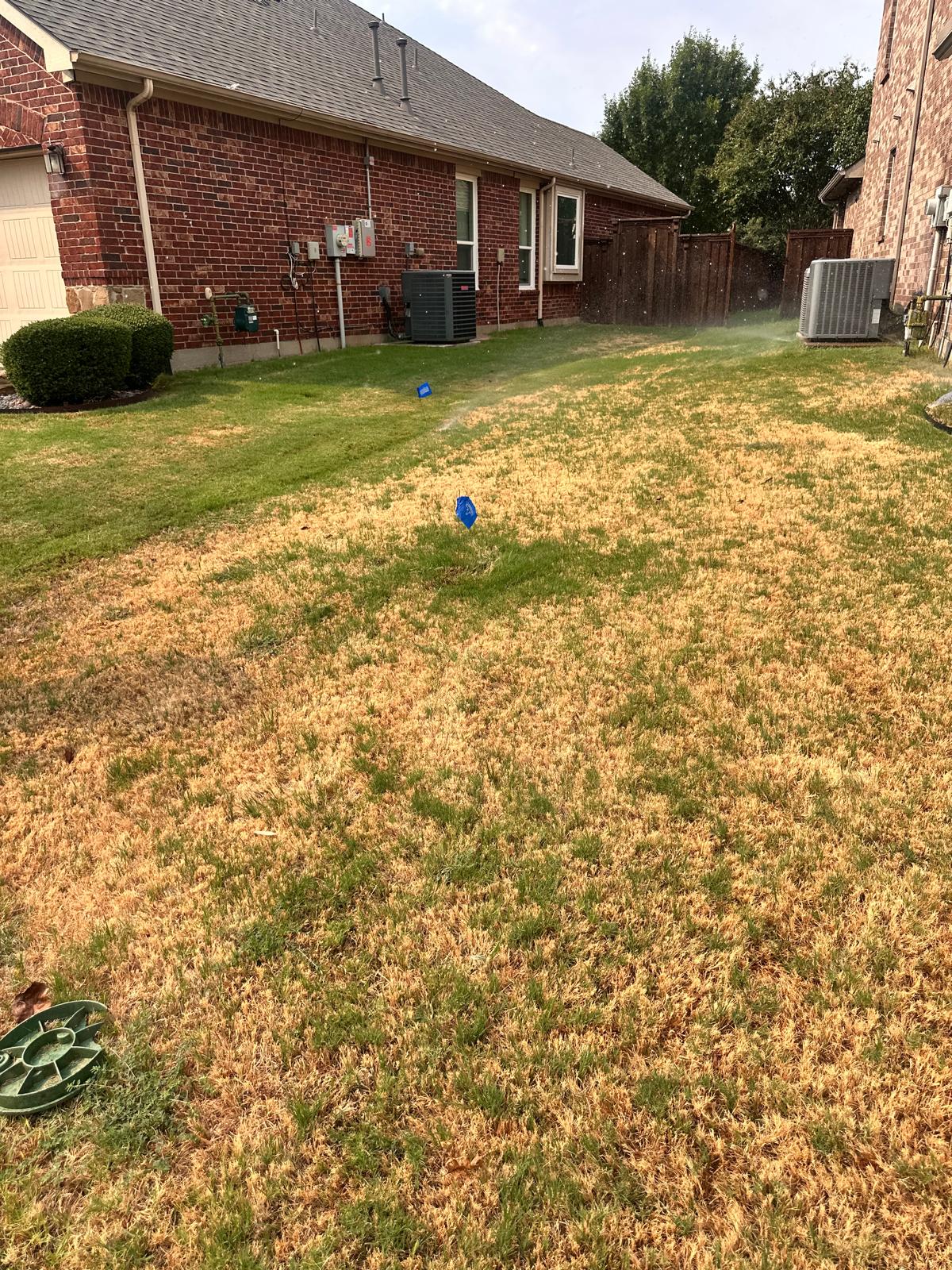
Each zone should be run individually to check for proper coverage, weak spray, and any areas the system may have missed or overwatered throughout the summer. Late-season heat and dry stretches can expose gaps that weren’t obvious earlier in the year.
Step 2: Water Pressure Test
Pressure should be checked at the point of connection and, if needed, at individual zones. A gradual pressure drop over the course of a season can point to a developing leak or a valve that isn’t sealing fully.
Step 3: Head and Nozzle Inspection
Every head should be checked for cracks, tilting, sinking, or clogged nozzles. Heads that have shifted from summer lawn mowing or foot traffic are common and usually simple to correct.
Step 4: Valve and Backflow Preventer Check
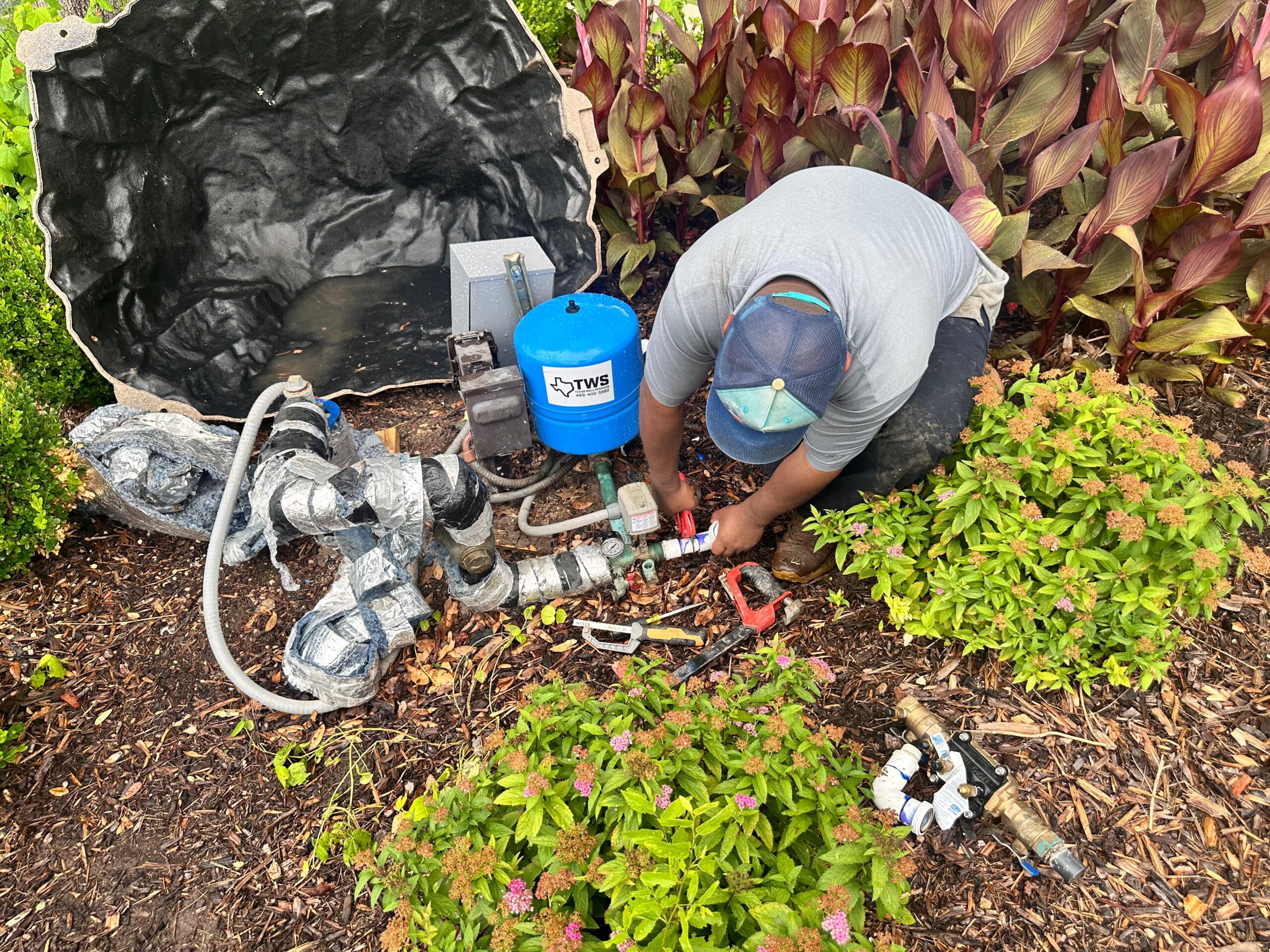
Valves should be tested for proper opening and closing, and the backflow preventer should be inspected for leaks or wear. This component is particularly important heading into winter, since it’s often the part most exposed to freeze damage.
Step 5: Controller Schedule Review
Fall is a natural point to adjust watering schedules as temperatures drop and grass growth slows. A schedule set for peak summer heat typically needs to be reduced significantly, or turned off entirely, as the season changes.
Step 6: Leak Check
The water meter should be checked for movement while the system is off, and any wet or soggy areas in the yard should be noted. Leaks are easier to address before winter than after a freeze potentially makes them worse.
Step 7: Winterization Preparation
Depending on the property and local climate patterns, this may include shutting off the water supply to the system, draining exposed lines, or blowing out the system with compressed air to clear remaining water from the pipes. This step is one of the most important parts of a fall inspection in areas that see hard freezes, since it addresses the root cause of most winter irrigation damage rather than just identifying existing wear.
Step 8: Summary of Findings
The inspection should end with a clear summary — what was checked, what’s working well, and what, if anything, needs attention before winter sets in.
Common Mistakes Homeowners Make
- Waiting until the first freeze warning to think about the system. By then, there’s often little time left to schedule an inspection or winterization before temperatures drop.
- Assuming Texas winters are too mild to cause damage. Even a handful of hard freezes each year can crack exposed pipes or fittings if water is left inside them.
- Skipping the controller schedule adjustment. Watering at summer levels through the fall wastes water and can contribute to fungus or disease in cooler, wetter conditions.
- Only checking for obvious damage. Small issues, like a slightly cracked fitting or a slowly leaking valve, aren’t always visible without testing pressure and watching zones run.
- Forgetting the backflow preventer. This component is one of the most common casualties of freeze damage, yet it’s easy to overlook during a quick visual check.
- Assuming last year’s winterization is enough. Winterization needs to happen every year, since any water that re-enters the system during the following watering season needs to be cleared out again before the next freeze.
Local Considerations for Anna, TX
Anna sits in a part of North Texas that typically sees several hard freezes each winter, even though the overall climate is mild compared to much of the country. These freeze events, while brief, are often enough to damage exposed irrigation components that weren’t properly prepared.
Clay soil throughout Anna also affects how quickly a system can be safely shut down for the season. Because clay retains moisture longer than sandy soil, technicians often factor in recent rainfall when deciding how much irrigation, if any, the lawn still needs heading into late fall. Seasonal watering restrictions in the area may also affect when and how often a system runs during the fall transition period.
The EPA’s WaterSense program recommends seasonal system check-ups as a standard part of responsible irrigation management, noting that adjusting schedules with the seasons is one of the simplest ways to reduce unnecessary outdoor water use. Anna’s occasional early cold snaps also make timing important — an inspection scheduled too late in the season can leave little room to address winterization before the first freeze arrives.
Anna’s growth in recent years also means a wide range of system ages across the area, similar to nearby communities. Newer systems installed in the last few years tend to have more freeze-resistant components, while older systems may need closer attention to backflow preventers and exposed piping that predate current installation standards.
Related Topics a Fall Inspection Might Uncover
A fall inspection sometimes reveals issues unrelated to the season itself, including:
- Leaks that developed gradually over the summer months
- Runoff on sloped or clay-heavy areas that worsened as watering schedules stayed unchanged
- Uneven coverage from heads that shifted due to lawn care or settling soil
- Valve or controller issues that summer heat and heavy use may have accelerated
If you’re dealing with one of these issues specifically, it may be worth reviewing the related resources below in addition to scheduling a fall inspection. A licensed sprinkler company can typically address a known issue during the same visit as a general inspection. Guidance from the Irrigation Association on seasonal system care notes that proper fall preparation is one of the most effective ways to prevent costly freeze-related damage.
Frequently Asked Questions
- Does Anna, TX actually get cold enough to need winterization?
Yes. While winters in the area are relatively mild overall, Anna typically experiences several hard freezes each year, which is enough to damage water left inside exposed pipes or the backflow preventer.
- How is a fall inspection different from a general evaluation?
A fall inspection includes the same general checks as any evaluation but places extra emphasis on preparing the system for winter, including schedule adjustments and freeze protection.
- When should I schedule a fall sprinkler inspection?
Scheduling before the first expected freeze of the season gives enough time to address any issues found, rather than rushing preparations once cold weather has already arrived.
- Can I winterize my system myself?
Some homeowners handle basic steps like shutting off the water supply, but fully draining or blowing out a system typically requires equipment and experience most homeowners don’t have on hand.
- What happens if I skip a fall inspection?
Skipping it doesn’t guarantee a problem, but it does mean small issues, freeze risks, and outdated watering schedules may go unnoticed until they cause more noticeable damage.
Bottom Line
A thorough sprinkler inspection in Anna TX during the fall should cover zone coverage, water pressure, head and valve condition, controller scheduling, leak detection, and proper winterization. Catching small issues in the fall is far less costly than repairing freeze damage once winter has already set in.
Next Step
If your system hasn’t been checked since spring, or if you’re unsure whether it’s properly prepared for winter, scheduling a fall inspection before the first hard freeze gives you time to address anything that comes up.
Related Resources
- What Happens During A Sprinkler System Evaluation In McKinney TX?
- How Can I Check My Sprinkler System For Leaks In Melissa TX?
- Can Cycle-And-Soak Reduce Sprinkler Runoff In Prosper TX?
- Seasonal Sprinkler Maintenance Checklist for North Texas
Conclusion & Call to Action
A complete sprinkler inspection in Anna TX should leave you confident your system can handle winter without damage, covering everything from zone coverage and water pressure to proper winterization. Catching small issues now is far cheaper than repairing a cracked pipe or backflow preventer after a freeze. Whale Done offers seasonal inspections designed to prepare your system before cold weather arrives, giving you a clear, honest assessment of what your yard actually needs before the temperatures drop.