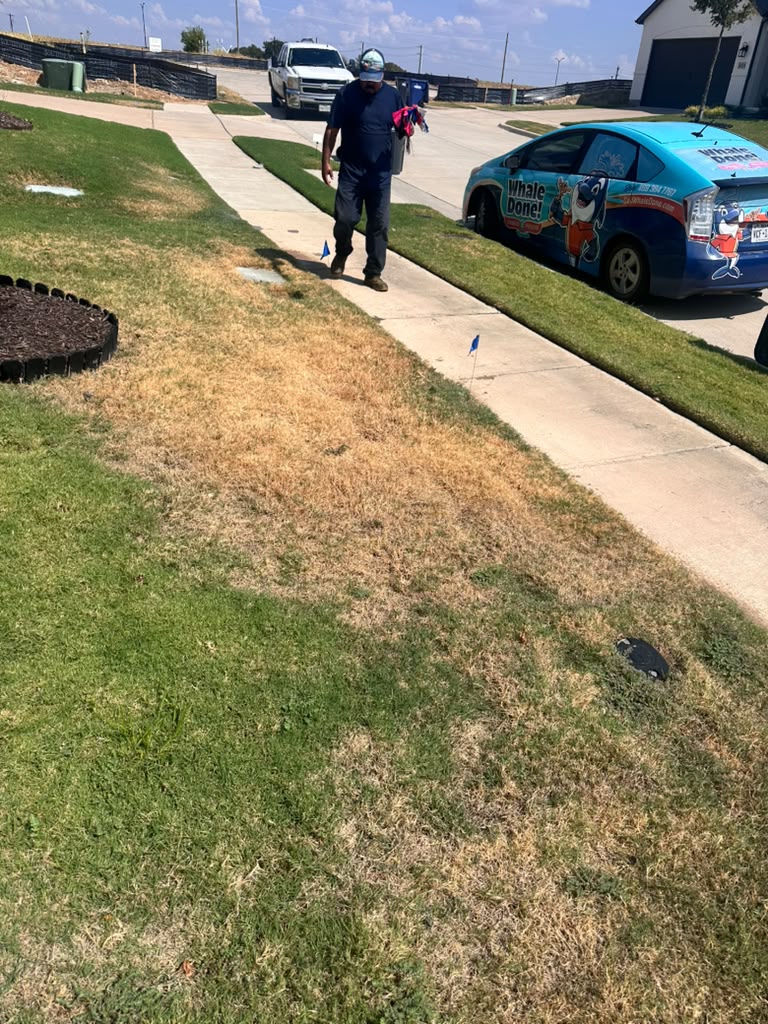
Sprinkler system inspection in Prosper is the foundation of a vibrant, healthy landscape and the very first step you should take if you want your irrigation system working reliably throughout every season. A proper inspection helps detect hidden issues before they become costly problems, ensures even water distribution, and ultimately protects your investment in your property’s outdoor space. Whether you’re a new homeowner in Prosper, TX, or you’ve lived here for years, understanding what a thorough inspection entails will empower you to make informed decisions about maintenance and upgrades for your system.
Why Sprinkler System Inspection Matters
A well‑functioning irrigation system does more than just keep your grass green—it conserves water, reduces utility costs, and supports the overall health of your landscape. In a climate like Prosper, TX, where seasonal temperatures can vary widely, consistent performance from your sprinkler system is crucial. When components malfunction due to wear, debris buildup, or shifting soil, the system’s efficiency drops, leading to dry patches, water waste, and increased stress on plant roots.
Regular inspections also play an important role in water conservation, helping you comply with local guidelines and make sustainable choices for your home. By addressing issues early, you create a resilient irrigation setup that stands up to the heat of summer and the unpredictability of seasonal changes.
Understanding the Components of Your Sprinkler System
Before diving into what an inspection covers, it’s helpful to understand the typical parts of a residential sprinkler system:
- Control Valve and Timer: This is the brain of your system, determining when and how long water flows.
- Backflow Preventer: A safety device that protects your household water supply from contamination.
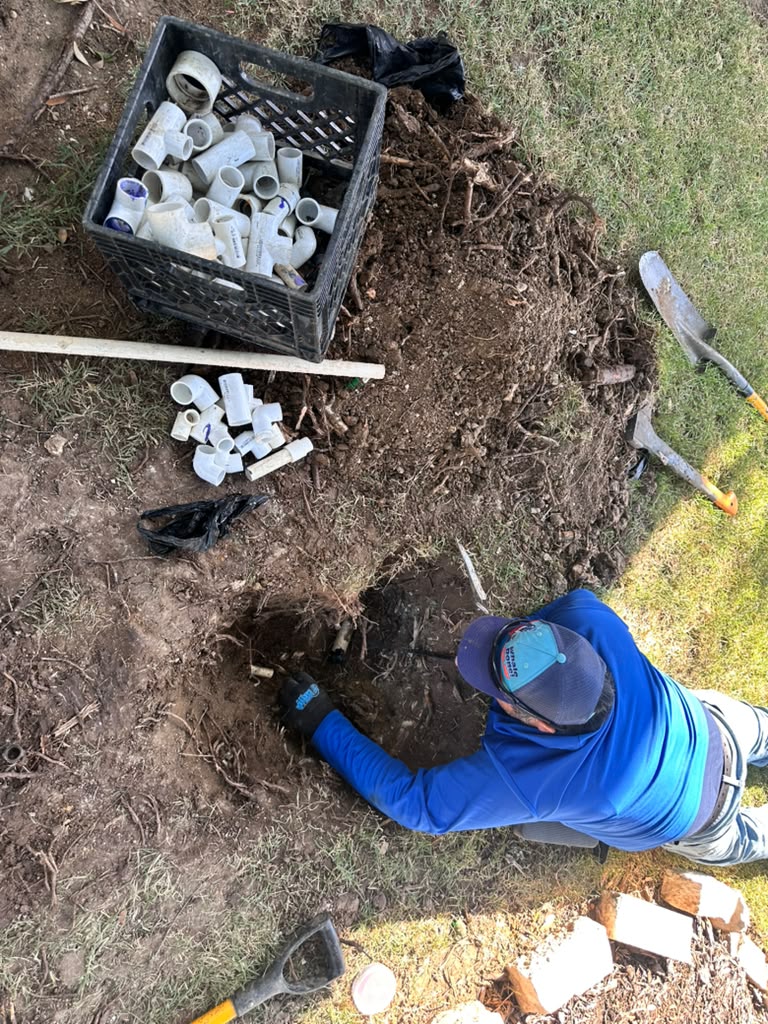
- Pipes and Fittings: These deliver water to each zone of your yard. Leaks here can reduce pressure and lead to inefficiencies.
- Sprinkler Heads: These emit the water over your lawn. Dirty or damaged heads can disrupt coverage patterns.
- Rain Sensor or Soil Moisture Sensor: These tools help you avoid overwatering by pausing the system when natural moisture is sufficient.
Each component requires attention during an inspection to make sure it functions in harmony with the rest of the system.
What Happens During a Professional Inspection
A professional inspection is much more than a quick walk around the yard. It’s a systematic review of every part of your irrigation setup:
1. System Startup Check
The technician will begin by running every zone to observe pressure, spray patterns, and timing sequences. This helps identify issues like low flow, uneven coverage, or zones that fail to activate.
2. Valve and Controller Assessment
Inspecting the controller ensures your watering schedule aligns with seasonal needs. This is also when adjustments for weather patterns or water restrictions can be programmed.
3. Leak Detection
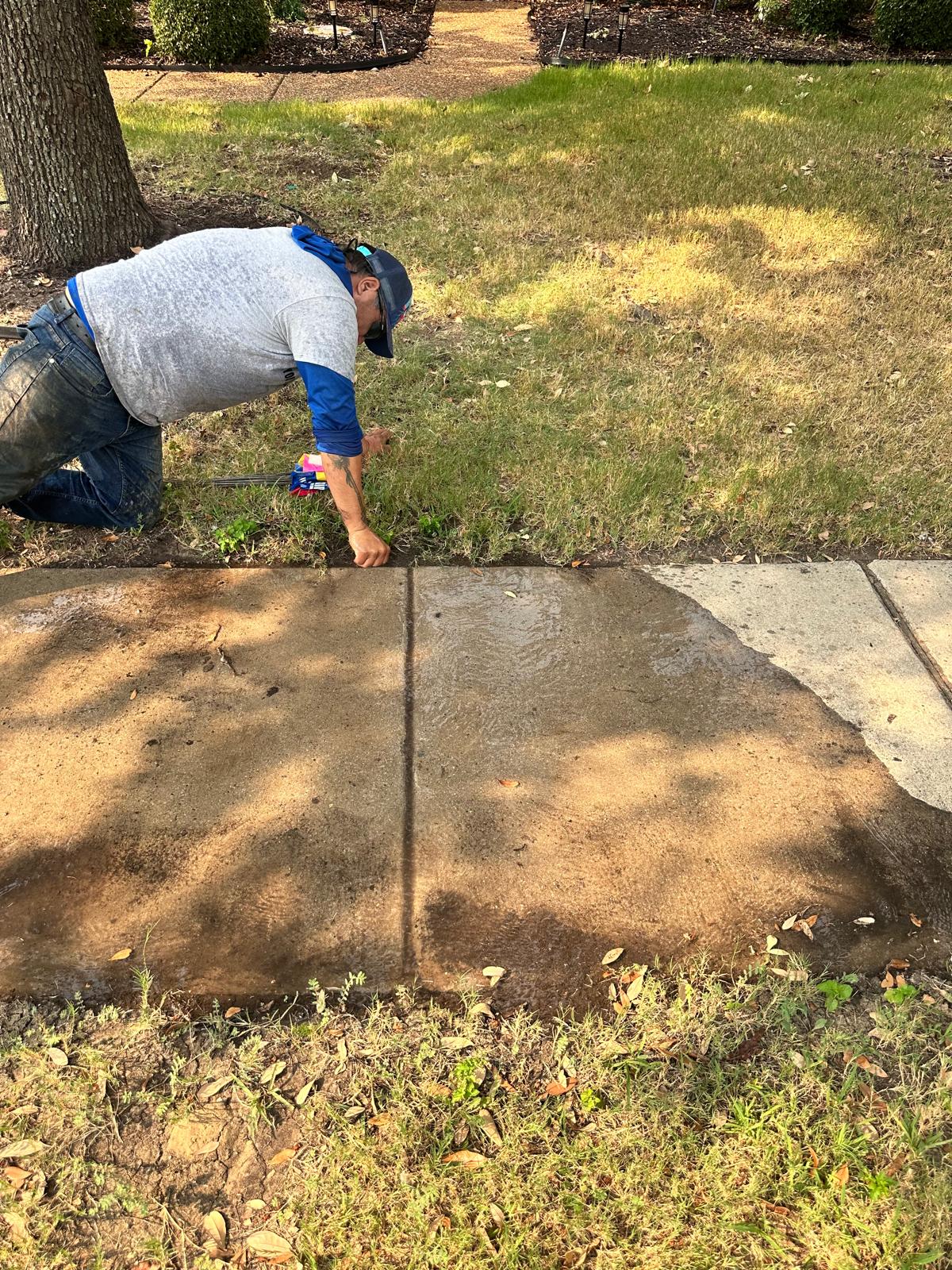
Leaks can hide underground for months before you notice a visual sign. A thorough inspection checks for soggy spots, wet soil, or unusual high water usage that might signal a breach.
4. Spray Pattern Evaluation
Misaligned or blocked sprinkler heads can cause water to spray on sidewalks or driveways rather than your plants. Technicians will clean, adjust, or replace heads as needed to optimize coverage.
5. Backflow Prevention Test
This is a critical safety step. A malfunctioning backflow preventer can allow contaminants into your clean water supply, so it must meet safety standards.
By the end of the inspection, you should receive a report detailing any deficiencies along with recommendations for correction.
Seasonal Timing: When to Inspect Your System
Sprinkler system inspections are most effective when done seasonally—typically in early spring before heavy use and again in late fall to prepare for winter conditions. Spring inspections set you up for a summer of proper hydration, while fall checks protect your system from freeze damage and other cold‑weather risks.
However, inspections aren’t only for these transitional times. After extreme weather events, such as heavy rains or droughts, it’s wise to schedule a checkup to ensure your system wasn’t compromised.
Common Issues Uncovered During Inspections
Here are some of the most frequent problems revealed during a sprinkler system inspection:
- Clogged Nozzles: Dirt, grass, and debris can block water flow.
- Broken Heads: Mowers and foot traffic often damage heads that then need replacement.
- Pressure Fluctuations: Inconsistent water pressure can reduce the effectiveness of watering and signal underlying issues.
- Controller Malfunctions: Faulty programming or electrical issues can disrupt the watering schedule.
- Valve Wear: Over time, valves may stick or fail, affecting flow to certain zones.
Addressing these issues early saves money and prevents landscape stress that can lead to brown patches, weed invasion, and plant decline.
DIY vs. Professional Inspection: What You Should Know
Some homeowners enjoy performing basic checks on their systems, such as clearing debris from heads or watching for obvious malfunctions. While these tasks are beneficial, they don’t substitute for a professional evaluation.
A certified irrigation specialist brings tools, training, and experience that uncover problems you might miss. For example, pressure testing, leak detection below ground, and electrical diagnostics are best left to professionals to ensure accuracy and safety.
That said, combining periodic professional inspections with your own routine observations creates the strongest defense against sprinkler system failure.
How Inspections Boost Efficiency and Save Money
Efficient irrigation doesn’t just help your lawn—it helps your wallet. When all parts of the system operate correctly, water is delivered precisely where and when it’s needed. This efficiency leads to:
- Lower monthly water bills
- Reduced runoff and wasted water
- Longer lifespan for system components
- Fewer emergency repair calls
In regions like Prosper, where summers can be hot and dry, a well‑tuned irrigation system is an investment in sustainability and savings. Tuning your system through regular inspections helps prevent overwatering, which is a common culprit behind inflated utility costs.
The Role of Technology in Modern Sprinkler Inspections
Irrigation technology has come a long way, and modern systems can integrate features like smart controllers, weather sensors, and soil moisture probes. These tools allow your system to adjust watering in real time based on local conditions—saving water and protecting your landscape.
When a professional inspects your system, they’ll evaluate your existing technology and recommend upgrades if beneficial. For instance, weather‑based controllers can adjust schedules automatically to respond to rain or heat, improving efficiency without manual intervention.
Understanding these technologies helps you make savvy decisions about future upgrades and ensures you get the most value from your current setup.
Integrating Landscape Needs With Irrigation
Your irrigation system doesn’t exist in isolation—it’s part of a broader landscape ecosystem. For example, understanding landscape irrigation principles can help you tailor your watering strategy to plant types, soil conditions, and micro‑climates within your yard.
Grouping plants with similar water requirements into the same zone ensures each area gets just what it needs. Deep‑rooted trees might need infrequent, long watering cycles, while turfgrass prefers shorter, more frequent applications. A professional inspection often includes zone analysis and recommendations for optimizing your system to match your landscaping layout.
Cost Considerations: What to Expect
The cost of a sprinkler system inspection can vary based on the size of your property, the complexity of your system, and the extent of the evaluation. While it may seem like an added expense, consider it preventative maintenance—similar to servicing your HVAC system or annual roof checkup.
Many irrigation companies offer seasonal inspection packages that include detailed reports and prioritized maintenance recommendations. Investing in inspection now can prevent expensive repairs later, especially if leaks or system failures go unnoticed for long periods.
Tips to Maximize the Value of Your Inspection
To get the most out of your inspection, keep these tips in mind:
- Prepare a list of concerns: Note any irregular performance you’ve noticed.
- Document past repairs: Sharing history with your inspector can help pinpoint recurring issues.
- Ask questions: A good technician will explain findings and offer education.
- Follow recommendations: Small upgrades or adjustments now can prevent big problems later.
Proactive communication with your irrigation professional strengthens the partnership and ensures your system delivers peak performance.
Local Factors That Affect Irrigation in Prosper, TX
Prosper’s climate and soil conditions present unique challenges for irrigation systems. Sandy loam soils can drain quickly, requiring careful scheduling, while heavy clay areas may retain moisture longer, increasing the risk of overwatering.
Understanding local conditions helps tailor your system’s operation to suit your landscape’s specific needs. Regular inspections give you insights into how soil types, sun exposure, and shade patterns affect watering requirements throughout the year.
For updated weather trends that influence your irrigation schedule, you can review Prosper TX weather data to plan inspections around seasonal shifts.
Choosing the Right Irrigation Professional
Selecting a trusted specialist for your sprinkler system inspection is just as important as the inspection itself. Look for companies with strong reputations, transparent pricing, and technicians who take time to educate homeowners.
Ask about certifications, warranties, and whether they offer comprehensive reports after the inspection. A professional you trust becomes a long‑term partner in protecting your landscape investment.
Preparing for Your Sprinkler System Inspection
Before the technician arrives, make sure:
- Your controller is accessible and functioning.
- All valve boxes are visible and clear of debris.
- Pets and children are kept away from the inspection area.
These simple steps help ensure the inspection goes smoothly and efficiently, allowing the expert to focus on diagnosing issues rather than overcoming obstacles.
Conclusion
A thorough sprinkler system inspection is an essential practice for homeowners in Prosper, TX who want a thriving yard, efficient water use, and peace of mind. Regular checkups help you catch problems early, optimize system performance, and adapt to seasonal and local environmental needs.
For professional sprinkler system inspection services and expert guidance tailored to your property, consider contacting Whale Done Sprinklers & Irrigation. They can help you maintain a resilient and efficient irrigation system you can rely on—call +1(469) 384‑7767 or email clientsupport@callwhaledone.com 📞 to schedule your inspection today.