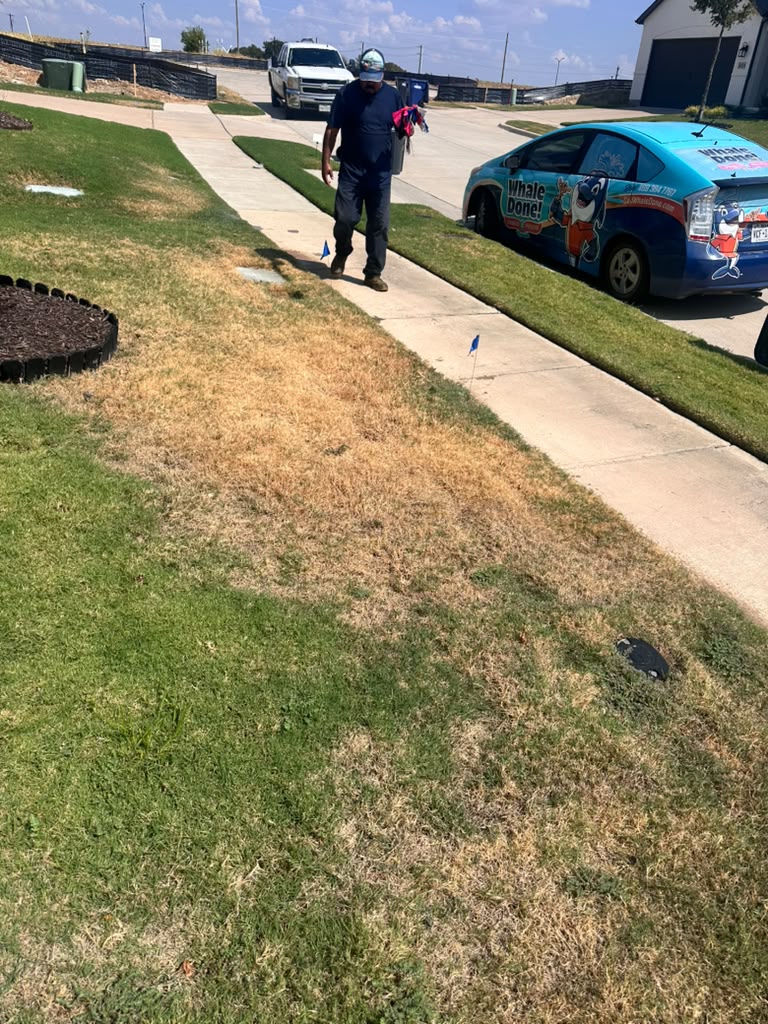
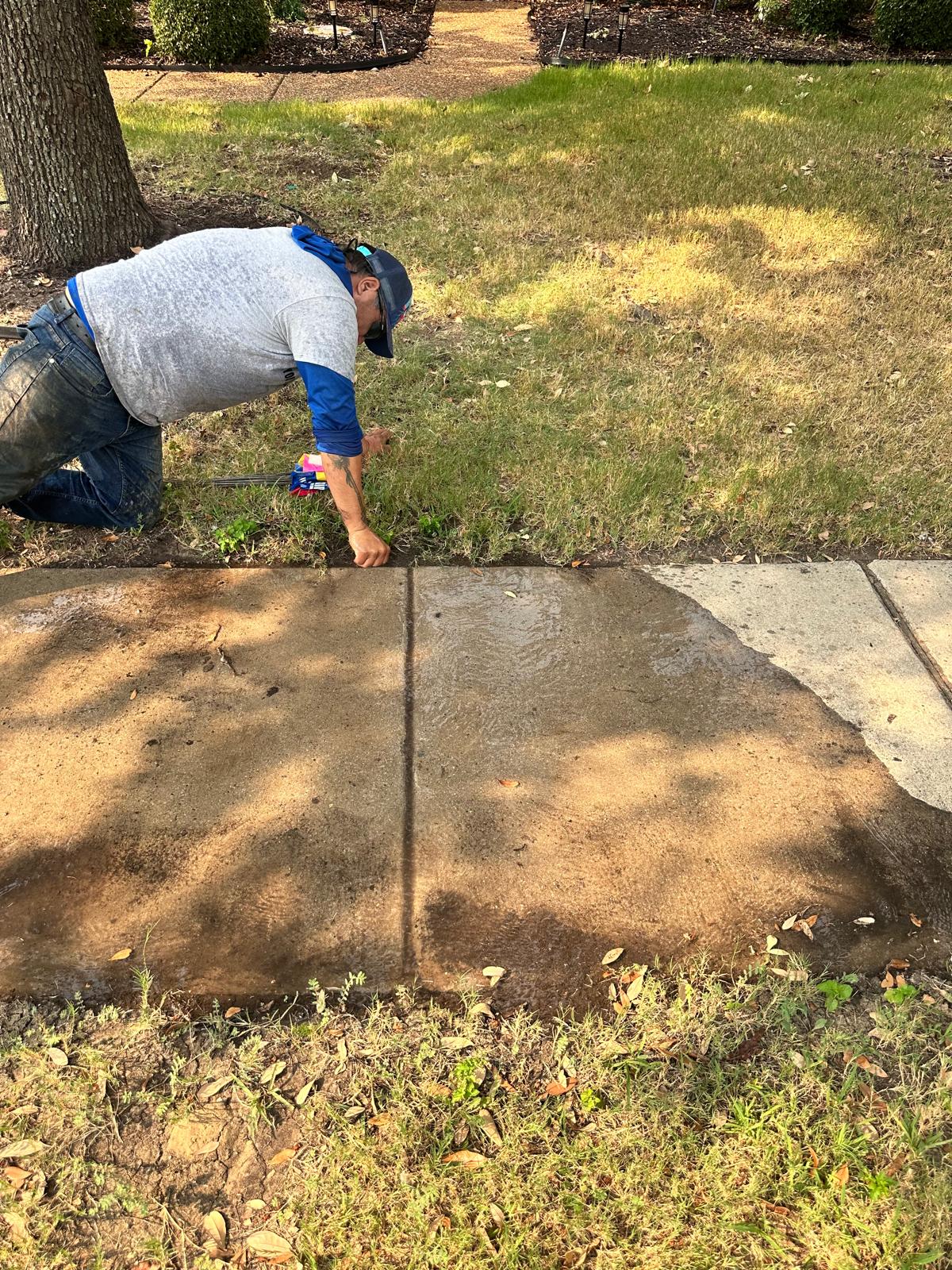
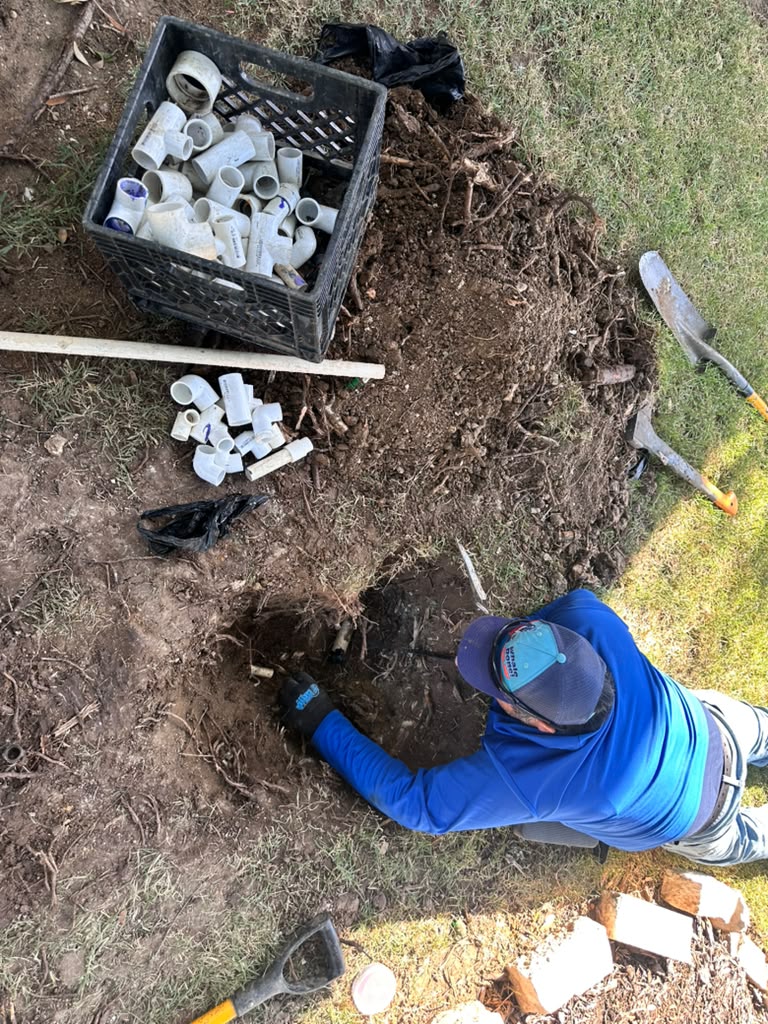
Sprinkler winterization in Lucas TX is a critical seasonal service that protects irrigation systems from freezing temperatures, hidden pipe damage, and expensive spring repairs. As fall transitions into winter, homeowners in Lucas face fluctuating North Texas weather patterns that can put underground sprinkler components at risk if they are not properly prepared.
Lucas is known for its beautiful residential landscapes, large lawns, and custom irrigation systems. These systems are valuable investments, and winterizing them correctly helps preserve performance, efficiency, and longevity. This guide explains why winterization matters, how the process works, and what homeowners in Lucas should expect to ensure their irrigation systems are fully protected through the colder months.
Understanding Winter Weather Risks in Lucas TX
While Lucas does not experience prolonged deep freezes like northern states, the region is prone to sudden cold snaps. Overnight temperatures can quickly drop below freezing, especially during December and January. When water remains inside sprinkler pipes, valves, or backflow devices during these cold periods, it expands as it freezes. This expansion can crack pipes, split fittings, and damage sprinkler heads underground where problems are not immediately visible.
According to the National Weather Service, even short periods of freezing temperatures can cause significant damage to irrigation systems if they are not properly drained. Homeowners often don’t discover these issues until spring, when leaks, low pressure, or flooded zones appear.
What Is Sprinkler Winterization?
Sprinkler winterization is the process of removing all water from an irrigation system and shutting it down safely for winter. This typically involves:
- Turning off the main water supply to the irrigation system
- Draining residual water from pipes and valves
- Using compressed air to clear underground lines
- Protecting backflow prevention devices and exposed components
This process ensures that no water remains trapped where it can freeze and cause internal damage. Professional winterization is especially important for systems with complex layouts, multiple zones, or advanced controllers.
For a detailed overview of how irrigation systems function, the Environmental Protection Agency offers helpful resources on water-efficient landscaping and irrigation best practices.
Why Sprinkler Winterization in Lucas TX Is Essential
Prevents Costly Repairs
One of the biggest benefits of winterization is avoiding expensive repairs. A single cracked pipe underground can cost hundreds or even thousands of dollars to locate and fix. Proper winterization significantly reduces this risk.
Protects Underground Infrastructure
Most sprinkler components are buried several inches below ground. Damage can go unnoticed until water pressure drops or soggy patches appear in the lawn. Winterization ensures these hidden parts remain intact.
Extends System Lifespan
Regular seasonal maintenance, including winterization, helps extend the overall lifespan of your irrigation system. Systems that are properly maintained year-round tend to perform better and last longer.
Ensures Smooth Spring Start-Up
When winterization is done correctly, spring activation becomes much easier. There is less risk of leaks, broken heads, or malfunctioning valves when the system is turned back on.
When to Schedule Winterization in Lucas
Timing is critical for sprinkler winterization in Lucas TX. Most professionals recommend scheduling service before the first hard freeze, which typically occurs between late November and early December. However, weather patterns can vary year to year.
Monitoring local forecasts and acting proactively is key. Resources like Weather Underground can help homeowners track upcoming temperature changes and plan accordingly.
Waiting too long increases the risk of unexpected freezes that can damage systems overnight.
The Professional Winterization Process Explained
System Inspection
Before winterization begins, the system is inspected for existing issues such as leaks, damaged heads, or malfunctioning valves. Identifying these problems early helps prevent complications later.
Water Shutoff
The irrigation water supply is shut off at the main valve. This prevents new water from entering the system during the winter months.
Air Blowout
Compressed air is carefully introduced into the system to force out any remaining water. Each zone is cleared individually to ensure complete drainage without over-pressurizing the lines.
Controller Adjustment
The irrigation controller is turned off or set to “rain mode” for winter. This prevents accidental activation during freezing temperatures.
Backflow Protection
Backflow prevention devices are drained and insulated as needed to protect them from freezing and cracking.
The Irrigation Association emphasizes that proper air pressure and technique are essential during blowouts to avoid damage, which is why professional service is strongly recommended.
DIY vs Professional Winterization
Some homeowners consider winterizing their sprinkler systems themselves. While basic shutoff and drainage may seem simple, improper techniques can cause more harm than good.
Risks of DIY Winterization
- Using incorrect air pressure can burst pipes
- Incomplete drainage leaves water trapped underground
- Lack of specialized equipment
- Missed components such as valves or backflow devices
Professional technicians use commercial-grade compressors and follow system-specific procedures. This level of precision is difficult to achieve without experience or proper tools.
For homeowners with complex systems or larger properties, professional winterization is the safest and most reliable option.
Local Considerations for Lucas TX Properties
Lucas properties often feature expansive lawns, multiple irrigation zones, and customized landscaping. These features require careful attention during winterization.
Clay-heavy soil common in the area can also shift slightly with temperature changes, increasing stress on underground pipes. Proper winterization minimizes the risk of damage caused by soil movement and freezing.
Homeowners with smart irrigation controllers should also ensure their systems are properly shut down and configured for winter conditions. You can learn more about smart irrigation efficiency through resources like Texas A&M AgriLife Extension.
Importance of Regular Irrigation Maintenance
Winterization is just one part of a comprehensive irrigation maintenance plan. Throughout the year, homeowners should also consider:
- Seasonal inspections
- Controller programming adjustments
- Sprinkler head alignment and repair
- Water efficiency audits
These practices help maintain healthy lawns while conserving water and reducing utility costs. Regular maintenance also ensures that winterization and spring activation go smoothly.
For more information on year-round system care, visit our internal resource on irrigation maintenance.
How Winterization Supports Water Efficiency
Protecting your sprinkler system during winter also contributes to water conservation. Cracked pipes and damaged valves often lead to leaks that waste water once the system is reactivated.
By investing in proper winterization, homeowners reduce the likelihood of water loss and improve overall system efficiency. This aligns with local water conservation goals and helps maintain sustainable landscaping practices.
Learn more about water-saving irrigation strategies on our page about efficient sprinkler systems.
Common Signs of Improper Winterization
If a system was not winterized correctly, homeowners may notice issues in spring such as:
- Uneven water pressure
- Zones that fail to activate
- Water pooling in the yard
- Higher-than-normal water bills
These problems often trace back to freeze damage that occurred during winter. Proper winterization helps prevent these headaches before they start.
For guidance on diagnosing system issues, visit our article on sprinkler troubleshooting.
Preparing Your Lawn for Winter Beyond Irrigation
In addition to sprinkler winterization, homeowners should prepare their lawns and landscapes for winter by:
- Adjusting mowing height
- Removing debris and fallen leaves
- Reducing watering frequency before shutdown
- Protecting sensitive plants
These steps complement irrigation winterization and help ensure a healthy lawn that rebounds quickly in spring.
For a complete seasonal checklist, explore our guide on winter lawn care tips.
Conclusion
Sprinkler winterization in Lucas TX is an essential step for protecting irrigation systems from freeze damage, preserving system performance, and avoiding costly repairs. With unpredictable winter temperatures and complex residential irrigation setups, proactive winterization ensures peace of mind throughout the colder months and a smooth transition into spring.
Homeowners who prioritize proper winter preparation safeguard their landscapes, conserve water, and extend the life of their irrigation investments. Scheduling winterization at the right time and trusting experienced professionals can make all the difference.
For reliable and professional sprinkler winterization services, contact Whale Done Sprinklers & Irrigation.
Phone: +1 (469) 384-7767
Email: clientsupport@callwhaledone.com